



















CyberGait
  • Home
  • Bionics
    Bionics: The Key to Human Immortality?

    Bionics: The Key to Human Immortality?

    Bionic Organs: Can They Save Lives or Create New Ethical Dilemmas?

    Bionic Organs: Can They Save Lives or Create New Ethical Dilemmas?

    The Future of Prosthetics: Is It Fully Bionic?

    The Future of Prosthetics: Is It Fully Bionic?

    What Happens When Bionics Merge with Artificial Intelligence?

    What Happens When Bionics Merge with Artificial Intelligence?

    Bionic Enhancements: Could They Improve Our Cognitive Abilities?

    Bionic Enhancements: Could They Improve Our Cognitive Abilities?

    How Far Can Bionic Eyes Take Us Beyond Human Vision?

    How Far Can Bionic Eyes Take Us Beyond Human Vision?

  • Breakthroughs
    Will We Ever Live on Mars? And Should We?

    Will We Ever Live on Mars? And Should We?

    Are We on the Brink of a Green Energy Revolution?

    Are We on the Brink of a Green Energy Revolution?

    Can Mind-Controlled Technology Revolutionize Communication?

    Can Mind-Controlled Technology Revolutionize Communication?

    What If We Could 3D Print Human Organs?

    What If We Could 3D Print Human Organs?

    Can Autonomous Vehicles Surpass Human Drivers in Safety?

    Can Autonomous Vehicles Surpass Human Drivers in Safety?

    Genomic Editing the Key to Immortality?

    Genomic Editing the Key to Immortality?

  • Industry
    How Can Data Privacy be Maintained in a Hyperconnected World?

    How Can Data Privacy be Maintained in a Hyperconnected World?

    Is the Gig Economy the Future of Employment?

    Is the Gig Economy the Future of Employment?

    Can Startups Compete with Corporate Giants in Innovation?

    Can Startups Compete with Corporate Giants in Innovation?

    The Future of Work: Truly Remote or Hybrid?

    The Future of Work: Truly Remote or Hybrid?

    How Does Blockchain Impact Global Supply Chains?

    How Does Blockchain Impact Global Supply Chains?

    Are We Overestimating the Power of Automation?

    Are We Overestimating the Power of Automation?

  • Robotics
    Can Robots Adapt to Unpredictable Real-World Environments?

    Can Robots Adapt to Unpredictable Real-World Environments?

    Will Robots Achieve True Autonomy or Always Need Human Oversight?

    Will Robots Achieve True Autonomy or Always Need Human Oversight?

    What Happens When Robots Start Designing Robots?

    What Happens When Robots Start Designing Robots?

    Are We Ready for Robots to Shape Our Creative Industries?

    Are We Ready for Robots to Shape Our Creative Industries?

    Could Robots One Day Replace Human Emotions in Caregiving?

    Could Robots One Day Replace Human Emotions in Caregiving?

    How Do We Ensure Robot Ethics in Autonomous Machines?

    How Do We Ensure Robot Ethics in Autonomous Machines?

  • Spotlight
    How Can Spotlights Elevate Your Interior Design Game?

    How Can Spotlights Elevate Your Interior Design Game?

    What Happens When You Use a Spotlight for Intimate Portraits?

    What Happens When You Use a Spotlight for Intimate Portraits?

    Why Do Spotlight Effects Matter in Cinematic Storytelling?

    Why Do Spotlight Effects Matter in Cinematic Storytelling?

    Could Spotlighting Be the Key to Perfect Product Photography?

    Could Spotlighting Be the Key to Perfect Product Photography?

    Spotlight Technology Changing the Future of Stage Design

    Spotlight Technology Changing the Future of Stage Design

    How Do Different Spotlights Affect Mood and Atmosphere?

    How Do Different Spotlights Affect Mood and Atmosphere?

CyberGait
  • Home
  • Bionics
    Bionics: The Key to Human Immortality?

    Bionics: The Key to Human Immortality?

    Bionic Organs: Can They Save Lives or Create New Ethical Dilemmas?

    Bionic Organs: Can They Save Lives or Create New Ethical Dilemmas?

    The Future of Prosthetics: Is It Fully Bionic?

    The Future of Prosthetics: Is It Fully Bionic?

    What Happens When Bionics Merge with Artificial Intelligence?

    What Happens When Bionics Merge with Artificial Intelligence?

    Bionic Enhancements: Could They Improve Our Cognitive Abilities?

    Bionic Enhancements: Could They Improve Our Cognitive Abilities?

    How Far Can Bionic Eyes Take Us Beyond Human Vision?

    How Far Can Bionic Eyes Take Us Beyond Human Vision?

  • Breakthroughs
    Will We Ever Live on Mars? And Should We?

    Will We Ever Live on Mars? And Should We?

    Are We on the Brink of a Green Energy Revolution?

    Are We on the Brink of a Green Energy Revolution?

    Can Mind-Controlled Technology Revolutionize Communication?

    Can Mind-Controlled Technology Revolutionize Communication?

    What If We Could 3D Print Human Organs?

    What If We Could 3D Print Human Organs?

    Can Autonomous Vehicles Surpass Human Drivers in Safety?

    Can Autonomous Vehicles Surpass Human Drivers in Safety?

    Genomic Editing the Key to Immortality?

    Genomic Editing the Key to Immortality?

  • Industry
    How Can Data Privacy be Maintained in a Hyperconnected World?

    How Can Data Privacy be Maintained in a Hyperconnected World?

    Is the Gig Economy the Future of Employment?

    Is the Gig Economy the Future of Employment?

    Can Startups Compete with Corporate Giants in Innovation?

    Can Startups Compete with Corporate Giants in Innovation?

    The Future of Work: Truly Remote or Hybrid?

    The Future of Work: Truly Remote or Hybrid?

    How Does Blockchain Impact Global Supply Chains?

    How Does Blockchain Impact Global Supply Chains?

    Are We Overestimating the Power of Automation?

    Are We Overestimating the Power of Automation?

  • Robotics
    Can Robots Adapt to Unpredictable Real-World Environments?

    Can Robots Adapt to Unpredictable Real-World Environments?

    Will Robots Achieve True Autonomy or Always Need Human Oversight?

    Will Robots Achieve True Autonomy or Always Need Human Oversight?

    What Happens When Robots Start Designing Robots?

    What Happens When Robots Start Designing Robots?

    Are We Ready for Robots to Shape Our Creative Industries?

    Are We Ready for Robots to Shape Our Creative Industries?

    Could Robots One Day Replace Human Emotions in Caregiving?

    Could Robots One Day Replace Human Emotions in Caregiving?

    How Do We Ensure Robot Ethics in Autonomous Machines?

    How Do We Ensure Robot Ethics in Autonomous Machines?

  • Spotlight
    How Can Spotlights Elevate Your Interior Design Game?

    How Can Spotlights Elevate Your Interior Design Game?

    What Happens When You Use a Spotlight for Intimate Portraits?

    What Happens When You Use a Spotlight for Intimate Portraits?

    Why Do Spotlight Effects Matter in Cinematic Storytelling?

    Why Do Spotlight Effects Matter in Cinematic Storytelling?

    Could Spotlighting Be the Key to Perfect Product Photography?

    Could Spotlighting Be the Key to Perfect Product Photography?

    Spotlight Technology Changing the Future of Stage Design

    Spotlight Technology Changing the Future of Stage Design

    How Do Different Spotlights Affect Mood and Atmosphere?

    How Do Different Spotlights Affect Mood and Atmosphere?

CyberGait
No Result
View All Result
Home Breakthroughs

CRISPR Technology: The Future of Genetic Medicine?

October 20, 2025
in Breakthroughs
CRISPR Technology: The Future of Genetic Medicine?

Introduction

The realm of genetic medicine is undergoing a revolutionary shift with the advent of CRISPR (Clustered Regularly Interspaced Short Palindromic Repeats) technology. Initially discovered as a part of the immune system in bacteria, CRISPR has evolved into one of the most groundbreaking genetic tools ever developed. By offering unprecedented precision in editing genes, CRISPR has the potential to redefine the way we treat and prevent diseases. But what does the future hold for this technology in the medical world? Will CRISPR lead to cures for genetic disorders, or are we still far from unlocking its full potential?

In this article, we explore the science behind CRISPR, its current applications in genetic medicine, ethical considerations, and the promise it holds for the future.


The Science Behind CRISPR: A Simple yet Powerful Tool

CRISPR’s origins lie in the bacterial immune system, where it functions as a defense mechanism against viral infections. Essentially, CRISPR records sequences of viral DNA in segments known as “spacers,” and when the virus attacks again, the bacteria can recognize and cut the viral DNA using specialized proteins, most notably Cas9 (CRISPR-associated protein 9). Scientists soon realized that this system could be harnessed for targeted gene editing in other organisms, including humans.

The CRISPR-Cas9 technology allows scientists to make precise modifications to the DNA of living organisms, either by disabling specific genes, correcting mutations, or inserting new sequences. This tool is far simpler, faster, and cheaper than traditional gene-editing techniques, making it a game-changer in genetics and molecular biology.


Current Applications in Genetic Medicine

Gene Therapy

Gene therapy aims to correct defective genes responsible for disease development. Traditionally, gene therapy involved inserting healthy copies of genes into cells. CRISPR enhances this by enabling direct modifications to the DNA, which can potentially correct genetic mutations that cause diseases. The technology has already shown promise in treating conditions like sickle cell anemia and beta-thalassemia, where single-gene mutations lead to abnormal red blood cell production.

In clinical trials, CRISPR is being used to edit the genes of patients with these blood disorders, with promising results. For example, in a landmark study, researchers used CRISPR to modify the bone marrow cells of patients with sickle cell disease, reintroducing them to the body. These modified cells began producing normal hemoglobin, significantly improving the patients’ symptoms. Such breakthroughs suggest that CRISPR could become a routine treatment for genetic blood disorders.
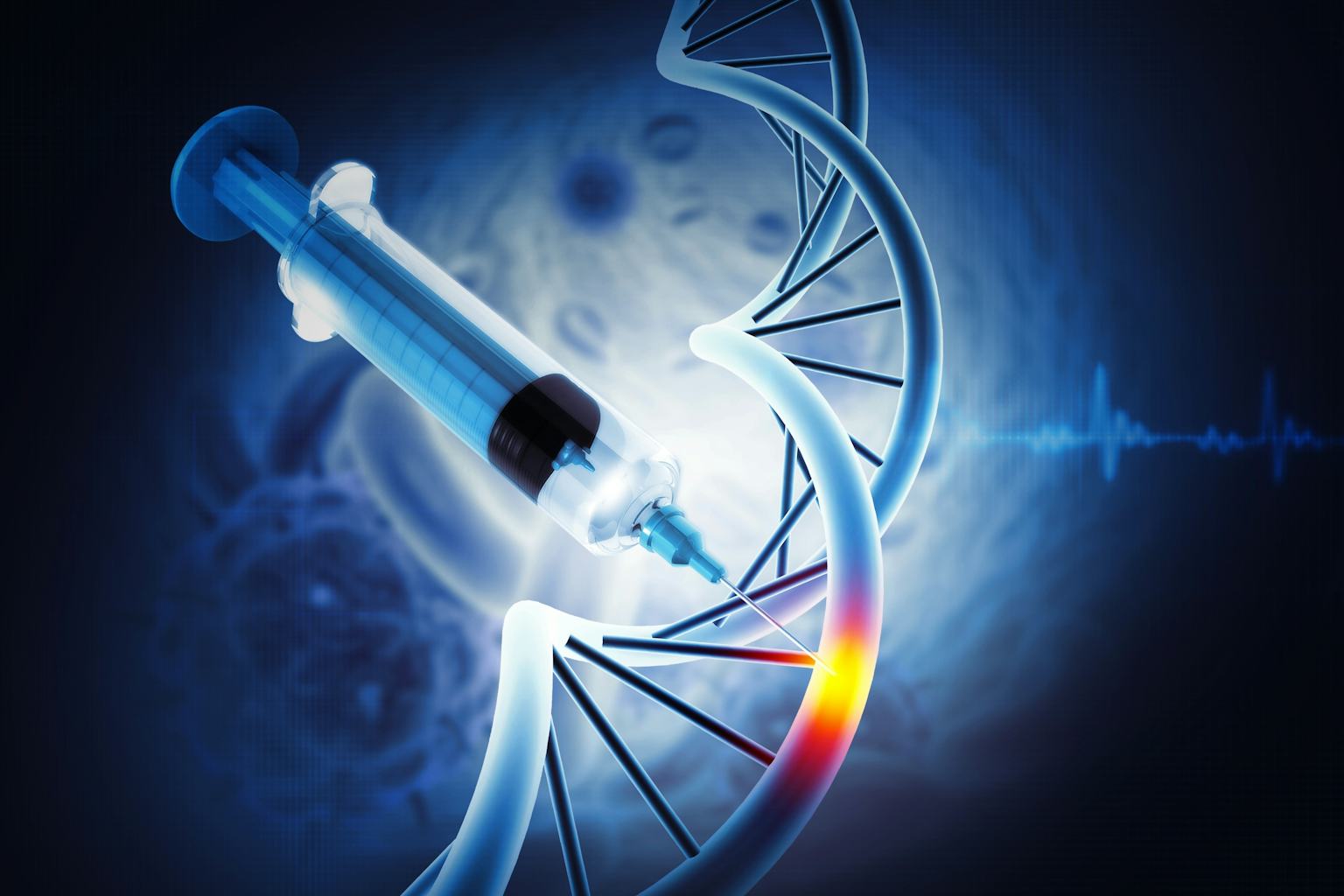
Gene therapy can be less effective in women – and my research in mice  brings us one step closer to understanding why

Cancer Immunotherapy

Another exciting application of CRISPR is in the field of cancer immunotherapy. One approach involves editing immune cells (T-cells) to enhance their ability to recognize and attack cancer cells. The technology enables the deletion of certain genes that inhibit immune function or the introduction of new genes that help the immune cells recognize cancer cells more effectively. This approach is currently being tested in clinical trials with some success.

For instance, researchers have used CRISPR to modify T-cells from patients with advanced cancers like lung cancer and melanoma, making them more aggressive in targeting tumor cells. The results, while still in early stages, suggest a potential future where personalized cancer therapies can be tailored to an individual’s genetic profile, greatly increasing the efficacy of treatments.

Inherited Genetic Disorders

Perhaps the most promising application of CRISPR in genetic medicine is in the treatment of inherited genetic disorders. Diseases like Cystic Fibrosis, Muscular Dystrophy, and Huntington’s Disease are caused by mutations in specific genes, and CRISPR offers the possibility of editing these mutations at the DNA level.

In the case of Cystic Fibrosis, a genetic disorder that affects the lungs and digestive system, CRISPR has been used to correct the faulty gene responsible for producing a dysfunctional protein. By making precise cuts in the DNA of lung cells, researchers were able to repair the mutation, opening the door to potential cures in the future. Though clinical application is still some years away, these successes in the lab are promising.


The Promise and Potential of CRISPR in the Future

While CRISPR’s present applications in genetic medicine are still in their infancy, the future holds vast potential. As we move forward, several areas seem poised for significant breakthroughs.

A Cure for Genetic Diseases?

The most compelling promise of CRISPR is the potential to cure genetic diseases. Diseases that were once considered incurable could become treatable, or even eradicated, through the application of CRISPR technology. The precision of CRISPR enables targeted interventions in the DNA, allowing for the correction of mutations at the source.

Consider Duchenne muscular dystrophy, a devastating genetic condition that causes muscle degeneration. Researchers are exploring the use of CRISPR to remove the faulty gene and replace it with a healthy version, restoring muscle function. Though challenges remain, the possibility of curing such diseases is no longer the stuff of science fiction.

Improved Treatments for Complex Diseases

In addition to single-gene disorders, CRISPR also holds promise for treating more complex diseases like heart disease and diabetes, which are influenced by multiple genes and environmental factors. By editing the genes associated with these diseases, researchers hope to either prevent their onset or significantly reduce their severity. While the path to treatments for complex diseases may be longer, CRISPR’s ability to target specific genes provides a powerful tool for tackling such challenges.

Precision Medicine

One of the most exciting aspects of CRISPR is its potential role in precision medicine—the tailoring of treatments based on an individual’s genetic makeup. With CRISPR, doctors could modify a patient’s cells to create a personalized treatment plan, reducing the risk of side effects and improving the likelihood of success. Whether it’s adjusting the immune system’s response to cancer, correcting a faulty gene responsible for a chronic condition, or even designing more effective vaccines, CRISPR’s ability to fine-tune genetic material makes it an invaluable tool in the pursuit of personalized healthcare.


Ethical Considerations and Challenges

Despite its promise, CRISPR technology raises significant ethical concerns that must be addressed before it becomes a mainstream medical tool.

Gene Editing in Embryos

Personalized Medicine | Future Problem Solving

One of the most controversial aspects of CRISPR is the possibility of editing human embryos. While altering an embryo’s genes could prevent inherited diseases, it also opens the door to creating “designer babies” where parents could potentially select for traits like intelligence, height, or physical appearance. This raises fundamental questions about the limits of genetic manipulation and the potential for inequality and discrimination.

Currently, most countries have strict regulations preventing embryo editing for non-therapeutic purposes. However, the possibility remains, and the ethical debate surrounding it will only intensify as CRISPR technology becomes more advanced.

Off-Target Effects

Another concern is the risk of off-target effects, where CRISPR could accidentally alter unintended parts of the genome, potentially causing harmful mutations. While CRISPR’s precision is one of its greatest strengths, no technology is perfect, and researchers are working tirelessly to improve its accuracy. Reducing the risk of off-target effects is crucial before CRISPR can be safely and widely applied to humans.

Equity and Access

As with many emerging technologies, CRISPR raises questions of equity and access. If CRISPR-based therapies become widely available, will they be accessible to everyone, or only to the wealthy? The potential to cure genetic diseases could lead to profound disparities in healthcare access, and ensuring that these treatments reach underserved populations will be a significant challenge.


Looking Ahead: CRISPR’s Future in Medicine

The potential for CRISPR in genetic medicine is vast, and the next few years will likely witness groundbreaking advances. As researchers refine the technology, improve its accuracy, and address ethical concerns, we may find ourselves at the threshold of a new era in medicine, where genetic disorders are not just treated but eradicated.

While there are many hurdles still to overcome, CRISPR offers hope to millions of patients worldwide, and the pace of progress is accelerating. With continued research, regulatory oversight, and ethical consideration, CRISPR may soon be the tool that transforms the way we think about medicine, disease, and human genetics.


Conclusion

In conclusion, CRISPR is indeed poised to revolutionize the field of genetic medicine. From its potential to cure genetic disorders to its promise in personalized treatments for complex diseases, the future of CRISPR is bright. However, the journey ahead is not without its challenges—ethical concerns, technical limitations, and questions of equity will need to be addressed before this technology can reach its full potential. But one thing is certain: CRISPR has already changed the landscape of genetic medicine, and the future looks increasingly exciting.



Tags: Aging ResearchCRISPRGeneticsInnovation
ShareTweetShare

Related Posts

Will We Ever Live on Mars? And Should We?
Breakthroughs

Will We Ever Live on Mars? And Should We?

December 2, 2025
Are We on the Brink of a Green Energy Revolution?
Breakthroughs

Are We on the Brink of a Green Energy Revolution?

December 1, 2025
Can Mind-Controlled Technology Revolutionize Communication?
Breakthroughs

Can Mind-Controlled Technology Revolutionize Communication?

November 30, 2025
What If We Could 3D Print Human Organs?
Breakthroughs

What If We Could 3D Print Human Organs?

November 29, 2025
Can Autonomous Vehicles Surpass Human Drivers in Safety?
Breakthroughs

Can Autonomous Vehicles Surpass Human Drivers in Safety?

November 28, 2025
Genomic Editing the Key to Immortality?
Breakthroughs

Genomic Editing the Key to Immortality?

November 27, 2025
Leave Comment
  • Trending
  • Comments
  • Latest
Can Sustainability Drive Profits in Competitive Markets?

Can Sustainability Drive Profits in Competitive Markets?

October 17, 2025
Can the Spotlight Make or Break Your Career?

Can the Spotlight Make or Break Your Career?

October 14, 2025
Does the Spotlight Always Equal Success?

Does the Spotlight Always Equal Success?

October 16, 2025
Can the Spotlight Truly Capture the Essence of a Person?

Can the Spotlight Truly Capture the Essence of a Person?

October 16, 2025
Can Bionics Redefine Human Limitations?

Can Bionics Redefine Human Limitations?

Is Bionics the Future of Prosthetics?

Is Bionics the Future of Prosthetics?

Can We Truly Integrate Technology with Biology?

Can We Truly Integrate Technology with Biology?

How Close Are We to Creating Bionic Organs?

How Close Are We to Creating Bionic Organs?

How Can Spotlights Elevate Your Interior Design Game?

How Can Spotlights Elevate Your Interior Design Game?

December 2, 2025
Will We Ever Live on Mars? And Should We?

Will We Ever Live on Mars? And Should We?

December 2, 2025
Bionics: The Key to Human Immortality?

Bionics: The Key to Human Immortality?

December 2, 2025
How Can Data Privacy be Maintained in a Hyperconnected World?

How Can Data Privacy be Maintained in a Hyperconnected World?

December 2, 2025
CyberGait

Our content caters to engineers, researchers, and tech enthusiasts alike. Through focused articles on algorithms, biomimicry, and industry trends, we provide a comprehensive perspective on the future of movement, from laboratory breakthroughs to commercial products.

© 2025 cybergait.com. contacts:[email protected]

No Result
View All Result
  • Home
  • Bionics
  • Breakthroughs
  • Industry
  • Robotics
  • Spotlight

© 2025 cybergait.com. contacts:[email protected]

Welcome Back!

Login to your account below

Forgotten Password?

Retrieve your password

Please enter your username or email address to reset your password.

Log In