


























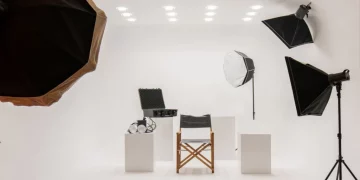

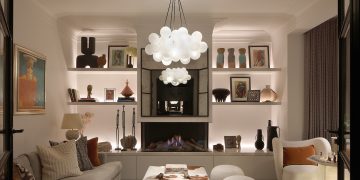
When it comes to interior design, lighting is often the unsung hero of a well-designed space. While chandeliers, pendant lights, and table lamps certainly have their place, spotlights hold a unique power in transforming any room into something extraordinary. These versatile, focused beams of light are more than just functional; they are tools that can enhance the aesthetic and atmosphere of your home or office with precision and style. In this article, we’ll explore how spotlights can elevate your interior design game, providing not just illumination but also an artistic touch that makes your space stand out.
The Power of Focused Lighting
Spotlights, by definition, are designed to shine a concentrated beam of light onto a specific area, object, or feature. Unlike traditional overhead lights, which diffuse light broadly across a room, spotlights allow you to create dynamic lighting effects that highlight particular elements of your interior design. This focused light draws attention, guiding the eye and enhancing the visual impact of the highlighted area.
The effect can be subtle or dramatic, depending on how you use them. Spotlights can be used to highlight architectural features, artwork, or even furniture, creating focal points within your space. The beauty of spotlights lies in their ability to turn ordinary elements into extraordinary ones, with a sharp and targeted beam that enhances the character of the room.
Accentuating Artwork and Wall Features
One of the most common uses for spotlights in interior design is to illuminate artwork. Whether it’s a large, bold painting or a small collection of photographs, spotlights can bring out the textures, colors, and details that might otherwise be lost in ambient light. The right placement of spotlights can create dramatic shadows that add depth and intrigue, making your artwork appear even more striking and layered.
In addition to paintings and sculptures, spotlights can highlight other wall features, such as textured surfaces, wall-mounted shelves, or architectural details like crown molding. By strategically positioning spotlights, you can transform the look of your walls, turning them from simple backdrops into vital components of the overall design.
Enhancing Mood with Adjustable Lighting
One of the most valuable aspects of spotlights is their flexibility. Many modern spotlight designs allow you to adjust the angle and intensity of the light. This adjustability means you can create a wide range of moods and atmospheres depending on the situation.
For example, in a living room or dining area, spotlights can provide bright, focused light for reading or entertaining. On the other hand, dimming the spotlights or adjusting the angle can create a softer, more intimate ambiance, perfect for relaxing after a long day. The ability to modify the spotlight’s direction and brightness makes them ideal for spaces that serve multiple functions throughout the day or evening.
Sculpting the Space with Shadow and Light
Lighting isn’t just about what you illuminate—it’s also about the shadows you create. Spotlights are particularly effective at sculpting a room by casting dramatic shadows that shape the space. The interplay of light and shadow can create a sense of depth and dimension, making even the smallest of rooms feel larger or more expansive.
For example, in a minimalist design, you can use spotlights to cast shadows on the floor or walls, creating interesting patterns that add texture and visual interest. By highlighting certain areas and leaving others in shadow, you can create a sense of mystery and drama, elevating the mood of the space.
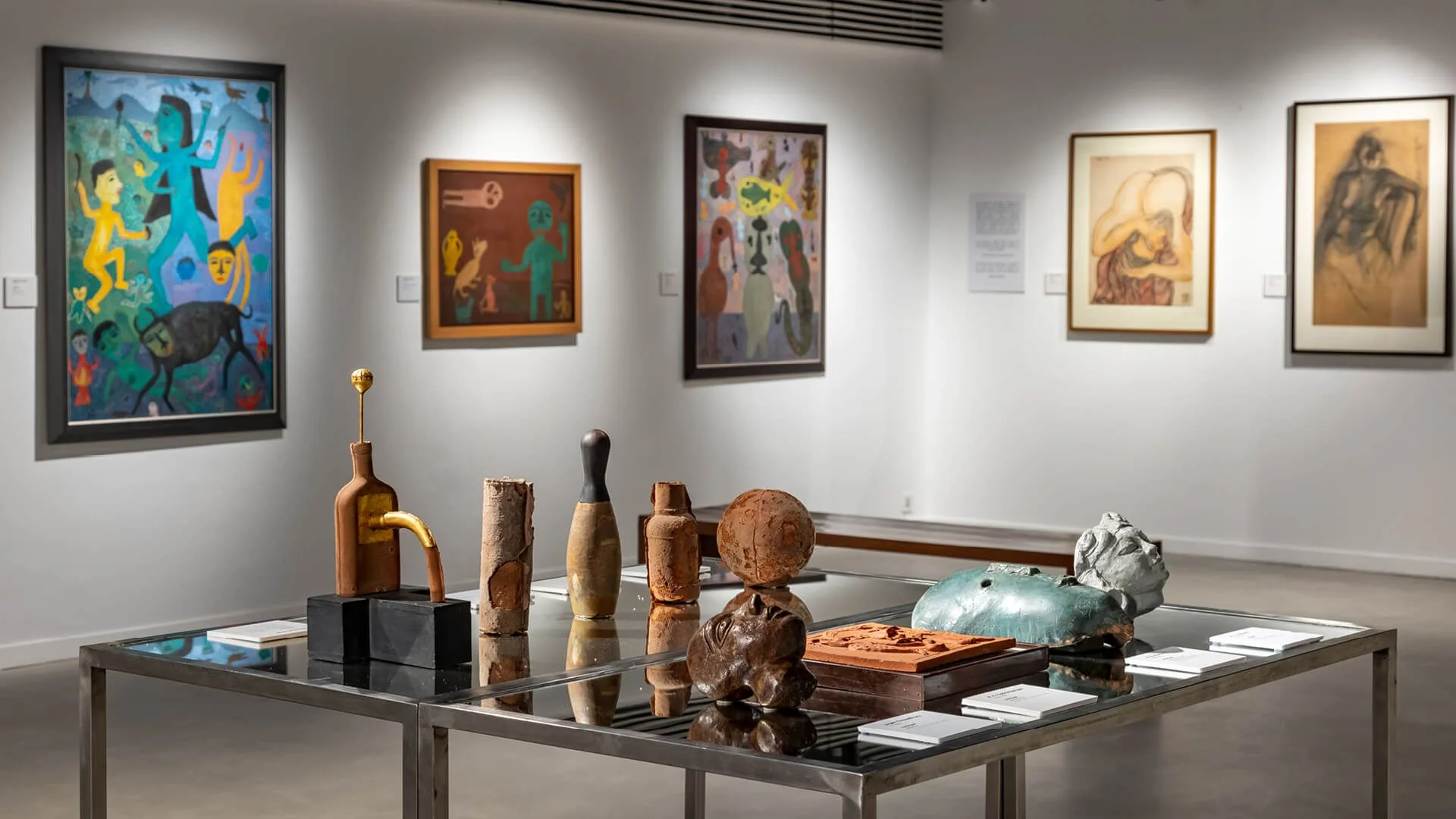
This sculptural effect works well in many types of rooms, from modern lofts to traditional homes. In fact, spotlights are often used in gallery spaces, where the goal is to create a curated atmosphere with a balance of light and shadow that focuses attention on the artwork and architectural details.
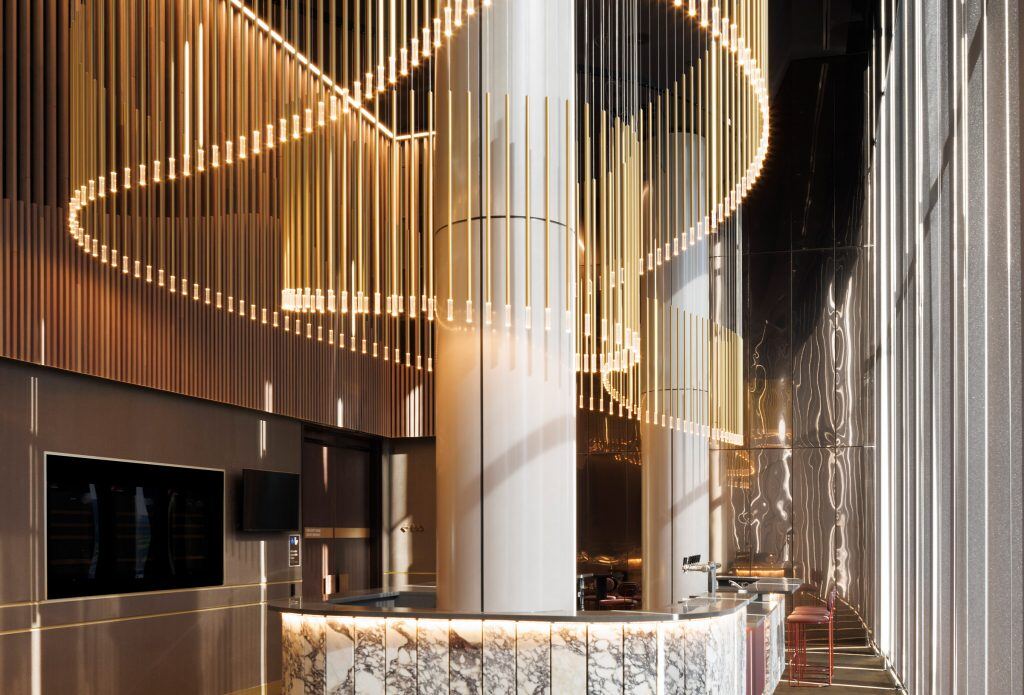
Creating a Gallery-Like Atmosphere
Speaking of galleries, one of the most effective ways to use spotlights is to design a gallery-like atmosphere in your home. Whether it’s a personal art collection, a wall of family photos, or a display of rare collectibles, spotlights can lend your space a museum-quality feel.
This approach works particularly well in larger, open spaces where you might want to create visual interest without cluttering the room with too much furniture or décor. By spotlighting key objects and features, you can draw attention to them in a way that feels deliberate and sophisticated.
Using spotlights to highlight your personal collections can make the space feel like a curated exhibit, adding a level of sophistication and refinement to your interior design. The key is to use just enough light to emphasize the objects without overwhelming them. This is where the ability to control the intensity and direction of spotlights comes in handy.
Layering Light for Versatility
In any well-designed space, lighting should never be one-dimensional. Instead, it should be layered to create depth and versatility. Spotlights are perfect for this, as they allow you to mix different types of lighting to achieve the ideal balance.
You can combine spotlights with other lighting sources, such as pendant lights, recessed lighting, and floor lamps, to create a varied lighting scheme. Spotlights can act as accent lighting, highlighting specific elements, while other fixtures can provide ambient or task lighting. The goal is to create a dynamic lighting design that allows you to adjust the mood and function of the room depending on your needs.
For example, in a home office, you might use spotlights to highlight key areas like a desk or bookshelves, while using ambient light to brighten the rest of the room. In a living room, spotlights might highlight architectural features or artwork, while overhead lights provide general illumination. The versatility of spotlights gives you the freedom to experiment with different lighting combinations to create a space that’s both functional and aesthetically pleasing.
Spotlighting Specific Design Styles
Different interior design styles can benefit from the use of spotlights in different ways. Let’s explore how spotlights can complement various design styles, from industrial lofts to contemporary spaces.
Modern and Contemporary Design
In modern or contemporary interiors, spotlights often play a key role in emphasizing clean lines, sleek surfaces, and minimalist aesthetics. Since these styles tend to favor open, uncluttered spaces, spotlights can help highlight architectural features like exposed beams, high ceilings, and geometric patterns.

In a contemporary living room or dining area, for example, spotlights can be used to illuminate a bold piece of art, while other lighting sources provide soft, even illumination for the rest of the space. The combination of spotlights and minimal décor creates a balanced, sophisticated look that’s modern without feeling cold or sterile.
Industrial Design
Spotlights are also a natural fit for industrial-style interiors, which often incorporate raw materials like exposed brick, steel, and wood. The harsh, focused light of spotlights works well in these environments, where the goal is to create an edgy, utilitarian look with a touch of modernity.
In industrial spaces, you can use spotlights to highlight architectural elements such as exposed ductwork, steel beams, or concrete walls. These features become even more dramatic when illuminated by spotlights, adding an urban, gritty feel to the room. The combination of bold lighting and raw materials creates a striking contrast that’s both functional and stylish.
Traditional and Rustic Design
Even in more traditional or rustic settings, spotlights can make a difference. In these designs, spotlights can be used more subtly to accentuate the natural textures of wood, stone, or brick, which are often key elements in rustic interiors.
For instance, a spotlight directed at a stone fireplace can make it the focal point of the room, drawing attention to its texture and warmth. Similarly, a spotlight can be used to highlight a vintage mirror or a collection of antique furniture. The key is to balance the focused light with softer, more ambient lighting that complements the warmth and charm of traditional spaces.
Scandinavian and Nordic Interiors
In Scandinavian interiors, where simplicity and functionality are key, spotlights can be used to add a touch of drama without overwhelming the space. Whether in a living room, kitchen, or hallway, spotlights can highlight clean lines, minimalist furniture, and natural textures.
For example, spotlights can be used to emphasize a single, striking piece of art or an interesting architectural feature, while the rest of the room remains softly lit. This style benefits from the ability to adjust the spotlight’s direction and intensity, allowing you to tailor the lighting to the mood you want to create.
Practical Tips for Using Spotlights
While spotlights are powerful tools for interior design, their impact depends on how and where they’re used. Here are some practical tips for getting the most out of your spotlight setup:
- Positioning is Key: The placement of spotlights is crucial. Aim to position them in a way that creates balance and highlights the right areas of the room. Use adjustable spotlights to direct light where you need it most.
- Use Dimming Features: If possible, install dimmable spotlights to control the intensity of the light. This will allow you to adjust the atmosphere of the room depending on the time of day or your activities.
- Experiment with Angles: Don’t be afraid to experiment with different angles to create interesting lighting effects. Spotlights can cast shadows and highlights that add depth to your design.
- Combine with Other Lighting: Spotlights are great as accent lighting, but they work best when combined with other sources of light, such as pendant lights or recessed lighting. Layering different types of lighting gives you the most flexibility.
- Consider the Color Temperature: The color temperature of your spotlights can influence the mood of your space. Warm white light creates a cozy, inviting atmosphere, while cool white light can make a room feel more modern and energizing.
- Focus on Key Features: Use spotlights to accentuate key features of the room, whether that’s artwork, furniture, or architectural details. Avoid over-lighting the entire room with spotlights; instead, use them strategically to highlight what matters most.
Conclusion
Spotlights are an essential tool for any interior designer looking to add drama, sophistication, and versatility to a space. Their focused, adjustable light can create stunning effects that highlight specific areas, draw attention to important features, and enhance the overall atmosphere of the room. Whether you’re aiming for a modern, minimalist vibe or a more traditional, rustic aesthetic, spotlights can be the perfect finishing touch to bring your interior design vision to life.
By experimenting with angles, intensities, and combinations of lighting, you can transform any space into a work of art. With spotlights, lighting becomes not just a functional element, but a design feature that shapes the way you experience the room. So, if you’re ready to elevate your interior design game, consider adding spotlights to your lighting plan—and watch your space come to life in ways you never imagined.