















CyberGait
  • Home
  • Bionics
    Bionics: The Key to Human Immortality?

    Bionics: The Key to Human Immortality?

    Bionic Organs: Can They Save Lives or Create New Ethical Dilemmas?

    Bionic Organs: Can They Save Lives or Create New Ethical Dilemmas?

    The Future of Prosthetics: Is It Fully Bionic?

    The Future of Prosthetics: Is It Fully Bionic?

    What Happens When Bionics Merge with Artificial Intelligence?

    What Happens When Bionics Merge with Artificial Intelligence?

    Bionic Enhancements: Could They Improve Our Cognitive Abilities?

    Bionic Enhancements: Could They Improve Our Cognitive Abilities?

    How Far Can Bionic Eyes Take Us Beyond Human Vision?

    How Far Can Bionic Eyes Take Us Beyond Human Vision?

  • Breakthroughs
    Will We Ever Live on Mars? And Should We?

    Will We Ever Live on Mars? And Should We?

    Are We on the Brink of a Green Energy Revolution?

    Are We on the Brink of a Green Energy Revolution?

    Can Mind-Controlled Technology Revolutionize Communication?

    Can Mind-Controlled Technology Revolutionize Communication?

    What If We Could 3D Print Human Organs?

    What If We Could 3D Print Human Organs?

    Can Autonomous Vehicles Surpass Human Drivers in Safety?

    Can Autonomous Vehicles Surpass Human Drivers in Safety?

    Genomic Editing the Key to Immortality?

    Genomic Editing the Key to Immortality?

  • Industry
    How Can Data Privacy be Maintained in a Hyperconnected World?

    How Can Data Privacy be Maintained in a Hyperconnected World?

    Is the Gig Economy the Future of Employment?

    Is the Gig Economy the Future of Employment?

    Can Startups Compete with Corporate Giants in Innovation?

    Can Startups Compete with Corporate Giants in Innovation?

    The Future of Work: Truly Remote or Hybrid?

    The Future of Work: Truly Remote or Hybrid?

    How Does Blockchain Impact Global Supply Chains?

    How Does Blockchain Impact Global Supply Chains?

    Are We Overestimating the Power of Automation?

    Are We Overestimating the Power of Automation?

  • Robotics
    Can Robots Adapt to Unpredictable Real-World Environments?

    Can Robots Adapt to Unpredictable Real-World Environments?

    Will Robots Achieve True Autonomy or Always Need Human Oversight?

    Will Robots Achieve True Autonomy or Always Need Human Oversight?

    What Happens When Robots Start Designing Robots?

    What Happens When Robots Start Designing Robots?

    Are We Ready for Robots to Shape Our Creative Industries?

    Are We Ready for Robots to Shape Our Creative Industries?

    Could Robots One Day Replace Human Emotions in Caregiving?

    Could Robots One Day Replace Human Emotions in Caregiving?

    How Do We Ensure Robot Ethics in Autonomous Machines?

    How Do We Ensure Robot Ethics in Autonomous Machines?

  • Spotlight
    How Can Spotlights Elevate Your Interior Design Game?

    How Can Spotlights Elevate Your Interior Design Game?

    What Happens When You Use a Spotlight for Intimate Portraits?

    What Happens When You Use a Spotlight for Intimate Portraits?

    Why Do Spotlight Effects Matter in Cinematic Storytelling?

    Why Do Spotlight Effects Matter in Cinematic Storytelling?

    Could Spotlighting Be the Key to Perfect Product Photography?

    Could Spotlighting Be the Key to Perfect Product Photography?

    Spotlight Technology Changing the Future of Stage Design

    Spotlight Technology Changing the Future of Stage Design

    How Do Different Spotlights Affect Mood and Atmosphere?

    How Do Different Spotlights Affect Mood and Atmosphere?

CyberGait
  • Home
  • Bionics
    Bionics: The Key to Human Immortality?

    Bionics: The Key to Human Immortality?

    Bionic Organs: Can They Save Lives or Create New Ethical Dilemmas?

    Bionic Organs: Can They Save Lives or Create New Ethical Dilemmas?

    The Future of Prosthetics: Is It Fully Bionic?

    The Future of Prosthetics: Is It Fully Bionic?

    What Happens When Bionics Merge with Artificial Intelligence?

    What Happens When Bionics Merge with Artificial Intelligence?

    Bionic Enhancements: Could They Improve Our Cognitive Abilities?

    Bionic Enhancements: Could They Improve Our Cognitive Abilities?

    How Far Can Bionic Eyes Take Us Beyond Human Vision?

    How Far Can Bionic Eyes Take Us Beyond Human Vision?

  • Breakthroughs
    Will We Ever Live on Mars? And Should We?

    Will We Ever Live on Mars? And Should We?

    Are We on the Brink of a Green Energy Revolution?

    Are We on the Brink of a Green Energy Revolution?

    Can Mind-Controlled Technology Revolutionize Communication?

    Can Mind-Controlled Technology Revolutionize Communication?

    What If We Could 3D Print Human Organs?

    What If We Could 3D Print Human Organs?

    Can Autonomous Vehicles Surpass Human Drivers in Safety?

    Can Autonomous Vehicles Surpass Human Drivers in Safety?

    Genomic Editing the Key to Immortality?

    Genomic Editing the Key to Immortality?

  • Industry
    How Can Data Privacy be Maintained in a Hyperconnected World?

    How Can Data Privacy be Maintained in a Hyperconnected World?

    Is the Gig Economy the Future of Employment?

    Is the Gig Economy the Future of Employment?

    Can Startups Compete with Corporate Giants in Innovation?

    Can Startups Compete with Corporate Giants in Innovation?

    The Future of Work: Truly Remote or Hybrid?

    The Future of Work: Truly Remote or Hybrid?

    How Does Blockchain Impact Global Supply Chains?

    How Does Blockchain Impact Global Supply Chains?

    Are We Overestimating the Power of Automation?

    Are We Overestimating the Power of Automation?

  • Robotics
    Can Robots Adapt to Unpredictable Real-World Environments?

    Can Robots Adapt to Unpredictable Real-World Environments?

    Will Robots Achieve True Autonomy or Always Need Human Oversight?

    Will Robots Achieve True Autonomy or Always Need Human Oversight?

    What Happens When Robots Start Designing Robots?

    What Happens When Robots Start Designing Robots?

    Are We Ready for Robots to Shape Our Creative Industries?

    Are We Ready for Robots to Shape Our Creative Industries?

    Could Robots One Day Replace Human Emotions in Caregiving?

    Could Robots One Day Replace Human Emotions in Caregiving?

    How Do We Ensure Robot Ethics in Autonomous Machines?

    How Do We Ensure Robot Ethics in Autonomous Machines?

  • Spotlight
    How Can Spotlights Elevate Your Interior Design Game?

    How Can Spotlights Elevate Your Interior Design Game?

    What Happens When You Use a Spotlight for Intimate Portraits?

    What Happens When You Use a Spotlight for Intimate Portraits?

    Why Do Spotlight Effects Matter in Cinematic Storytelling?

    Why Do Spotlight Effects Matter in Cinematic Storytelling?

    Could Spotlighting Be the Key to Perfect Product Photography?

    Could Spotlighting Be the Key to Perfect Product Photography?

    Spotlight Technology Changing the Future of Stage Design

    Spotlight Technology Changing the Future of Stage Design

    How Do Different Spotlights Affect Mood and Atmosphere?

    How Do Different Spotlights Affect Mood and Atmosphere?

CyberGait
No Result
View All Result
Home Robotics

Can Robots Adapt to Unpredictable Real-World Environments?

December 2, 2025
in Robotics
Can Robots Adapt to Unpredictable Real-World Environments?

In recent years, the field of robotics has made tremendous strides, pushing the boundaries of what machines are capable of doing. From autonomous vehicles to robotic surgery, robots have started to infiltrate every aspect of human life. However, one of the biggest challenges they face is adapting to unpredictable real-world environments. Unlike controlled settings, such as factory floors, where robots can perform repetitive tasks with ease, the real world is chaotic, unpredictable, and filled with variables that are difficult to account for.

This article explores the question: Can robots adapt to unpredictable real-world environments? We will examine the various hurdles robots must overcome, the technological advancements that are being made to address these challenges, and the potential future of adaptive robotics.

1. The Complexity of Real-World Environments

The real world is a messy place. In nature, environments are constantly changing, influenced by factors such as weather, lighting, terrain, and human behavior. Unlike a factory or warehouse, which can be meticulously controlled and standardized, real-world environments are highly dynamic.

For robots to thrive in such conditions, they need to be able to perceive their surroundings accurately, process a wide array of information in real-time, and make decisions on the fly. In short, they must have the capability to adapt to an ever-changing world.

One of the key issues here is uncertainty. Sensors, such as cameras and lidar, are often used to gather data about the environment, but these sensors can only provide a partial and sometimes ambiguous view of the world. For example, a camera may struggle to detect objects in low light conditions, while lidar may have trouble with reflective surfaces or poor weather conditions. Robots need to have robust algorithms to handle this uncertainty and still make reliable decisions.

2. The Role of AI and Machine Learning

Artificial intelligence (AI) and machine learning (ML) have become essential components of modern robotics. These technologies allow robots to learn from experience, improving their performance over time. For robots to adapt to unpredictable environments, they need to be able to process massive amounts of data, recognize patterns, and make decisions based on incomplete or uncertain information.

In traditional robotics, robots were programmed to follow a set of predetermined instructions. However, this approach is insufficient for real-world environments where variables constantly change. With AI and ML, robots can be trained using large datasets to recognize patterns and make decisions based on past experiences.

For example, a robot in a warehouse might use machine learning to improve its navigation skills by learning from previous encounters with obstacles. Over time, it will learn how to avoid these obstacles and optimize its path to reduce errors and improve efficiency. Similarly, in an autonomous car, AI enables the vehicle to make real-time decisions based on data from its sensors, helping it navigate complex traffic situations.

3. Robotic Perception and Sensory Integration
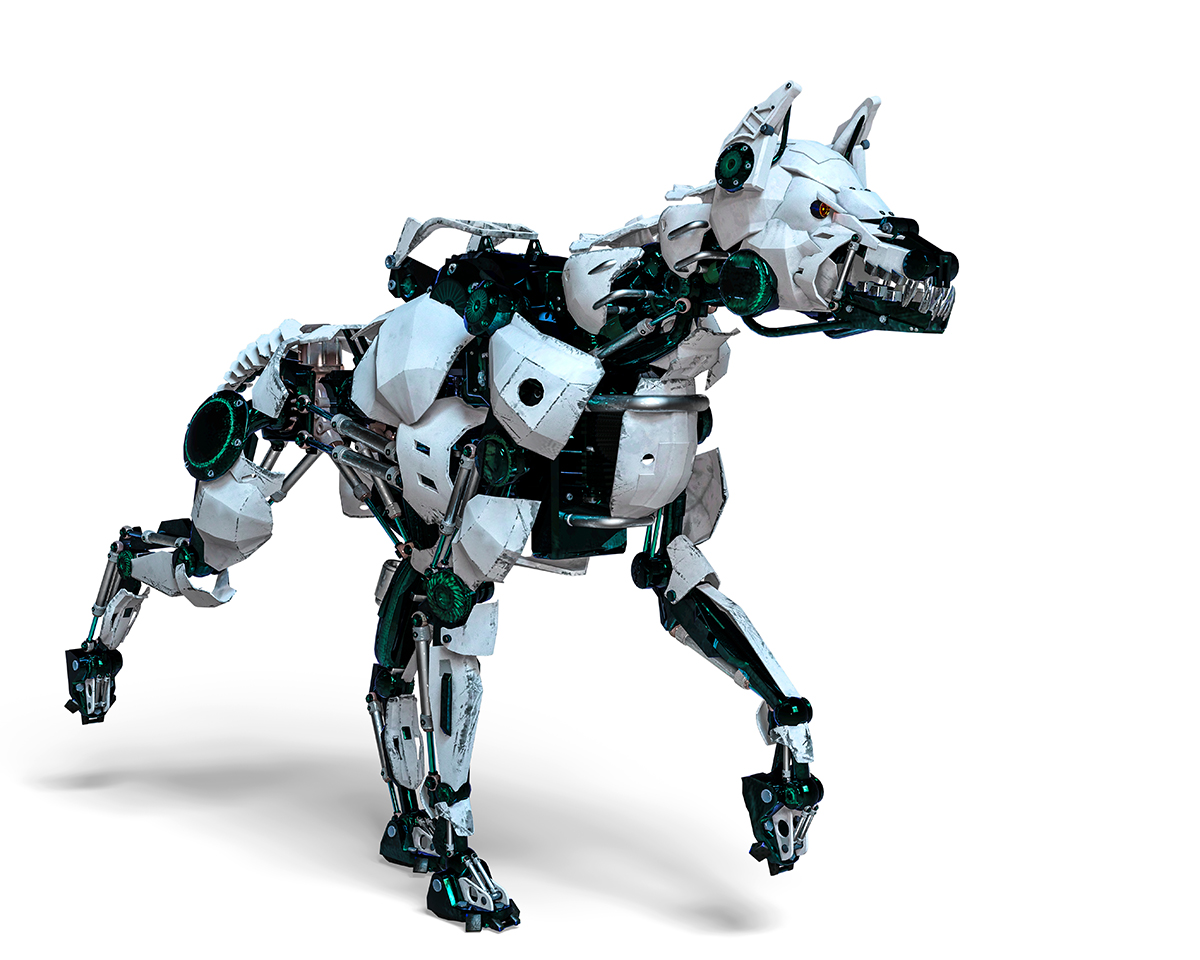
Machine learning for autonomous AI systems and robotics

A robot’s ability to perceive and understand its environment is critical to its success in unpredictable settings. Traditional robots used simple sensors like proximity sensors or bumpers to detect obstacles, but these sensors are limited in their ability to offer a complete picture of the world around them.

Modern robots use a combination of sensors—cameras, lidar, radar, and infrared—to gather more comprehensive data. However, these sensors come with their own challenges. For instance, cameras might be good at identifying shapes and colors but may struggle with depth perception or detecting certain materials. Lidar can map an environment in 3D, but its performance can be affected by rain, fog, or snow.

To tackle these challenges, robots need to use a technique called sensor fusion. This involves combining data from multiple sensors to create a more complete and accurate picture of the environment. By integrating information from different sources, robots can compensate for the limitations of individual sensors and improve their overall perception.

One of the most promising developments in robotic perception is the use of deep learning, a subset of machine learning, to enhance sensory data interpretation. Through deep neural networks, robots can be trained to recognize complex patterns, objects, and behaviors in real time. This capability allows them to make better decisions in dynamic and unpredictable environments.

4. Autonomous Mobility and Navigation

Another major challenge for robots in unpredictable environments is navigation. In a factory setting, robots can follow predefined paths and avoid obstacles with relative ease. However, when faced with an unfamiliar environment—such as a crowded street, a cluttered room, or an outdoor landscape—robots must be able to navigate with minimal prior knowledge.

Robotic mobility involves not just avoiding obstacles but also dealing with dynamic elements such as pedestrians, vehicles, animals, or unexpected changes in terrain. Autonomous navigation requires a robot to assess the terrain, predict the movement of other objects, and continuously update its path based on new information.

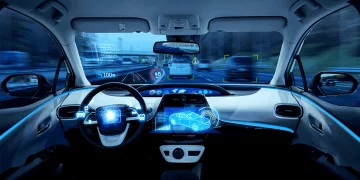
Autonomous vehicles provide a compelling example of this challenge. To drive safely in a city, an autonomous car must deal with a wide range of unpredictable situations, such as pedestrians stepping into the street, cyclists swerving around traffic, and other vehicles making sudden stops. These situations require the car to make split-second decisions based on its perception of the environment.
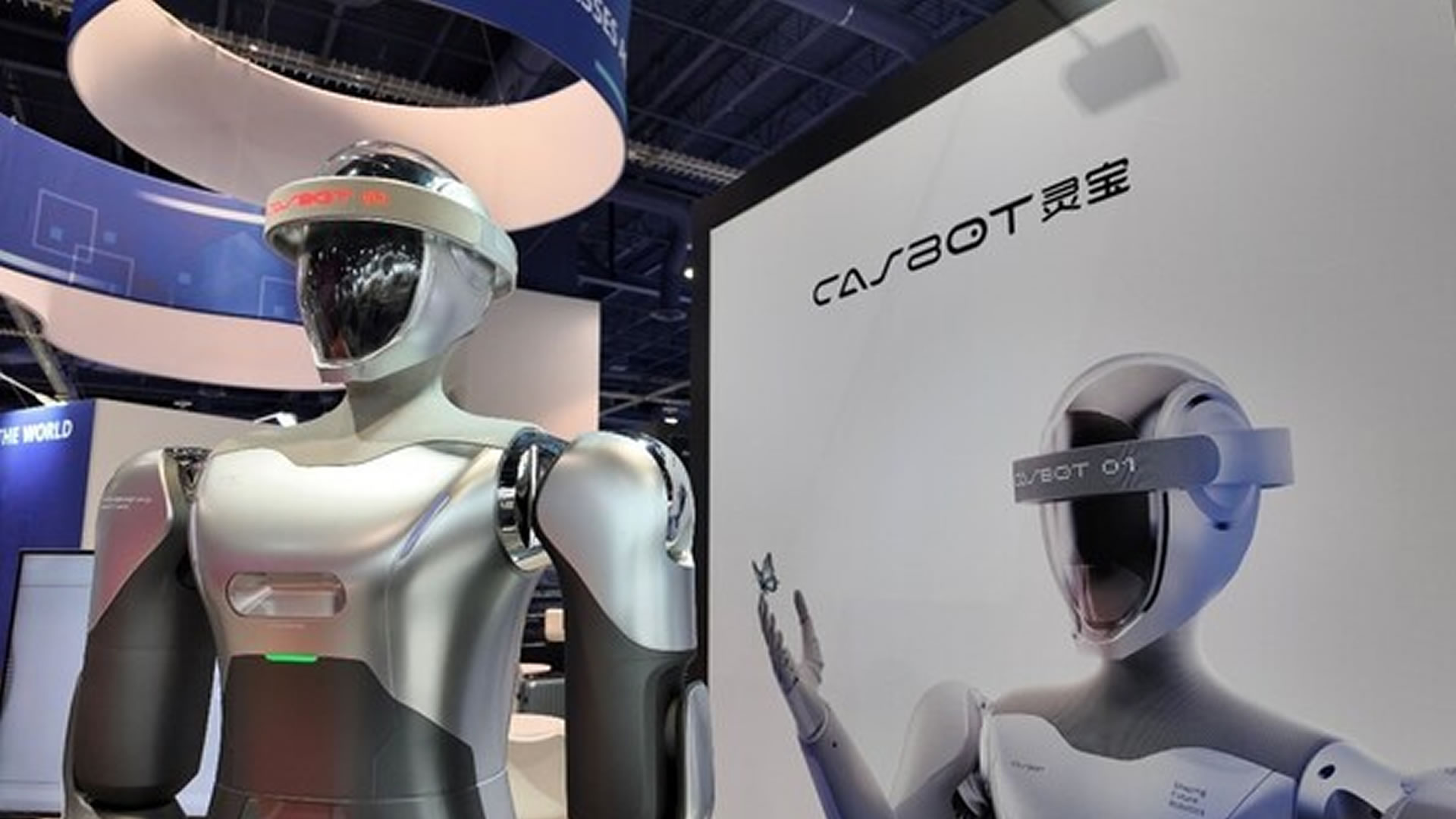
Top 7 cutting-edge robots that stole the show at CES 2025

Robots like autonomous cars use a combination of techniques, including simultaneous localization and mapping (SLAM), to understand their position in the environment and create a real-time map of their surroundings. Through continuous updates and adjustments, these robots can navigate in ever-changing conditions.

5. Real-Time Decision-Making

In unpredictable environments, robots must be capable of making decisions on the fly. This requires advanced algorithms that can process sensory data and compute optimal actions in real time.

Reinforcement learning (RL) is one such algorithm that allows robots to learn from trial and error. In RL, a robot is rewarded for taking actions that lead to a desirable outcome and penalized for making mistakes. Over time, the robot learns to optimize its behavior based on this feedback. This is particularly useful in environments where the robot cannot rely on a fixed set of instructions but must instead adapt based on its interactions with the world.

For example, in a search-and-rescue mission, a robot might need to navigate an unpredictable environment filled with obstacles and unknown hazards. Through reinforcement learning, the robot can improve its ability to navigate and identify objects, gradually increasing its chances of success.

Real-time decision-making also involves dealing with trade-offs between safety, efficiency, and speed. A robot might need to slow down to avoid an obstacle or take a longer route to avoid a potentially dangerous situation. The ability to balance these factors is crucial for successful adaptation to unpredictable environments.

6. Human-Robot Interaction

In many real-world environments, robots need to work alongside humans, and this introduces additional challenges. The unpredictability of human behavior, in particular, can complicate a robot’s ability to adapt. Unlike machines, humans are not predictable, and they often make decisions that robots may not be prepared for.

To adapt to human behavior, robots need to understand social cues, interpret body language, and predict human actions. This is especially important in collaborative environments, such as factories, warehouses, and healthcare settings, where robots work alongside humans.

Recent advancements in human-robot interaction (HRI) have enabled robots to communicate with humans more effectively. Through natural language processing (NLP) and gesture recognition, robots can interpret human instructions, provide feedback, and even collaborate on tasks. However, the unpredictability of human behavior remains a challenge, as robots must constantly adjust to new situations and unforeseen interactions.

7. The Future of Adaptive Robotics

Looking ahead, the future of adaptive robotics is incredibly promising. As technology continues to advance, robots will become better at adapting to unpredictable environments. Here are some of the key trends and developments to watch for:

  • Improved AI and Machine Learning Models: With ongoing improvements in AI and machine learning, robots will become increasingly adept at recognizing patterns, making decisions, and learning from experience. This will enable them to handle more complex and unpredictable environments with greater efficiency.
  • Enhanced Sensory Capabilities: The next generation of sensors will provide robots with even more accurate and detailed data about their surroundings. With better sensory capabilities, robots will be able to perceive and interact with the environment in more sophisticated ways.
  • Collaboration with Humans: As robots become more adept at interacting with humans, we will see greater collaboration between robots and people in everyday tasks. From helping with household chores to working alongside medical professionals, robots will become more integrated into society.
  • Autonomous Systems in Extreme Environments: Robots are already being used in extreme environments like deep-sea exploration and space missions. As technology improves, we can expect robots to operate autonomously in more unpredictable and dangerous environments, from disaster zones to outer space.

Conclusion

In conclusion, while robots still face significant challenges in adapting to unpredictable real-world environments, rapid advancements in AI, machine learning, perception, and mobility are pushing them closer to that goal. Through the integration of multiple technologies and the continuous refinement of algorithms, robots will become more adaptable, reliable, and capable of thriving in dynamic and uncertain settings. The future of robotics holds exciting possibilities, and as these machines continue to evolve, they will play an increasingly important role in our daily lives.

Tags: AI in RoboticsAutonomous RobotsRobot IntelligenceRobotics
ShareTweetShare

Related Posts

Will Robots Achieve True Autonomy or Always Need Human Oversight?
Robotics

Will Robots Achieve True Autonomy or Always Need Human Oversight?

December 1, 2025
What Happens When Robots Start Designing Robots?
Robotics

What Happens When Robots Start Designing Robots?

November 30, 2025
Are We Ready for Robots to Shape Our Creative Industries?
Robotics

Are We Ready for Robots to Shape Our Creative Industries?

November 29, 2025
Could Robots One Day Replace Human Emotions in Caregiving?
Robotics

Could Robots One Day Replace Human Emotions in Caregiving?

November 28, 2025
How Do We Ensure Robot Ethics in Autonomous Machines?
Robotics

How Do We Ensure Robot Ethics in Autonomous Machines?

November 27, 2025
Is AI the Next Evolution of Robotics or a Threat?
Robotics

Is AI the Next Evolution of Robotics or a Threat?

November 26, 2025
Leave Comment
  • Trending
  • Comments
  • Latest
Can Sustainability Drive Profits in Competitive Markets?

Can Sustainability Drive Profits in Competitive Markets?

October 17, 2025
Can the Spotlight Make or Break Your Career?

Can the Spotlight Make or Break Your Career?

October 14, 2025
Does the Spotlight Always Equal Success?

Does the Spotlight Always Equal Success?

October 16, 2025
Can the Spotlight Truly Capture the Essence of a Person?

Can the Spotlight Truly Capture the Essence of a Person?

October 16, 2025
Can Bionics Redefine Human Limitations?

Can Bionics Redefine Human Limitations?

Is Bionics the Future of Prosthetics?

Is Bionics the Future of Prosthetics?

Can We Truly Integrate Technology with Biology?

Can We Truly Integrate Technology with Biology?

How Close Are We to Creating Bionic Organs?

How Close Are We to Creating Bionic Organs?

How Can Spotlights Elevate Your Interior Design Game?

How Can Spotlights Elevate Your Interior Design Game?

December 2, 2025
Will We Ever Live on Mars? And Should We?

Will We Ever Live on Mars? And Should We?

December 2, 2025
Bionics: The Key to Human Immortality?

Bionics: The Key to Human Immortality?

December 2, 2025
How Can Data Privacy be Maintained in a Hyperconnected World?

How Can Data Privacy be Maintained in a Hyperconnected World?

December 2, 2025
CyberGait

Our content caters to engineers, researchers, and tech enthusiasts alike. Through focused articles on algorithms, biomimicry, and industry trends, we provide a comprehensive perspective on the future of movement, from laboratory breakthroughs to commercial products.

© 2025 cybergait.com. contacts:[email protected]

No Result
View All Result
  • Home
  • Bionics
  • Breakthroughs
  • Industry
  • Robotics
  • Spotlight

© 2025 cybergait.com. contacts:[email protected]

Welcome Back!

Login to your account below

Forgotten Password?

Retrieve your password

Please enter your username or email address to reset your password.

Log In