

























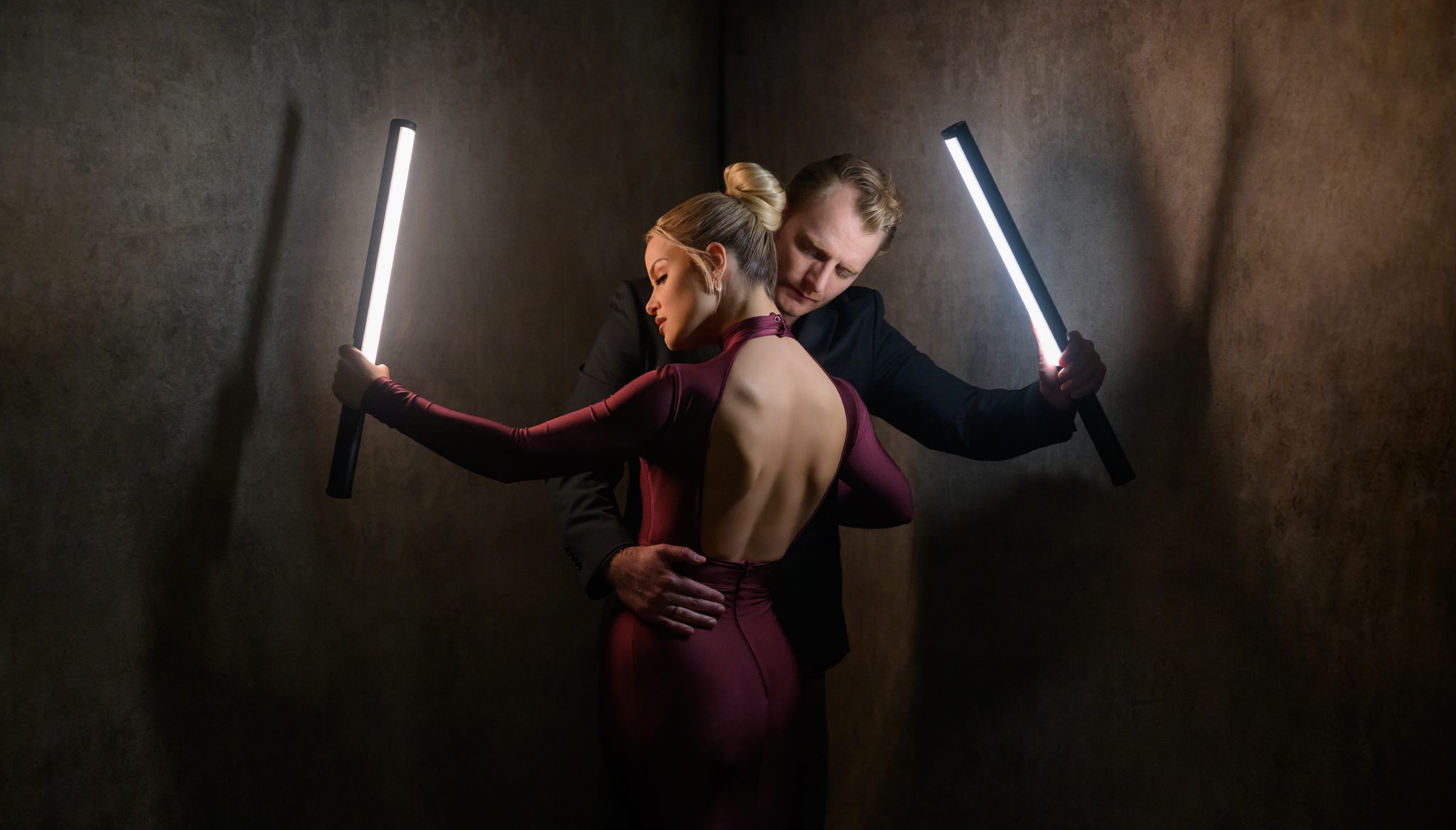
Lighting is an essential tool in the world of portrait photography. It can define the mood, emphasize textures, and manipulate how a subject is perceived. When it comes to intimate portraits, lighting plays a particularly crucial role in shaping the overall atmosphere and tone of the image. Among the myriad of lighting techniques available, the spotlight stands out as one of the most dramatic and striking ways to illuminate a subject.
This article explores the effects of using a spotlight for intimate portraits, examining how it influences composition, mood, texture, and subject perception. Through this deep dive, we’ll understand why a spotlight can be a powerful tool in the photographer’s kit, as well as how to use it effectively.
The Power of Focused Light
A spotlight, by definition, is a focused beam of light that highlights a particular area or subject. When applied to portrait photography, it does more than just illuminate—it draws attention to specific aspects of the subject’s face or body, creating a sense of intimacy and connection between the subject and the viewer. This precision of light helps separate the subject from the background, turning them into the focal point of the image.
The effect of using a spotlight is akin to placing the subject under a magnifying glass. The photographer can direct the viewer’s attention exactly where they want it, allowing them to emphasize specific features, expressions, or emotions. Whether it’s the soft contour of a cheek, the glint in a person’s eye, or the delicate fall of light on the fabric of a dress, a spotlight lets the photographer make an artistic statement with light.
Creating Contrast and Mood
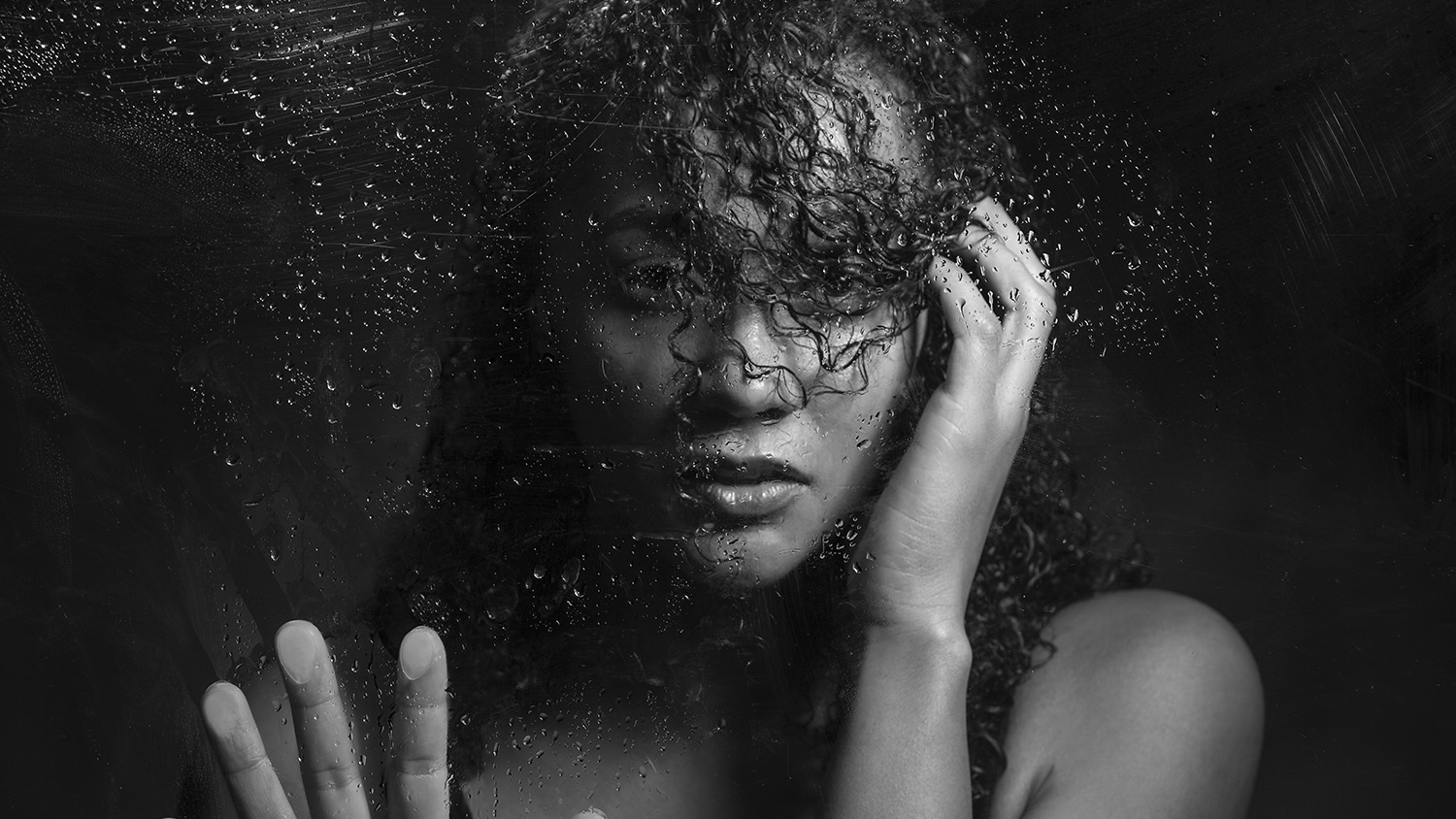
One of the key effects of using a spotlight is its ability to create sharp contrasts within the image. By illuminating only part of the subject’s face or body, the spotlight leaves the rest in shadow, crafting a stark difference between light and dark. This high-contrast lighting often results in a more dramatic, moody atmosphere—perfect for intimate portraits that require a sense of mystery or depth.
The contrast between light and shadow can evoke strong emotional responses. For example, a shadowed face with only the eyes illuminated can communicate feelings of vulnerability, secrecy, or introspection. Alternatively, illuminating just the silhouette of a subject can evoke a sense of power, strength, or even loneliness. In this way, the spotlight becomes a storytelling tool, helping to convey complex emotions in a single image.
Sculpting the Subject’s Features
When a spotlight is used in portraiture, it doesn’t just light the subject; it shapes them. The angle, intensity, and placement of the light can change the way a subject’s features are perceived. Light falling from above, for example, will cast shadows under the chin, creating a more defined jawline. Side lighting can accentuate cheekbones and texture in the skin. A light that comes from below can create an unsettling, unnatural effect—something often seen in horror or thriller photography.
For intimate portraits, subtlety is key. The right positioning of the spotlight can highlight the subject’s most flattering features while minimizing imperfections. Photographers might choose to use a soft spotlight to gently illuminate the skin’s texture, adding warmth and smoothness. Alternatively, a harder, more direct spotlight could add sharp shadows and rougher contrasts, lending the portrait a raw, unpolished feeling.
Enhancing Mood with Color Temperature
Spotlights come in various color temperatures, which directly influence the mood of the portrait. A warm, golden light—often associated with tungsten bulbs—creates a feeling of comfort, intimacy, and even nostalgia. This light might be used in a portrait to evoke tenderness or affection. On the other hand, a cool spotlight with a bluish hue can make a portrait feel colder, more detached, and more contemporary. The color temperature chosen for the spotlight, therefore, plays a pivotal role in communicating the emotional tone of the image.
Many intimate portraits leverage this ability to play with color temperature in creative ways. For example, a photographer might combine a warm spotlight on the subject’s face with cooler light falling on the background or surrounding environment. This adds dimension and visual interest while highlighting the subject as the central emotional point of the photograph.
Focusing Attention and Defining the Environment
The use of a spotlight doesn’t just serve to illuminate the subject—it also defines the surrounding environment. The harsh, narrow beam of light isolates the subject from the background, turning the background into a nearly forgotten shadow. This effect, often referred to as “vignetting,” can make the subject appear almost as though they are suspended in space, giving the portrait a timeless or otherworldly quality.
In intimate portraits, the background is often intentionally de-emphasized in order to heighten the focus on the subject. A darkened background with a sharply lit subject ensures that all attention remains on the person, whether that is to highlight their emotion, personality, or physical features. This visual isolation can foster a sense of intimacy, as if the subject is the sole focus of the viewer’s gaze.
Layering Light and Depth
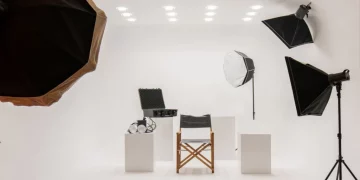
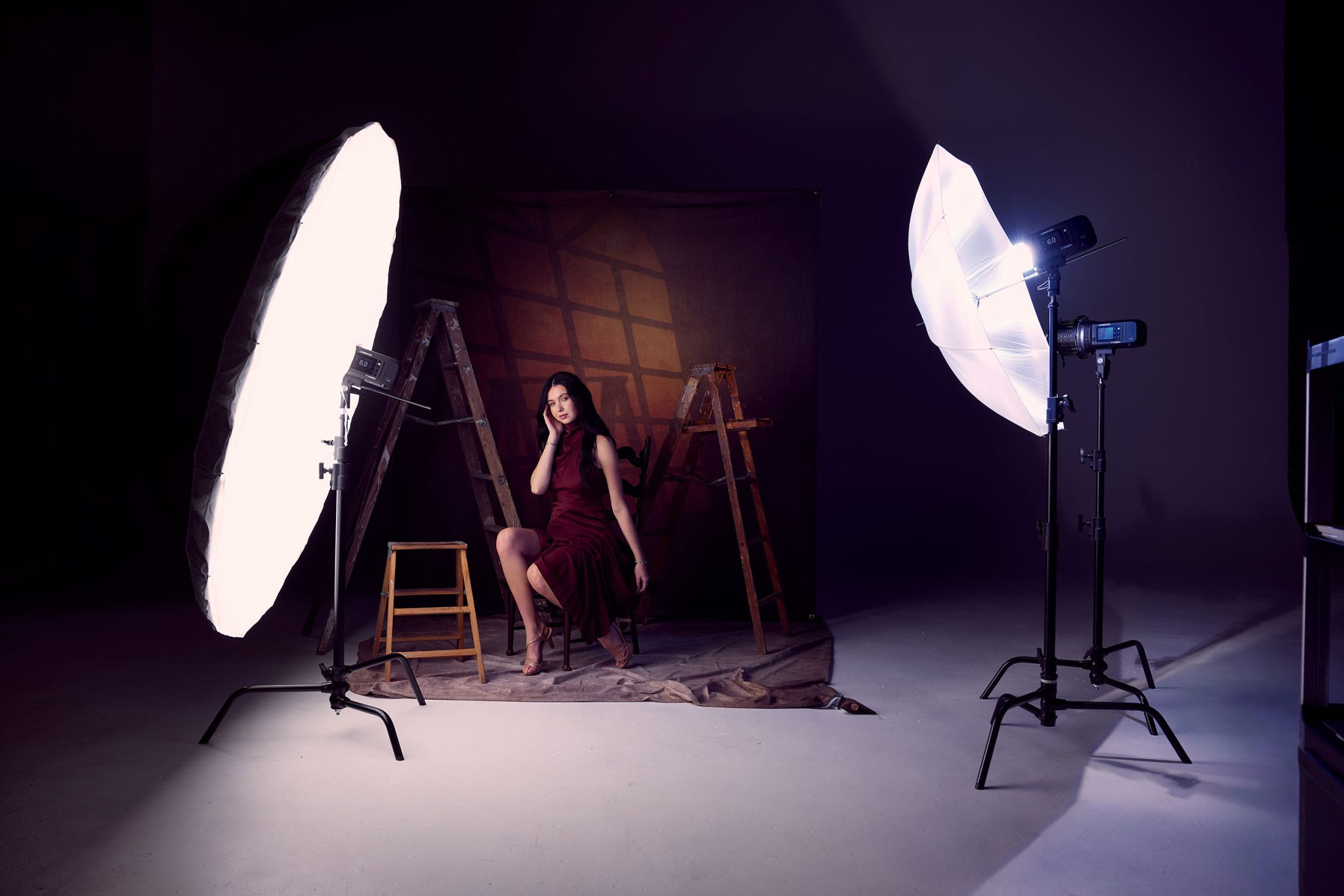
While a spotlight by itself can create compelling portraits, it often works best when combined with other lighting sources. For example, using fill lights or softboxes alongside the spotlight can create a more nuanced image by adding depth and dimension to the composition. This layering of light can smooth out harsh shadows while preserving the intensity of the spotlight’s effect.
In intimate portraits, this layered approach is particularly valuable. Soft, diffused light can subtly illuminate the parts of the subject that the spotlight doesn’t reach, such as the neck or the lower part of the face, ensuring that the overall image feels balanced and natural. The contrast between the spotlight and the fill light helps to define the subject’s form and create a sense of three-dimensionality, preventing the portrait from appearing flat or overly stylized.
Practical Considerations for Using Spotlights
Using a spotlight effectively requires a careful balance of technical considerations and artistic intent. First, the photographer must think about the distance between the light and the subject. The closer the light is to the subject, the harder and more intense the light will be. Conversely, moving the light further away results in softer, more diffused illumination. Adjusting the light’s distance and angle can help the photographer achieve the desired effect, whether it’s a soft, intimate glow or a bold, dramatic spotlighting.
The shape of the spotlight’s beam is also important. A hard, narrow beam creates sharp, well-defined shadows, which can be great for adding drama and emphasis to specific parts of the subject. A softer, wider beam, on the other hand, produces a gentler, more even light that can flatter the subject’s features without harsh contrasts.
Another factor to consider is the use of modifiers. Grids, snoots, and flags can all control the spread of the spotlight’s light, ensuring it falls only where it’s needed. For example, a snoot attached to a spotlight can create a very focused beam, while a softbox or diffuser can soften the light for a more subtle effect.
Spotlighting in Different Contexts
While the spotlight is often associated with drama and intensity, it can also be used in subtler, more nuanced ways, depending on the context of the portrait. In fashion photography, a spotlight can create an air of elegance, drawing attention to the clothing or accessories as much as to the subject’s face. In conceptual or fine art portraiture, the spotlight might be used to evoke a sense of isolation or internal struggle, casting the subject in a harsh light that highlights their vulnerability.
In lifestyle or environmental portraits, a softer spotlight might be employed to create a feeling of warmth and comfort, focusing on the subject without completely isolating them from their environment. Here, the spotlight becomes less of a dramatic tool and more of a gentle guide for the viewer’s eye, encouraging them to explore the entire composition rather than just the subject.
The Emotional Impact of Spotlight Lighting
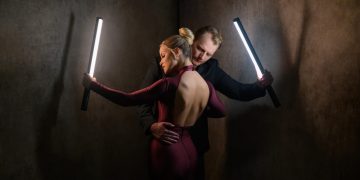
In intimate portraiture, the emotional weight of an image is paramount. The spotlight can amplify the emotional impact of a portrait by highlighting subtle facial expressions, body language, and moments of connection. Whether it’s the intimate gaze between a couple or the quiet contemplation of an individual, the spotlight can amplify these moments, creating a sense of intimacy that draws the viewer in.
Spotlight lighting also gives the photographer the ability to control how much of the subject’s emotion is revealed. By choosing to highlight only certain parts of the face, like the eyes or the lips, the photographer can create a sense of mystery, leaving the rest of the subject in shadow. Alternatively, a broad, soft spotlight can reveal the subject’s entire expression, inviting the viewer to fully engage with their emotion.
Conclusion: Using Spotlights to Tell a Story
A spotlight in intimate portraiture does more than just light a subject—it tells a story. It has the power to define mood, highlight emotion, shape the subject’s features, and isolate them from the background. When used thoughtfully, it can transform a simple photograph into a powerful, evocative image. The key to using a spotlight effectively is understanding how light interacts with the subject and how it can be used to direct the viewer’s attention, shaping their emotional response to the image.
As with any lighting technique, the spotlight requires careful consideration of the subject, the mood, and the story you wish to tell. Whether you’re seeking to create a moody, dramatic portrait or a soft, intimate moment, the spotlight can be a powerful ally in achieving your creative vision.