













CyberGait
  • Home
  • Bionics
    Bionics: The Key to Human Immortality?

    Bionics: The Key to Human Immortality?

    Bionic Organs: Can They Save Lives or Create New Ethical Dilemmas?

    Bionic Organs: Can They Save Lives or Create New Ethical Dilemmas?

    The Future of Prosthetics: Is It Fully Bionic?

    The Future of Prosthetics: Is It Fully Bionic?

    What Happens When Bionics Merge with Artificial Intelligence?

    What Happens When Bionics Merge with Artificial Intelligence?

    Bionic Enhancements: Could They Improve Our Cognitive Abilities?

    Bionic Enhancements: Could They Improve Our Cognitive Abilities?

    How Far Can Bionic Eyes Take Us Beyond Human Vision?

    How Far Can Bionic Eyes Take Us Beyond Human Vision?

  • Breakthroughs
    Will We Ever Live on Mars? And Should We?

    Will We Ever Live on Mars? And Should We?

    Are We on the Brink of a Green Energy Revolution?

    Are We on the Brink of a Green Energy Revolution?

    Can Mind-Controlled Technology Revolutionize Communication?

    Can Mind-Controlled Technology Revolutionize Communication?

    What If We Could 3D Print Human Organs?

    What If We Could 3D Print Human Organs?

    Can Autonomous Vehicles Surpass Human Drivers in Safety?

    Can Autonomous Vehicles Surpass Human Drivers in Safety?

    Genomic Editing the Key to Immortality?

    Genomic Editing the Key to Immortality?

  • Industry
    How Can Data Privacy be Maintained in a Hyperconnected World?

    How Can Data Privacy be Maintained in a Hyperconnected World?

    Is the Gig Economy the Future of Employment?

    Is the Gig Economy the Future of Employment?

    Can Startups Compete with Corporate Giants in Innovation?

    Can Startups Compete with Corporate Giants in Innovation?

    The Future of Work: Truly Remote or Hybrid?

    The Future of Work: Truly Remote or Hybrid?

    How Does Blockchain Impact Global Supply Chains?

    How Does Blockchain Impact Global Supply Chains?

    Are We Overestimating the Power of Automation?

    Are We Overestimating the Power of Automation?

  • Robotics
    Can Robots Adapt to Unpredictable Real-World Environments?

    Can Robots Adapt to Unpredictable Real-World Environments?

    Will Robots Achieve True Autonomy or Always Need Human Oversight?

    Will Robots Achieve True Autonomy or Always Need Human Oversight?

    What Happens When Robots Start Designing Robots?

    What Happens When Robots Start Designing Robots?

    Are We Ready for Robots to Shape Our Creative Industries?

    Are We Ready for Robots to Shape Our Creative Industries?

    Could Robots One Day Replace Human Emotions in Caregiving?

    Could Robots One Day Replace Human Emotions in Caregiving?

    How Do We Ensure Robot Ethics in Autonomous Machines?

    How Do We Ensure Robot Ethics in Autonomous Machines?

  • Spotlight
    How Can Spotlights Elevate Your Interior Design Game?

    How Can Spotlights Elevate Your Interior Design Game?

    What Happens When You Use a Spotlight for Intimate Portraits?

    What Happens When You Use a Spotlight for Intimate Portraits?

    Why Do Spotlight Effects Matter in Cinematic Storytelling?

    Why Do Spotlight Effects Matter in Cinematic Storytelling?

    Could Spotlighting Be the Key to Perfect Product Photography?

    Could Spotlighting Be the Key to Perfect Product Photography?

    Spotlight Technology Changing the Future of Stage Design

    Spotlight Technology Changing the Future of Stage Design

    How Do Different Spotlights Affect Mood and Atmosphere?

    How Do Different Spotlights Affect Mood and Atmosphere?

CyberGait
  • Home
  • Bionics
    Bionics: The Key to Human Immortality?

    Bionics: The Key to Human Immortality?

    Bionic Organs: Can They Save Lives or Create New Ethical Dilemmas?

    Bionic Organs: Can They Save Lives or Create New Ethical Dilemmas?

    The Future of Prosthetics: Is It Fully Bionic?

    The Future of Prosthetics: Is It Fully Bionic?

    What Happens When Bionics Merge with Artificial Intelligence?

    What Happens When Bionics Merge with Artificial Intelligence?

    Bionic Enhancements: Could They Improve Our Cognitive Abilities?

    Bionic Enhancements: Could They Improve Our Cognitive Abilities?

    How Far Can Bionic Eyes Take Us Beyond Human Vision?

    How Far Can Bionic Eyes Take Us Beyond Human Vision?

  • Breakthroughs
    Will We Ever Live on Mars? And Should We?

    Will We Ever Live on Mars? And Should We?

    Are We on the Brink of a Green Energy Revolution?

    Are We on the Brink of a Green Energy Revolution?

    Can Mind-Controlled Technology Revolutionize Communication?

    Can Mind-Controlled Technology Revolutionize Communication?

    What If We Could 3D Print Human Organs?

    What If We Could 3D Print Human Organs?

    Can Autonomous Vehicles Surpass Human Drivers in Safety?

    Can Autonomous Vehicles Surpass Human Drivers in Safety?

    Genomic Editing the Key to Immortality?

    Genomic Editing the Key to Immortality?

  • Industry
    How Can Data Privacy be Maintained in a Hyperconnected World?

    How Can Data Privacy be Maintained in a Hyperconnected World?

    Is the Gig Economy the Future of Employment?

    Is the Gig Economy the Future of Employment?

    Can Startups Compete with Corporate Giants in Innovation?

    Can Startups Compete with Corporate Giants in Innovation?

    The Future of Work: Truly Remote or Hybrid?

    The Future of Work: Truly Remote or Hybrid?

    How Does Blockchain Impact Global Supply Chains?

    How Does Blockchain Impact Global Supply Chains?

    Are We Overestimating the Power of Automation?

    Are We Overestimating the Power of Automation?

  • Robotics
    Can Robots Adapt to Unpredictable Real-World Environments?

    Can Robots Adapt to Unpredictable Real-World Environments?

    Will Robots Achieve True Autonomy or Always Need Human Oversight?

    Will Robots Achieve True Autonomy or Always Need Human Oversight?

    What Happens When Robots Start Designing Robots?

    What Happens When Robots Start Designing Robots?

    Are We Ready for Robots to Shape Our Creative Industries?

    Are We Ready for Robots to Shape Our Creative Industries?

    Could Robots One Day Replace Human Emotions in Caregiving?

    Could Robots One Day Replace Human Emotions in Caregiving?

    How Do We Ensure Robot Ethics in Autonomous Machines?

    How Do We Ensure Robot Ethics in Autonomous Machines?

  • Spotlight
    How Can Spotlights Elevate Your Interior Design Game?

    How Can Spotlights Elevate Your Interior Design Game?

    What Happens When You Use a Spotlight for Intimate Portraits?

    What Happens When You Use a Spotlight for Intimate Portraits?

    Why Do Spotlight Effects Matter in Cinematic Storytelling?

    Why Do Spotlight Effects Matter in Cinematic Storytelling?

    Could Spotlighting Be the Key to Perfect Product Photography?

    Could Spotlighting Be the Key to Perfect Product Photography?

    Spotlight Technology Changing the Future of Stage Design

    Spotlight Technology Changing the Future of Stage Design

    How Do Different Spotlights Affect Mood and Atmosphere?

    How Do Different Spotlights Affect Mood and Atmosphere?

CyberGait
No Result
View All Result
Home Industry

Automation: The Future of Your Industry?

October 17, 2025
in Industry
Automation: The Future of Your Industry?

Introduction

In the world of business and technology, few trends have had as profound an impact as automation. From factory floors to offices, and even in creative industries, automation is reshaping the way we work, produce, and think. But what does automation mean for the future of your industry? Is it a blessing that promises efficiency, or a threat to the traditional workforce? This article explores automation’s rise, its effects across various sectors, and how it will shape the industries of tomorrow.

The Rise of Automation

Automation, at its core, refers to the use of technology to perform tasks that were previously done by humans. It ranges from simple mechanized processes in factories to advanced artificial intelligence (AI) systems that can make complex decisions. In recent decades, technological innovations have made automation more accessible, affordable, and capable than ever before.

From the 18th century Industrial Revolution, where steam engines started replacing manual labor, to the 21st century’s cutting-edge robotics and AI, automation has been steadily progressing. But what sets today apart is not just the tools themselves, but the speed at which they’re being adopted across industries.

Automation in Manufacturing

Manufacturing was one of the first industries to embrace automation, and it remains at the forefront of this revolution. From automated assembly lines to 3D printing and robotics, manufacturers have adopted numerous tools to increase productivity, reduce costs, and improve precision. Robots are now performing tasks that are dangerous, repetitive, or simply too delicate for humans.

Example: Tesla’s Gigafactories employ thousands of robots to build cars, increasing production speed while maintaining quality. While this disrupts traditional labor markets, it also creates opportunities for skilled workers in robotics, AI, and factory maintenance.

Yet, automation in manufacturing isn’t without its challenges. The integration of robots and AI requires significant upfront investment, and retraining the existing workforce can be a slow process. But for many, the rewards are undeniable. Automation has led to fewer errors, greater consistency, and improved safety standards, ultimately revolutionizing the manufacturing process.
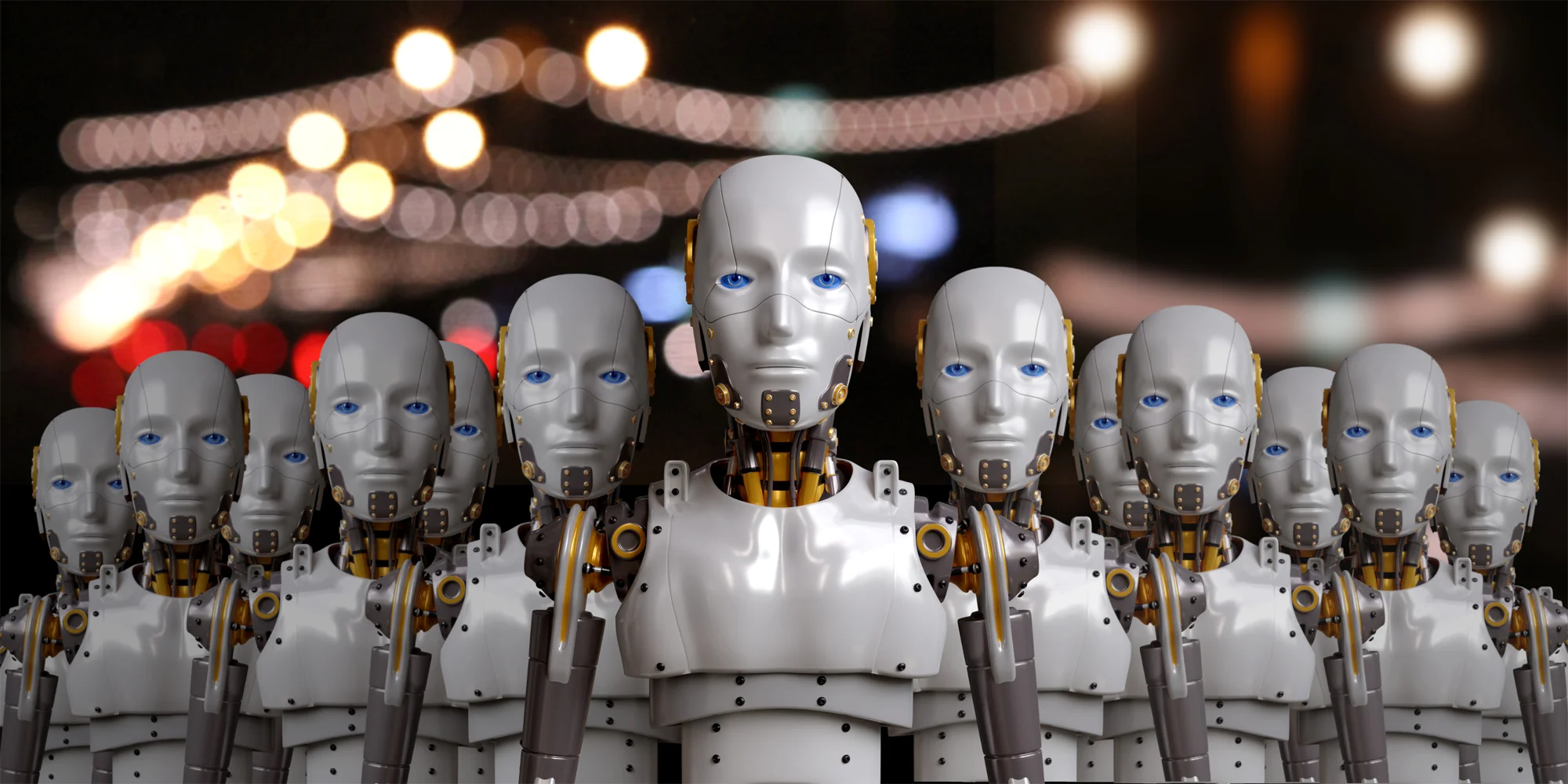
How AI and Robotics Are Shaping Our Future World

Automation in Retail: The Self-Checkout Revolution

Retailers have long been seeking ways to cut costs and enhance the customer experience. One area where automation has had a significant impact is in the checkout process. Self-checkout systems, which allow customers to scan and pay for items without interacting with a cashier, have gained popularity worldwide.

In addition to self-checkout, other innovations like AI-powered inventory management and customer service chatbots are making their way into the retail space. Amazon’s cashier-less stores, for example, rely on advanced sensors and AI to automatically charge customers as they pick up items.

For retail workers, automation may seem like a threat, as it reduces the need for cashiers and shelf-stackers. However, it is also creating new roles in technology and customer experience. The transition to automated systems may displace some workers, but it also creates new opportunities in areas such as data analysis, machine learning, and customer relationship management.

Automation in Healthcare: Precision and Efficiency

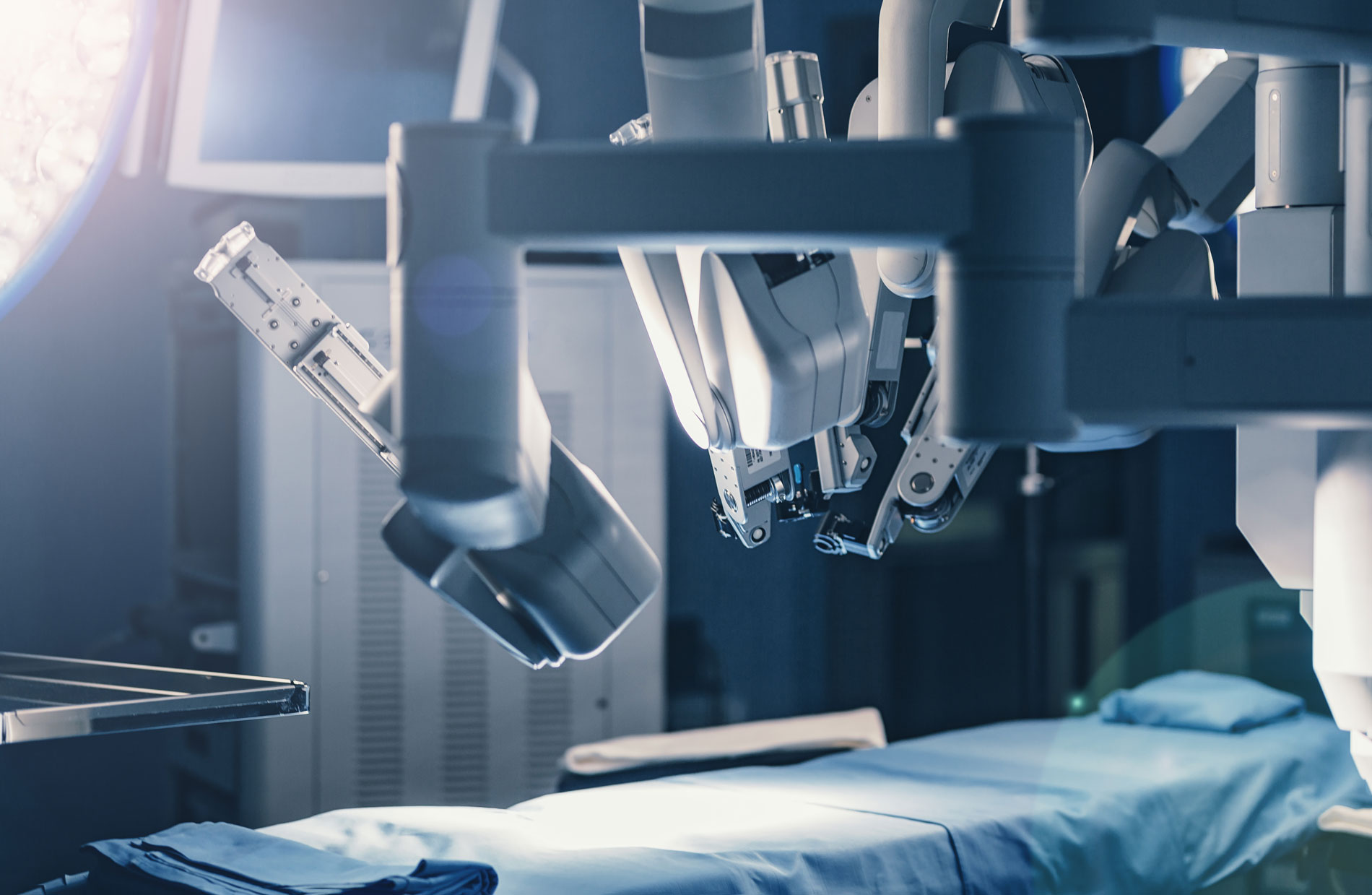
The healthcare industry, traditionally known for its human touch, is also undergoing a transformation through automation. Robotics and AI are revolutionizing everything from surgery to patient care. Robotic surgery systems, such as the da Vinci Surgical System, allow surgeons to perform complex procedures with greater precision and fewer complications.

AI is also helping doctors diagnose diseases more accurately by analyzing medical images and data. Machine learning algorithms can sift through vast amounts of data, finding patterns that might elude even the most experienced human practitioners. In some cases, AI can even recommend treatment plans based on a patient’s individual data.

The advantages of automation in healthcare are immense. It improves efficiency, reduces human error, and allows healthcare providers to focus more on patient care rather than administrative tasks. But, as with other industries, there are concerns about job displacement. As machines take over routine tasks, human workers may be left to focus on more specialized and nuanced aspects of care.

Automation in Finance: The Algorithmic Revolution

The finance sector is another area where automation is making waves. From algorithmic trading to robo-advisors, automation is transforming how financial decisions are made. Algorithms can now execute trades in fractions of a second, far faster and more accurately than any human could.

Robo-advisors, AI-driven platforms that manage investments, have become increasingly popular in recent years. These systems use complex algorithms to suggest personalized investment strategies, allowing for lower fees and democratizing access to financial services.

However, automation in finance also comes with its risks. High-frequency trading algorithms, for example, have been blamed for market volatility and flash crashes. The potential for automation to be misused or to malfunction raises concerns about the ethical and regulatory implications of its growth.

Automation in the Creative Industries: Art Meets AI

At first glance, one might think that automation would be limited to industries focused on physical tasks. But in recent years, automation has found its way into the creative industries as well. AI-powered tools are now capable of generating everything from music and visual art to written content and advertising copy.

For example, companies like OpenAI (the creators of this very chatbot) have developed language models capable of writing articles, poetry, and even screenplays. AI-generated music, often indistinguishable from that created by human composers, is now being used in commercials, video games, and even movies.

For many artists and writers, this is both exciting and terrifying. Automation could democratize creativity, making it easier for anyone to create high-quality content. But at the same time, it could threaten livelihoods and challenge traditional notions of authorship and creativity.
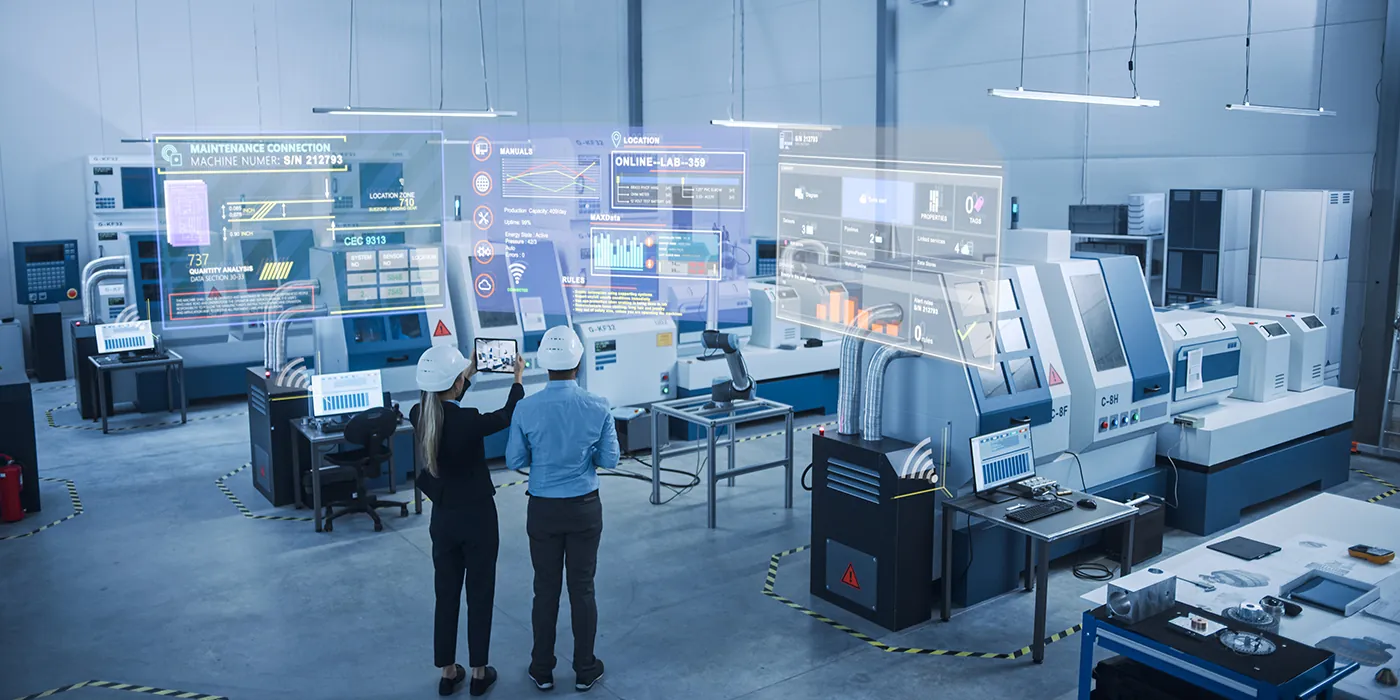
AI-Powered Quality Control in Manufacturing: A Game Changer - RevGen

The Impact on Employment: Jobs Lost or Jobs Transformed?

One of the most debated aspects of automation is its impact on employment. While it’s clear that some jobs will be replaced by machines, automation is also creating new opportunities. The World Economic Forum predicts that while automation could displace 85 million jobs by 2025, it will also create 97 million new roles, particularly in areas like AI, machine learning, and data analysis.

Workers whose tasks are highly repetitive or manual are most vulnerable to automation. However, jobs that require creativity, emotional intelligence, or complex decision-making are more difficult to automate. This shift is likely to lead to a re-skilling revolution, where workers must adapt to new tools, technologies, and ways of working.

The Future: A Collaborative Relationship Between Humans and Machines

Rather than seeing automation as an adversary, many experts argue that the future will be defined by a collaborative relationship between humans and machines. Automation, they believe, will take over mundane, repetitive tasks, allowing humans to focus on more strategic and creative endeavors. This shift could lead to greater innovation, productivity, and job satisfaction.

Example: In customer service, AI-powered chatbots can handle routine inquiries, while human workers step in for more complex issues that require empathy or creative solutions. Similarly, in design, AI tools can handle the initial concept phase, but human designers bring the creativity and nuance that machines cannot replicate.

Ethical and Social Considerations

As we hurtle toward an automated future, we must also consider the ethical implications. Who is responsible when an AI system makes a mistake? How do we ensure that automation doesn’t exacerbate income inequality or lead to mass unemployment? And how do we protect privacy in a world increasingly governed by algorithms?

Governments, corporations, and individuals will need to work together to address these challenges. Policies will need to be developed to ensure that automation benefits society as a whole, and not just a select few.

Conclusion: Automation—A Double-Edged Sword

The future of automation is undeniably exciting. It promises greater efficiency, innovation, and opportunities for growth. But it also raises profound questions about the nature of work, society, and ethics. As industries across the world embrace automation, we must be mindful of the potential downsides and work to ensure that the benefits are shared widely.

Ultimately, the future of automation depends on how we, as a society, decide to shape it. Will we allow machines to take over our work, or will we use automation to elevate humanity to new heights of creativity and innovation? The choice is ours.


Tags: AutomationIndustry 4.0ManufacturingRobotics
ShareTweetShare

Related Posts

How Can Data Privacy be Maintained in a Hyperconnected World?
Industry

How Can Data Privacy be Maintained in a Hyperconnected World?

December 2, 2025
Is the Gig Economy the Future of Employment?
Industry

Is the Gig Economy the Future of Employment?

December 1, 2025
Can Startups Compete with Corporate Giants in Innovation?
Industry

Can Startups Compete with Corporate Giants in Innovation?

November 30, 2025
The Future of Work: Truly Remote or Hybrid?
Industry

The Future of Work: Truly Remote or Hybrid?

November 29, 2025
How Does Blockchain Impact Global Supply Chains?
Industry

How Does Blockchain Impact Global Supply Chains?

November 28, 2025
Are We Overestimating the Power of Automation?
Industry

Are We Overestimating the Power of Automation?

November 27, 2025
Leave Comment
  • Trending
  • Comments
  • Latest
Can Sustainability Drive Profits in Competitive Markets?

Can Sustainability Drive Profits in Competitive Markets?

October 17, 2025
Can the Spotlight Make or Break Your Career?

Can the Spotlight Make or Break Your Career?

October 14, 2025
Does the Spotlight Always Equal Success?

Does the Spotlight Always Equal Success?

October 16, 2025
Can the Spotlight Truly Capture the Essence of a Person?

Can the Spotlight Truly Capture the Essence of a Person?

October 16, 2025
Can Bionics Redefine Human Limitations?

Can Bionics Redefine Human Limitations?

Is Bionics the Future of Prosthetics?

Is Bionics the Future of Prosthetics?

Can We Truly Integrate Technology with Biology?

Can We Truly Integrate Technology with Biology?

How Close Are We to Creating Bionic Organs?

How Close Are We to Creating Bionic Organs?

How Can Spotlights Elevate Your Interior Design Game?

How Can Spotlights Elevate Your Interior Design Game?

December 2, 2025
Will We Ever Live on Mars? And Should We?

Will We Ever Live on Mars? And Should We?

December 2, 2025
Bionics: The Key to Human Immortality?

Bionics: The Key to Human Immortality?

December 2, 2025
How Can Data Privacy be Maintained in a Hyperconnected World?

How Can Data Privacy be Maintained in a Hyperconnected World?

December 2, 2025
CyberGait

Our content caters to engineers, researchers, and tech enthusiasts alike. Through focused articles on algorithms, biomimicry, and industry trends, we provide a comprehensive perspective on the future of movement, from laboratory breakthroughs to commercial products.

© 2025 cybergait.com. contacts:[email protected]

No Result
View All Result
  • Home
  • Bionics
  • Breakthroughs
  • Industry
  • Robotics
  • Spotlight

© 2025 cybergait.com. contacts:[email protected]

Welcome Back!

Login to your account below

Forgotten Password?

Retrieve your password

Please enter your username or email address to reset your password.

Log In