

















CyberGait
  • Home
  • Bionics
    Bionics: The Key to Human Immortality?

    Bionics: The Key to Human Immortality?

    Bionic Organs: Can They Save Lives or Create New Ethical Dilemmas?

    Bionic Organs: Can They Save Lives or Create New Ethical Dilemmas?

    The Future of Prosthetics: Is It Fully Bionic?

    The Future of Prosthetics: Is It Fully Bionic?

    What Happens When Bionics Merge with Artificial Intelligence?

    What Happens When Bionics Merge with Artificial Intelligence?

    Bionic Enhancements: Could They Improve Our Cognitive Abilities?

    Bionic Enhancements: Could They Improve Our Cognitive Abilities?

    How Far Can Bionic Eyes Take Us Beyond Human Vision?

    How Far Can Bionic Eyes Take Us Beyond Human Vision?

  • Breakthroughs
    Will We Ever Live on Mars? And Should We?

    Will We Ever Live on Mars? And Should We?

    Are We on the Brink of a Green Energy Revolution?

    Are We on the Brink of a Green Energy Revolution?

    Can Mind-Controlled Technology Revolutionize Communication?

    Can Mind-Controlled Technology Revolutionize Communication?

    What If We Could 3D Print Human Organs?

    What If We Could 3D Print Human Organs?

    Can Autonomous Vehicles Surpass Human Drivers in Safety?

    Can Autonomous Vehicles Surpass Human Drivers in Safety?

    Genomic Editing the Key to Immortality?

    Genomic Editing the Key to Immortality?

  • Industry
    How Can Data Privacy be Maintained in a Hyperconnected World?

    How Can Data Privacy be Maintained in a Hyperconnected World?

    Is the Gig Economy the Future of Employment?

    Is the Gig Economy the Future of Employment?

    Can Startups Compete with Corporate Giants in Innovation?

    Can Startups Compete with Corporate Giants in Innovation?

    The Future of Work: Truly Remote or Hybrid?

    The Future of Work: Truly Remote or Hybrid?

    How Does Blockchain Impact Global Supply Chains?

    How Does Blockchain Impact Global Supply Chains?

    Are We Overestimating the Power of Automation?

    Are We Overestimating the Power of Automation?

  • Robotics
    Can Robots Adapt to Unpredictable Real-World Environments?

    Can Robots Adapt to Unpredictable Real-World Environments?

    Will Robots Achieve True Autonomy or Always Need Human Oversight?

    Will Robots Achieve True Autonomy or Always Need Human Oversight?

    What Happens When Robots Start Designing Robots?

    What Happens When Robots Start Designing Robots?

    Are We Ready for Robots to Shape Our Creative Industries?

    Are We Ready for Robots to Shape Our Creative Industries?

    Could Robots One Day Replace Human Emotions in Caregiving?

    Could Robots One Day Replace Human Emotions in Caregiving?

    How Do We Ensure Robot Ethics in Autonomous Machines?

    How Do We Ensure Robot Ethics in Autonomous Machines?

  • Spotlight
    How Can Spotlights Elevate Your Interior Design Game?

    How Can Spotlights Elevate Your Interior Design Game?

    What Happens When You Use a Spotlight for Intimate Portraits?

    What Happens When You Use a Spotlight for Intimate Portraits?

    Why Do Spotlight Effects Matter in Cinematic Storytelling?

    Why Do Spotlight Effects Matter in Cinematic Storytelling?

    Could Spotlighting Be the Key to Perfect Product Photography?

    Could Spotlighting Be the Key to Perfect Product Photography?

    Spotlight Technology Changing the Future of Stage Design

    Spotlight Technology Changing the Future of Stage Design

    How Do Different Spotlights Affect Mood and Atmosphere?

    How Do Different Spotlights Affect Mood and Atmosphere?

CyberGait
  • Home
  • Bionics
    Bionics: The Key to Human Immortality?

    Bionics: The Key to Human Immortality?

    Bionic Organs: Can They Save Lives or Create New Ethical Dilemmas?

    Bionic Organs: Can They Save Lives or Create New Ethical Dilemmas?

    The Future of Prosthetics: Is It Fully Bionic?

    The Future of Prosthetics: Is It Fully Bionic?

    What Happens When Bionics Merge with Artificial Intelligence?

    What Happens When Bionics Merge with Artificial Intelligence?

    Bionic Enhancements: Could They Improve Our Cognitive Abilities?

    Bionic Enhancements: Could They Improve Our Cognitive Abilities?

    How Far Can Bionic Eyes Take Us Beyond Human Vision?

    How Far Can Bionic Eyes Take Us Beyond Human Vision?

  • Breakthroughs
    Will We Ever Live on Mars? And Should We?

    Will We Ever Live on Mars? And Should We?

    Are We on the Brink of a Green Energy Revolution?

    Are We on the Brink of a Green Energy Revolution?

    Can Mind-Controlled Technology Revolutionize Communication?

    Can Mind-Controlled Technology Revolutionize Communication?

    What If We Could 3D Print Human Organs?

    What If We Could 3D Print Human Organs?

    Can Autonomous Vehicles Surpass Human Drivers in Safety?

    Can Autonomous Vehicles Surpass Human Drivers in Safety?

    Genomic Editing the Key to Immortality?

    Genomic Editing the Key to Immortality?

  • Industry
    How Can Data Privacy be Maintained in a Hyperconnected World?

    How Can Data Privacy be Maintained in a Hyperconnected World?

    Is the Gig Economy the Future of Employment?

    Is the Gig Economy the Future of Employment?

    Can Startups Compete with Corporate Giants in Innovation?

    Can Startups Compete with Corporate Giants in Innovation?

    The Future of Work: Truly Remote or Hybrid?

    The Future of Work: Truly Remote or Hybrid?

    How Does Blockchain Impact Global Supply Chains?

    How Does Blockchain Impact Global Supply Chains?

    Are We Overestimating the Power of Automation?

    Are We Overestimating the Power of Automation?

  • Robotics
    Can Robots Adapt to Unpredictable Real-World Environments?

    Can Robots Adapt to Unpredictable Real-World Environments?

    Will Robots Achieve True Autonomy or Always Need Human Oversight?

    Will Robots Achieve True Autonomy or Always Need Human Oversight?

    What Happens When Robots Start Designing Robots?

    What Happens When Robots Start Designing Robots?

    Are We Ready for Robots to Shape Our Creative Industries?

    Are We Ready for Robots to Shape Our Creative Industries?

    Could Robots One Day Replace Human Emotions in Caregiving?

    Could Robots One Day Replace Human Emotions in Caregiving?

    How Do We Ensure Robot Ethics in Autonomous Machines?

    How Do We Ensure Robot Ethics in Autonomous Machines?

  • Spotlight
    How Can Spotlights Elevate Your Interior Design Game?

    How Can Spotlights Elevate Your Interior Design Game?

    What Happens When You Use a Spotlight for Intimate Portraits?

    What Happens When You Use a Spotlight for Intimate Portraits?

    Why Do Spotlight Effects Matter in Cinematic Storytelling?

    Why Do Spotlight Effects Matter in Cinematic Storytelling?

    Could Spotlighting Be the Key to Perfect Product Photography?

    Could Spotlighting Be the Key to Perfect Product Photography?

    Spotlight Technology Changing the Future of Stage Design

    Spotlight Technology Changing the Future of Stage Design

    How Do Different Spotlights Affect Mood and Atmosphere?

    How Do Different Spotlights Affect Mood and Atmosphere?

CyberGait
No Result
View All Result
Home Breakthroughs

Can AI Solve Problems We Thought Were Unsolvable?

October 17, 2025
in Breakthroughs
Can AI Solve Problems We Thought Were Unsolvable?

Introduction

The rise of artificial intelligence (AI) over the past few decades has been nothing short of revolutionary. Once a distant concept in science fiction, AI is now a tangible force driving innovation across industries—from healthcare and finance to entertainment and transportation. But as AI continues to evolve, a pressing question arises: can it solve problems we once thought were unsolvable?

Throughout history, there have been challenges that seemed insurmountable. Problems that baffled even the brightest minds of the time. However, the advent of AI and its rapidly advancing capabilities suggest that some of these problems, once considered beyond the reach of human or computational intellect, may be within our grasp. In this article, we explore the boundaries of AI’s potential, examining both the groundbreaking feats AI has already achieved and the challenges it still faces.


1. AI’s Role in Tackling Complex Problems

At its core, AI is designed to mimic human intelligence. It learns from data, adapts to new situations, and can even make decisions autonomously. The complexity of certain problems—such as predicting climate change, diagnosing diseases, or simulating the human brain—seemed too vast for traditional approaches. Yet AI has emerged as a powerful tool capable of tackling these immense challenges.

A. Solving Intractable Problems in Healthcare

One of the most promising areas where AI is making a significant impact is healthcare. Diseases like cancer, which have long stumped doctors and researchers, are now being targeted by machine learning algorithms. These algorithms analyze vast datasets of medical records, research papers, and genetic information to identify patterns that might elude human researchers.

For example, AI systems like IBM’s Watson have shown remarkable success in diagnosing certain types of cancers at an early stage. By analyzing millions of medical images and cross-referencing them with patient histories, Watson can suggest potential diagnoses with a level of precision comparable to the world’s top oncologists. Moreover, AI is also accelerating drug discovery by simulating molecular interactions, enabling the creation of new medications in a fraction of the time it once took.

B. Climate Change and Environmental Modeling

Another field where AI shows promise is environmental science. Climate change, one of the most pressing issues of our time, requires predictive models capable of simulating a range of variables and scenarios. AI can process data from satellites, weather stations, and ocean buoys to create more accurate models of global climate patterns.
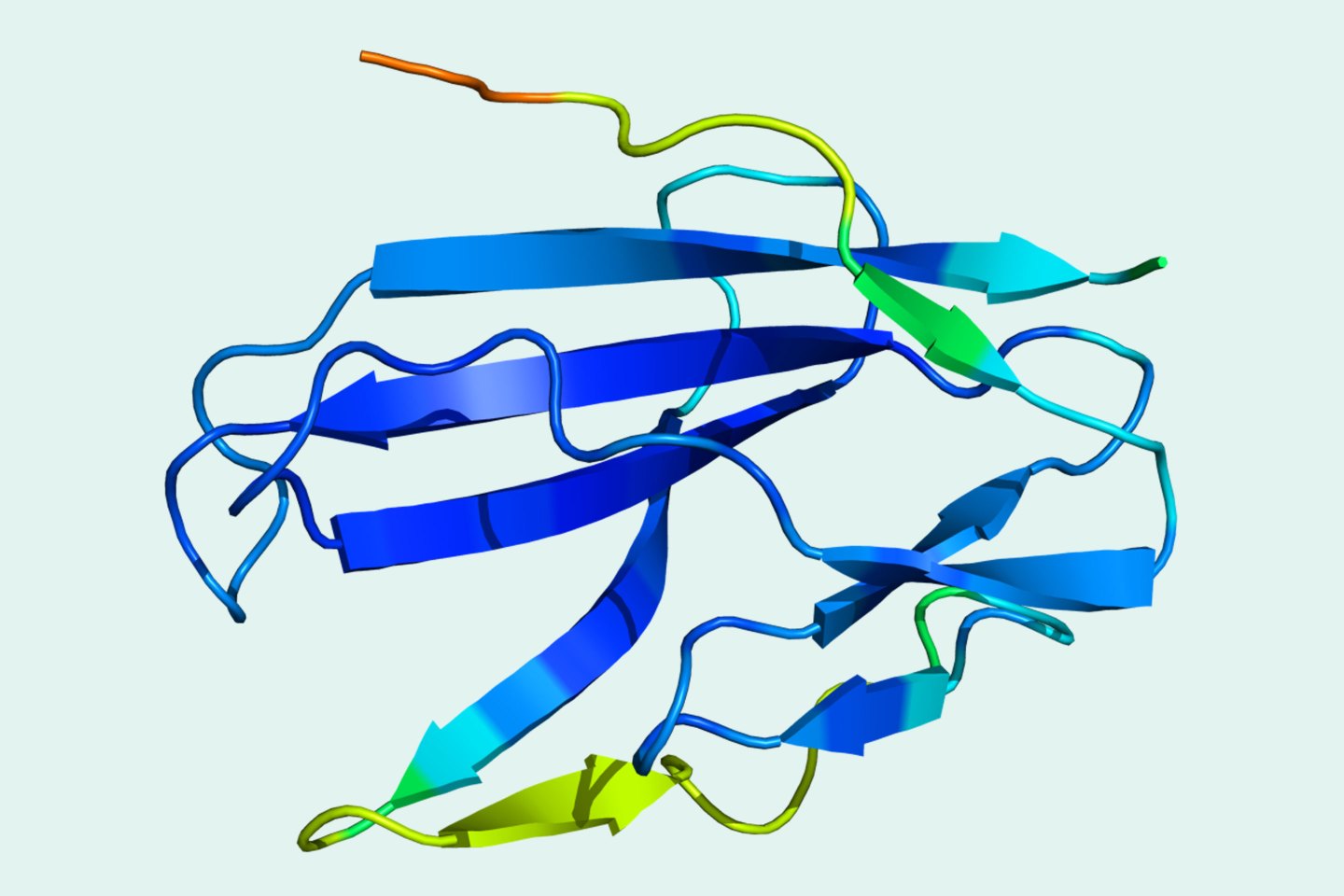
DeepMind's new protein-folding A.I. is already in the fight against the  coronavirus | Fortune

The difficulty in predicting the long-term effects of climate change stems from the sheer complexity of the planet’s systems. Traditional models, while useful, are limited by computational power and the ability to process large datasets. However, AI-driven models, particularly those employing deep learning techniques, can handle vast amounts of data and make predictions with unprecedented accuracy. This capability could play a key role in informing policy decisions, disaster preparedness, and environmental conservation efforts.


2. AI in Problem-Solving: Success Stories

The story of AI’s success in solving previously “unsolvable” problems is still unfolding. Yet, there have been several breakthrough moments where AI has exceeded expectations.

A. Solving the Protein Folding Problem

The “protein folding problem” has baffled scientists for decades. Proteins, the building blocks of life, are essential to countless biological processes, but their 3D structures are incredibly complex. Understanding how a protein folds into its final shape is critical to understanding its function, and misfolded proteins can lead to diseases like Alzheimer’s and Parkinson’s.

For years, researchers struggled to simulate how proteins fold, but with the advent of AI, things have changed dramatically. DeepMind, the AI company owned by Alphabet (Google’s parent company), developed a system called AlphaFold that achieved a breakthrough. AlphaFold predicted the 3D structures of proteins with extraordinary accuracy, something that had previously been nearly impossible.

This achievement could revolutionize drug design, disease understanding, and our broader comprehension of life at the molecular level.

B. AI in Space Exploration

AI is also proving itself indispensable in space exploration. The vastness of space presents challenges that human explorers and traditional computing methods struggle to address. AI-driven systems can autonomously navigate spacecraft, analyze cosmic data, and even assist in the discovery of exoplanets.

For example, NASA’s Jet Propulsion Laboratory has developed AI systems capable of analyzing data from the Mars rovers. These systems help scientists identify areas of interest on the planet’s surface, reducing the time needed for manual analysis and increasing the efficiency of exploration.

Moreover, AI-powered telescopes are being used to analyze light curves from distant stars, helping astronomers detect exoplanets in far-off solar systems. With AI’s help, the hunt for habitable planets has accelerated, bringing us closer to answering the age-old question: Are we alone in the universe?


3. The Limits of AI: Can It Really Solve Everything?

While AI has achieved remarkable success in many areas, it’s important to acknowledge its limitations. AI may be able to analyze data and identify patterns at an astonishing scale, but it still lacks true human-like understanding and creativity in certain domains.

A. Lack of Common Sense and General Intelligence

One of AI’s biggest limitations is its lack of “common sense.” While AI systems can perform specific tasks with great accuracy, they struggle with tasks that require general reasoning or an understanding of the world. For instance, AI may be able to distinguish between a cat and a dog in an image, but it cannot intuitively understand that cats are generally more likely to jump onto furniture than dogs. This limitation arises because AI is highly specialized and relies on large datasets that provide specific solutions for specific problems.

Researchers are working on developing Artificial General Intelligence (AGI)—a form of AI that can learn and adapt across a wide range of tasks. However, AGI remains a distant goal, and its development raises important ethical and philosophical questions about AI’s role in society.

B. Ethical and Moral Decision-Making

Another area where AI still struggles is in making ethical and moral decisions. While AI can be programmed to follow certain rules or guidelines, it doesn’t inherently understand concepts like fairness, empathy, or moral responsibility. This becomes particularly problematic when AI is used in sensitive areas like criminal justice, hiring practices, or healthcare decision-making.

AI-powered robots supporting sustainable space exploration - AI for Good

For example, AI systems used in predictive policing have been criticized for perpetuating biases present in historical crime data. Similarly, AI algorithms used in hiring processes have been shown to favor candidates based on biased historical trends, rather than evaluating them on an equal footing. Ensuring that AI operates ethically remains a significant challenge, and much work is still needed to ensure that AI systems make decisions that align with human values.


4. The Future of AI: What Lies Ahead?

As AI continues to evolve, its potential to solve previously unsolvable problems will undoubtedly grow. In the coming decades, we may see AI systems that are capable of addressing the most profound challenges facing humanity.

A. AI and the Future of Creativity

In the realm of creativity, AI is already making strides. Tools like GPT-3 and DALL·E are creating art, writing stories, and composing music—all at a level of sophistication that was unimaginable just a few years ago. While these tools still lack the depth of human emotion and cultural context, they’re expanding the definition of what creativity means.

In the future, AI could work alongside human artists, scientists, and writers to explore new frontiers of creativity and innovation. The combination of human intuition and AI’s ability to process vast amounts of data could lead to breakthroughs in fields we’ve only just begun to explore.

B. AI and Human Collaboration

The future of AI may not be about replacing humans, but rather about enhancing human capabilities. In fields like education, AI could serve as a personal tutor, adapting to each student’s learning style. In business, AI could help companies make data-driven decisions faster and more accurately than ever before.

The key to unlocking AI’s potential lies in collaboration—working alongside it, rather than viewing it as a competitor. As AI becomes more integrated into everyday life, it will be essential to develop frameworks that ensure it is used responsibly and ethically.


Conclusion

Artificial intelligence is changing the world in profound ways, and its ability to solve problems once thought unsolvable is growing every day. From revolutionizing healthcare and tackling climate change to solving complex scientific problems and assisting in space exploration, AI is pushing the boundaries of what we believed was possible. However, there are still significant challenges ahead, including overcoming AI’s limitations in reasoning, creativity, and ethical decision-making.

As we look to the future, the potential for AI to solve humanity’s most pressing problems is undeniable. The key will be how we harness this power, ensuring that it is used responsibly and in a way that benefits society as a whole.


Tags: AIInnovationQuantum ComputingSustainability
ShareTweetShare

Related Posts

Will We Ever Live on Mars? And Should We?
Breakthroughs

Will We Ever Live on Mars? And Should We?

December 2, 2025
Are We on the Brink of a Green Energy Revolution?
Breakthroughs

Are We on the Brink of a Green Energy Revolution?

December 1, 2025
Can Mind-Controlled Technology Revolutionize Communication?
Breakthroughs

Can Mind-Controlled Technology Revolutionize Communication?

November 30, 2025
What If We Could 3D Print Human Organs?
Breakthroughs

What If We Could 3D Print Human Organs?

November 29, 2025
Can Autonomous Vehicles Surpass Human Drivers in Safety?
Breakthroughs

Can Autonomous Vehicles Surpass Human Drivers in Safety?

November 28, 2025
Genomic Editing the Key to Immortality?
Breakthroughs

Genomic Editing the Key to Immortality?

November 27, 2025
Leave Comment
  • Trending
  • Comments
  • Latest
Can Sustainability Drive Profits in Competitive Markets?

Can Sustainability Drive Profits in Competitive Markets?

October 17, 2025
Can the Spotlight Make or Break Your Career?

Can the Spotlight Make or Break Your Career?

October 14, 2025
Does the Spotlight Always Equal Success?

Does the Spotlight Always Equal Success?

October 16, 2025
Can the Spotlight Truly Capture the Essence of a Person?

Can the Spotlight Truly Capture the Essence of a Person?

October 16, 2025
Can Bionics Redefine Human Limitations?

Can Bionics Redefine Human Limitations?

Is Bionics the Future of Prosthetics?

Is Bionics the Future of Prosthetics?

Can We Truly Integrate Technology with Biology?

Can We Truly Integrate Technology with Biology?

How Close Are We to Creating Bionic Organs?

How Close Are We to Creating Bionic Organs?

How Can Spotlights Elevate Your Interior Design Game?

How Can Spotlights Elevate Your Interior Design Game?

December 2, 2025
Will We Ever Live on Mars? And Should We?

Will We Ever Live on Mars? And Should We?

December 2, 2025
Bionics: The Key to Human Immortality?

Bionics: The Key to Human Immortality?

December 2, 2025
How Can Data Privacy be Maintained in a Hyperconnected World?

How Can Data Privacy be Maintained in a Hyperconnected World?

December 2, 2025
CyberGait

Our content caters to engineers, researchers, and tech enthusiasts alike. Through focused articles on algorithms, biomimicry, and industry trends, we provide a comprehensive perspective on the future of movement, from laboratory breakthroughs to commercial products.

© 2025 cybergait.com. contacts:[email protected]

No Result
View All Result
  • Home
  • Bionics
  • Breakthroughs
  • Industry
  • Robotics
  • Spotlight

© 2025 cybergait.com. contacts:[email protected]

Welcome Back!

Login to your account below

Forgotten Password?

Retrieve your password

Please enter your username or email address to reset your password.

Log In