
















CyberGait
  • Home
  • Bionics
    Bionics: The Key to Human Immortality?

    Bionics: The Key to Human Immortality?

    Bionic Organs: Can They Save Lives or Create New Ethical Dilemmas?

    Bionic Organs: Can They Save Lives or Create New Ethical Dilemmas?

    The Future of Prosthetics: Is It Fully Bionic?

    The Future of Prosthetics: Is It Fully Bionic?

    What Happens When Bionics Merge with Artificial Intelligence?

    What Happens When Bionics Merge with Artificial Intelligence?

    Bionic Enhancements: Could They Improve Our Cognitive Abilities?

    Bionic Enhancements: Could They Improve Our Cognitive Abilities?

    How Far Can Bionic Eyes Take Us Beyond Human Vision?

    How Far Can Bionic Eyes Take Us Beyond Human Vision?

  • Breakthroughs
    Will We Ever Live on Mars? And Should We?

    Will We Ever Live on Mars? And Should We?

    Are We on the Brink of a Green Energy Revolution?

    Are We on the Brink of a Green Energy Revolution?

    Can Mind-Controlled Technology Revolutionize Communication?

    Can Mind-Controlled Technology Revolutionize Communication?

    What If We Could 3D Print Human Organs?

    What If We Could 3D Print Human Organs?

    Can Autonomous Vehicles Surpass Human Drivers in Safety?

    Can Autonomous Vehicles Surpass Human Drivers in Safety?

    Genomic Editing the Key to Immortality?

    Genomic Editing the Key to Immortality?

  • Industry
    How Can Data Privacy be Maintained in a Hyperconnected World?

    How Can Data Privacy be Maintained in a Hyperconnected World?

    Is the Gig Economy the Future of Employment?

    Is the Gig Economy the Future of Employment?

    Can Startups Compete with Corporate Giants in Innovation?

    Can Startups Compete with Corporate Giants in Innovation?

    The Future of Work: Truly Remote or Hybrid?

    The Future of Work: Truly Remote or Hybrid?

    How Does Blockchain Impact Global Supply Chains?

    How Does Blockchain Impact Global Supply Chains?

    Are We Overestimating the Power of Automation?

    Are We Overestimating the Power of Automation?

  • Robotics
    Can Robots Adapt to Unpredictable Real-World Environments?

    Can Robots Adapt to Unpredictable Real-World Environments?

    Will Robots Achieve True Autonomy or Always Need Human Oversight?

    Will Robots Achieve True Autonomy or Always Need Human Oversight?

    What Happens When Robots Start Designing Robots?

    What Happens When Robots Start Designing Robots?

    Are We Ready for Robots to Shape Our Creative Industries?

    Are We Ready for Robots to Shape Our Creative Industries?

    Could Robots One Day Replace Human Emotions in Caregiving?

    Could Robots One Day Replace Human Emotions in Caregiving?

    How Do We Ensure Robot Ethics in Autonomous Machines?

    How Do We Ensure Robot Ethics in Autonomous Machines?

  • Spotlight
    How Can Spotlights Elevate Your Interior Design Game?

    How Can Spotlights Elevate Your Interior Design Game?

    What Happens When You Use a Spotlight for Intimate Portraits?

    What Happens When You Use a Spotlight for Intimate Portraits?

    Why Do Spotlight Effects Matter in Cinematic Storytelling?

    Why Do Spotlight Effects Matter in Cinematic Storytelling?

    Could Spotlighting Be the Key to Perfect Product Photography?

    Could Spotlighting Be the Key to Perfect Product Photography?

    Spotlight Technology Changing the Future of Stage Design

    Spotlight Technology Changing the Future of Stage Design

    How Do Different Spotlights Affect Mood and Atmosphere?

    How Do Different Spotlights Affect Mood and Atmosphere?

CyberGait
  • Home
  • Bionics
    Bionics: The Key to Human Immortality?

    Bionics: The Key to Human Immortality?

    Bionic Organs: Can They Save Lives or Create New Ethical Dilemmas?

    Bionic Organs: Can They Save Lives or Create New Ethical Dilemmas?

    The Future of Prosthetics: Is It Fully Bionic?

    The Future of Prosthetics: Is It Fully Bionic?

    What Happens When Bionics Merge with Artificial Intelligence?

    What Happens When Bionics Merge with Artificial Intelligence?

    Bionic Enhancements: Could They Improve Our Cognitive Abilities?

    Bionic Enhancements: Could They Improve Our Cognitive Abilities?

    How Far Can Bionic Eyes Take Us Beyond Human Vision?

    How Far Can Bionic Eyes Take Us Beyond Human Vision?

  • Breakthroughs
    Will We Ever Live on Mars? And Should We?

    Will We Ever Live on Mars? And Should We?

    Are We on the Brink of a Green Energy Revolution?

    Are We on the Brink of a Green Energy Revolution?

    Can Mind-Controlled Technology Revolutionize Communication?

    Can Mind-Controlled Technology Revolutionize Communication?

    What If We Could 3D Print Human Organs?

    What If We Could 3D Print Human Organs?

    Can Autonomous Vehicles Surpass Human Drivers in Safety?

    Can Autonomous Vehicles Surpass Human Drivers in Safety?

    Genomic Editing the Key to Immortality?

    Genomic Editing the Key to Immortality?

  • Industry
    How Can Data Privacy be Maintained in a Hyperconnected World?

    How Can Data Privacy be Maintained in a Hyperconnected World?

    Is the Gig Economy the Future of Employment?

    Is the Gig Economy the Future of Employment?

    Can Startups Compete with Corporate Giants in Innovation?

    Can Startups Compete with Corporate Giants in Innovation?

    The Future of Work: Truly Remote or Hybrid?

    The Future of Work: Truly Remote or Hybrid?

    How Does Blockchain Impact Global Supply Chains?

    How Does Blockchain Impact Global Supply Chains?

    Are We Overestimating the Power of Automation?

    Are We Overestimating the Power of Automation?

  • Robotics
    Can Robots Adapt to Unpredictable Real-World Environments?

    Can Robots Adapt to Unpredictable Real-World Environments?

    Will Robots Achieve True Autonomy or Always Need Human Oversight?

    Will Robots Achieve True Autonomy or Always Need Human Oversight?

    What Happens When Robots Start Designing Robots?

    What Happens When Robots Start Designing Robots?

    Are We Ready for Robots to Shape Our Creative Industries?

    Are We Ready for Robots to Shape Our Creative Industries?

    Could Robots One Day Replace Human Emotions in Caregiving?

    Could Robots One Day Replace Human Emotions in Caregiving?

    How Do We Ensure Robot Ethics in Autonomous Machines?

    How Do We Ensure Robot Ethics in Autonomous Machines?

  • Spotlight
    How Can Spotlights Elevate Your Interior Design Game?

    How Can Spotlights Elevate Your Interior Design Game?

    What Happens When You Use a Spotlight for Intimate Portraits?

    What Happens When You Use a Spotlight for Intimate Portraits?

    Why Do Spotlight Effects Matter in Cinematic Storytelling?

    Why Do Spotlight Effects Matter in Cinematic Storytelling?

    Could Spotlighting Be the Key to Perfect Product Photography?

    Could Spotlighting Be the Key to Perfect Product Photography?

    Spotlight Technology Changing the Future of Stage Design

    Spotlight Technology Changing the Future of Stage Design

    How Do Different Spotlights Affect Mood and Atmosphere?

    How Do Different Spotlights Affect Mood and Atmosphere?

CyberGait
No Result
View All Result
Home Bionics

Bionics: Creating Human Beings with Enhanced Senses

October 17, 2025
in Bionics
Bionics: Creating Human Beings with Enhanced Senses

Introduction

In the realm of science fiction, humans with enhanced senses are a common trope, but recent advancements in bionics and biotechnology have begun to make these enhancements a reality. What if human beings could see beyond the visible spectrum, hear frequencies that ordinary ears cannot perceive, or even smell scents that are normally imperceptible? Bionics, the integration of biological systems with mechanical devices, has the potential to push the boundaries of human senses. This article explores how bionic technology is reshaping our sensory capabilities, the science behind it, and its implications for the future.


1. What is Bionics?

Bionics, at its core, is the design and application of systems or devices that mimic biological processes. Originally coined in the 1950s by Jack E. Steele, the term bionics draws from the Greek words “bios” (life) and “techne” (art, skill, or craft). It’s about leveraging technology to replicate, enhance, or restore the functions of biological organisms.

How Bionics Work: A Brief Overview

Bionic systems can be broken down into two main components:

  • Sensing devices: These replace or augment sensory organs by detecting environmental stimuli and converting them into signals that the brain can interpret.
  • Actuating devices: These amplify or replace the body’s movements or processes to restore or enhance natural abilities, such as prosthetics.

In the case of human senses, bionic technology is aimed at enhancing the body’s natural sensory organs, like the eyes, ears, and skin, or even introducing entirely new ways of perceiving the world.


2. Enhancing Vision: Beyond Human Limits

The human eye can detect a narrow band of the electromagnetic spectrum—visible light. Bionic technology is pushing beyond these limits.

Night Vision and Infrared Vision

By integrating sensors that detect infrared light, bionic eyes can help wearers see in the dark, or even view heat signatures. This technology is already being used in military and surveillance applications, but in the near future, it could find its way into consumer devices, giving everyday individuals the ability to see infrared radiation and navigate in total darkness.

Seeing the Ultraviolet Spectrum

Another frontier of bionic vision enhancement is the ability to see ultraviolet (UV) light. Many species in the animal kingdom, such as birds and insects, can see UV light, allowing them to detect things like the patterns on flowers or prey that humans cannot. Bionic enhancements could grant humans the ability to perceive this spectrum, potentially offering an entirely new way of interacting with the environment.
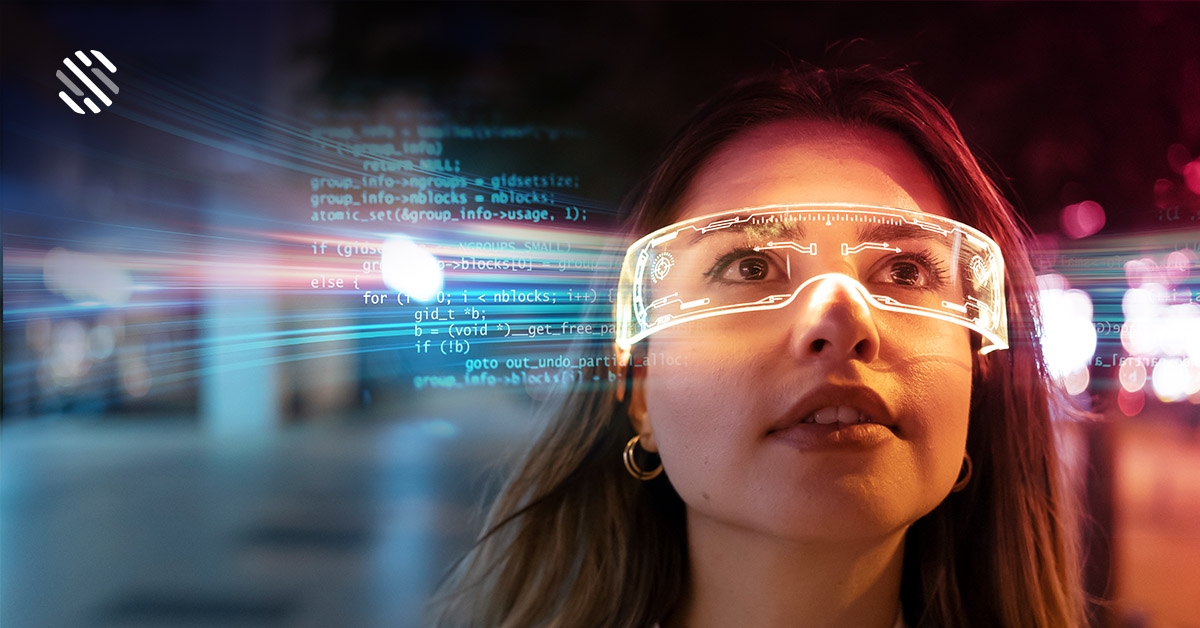
What is Human Augmentation? How does it work? - Sutherland

Vision Prosthetics: Restoring Sight

While enhancing vision is an exciting concept, bionics has already made strides in restoring lost sight. Retinal implants, such as the Argus II, help blind individuals regain a form of sight by stimulating the retina using electronic devices. These advancements give hope to millions of people affected by visual impairments and could pave the way for future enhancements.


3. Hearing: Bionic Ears for the Future

Our hearing is limited by the frequencies we can detect, ranging from 20 Hz to 20 kHz. However, bionic ears could expand the range of human hearing.

Ultra-Low and Ultra-High Frequencies

Certain animals, like elephants and dolphins, can hear ultra-low and ultra-high frequencies, respectively. By augmenting human ears with bionic components, it may become possible to hear sounds beyond the current human range. This could be especially useful for detecting seismic activity, animal communication, or even environmental changes that are otherwise imperceptible.

Hearing Aids and Cochlear Implants

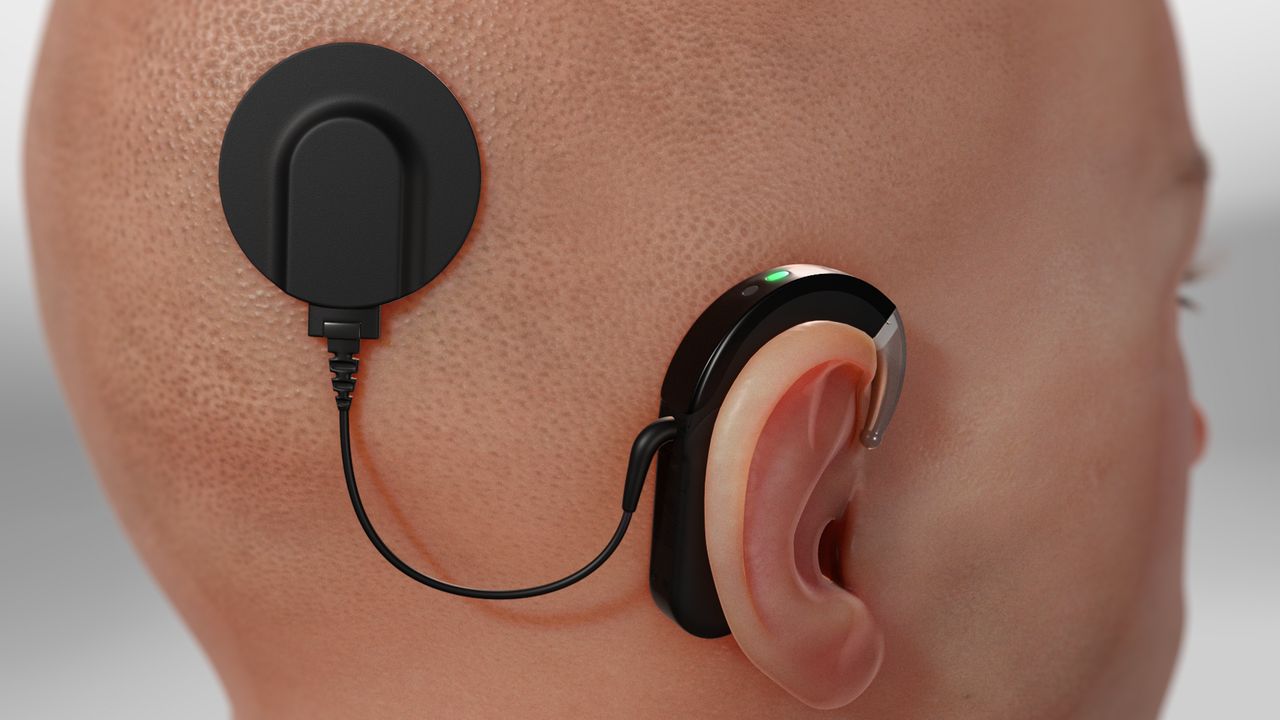
Cochlear implants, which have been around for several decades, are one of the most successful examples of bionic hearing technology. These implants bypass damaged portions of the ear and directly stimulate the auditory nerve, enabling individuals with profound hearing loss to perceive sound. With further advancements, future implants could offer not only restoration of hearing but also the enhancement of it, allowing users to detect sounds across a broader frequency spectrum.


4. Touch: Bionic Skin and Sensory Feedback

One of the most fascinating areas of bionic development is the creation of artificial skin, capable of restoring and even enhancing the sense of touch.

Bionic Skin: A Step Toward Enhanced Sensory Perception

Imagine a world where prosthetic limbs are not only functional but also provide sensory feedback. Researchers are working on developing bionic skin, which integrates with the nervous system to provide sensations such as heat, pressure, or texture. With bionic skin, people who use prosthetics could feel sensations that mimic natural skin, giving them a sense of touch and increasing the precision of their movements.

Haptic Feedback Technology

Haptic feedback, which simulates the sense of touch in virtual reality environments, is also being integrated into bionic devices. By using pressure, vibration, and motion, these systems allow users to “feel” their digital surroundings. This technology is being explored for applications ranging from virtual reality to telemedicine, where tactile feedback could allow a doctor to perform remote surgeries with enhanced precision.


5. The Next Frontier: Integrating Multiple Senses

The future of bionics doesn’t just lie in enhancing one sense at a time. What if we could combine enhancements, enabling humans to perceive the world in ways we never thought possible?
Cochlear Implant - Willis Knighton Health - Shreveport - Bossier City -  Ark-La-Tex

Multisensory Integration: A Unified Bionic System

One exciting possibility is the creation of a unified bionic system that combines multiple sensory enhancements. For example, an individual with a bionic eye that sees in both infrared and ultraviolet could also have a bionic ear that detects sounds outside the normal human range. Combining these sensory inputs would offer an integrated experience of the world, providing a richer and more nuanced perception.

Sensory Augmentation in the Brain

Scientists are already working on the concept of brain-machine interfaces (BMIs) that directly connect the brain to external devices. This could enable a person to experience bionic enhancements without relying on traditional sensory organs. The brain could be trained to interpret new signals, such as the detection of electromagnetic fields or the ability to sense chemical changes in the environment.


6. Ethical and Societal Implications

With the promise of bionics comes a set of ethical questions and challenges.

Redefining Human Nature

As we enhance the human body with technology, we are forced to ask, “What does it mean to be human?” If we can create individuals with enhanced senses, do we risk losing the qualities that make us uniquely human? There is a fine line between restoring a sense lost due to injury or disease and altering the very fabric of human nature.

Access and Equity

Like any emerging technology, bionic enhancements could exacerbate existing inequalities. Who will have access to these technologies? Will it be available only to the wealthy, or will it be democratized? These questions need to be answered to ensure that the benefits of bionics are distributed fairly.

Privacy and Security

Enhanced senses may come with their own set of privacy concerns. For example, if a bionic eye allows a person to see in infrared or ultraviolet, could it be used to spy on others? Similarly, hearing enhanced frequencies could expose someone to previously unnoticed conversations or private moments. The development of these technologies will require careful consideration of security and privacy laws.


7. Conclusion: The Future of Human Enhancement

The potential of bionics to create human beings with enhanced senses is both exhilarating and daunting. From restoring lost senses to opening new realms of perception, bionic technology offers an unprecedented opportunity to redefine human capabilities. However, as we push forward, it’s crucial to balance innovation with ethical considerations. The future may one day see a world where bionics not only heal but also elevate the human experience, allowing us to explore and perceive our world in ways we once thought impossible.


Tags: BioengineeringBionic EyesHealthcareHuman Enhancement
ShareTweetShare

Related Posts

Bionics: The Key to Human Immortality?
Bionics

Bionics: The Key to Human Immortality?

December 2, 2025
Bionic Organs: Can They Save Lives or Create New Ethical Dilemmas?
Bionics

Bionic Organs: Can They Save Lives or Create New Ethical Dilemmas?

December 1, 2025
The Future of Prosthetics: Is It Fully Bionic?
Bionics

The Future of Prosthetics: Is It Fully Bionic?

November 30, 2025
What Happens When Bionics Merge with Artificial Intelligence?
Bionics

What Happens When Bionics Merge with Artificial Intelligence?

November 29, 2025
Bionic Enhancements: Could They Improve Our Cognitive Abilities?
Bionics

Bionic Enhancements: Could They Improve Our Cognitive Abilities?

November 28, 2025
How Far Can Bionic Eyes Take Us Beyond Human Vision?
Bionics

How Far Can Bionic Eyes Take Us Beyond Human Vision?

November 27, 2025
Leave Comment
  • Trending
  • Comments
  • Latest
Can Sustainability Drive Profits in Competitive Markets?

Can Sustainability Drive Profits in Competitive Markets?

October 17, 2025
Can the Spotlight Make or Break Your Career?

Can the Spotlight Make or Break Your Career?

October 14, 2025
Does the Spotlight Always Equal Success?

Does the Spotlight Always Equal Success?

October 16, 2025
Can the Spotlight Truly Capture the Essence of a Person?

Can the Spotlight Truly Capture the Essence of a Person?

October 16, 2025
Can Bionics Redefine Human Limitations?

Can Bionics Redefine Human Limitations?

Is Bionics the Future of Prosthetics?

Is Bionics the Future of Prosthetics?

Can We Truly Integrate Technology with Biology?

Can We Truly Integrate Technology with Biology?

How Close Are We to Creating Bionic Organs?

How Close Are We to Creating Bionic Organs?

How Can Spotlights Elevate Your Interior Design Game?

How Can Spotlights Elevate Your Interior Design Game?

December 2, 2025
Will We Ever Live on Mars? And Should We?

Will We Ever Live on Mars? And Should We?

December 2, 2025
Bionics: The Key to Human Immortality?

Bionics: The Key to Human Immortality?

December 2, 2025
How Can Data Privacy be Maintained in a Hyperconnected World?

How Can Data Privacy be Maintained in a Hyperconnected World?

December 2, 2025
CyberGait

Our content caters to engineers, researchers, and tech enthusiasts alike. Through focused articles on algorithms, biomimicry, and industry trends, we provide a comprehensive perspective on the future of movement, from laboratory breakthroughs to commercial products.

© 2025 cybergait.com. contacts:[email protected]

No Result
View All Result
  • Home
  • Bionics
  • Breakthroughs
  • Industry
  • Robotics
  • Spotlight

© 2025 cybergait.com. contacts:[email protected]

Welcome Back!

Login to your account below

Forgotten Password?

Retrieve your password

Please enter your username or email address to reset your password.

Log In