
















CyberGait
  • Home
  • Bionics
    Bionics: The Key to Human Immortality?

    Bionics: The Key to Human Immortality?

    Bionic Organs: Can They Save Lives or Create New Ethical Dilemmas?

    Bionic Organs: Can They Save Lives or Create New Ethical Dilemmas?

    The Future of Prosthetics: Is It Fully Bionic?

    The Future of Prosthetics: Is It Fully Bionic?

    What Happens When Bionics Merge with Artificial Intelligence?

    What Happens When Bionics Merge with Artificial Intelligence?

    Bionic Enhancements: Could They Improve Our Cognitive Abilities?

    Bionic Enhancements: Could They Improve Our Cognitive Abilities?

    How Far Can Bionic Eyes Take Us Beyond Human Vision?

    How Far Can Bionic Eyes Take Us Beyond Human Vision?

  • Breakthroughs
    Will We Ever Live on Mars? And Should We?

    Will We Ever Live on Mars? And Should We?

    Are We on the Brink of a Green Energy Revolution?

    Are We on the Brink of a Green Energy Revolution?

    Can Mind-Controlled Technology Revolutionize Communication?

    Can Mind-Controlled Technology Revolutionize Communication?

    What If We Could 3D Print Human Organs?

    What If We Could 3D Print Human Organs?

    Can Autonomous Vehicles Surpass Human Drivers in Safety?

    Can Autonomous Vehicles Surpass Human Drivers in Safety?

    Genomic Editing the Key to Immortality?

    Genomic Editing the Key to Immortality?

  • Industry
    How Can Data Privacy be Maintained in a Hyperconnected World?

    How Can Data Privacy be Maintained in a Hyperconnected World?

    Is the Gig Economy the Future of Employment?

    Is the Gig Economy the Future of Employment?

    Can Startups Compete with Corporate Giants in Innovation?

    Can Startups Compete with Corporate Giants in Innovation?

    The Future of Work: Truly Remote or Hybrid?

    The Future of Work: Truly Remote or Hybrid?

    How Does Blockchain Impact Global Supply Chains?

    How Does Blockchain Impact Global Supply Chains?

    Are We Overestimating the Power of Automation?

    Are We Overestimating the Power of Automation?

  • Robotics
    Can Robots Adapt to Unpredictable Real-World Environments?

    Can Robots Adapt to Unpredictable Real-World Environments?

    Will Robots Achieve True Autonomy or Always Need Human Oversight?

    Will Robots Achieve True Autonomy or Always Need Human Oversight?

    What Happens When Robots Start Designing Robots?

    What Happens When Robots Start Designing Robots?

    Are We Ready for Robots to Shape Our Creative Industries?

    Are We Ready for Robots to Shape Our Creative Industries?

    Could Robots One Day Replace Human Emotions in Caregiving?

    Could Robots One Day Replace Human Emotions in Caregiving?

    How Do We Ensure Robot Ethics in Autonomous Machines?

    How Do We Ensure Robot Ethics in Autonomous Machines?

  • Spotlight
    How Can Spotlights Elevate Your Interior Design Game?

    How Can Spotlights Elevate Your Interior Design Game?

    What Happens When You Use a Spotlight for Intimate Portraits?

    What Happens When You Use a Spotlight for Intimate Portraits?

    Why Do Spotlight Effects Matter in Cinematic Storytelling?

    Why Do Spotlight Effects Matter in Cinematic Storytelling?

    Could Spotlighting Be the Key to Perfect Product Photography?

    Could Spotlighting Be the Key to Perfect Product Photography?

    Spotlight Technology Changing the Future of Stage Design

    Spotlight Technology Changing the Future of Stage Design

    How Do Different Spotlights Affect Mood and Atmosphere?

    How Do Different Spotlights Affect Mood and Atmosphere?

CyberGait
  • Home
  • Bionics
    Bionics: The Key to Human Immortality?

    Bionics: The Key to Human Immortality?

    Bionic Organs: Can They Save Lives or Create New Ethical Dilemmas?

    Bionic Organs: Can They Save Lives or Create New Ethical Dilemmas?

    The Future of Prosthetics: Is It Fully Bionic?

    The Future of Prosthetics: Is It Fully Bionic?

    What Happens When Bionics Merge with Artificial Intelligence?

    What Happens When Bionics Merge with Artificial Intelligence?

    Bionic Enhancements: Could They Improve Our Cognitive Abilities?

    Bionic Enhancements: Could They Improve Our Cognitive Abilities?

    How Far Can Bionic Eyes Take Us Beyond Human Vision?

    How Far Can Bionic Eyes Take Us Beyond Human Vision?

  • Breakthroughs
    Will We Ever Live on Mars? And Should We?

    Will We Ever Live on Mars? And Should We?

    Are We on the Brink of a Green Energy Revolution?

    Are We on the Brink of a Green Energy Revolution?

    Can Mind-Controlled Technology Revolutionize Communication?

    Can Mind-Controlled Technology Revolutionize Communication?

    What If We Could 3D Print Human Organs?

    What If We Could 3D Print Human Organs?

    Can Autonomous Vehicles Surpass Human Drivers in Safety?

    Can Autonomous Vehicles Surpass Human Drivers in Safety?

    Genomic Editing the Key to Immortality?

    Genomic Editing the Key to Immortality?

  • Industry
    How Can Data Privacy be Maintained in a Hyperconnected World?

    How Can Data Privacy be Maintained in a Hyperconnected World?

    Is the Gig Economy the Future of Employment?

    Is the Gig Economy the Future of Employment?

    Can Startups Compete with Corporate Giants in Innovation?

    Can Startups Compete with Corporate Giants in Innovation?

    The Future of Work: Truly Remote or Hybrid?

    The Future of Work: Truly Remote or Hybrid?

    How Does Blockchain Impact Global Supply Chains?

    How Does Blockchain Impact Global Supply Chains?

    Are We Overestimating the Power of Automation?

    Are We Overestimating the Power of Automation?

  • Robotics
    Can Robots Adapt to Unpredictable Real-World Environments?

    Can Robots Adapt to Unpredictable Real-World Environments?

    Will Robots Achieve True Autonomy or Always Need Human Oversight?

    Will Robots Achieve True Autonomy or Always Need Human Oversight?

    What Happens When Robots Start Designing Robots?

    What Happens When Robots Start Designing Robots?

    Are We Ready for Robots to Shape Our Creative Industries?

    Are We Ready for Robots to Shape Our Creative Industries?

    Could Robots One Day Replace Human Emotions in Caregiving?

    Could Robots One Day Replace Human Emotions in Caregiving?

    How Do We Ensure Robot Ethics in Autonomous Machines?

    How Do We Ensure Robot Ethics in Autonomous Machines?

  • Spotlight
    How Can Spotlights Elevate Your Interior Design Game?

    How Can Spotlights Elevate Your Interior Design Game?

    What Happens When You Use a Spotlight for Intimate Portraits?

    What Happens When You Use a Spotlight for Intimate Portraits?

    Why Do Spotlight Effects Matter in Cinematic Storytelling?

    Why Do Spotlight Effects Matter in Cinematic Storytelling?

    Could Spotlighting Be the Key to Perfect Product Photography?

    Could Spotlighting Be the Key to Perfect Product Photography?

    Spotlight Technology Changing the Future of Stage Design

    Spotlight Technology Changing the Future of Stage Design

    How Do Different Spotlights Affect Mood and Atmosphere?

    How Do Different Spotlights Affect Mood and Atmosphere?

CyberGait
No Result
View All Result
Home Robotics

Is the World Ready for a Future with Autonomous Robots?

October 16, 2025
in Robotics
Is the World Ready for a Future with Autonomous Robots?

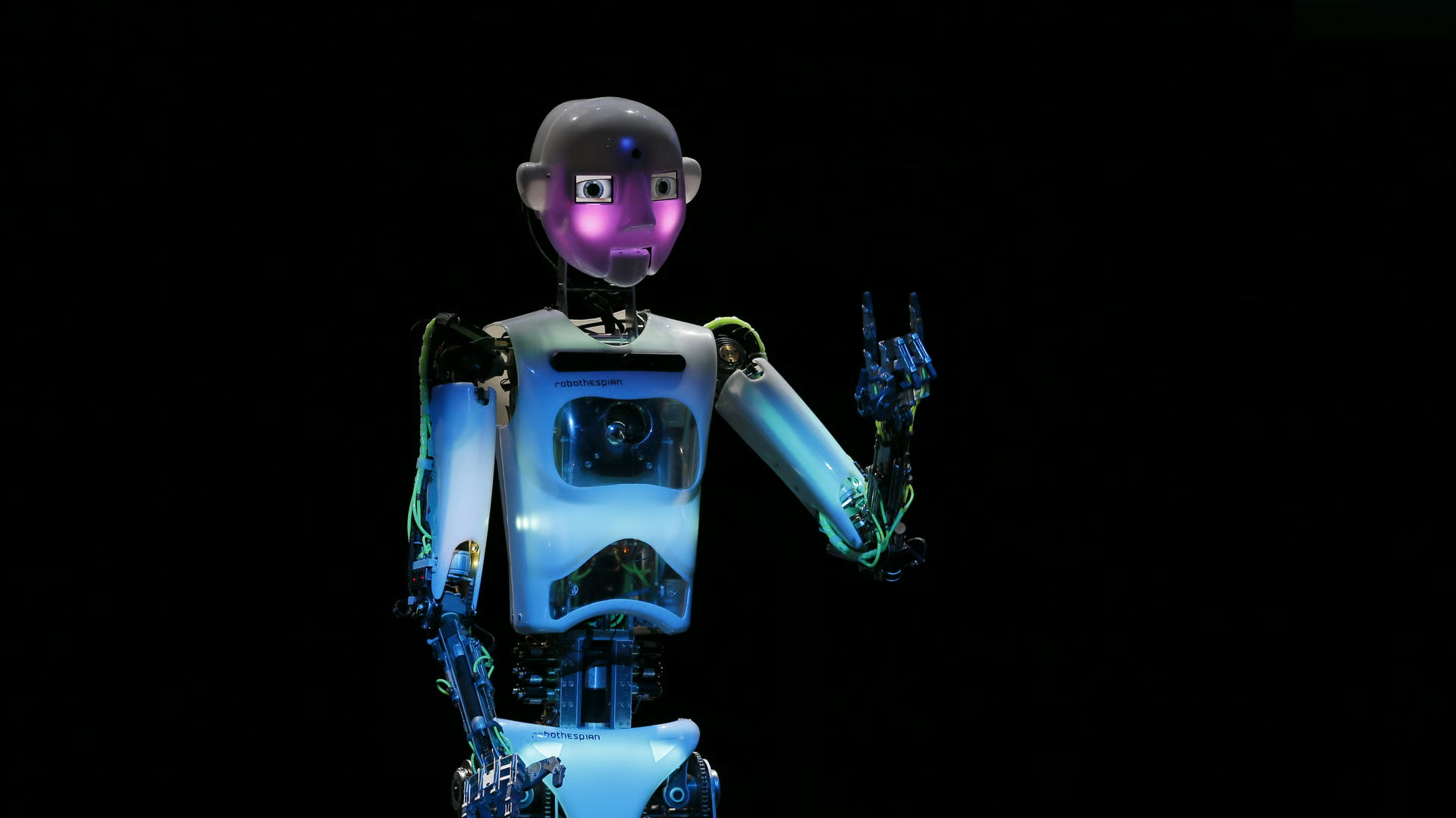
In a world that constantly evolves with new technological breakthroughs, autonomous robots are rapidly moving from science fiction to everyday reality. With artificial intelligence, machine learning, and robotics advancing at an exponential rate, the idea of robots seamlessly integrating into various industries, from healthcare to transportation, seems inevitable. But is the world truly ready for a future dominated by these intelligent machines? Let’s take a closer look at the current landscape, the challenges ahead, and the exciting possibilities that lie in this futuristic yet imminent world.

The Rise of Autonomous Robots

Autonomous robots are machines capable of performing tasks without human intervention. Unlike traditional robots that require manual control, autonomous robots use a combination of sensors, algorithms, and artificial intelligence to make decisions in real-time. These robots are designed to learn from their environment, adapt to changing conditions, and improve their efficiency over time.

The Technology Behind Autonomous Robots

The backbone of autonomous robots lies in several core technologies:

  • Artificial Intelligence (AI) and Machine Learning: AI allows robots to process large amounts of data, recognize patterns, and make informed decisions. Machine learning, a subset of AI, enables robots to learn from past experiences and improve their performance without human input.
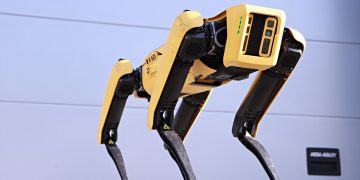
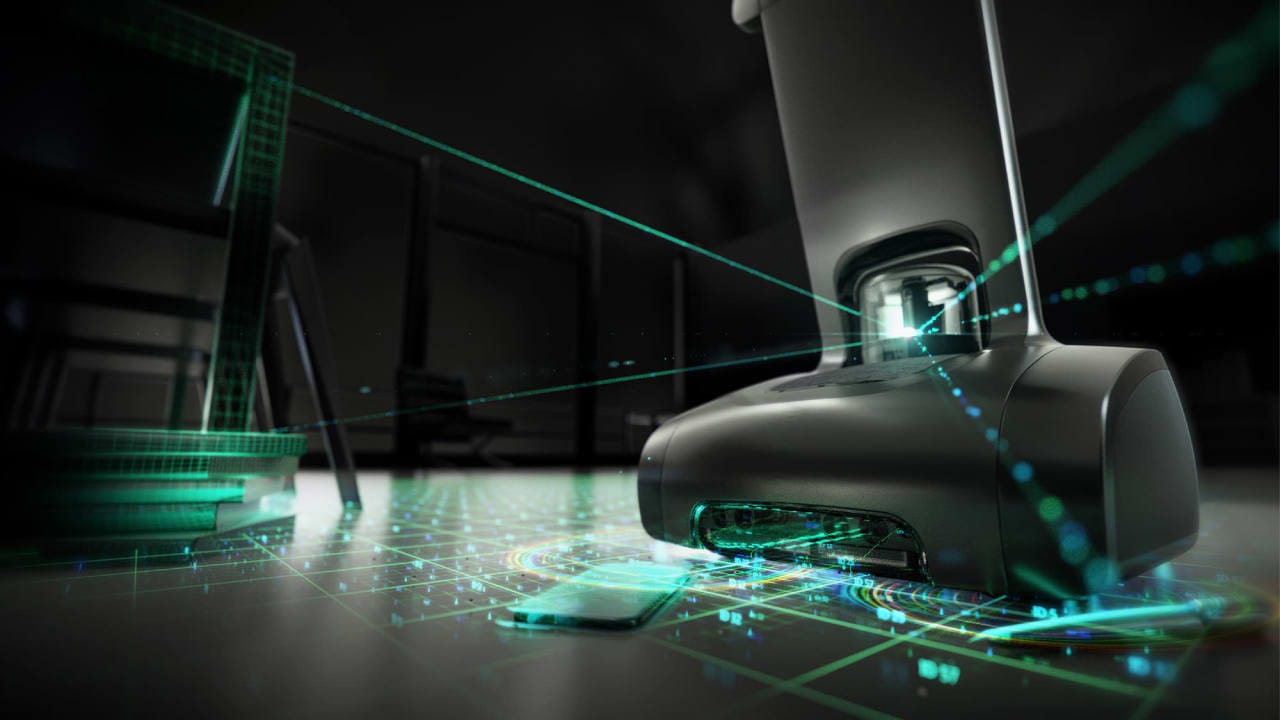
  • Sensors and Vision Systems: Robots rely on a variety of sensors, including cameras, LIDAR (Light Detection and Ranging), and GPS, to understand their surroundings. These sensors help robots navigate and interact with their environment safely and efficiently.
  • Autonomy and Decision-Making Algorithms: Autonomous robots are equipped with decision-making algorithms that allow them to assess their environment, identify tasks, and take appropriate actions without direct human oversight.

As these technologies evolve, robots are becoming increasingly capable of performing complex tasks in dynamic, unpredictable environments. This has the potential to revolutionize industries such as healthcare, manufacturing, logistics, and even space exploration.

Industries Benefiting from Autonomous Robots

The impact of autonomous robots can already be seen across various industries. Let’s explore some of the key sectors where these robots are making a significant difference:

  1. Healthcare: Revolutionizing Patient Care
Which Cars Have Self-Driving Features?

In healthcare, autonomous robots are transforming the way care is delivered. Surgical robots, such as the da Vinci Surgical System, already assist in minimally invasive surgeries, improving precision and reducing recovery times. In the future, robots could take on more complex tasks like administering medication, assisting with physical therapy, and even providing remote care to patients in underserved areas.

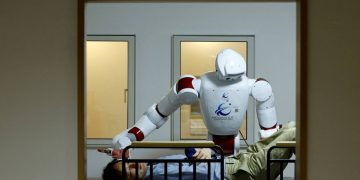
Additionally, robots could help alleviate the shortage of healthcare workers, particularly in regions where human resources are stretched thin. Autonomous robots could perform routine tasks like monitoring vital signs, delivering medical supplies, and sterilizing hospital rooms, allowing medical professionals to focus on higher-level care.

  1. Transportation: Changing the Way We Move

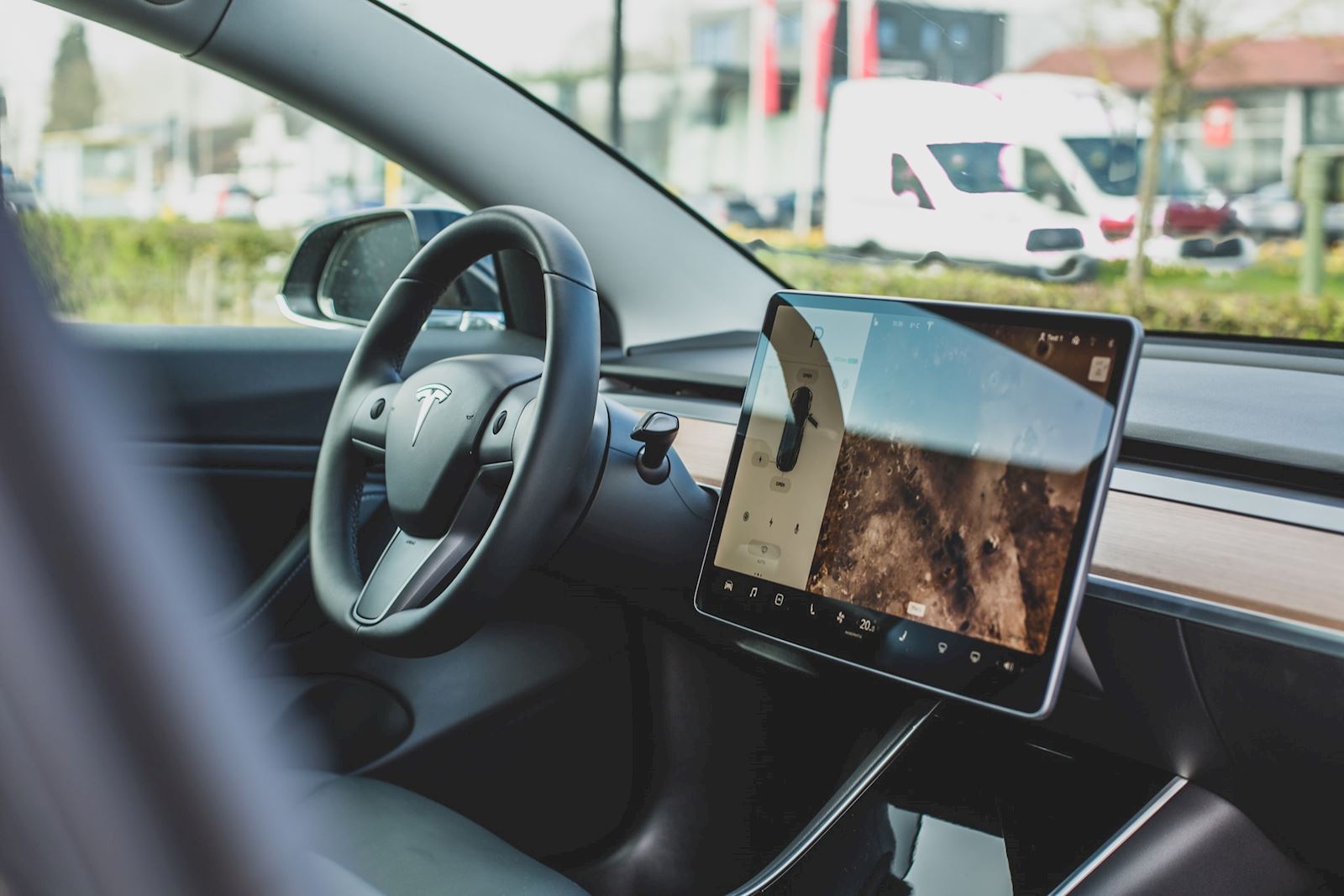
Autonomous vehicles (AVs) are perhaps the most well-known application of autonomous robots. Self-driving cars, trucks, and drones are already being tested and, in some cases, deployed on public roads. Companies like Tesla, Waymo, and Uber are racing to create safe and reliable AVs that could reduce traffic accidents, improve fuel efficiency, and lower transportation costs.

In the logistics sector, autonomous trucks could revolutionize supply chains. Long-haul trucking, which is currently labor-intensive and fraught with safety concerns, could be transformed by autonomous vehicles that can operate around the clock, reducing transportation time and costs.

Drones are also being used for package delivery. Companies like Amazon are experimenting with drone fleets that can deliver small parcels in urban and rural areas, speeding up delivery times and reducing congestion.

  1. Manufacturing: Enhancing Precision and Productivity

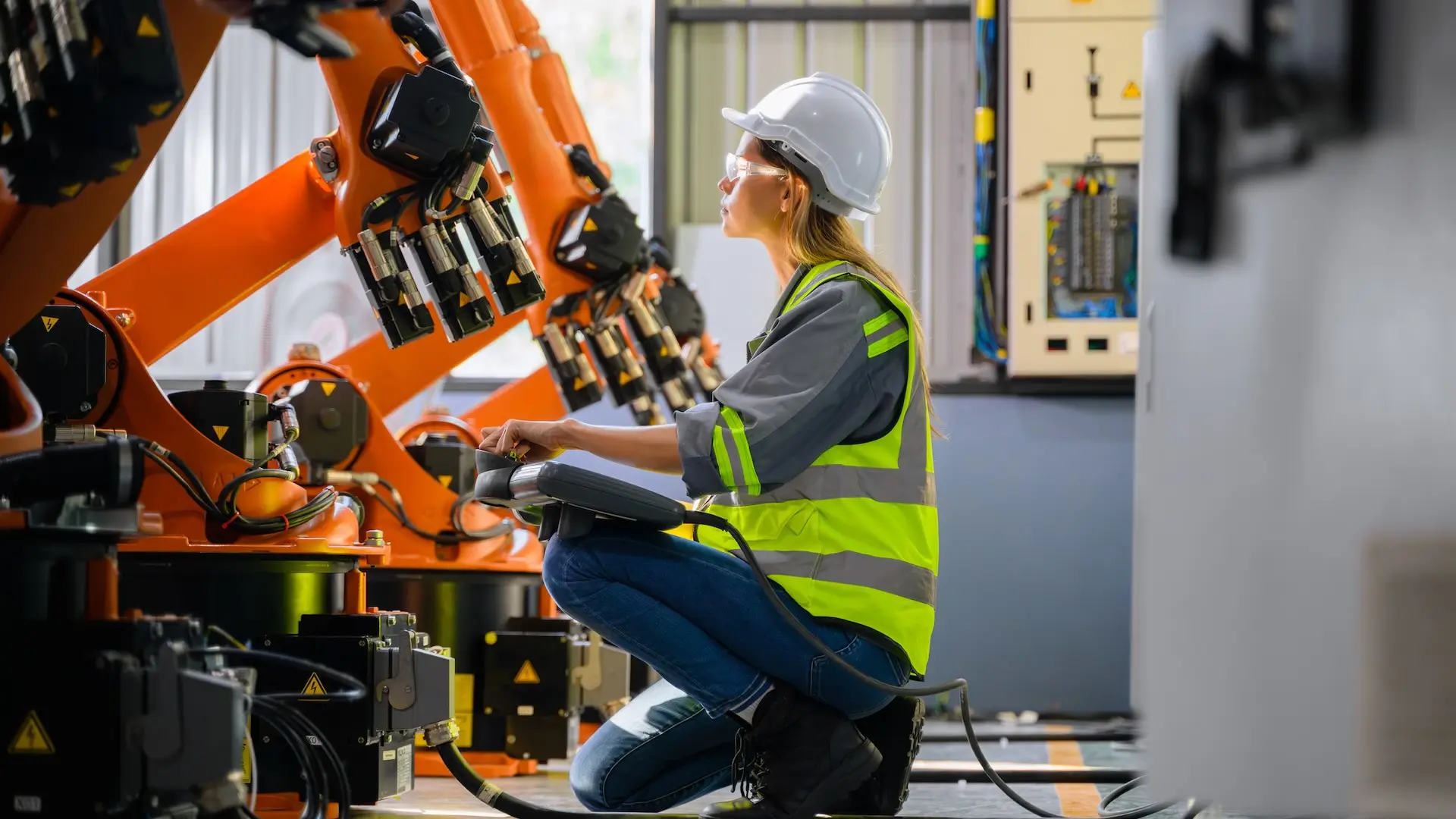
The manufacturing sector has long been an early adopter of automation. Now, with the advent of autonomous robots, manufacturers are pushing the boundaries of productivity and precision. Robots can work in assembly lines, perform quality control, and even undertake hazardous tasks, such as handling toxic materials or working in extreme environments like deep-sea or space exploration.

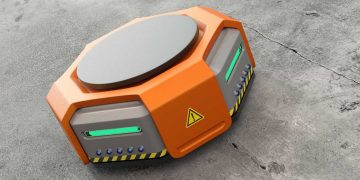
Autonomous robots in warehouses are also becoming a game-changer. Companies like Amazon use fleets of autonomous robots that transport items from one part of the warehouse to another, improving efficiency and reducing the need for human labor in physically demanding tasks.

  1. Agriculture: Revolutionizing Farming Practices

In agriculture, autonomous robots are beginning to revolutionize how crops are planted, watered, and harvested. Robots equipped with sensors can monitor soil quality, detect pests, and assess crop health. Drones are being used to deliver precise amounts of water, fertilizers, and pesticides, reducing waste and improving crop yields.

Additionally, autonomous tractors and harvesters are helping farmers maintain large fields without the need for extensive human labor, which is particularly valuable in regions facing labor shortages.

  1. Space Exploration: Pushing the Boundaries of the Unknown

Autonomous robots are also playing a critical role in space exploration. NASA and private companies are developing robots that can perform tasks on the moon, Mars, and beyond. These robots could assist astronauts in building habitats, conducting scientific experiments, and exploring extraterrestrial surfaces.

For instance, the Mars rovers sent by NASA have been exploring the Red Planet for over a decade, transmitting valuable data about its surface. In the future, autonomous robots may be key players in humanity’s quest to colonize other planets.

Challenges in Adopting Autonomous Robots

Despite the promising potential of autonomous robots, several challenges must be addressed before they can become an integral part of our daily lives.

  1. Safety and Reliability

Ensuring that autonomous robots are safe and reliable is a top priority. Self-driving cars, for example, need to be able to navigate complex road conditions, including inclement weather, construction zones, and unpredictable human drivers. A single failure in the robot’s decision-making process could lead to catastrophic accidents.

Similarly, in healthcare, robots must be highly precise and fail-safe to prevent harm to patients. As robots are deployed in more critical environments, rigorous testing and continuous monitoring will be essential to maintain public trust.

  1. Ethical and Legal Concerns

The rise of autonomous robots brings with it a host of ethical and legal challenges. Questions surrounding accountability and responsibility in the event of an accident are a major concern. If a self-driving car causes an accident, who is liable? The manufacturer? The software developer? The human operator?
Industrial robotics: Past, present, and future

In healthcare, the ethical implications of robots replacing human workers or making decisions about patient care must be carefully considered. How much decision-making should be delegated to machines, and where should human judgment remain at the center?

Moreover, there are concerns about privacy and security. Autonomous robots rely on vast amounts of data, including personal information, which makes them prime targets for cyberattacks. Securing these systems against malicious threats is crucial to maintaining the integrity of these technologies.

  1. Job Displacement

While autonomous robots have the potential to enhance productivity and reduce costs, they also raise concerns about job displacement. As robots take over tasks in manufacturing, logistics, and even healthcare, there is a growing fear that human workers will lose their jobs to machines.

While some argue that robots will create new jobs in industries like robotics maintenance, AI development, and system monitoring, the transition may be challenging for workers whose skills are no longer in demand. Governments and industries must find ways to reskill and retrain workers to adapt to this changing landscape.

  1. Public Perception and Trust

Perhaps one of the biggest hurdles to the widespread adoption of autonomous robots is public perception. Many people are wary of machines that make decisions without human oversight. Issues such as AI bias, loss of privacy, and concerns over robots replacing human interaction have created skepticism about the future of autonomous robots.

Building public trust will require transparency, rigorous testing, and clear regulations that ensure the safety and ethical deployment of robots. Ongoing dialogue between technology developers, policymakers, and the public is essential to navigating these concerns.

The Road Ahead: A Future Powered by Autonomous Robots

Despite the challenges, the potential for autonomous robots is immense. As technology continues to improve, robots will become more reliable, efficient, and capable of taking on increasingly complex tasks. The key to a successful future lies in balancing innovation with thoughtful regulation, ensuring that robots are deployed in ways that enhance human life rather than replace it.

In the coming years, we can expect to see more robots in our daily lives, whether as assistants in our homes, healthcare providers, or self-driving vehicles on the road. While there will undoubtedly be hurdles to overcome, the future is bright for autonomous robots, and the world will need to adapt to the changing landscape.


Tags: Autonomous RobotsEthicsHuman-Robot InteractionRobot Rights
ShareTweetShare

Related Posts

Can Robots Adapt to Unpredictable Real-World Environments?
Robotics

Can Robots Adapt to Unpredictable Real-World Environments?

December 2, 2025
Will Robots Achieve True Autonomy or Always Need Human Oversight?
Robotics

Will Robots Achieve True Autonomy or Always Need Human Oversight?

December 1, 2025
What Happens When Robots Start Designing Robots?
Robotics

What Happens When Robots Start Designing Robots?

November 30, 2025
Are We Ready for Robots to Shape Our Creative Industries?
Robotics

Are We Ready for Robots to Shape Our Creative Industries?

November 29, 2025
Could Robots One Day Replace Human Emotions in Caregiving?
Robotics

Could Robots One Day Replace Human Emotions in Caregiving?

November 28, 2025
How Do We Ensure Robot Ethics in Autonomous Machines?
Robotics

How Do We Ensure Robot Ethics in Autonomous Machines?

November 27, 2025
Leave Comment
  • Trending
  • Comments
  • Latest
Can Sustainability Drive Profits in Competitive Markets?

Can Sustainability Drive Profits in Competitive Markets?

October 17, 2025
Can the Spotlight Make or Break Your Career?

Can the Spotlight Make or Break Your Career?

October 14, 2025
Does the Spotlight Always Equal Success?

Does the Spotlight Always Equal Success?

October 16, 2025
Can the Spotlight Truly Capture the Essence of a Person?

Can the Spotlight Truly Capture the Essence of a Person?

October 16, 2025
Can Bionics Redefine Human Limitations?

Can Bionics Redefine Human Limitations?

Is Bionics the Future of Prosthetics?

Is Bionics the Future of Prosthetics?

Can We Truly Integrate Technology with Biology?

Can We Truly Integrate Technology with Biology?

How Close Are We to Creating Bionic Organs?

How Close Are We to Creating Bionic Organs?

How Can Spotlights Elevate Your Interior Design Game?

How Can Spotlights Elevate Your Interior Design Game?

December 2, 2025
Will We Ever Live on Mars? And Should We?

Will We Ever Live on Mars? And Should We?

December 2, 2025
Bionics: The Key to Human Immortality?

Bionics: The Key to Human Immortality?

December 2, 2025
How Can Data Privacy be Maintained in a Hyperconnected World?

How Can Data Privacy be Maintained in a Hyperconnected World?

December 2, 2025
CyberGait

Our content caters to engineers, researchers, and tech enthusiasts alike. Through focused articles on algorithms, biomimicry, and industry trends, we provide a comprehensive perspective on the future of movement, from laboratory breakthroughs to commercial products.

© 2025 cybergait.com. contacts:[email protected]

No Result
View All Result
  • Home
  • Bionics
  • Breakthroughs
  • Industry
  • Robotics
  • Spotlight

© 2025 cybergait.com. contacts:[email protected]

Welcome Back!

Login to your account below

Forgotten Password?

Retrieve your password

Please enter your username or email address to reset your password.

Log In