










CyberGait
  • Home
  • Bionics
    Bionics: The Key to Human Immortality?

    Bionics: The Key to Human Immortality?

    Bionic Organs: Can They Save Lives or Create New Ethical Dilemmas?

    Bionic Organs: Can They Save Lives or Create New Ethical Dilemmas?

    The Future of Prosthetics: Is It Fully Bionic?

    The Future of Prosthetics: Is It Fully Bionic?

    What Happens When Bionics Merge with Artificial Intelligence?

    What Happens When Bionics Merge with Artificial Intelligence?

    Bionic Enhancements: Could They Improve Our Cognitive Abilities?

    Bionic Enhancements: Could They Improve Our Cognitive Abilities?

    How Far Can Bionic Eyes Take Us Beyond Human Vision?

    How Far Can Bionic Eyes Take Us Beyond Human Vision?

  • Breakthroughs
    Will We Ever Live on Mars? And Should We?

    Will We Ever Live on Mars? And Should We?

    Are We on the Brink of a Green Energy Revolution?

    Are We on the Brink of a Green Energy Revolution?

    Can Mind-Controlled Technology Revolutionize Communication?

    Can Mind-Controlled Technology Revolutionize Communication?

    What If We Could 3D Print Human Organs?

    What If We Could 3D Print Human Organs?

    Can Autonomous Vehicles Surpass Human Drivers in Safety?

    Can Autonomous Vehicles Surpass Human Drivers in Safety?

    Genomic Editing the Key to Immortality?

    Genomic Editing the Key to Immortality?

  • Industry
    How Can Data Privacy be Maintained in a Hyperconnected World?

    How Can Data Privacy be Maintained in a Hyperconnected World?

    Is the Gig Economy the Future of Employment?

    Is the Gig Economy the Future of Employment?

    Can Startups Compete with Corporate Giants in Innovation?

    Can Startups Compete with Corporate Giants in Innovation?

    The Future of Work: Truly Remote or Hybrid?

    The Future of Work: Truly Remote or Hybrid?

    How Does Blockchain Impact Global Supply Chains?

    How Does Blockchain Impact Global Supply Chains?

    Are We Overestimating the Power of Automation?

    Are We Overestimating the Power of Automation?

  • Robotics
    Can Robots Adapt to Unpredictable Real-World Environments?

    Can Robots Adapt to Unpredictable Real-World Environments?

    Will Robots Achieve True Autonomy or Always Need Human Oversight?

    Will Robots Achieve True Autonomy or Always Need Human Oversight?

    What Happens When Robots Start Designing Robots?

    What Happens When Robots Start Designing Robots?

    Are We Ready for Robots to Shape Our Creative Industries?

    Are We Ready for Robots to Shape Our Creative Industries?

    Could Robots One Day Replace Human Emotions in Caregiving?

    Could Robots One Day Replace Human Emotions in Caregiving?

    How Do We Ensure Robot Ethics in Autonomous Machines?

    How Do We Ensure Robot Ethics in Autonomous Machines?

  • Spotlight
    How Can Spotlights Elevate Your Interior Design Game?

    How Can Spotlights Elevate Your Interior Design Game?

    What Happens When You Use a Spotlight for Intimate Portraits?

    What Happens When You Use a Spotlight for Intimate Portraits?

    Why Do Spotlight Effects Matter in Cinematic Storytelling?

    Why Do Spotlight Effects Matter in Cinematic Storytelling?

    Could Spotlighting Be the Key to Perfect Product Photography?

    Could Spotlighting Be the Key to Perfect Product Photography?

    Spotlight Technology Changing the Future of Stage Design

    Spotlight Technology Changing the Future of Stage Design

    How Do Different Spotlights Affect Mood and Atmosphere?

    How Do Different Spotlights Affect Mood and Atmosphere?

CyberGait
  • Home
  • Bionics
    Bionics: The Key to Human Immortality?

    Bionics: The Key to Human Immortality?

    Bionic Organs: Can They Save Lives or Create New Ethical Dilemmas?

    Bionic Organs: Can They Save Lives or Create New Ethical Dilemmas?

    The Future of Prosthetics: Is It Fully Bionic?

    The Future of Prosthetics: Is It Fully Bionic?

    What Happens When Bionics Merge with Artificial Intelligence?

    What Happens When Bionics Merge with Artificial Intelligence?

    Bionic Enhancements: Could They Improve Our Cognitive Abilities?

    Bionic Enhancements: Could They Improve Our Cognitive Abilities?

    How Far Can Bionic Eyes Take Us Beyond Human Vision?

    How Far Can Bionic Eyes Take Us Beyond Human Vision?

  • Breakthroughs
    Will We Ever Live on Mars? And Should We?

    Will We Ever Live on Mars? And Should We?

    Are We on the Brink of a Green Energy Revolution?

    Are We on the Brink of a Green Energy Revolution?

    Can Mind-Controlled Technology Revolutionize Communication?

    Can Mind-Controlled Technology Revolutionize Communication?

    What If We Could 3D Print Human Organs?

    What If We Could 3D Print Human Organs?

    Can Autonomous Vehicles Surpass Human Drivers in Safety?

    Can Autonomous Vehicles Surpass Human Drivers in Safety?

    Genomic Editing the Key to Immortality?

    Genomic Editing the Key to Immortality?

  • Industry
    How Can Data Privacy be Maintained in a Hyperconnected World?

    How Can Data Privacy be Maintained in a Hyperconnected World?

    Is the Gig Economy the Future of Employment?

    Is the Gig Economy the Future of Employment?

    Can Startups Compete with Corporate Giants in Innovation?

    Can Startups Compete with Corporate Giants in Innovation?

    The Future of Work: Truly Remote or Hybrid?

    The Future of Work: Truly Remote or Hybrid?

    How Does Blockchain Impact Global Supply Chains?

    How Does Blockchain Impact Global Supply Chains?

    Are We Overestimating the Power of Automation?

    Are We Overestimating the Power of Automation?

  • Robotics
    Can Robots Adapt to Unpredictable Real-World Environments?

    Can Robots Adapt to Unpredictable Real-World Environments?

    Will Robots Achieve True Autonomy or Always Need Human Oversight?

    Will Robots Achieve True Autonomy or Always Need Human Oversight?

    What Happens When Robots Start Designing Robots?

    What Happens When Robots Start Designing Robots?

    Are We Ready for Robots to Shape Our Creative Industries?

    Are We Ready for Robots to Shape Our Creative Industries?

    Could Robots One Day Replace Human Emotions in Caregiving?

    Could Robots One Day Replace Human Emotions in Caregiving?

    How Do We Ensure Robot Ethics in Autonomous Machines?

    How Do We Ensure Robot Ethics in Autonomous Machines?

  • Spotlight
    How Can Spotlights Elevate Your Interior Design Game?

    How Can Spotlights Elevate Your Interior Design Game?

    What Happens When You Use a Spotlight for Intimate Portraits?

    What Happens When You Use a Spotlight for Intimate Portraits?

    Why Do Spotlight Effects Matter in Cinematic Storytelling?

    Why Do Spotlight Effects Matter in Cinematic Storytelling?

    Could Spotlighting Be the Key to Perfect Product Photography?

    Could Spotlighting Be the Key to Perfect Product Photography?

    Spotlight Technology Changing the Future of Stage Design

    Spotlight Technology Changing the Future of Stage Design

    How Do Different Spotlights Affect Mood and Atmosphere?

    How Do Different Spotlights Affect Mood and Atmosphere?

CyberGait
No Result
View All Result
Home Robotics

Can Robots Be Truly Creative, or Just Programmed?

October 16, 2025
in Robotics
Can Robots Be Truly Creative, or Just Programmed?

Introduction: The Boundaries of Creativity and Machines

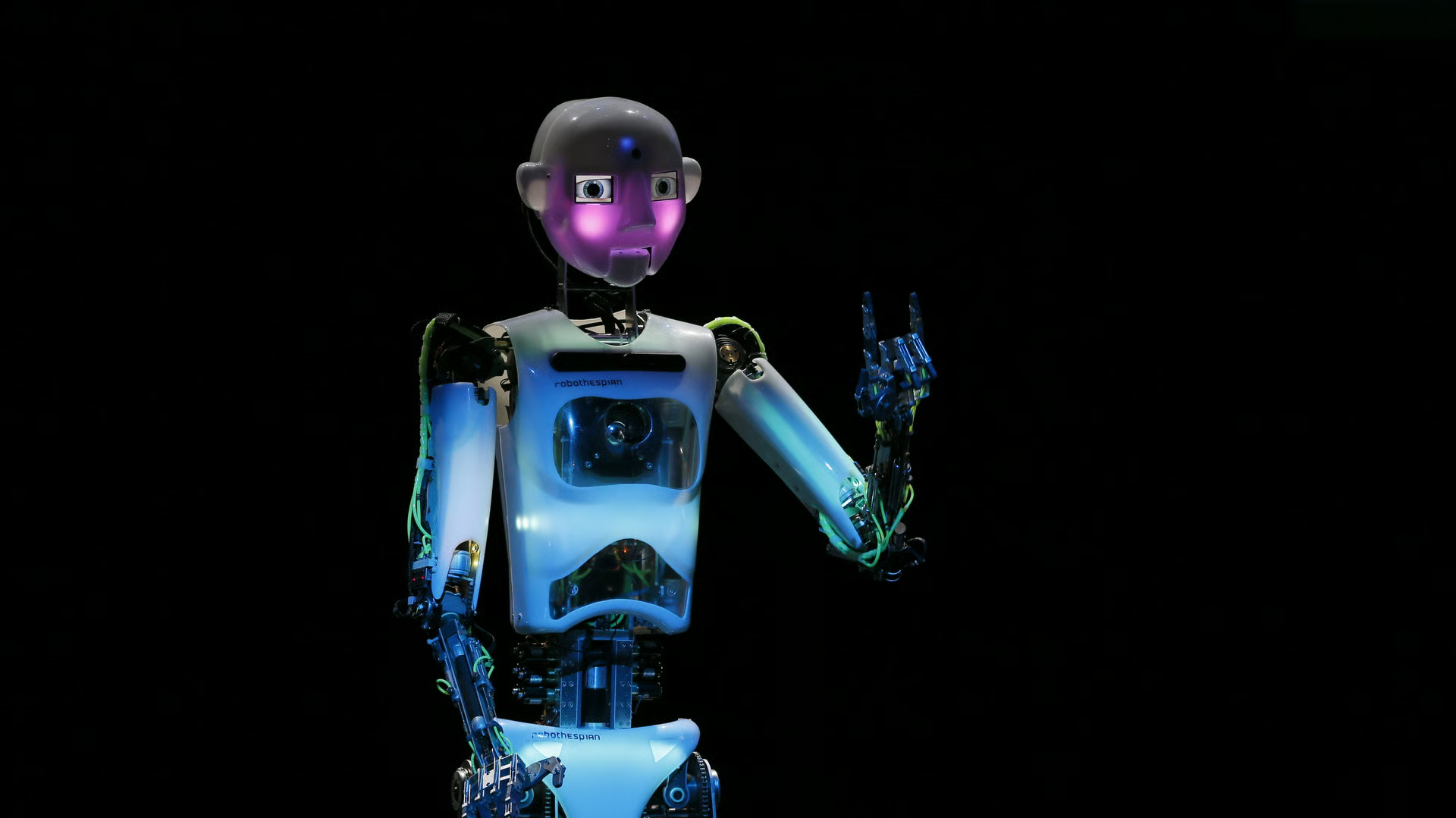
In a world where machines are becoming increasingly sophisticated, the question arises: can robots ever be truly creative, or are they simply executing complex algorithms designed by humans? The rise of artificial intelligence (AI) and machine learning (ML) has brought us closer than ever to machines that can generate art, compose music, write stories, and even engage in seemingly creative tasks. But can this really be considered “creativity,” or is it just an illusion fueled by programming and data?

To tackle this question, we need to first define what we mean by creativity and then explore the capabilities and limitations of artificial systems. Creativity, in its essence, involves the ability to generate novel and valuable ideas or solutions. It’s an intrinsically human trait that spans various domains—be it in the arts, sciences, or problem-solving. Machines, however, operate differently, relying on predefined rules and vast data sets. This raises the central question of whether creativity is an exclusively human trait or if it can be replicated—or even surpassed—by artificial agents.

The Machine Learning Revolution: Understanding the Basics

Before diving into the philosophical implications of machine creativity, it’s essential to understand the technology behind modern robots and AI systems. Machine learning is the backbone of today’s intelligent systems, and it is through this technology that robots “learn” from data and improve their performance over time. In ML, algorithms are trained on large datasets, which allow them to recognize patterns, make predictions, and, in some cases, generate novel outputs.

For example, AI models like OpenAI’s GPT-3 and DALL·E are capable of creating text and images that mimic human creativity. These models do not “understand” the content they generate in the way humans do, but they can produce coherent and visually appealing results by analyzing patterns in the data they have been exposed to.

The Nature of Creativity: Is It More Than a Computation?
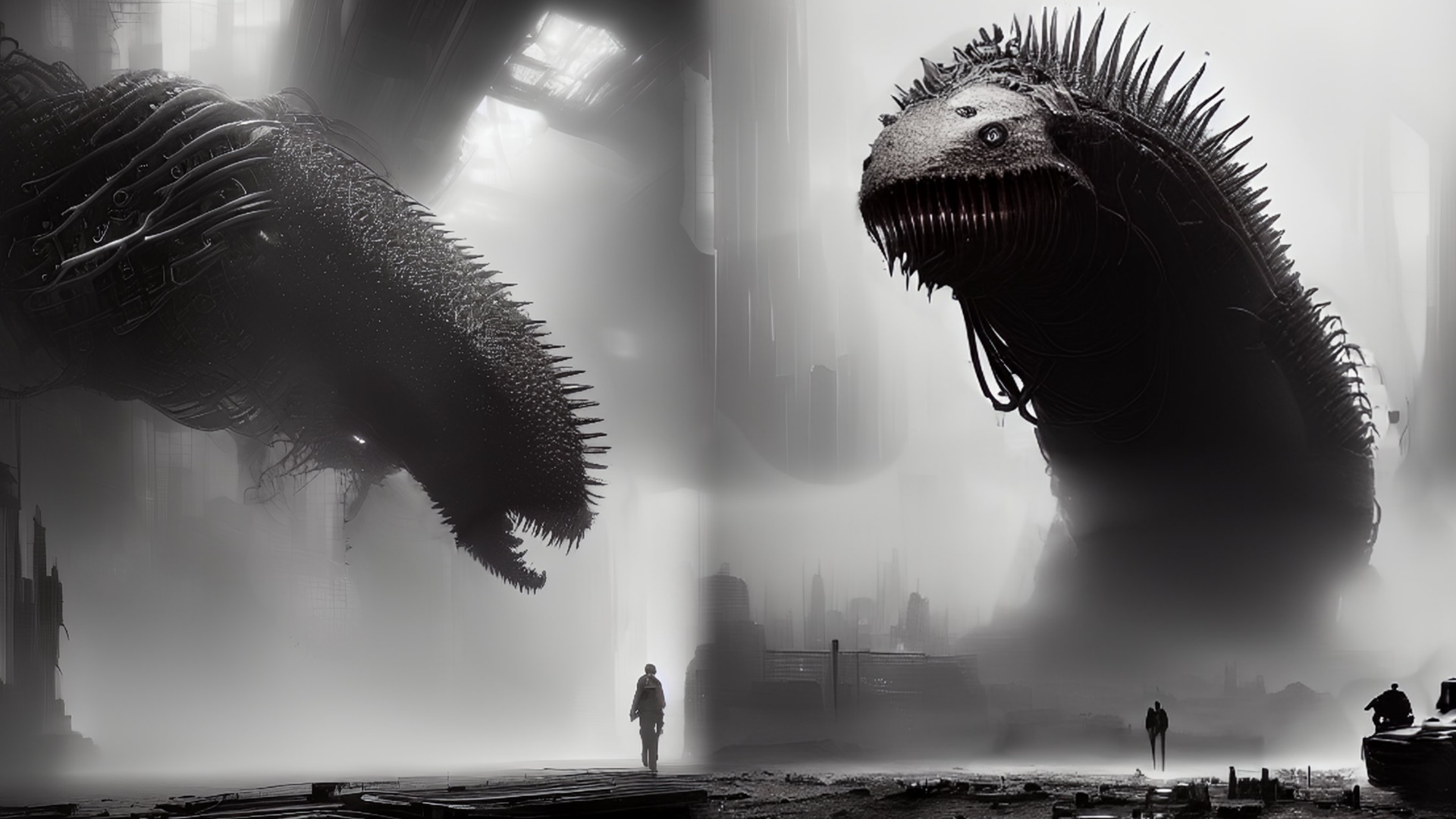
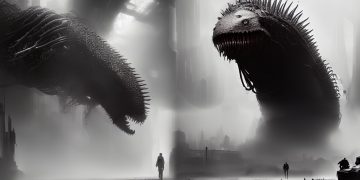
AI art generated by the malware behind the cyberattacks on Ukraine is  necessarily grim and very wormy | PC Gamer

To assess whether robots can be truly creative, it’s crucial to examine the nature of creativity itself. Psychologists, philosophers, and cognitive scientists have long debated what constitutes creativity. One prominent theory is that creativity involves the synthesis of new ideas, often by combining existing knowledge in novel ways. This idea aligns with the notion that creative acts often emerge from a process of trial and error, refinement, and inspiration.

In this context, a machine’s creativity would depend on its ability to generate novel combinations from its data set. But does this really capture the essence of human creativity? Humans, for instance, often draw on emotions, subjective experiences, and an understanding of culture and context, factors that are not easily quantifiable in a dataset. Could a machine, which lacks consciousness and subjective experience, ever generate something truly innovative in the way humans do?

Creativity in the Arts: The Case for Machine Artistry

One of the most visible areas where AI and robots are being used is in the creation of art. Generative models like DeepDream, StyleGAN, and DALL·E have gained attention for producing visually stunning pieces of art, ranging from surreal landscapes to hyper-realistic portraits. These systems can mix styles, apply abstract filters, and even generate new visual concepts that might never have been imagined by a human artist.

However, this brings us to the core of the issue. Can a painting created by an AI be considered “art” in the true sense of the word? Many critics argue that, while these works might be aesthetically pleasing, they lack the emotional depth and intention behind human-created art. After all, what is a painting without the artist’s intention, background, or personal experience?

The AI-generated “art” often raises questions about authorship and originality. The machine, in essence, remixes and reinterprets existing ideas. For example, StyleGAN works by training on thousands of images and then generating new ones based on the patterns it has learned. The result might look novel, but is it truly original? Or is it just a sophisticated form of imitation?

AI and Music Composition: A Symphony of Algorithms

In the realm of music, AI has also made waves. Platforms like OpenAI’s MuseNet and Google’s Magenta are capable of composing original pieces of music across various genres. These systems analyze vast libraries of existing music to generate melodies, harmonies, and rhythms that sound remarkably human-like. Some AI-generated compositions have even been performed by orchestras, leaving audiences mesmerized by the music’s complexity and emotional resonance.

However, AI-generated music often lacks the deeper connection to the human experience that makes music such a powerful art form. Music composed by humans is often inspired by personal emotions, social contexts, or political statements—elements that AI, without emotions or personal experience, cannot replicate. While an AI might craft a beautiful melody, can it imbue the piece with the same emotional weight that a human composer would? Can it evoke the same sense of nostalgia, joy, or sadness that comes from personal experience?

The Philosophical Dilemma: Can Machines Be Creative Without Consciousness?

The issue of whether robots can truly be creative is also a deeply philosophical one. If creativity is inherently tied to consciousness, as many philosophers argue, then machines—lacking self-awareness and emotional depth—cannot be truly creative. They might be able to generate new combinations of existing ideas, but they do not “experience” creativity in the same way a human does.

AI in Music Composition: How algorithms compose tunes that hit the right  notes

This line of reasoning suggests that while machines can mimic creative processes and produce impressive outputs, their work remains fundamentally different from human creativity. A robot may write a poem or create a piece of music, but it does so without the subjective experience that a human artist brings to their work. As such, the robot’s creations, while potentially valuable or aesthetically pleasing, are not “creative” in the truest sense of the word.

Moreover, creativity is often seen as a form of self-expression. Humans create to communicate ideas, share emotions, or express individual worldviews. Since robots do not possess desires, intentions, or subjective experiences, their creations can be viewed as the result of algorithms rather than self-expression. This absence of self-awareness raises the question: can something be called creative if there is no “self” to express?

Creativity in Problem-Solving: AI’s Role in Innovation

While the debate about AI’s role in the arts is fascinating, it’s also important to consider the role of robots in problem-solving and innovation. In many fields, AI has already demonstrated creativity in solving complex problems. For instance, AI has been used in drug discovery, where machine learning models predict molecular structures and identify potential drug candidates that humans might not have thought of. In this context, AI is not simply mimicking existing solutions—it is coming up with novel ideas that may push the boundaries of what is possible.

Furthermore, in industries like architecture, AI tools are being used to design buildings that are not only functional but also visually innovative. AI-generated designs often incorporate parameters that human designers might overlook, leading to new forms and structures that were previously unimaginable.

In these cases, AI can be seen as a tool that extends human creativity rather than replacing it. It provides humans with new possibilities and perspectives, but the creativity ultimately comes from the human who interprets, refines, and implements the AI-generated ideas. This collaborative relationship between humans and machines presents a new model of creativity, one where the machine is an assistant rather than the creator.

The Future of Creativity: Robots as Co-Creators

Looking ahead, it’s likely that the future of creativity will involve a collaboration between humans and robots. While AI may never achieve true consciousness or self-expression, it can serve as a powerful tool for enhancing human creativity. As machines become more adept at generating ideas, humans can focus on refining, curating, and imbuing those ideas with emotional depth, context, and meaning.

For example, in the field of filmmaking, AI could be used to generate storyboard concepts, suggest camera angles, or even edit footage. However, the director’s vision—shaped by human experience, emotion, and intention—would still guide the final product. In this sense, robots could become co-creators, contributing ideas and suggestions, but the creative spark would remain firmly in human hands.

Conclusion: The Limits of Robot Creativity

Can robots be truly creative, or are they just programmed to simulate creativity? The answer lies somewhere in between. While machines have made significant strides in generating novel outputs, their creativity is still constrained by the data they are trained on and the algorithms they follow. They lack the consciousness, emotions, and intentions that characterize human creativity. As a result, while robots can produce impressive works in art, music, and problem-solving, they are not “creative” in the way humans are.

That being said, the future of creativity may not be a battle between humans and machines, but rather a partnership. Robots can assist in the creative process, offering new ideas, perspectives, and tools, but the essence of creativity—whether in the arts or in innovation—will likely remain a deeply human endeavor.



Tags: AI in RoboticsEthicsHuman-Robot InteractionRobot Intelligence
ShareTweetShare

Related Posts

Can Robots Adapt to Unpredictable Real-World Environments?
Robotics

Can Robots Adapt to Unpredictable Real-World Environments?

December 2, 2025
Will Robots Achieve True Autonomy or Always Need Human Oversight?
Robotics

Will Robots Achieve True Autonomy or Always Need Human Oversight?

December 1, 2025
What Happens When Robots Start Designing Robots?
Robotics

What Happens When Robots Start Designing Robots?

November 30, 2025
Are We Ready for Robots to Shape Our Creative Industries?
Robotics

Are We Ready for Robots to Shape Our Creative Industries?

November 29, 2025
Could Robots One Day Replace Human Emotions in Caregiving?
Robotics

Could Robots One Day Replace Human Emotions in Caregiving?

November 28, 2025
How Do We Ensure Robot Ethics in Autonomous Machines?
Robotics

How Do We Ensure Robot Ethics in Autonomous Machines?

November 27, 2025
Leave Comment
  • Trending
  • Comments
  • Latest
Can Sustainability Drive Profits in Competitive Markets?

Can Sustainability Drive Profits in Competitive Markets?

October 17, 2025
Can the Spotlight Make or Break Your Career?

Can the Spotlight Make or Break Your Career?

October 14, 2025
Does the Spotlight Always Equal Success?

Does the Spotlight Always Equal Success?

October 16, 2025
Can the Spotlight Truly Capture the Essence of a Person?

Can the Spotlight Truly Capture the Essence of a Person?

October 16, 2025
Can Bionics Redefine Human Limitations?

Can Bionics Redefine Human Limitations?

Is Bionics the Future of Prosthetics?

Is Bionics the Future of Prosthetics?

Can We Truly Integrate Technology with Biology?

Can We Truly Integrate Technology with Biology?

How Close Are We to Creating Bionic Organs?

How Close Are We to Creating Bionic Organs?

How Can Spotlights Elevate Your Interior Design Game?

How Can Spotlights Elevate Your Interior Design Game?

December 2, 2025
Will We Ever Live on Mars? And Should We?

Will We Ever Live on Mars? And Should We?

December 2, 2025
Bionics: The Key to Human Immortality?

Bionics: The Key to Human Immortality?

December 2, 2025
How Can Data Privacy be Maintained in a Hyperconnected World?

How Can Data Privacy be Maintained in a Hyperconnected World?

December 2, 2025
CyberGait

Our content caters to engineers, researchers, and tech enthusiasts alike. Through focused articles on algorithms, biomimicry, and industry trends, we provide a comprehensive perspective on the future of movement, from laboratory breakthroughs to commercial products.

© 2025 cybergait.com. contacts:[email protected]

No Result
View All Result
  • Home
  • Bionics
  • Breakthroughs
  • Industry
  • Robotics
  • Spotlight

© 2025 cybergait.com. contacts:[email protected]

Welcome Back!

Login to your account below

Forgotten Password?

Retrieve your password

Please enter your username or email address to reset your password.

Log In