
























Introduction: The Need for a Revolutionary Shift in Transportation
For centuries, the world has relied on roads, railways, and air travel to connect people and goods. While these modes of transportation have served us well, they are now showing signs of inefficiency, congestion, and environmental harm. As the global population grows and climate change becomes an increasingly pressing concern, the demand for faster, cleaner, and more efficient transportation options has never been higher.
Enter the Hyperloop, a groundbreaking idea that could revolutionize the way we travel. The concept promises to reduce travel times, lower environmental impact, and provide a new form of transportation that is faster than trains and more efficient than planes. But the question remains: Is the future of transportation really in Hyperloop technology, or is it just another futuristic pipe dream?
Section 1: Understanding the Hyperloop Concept
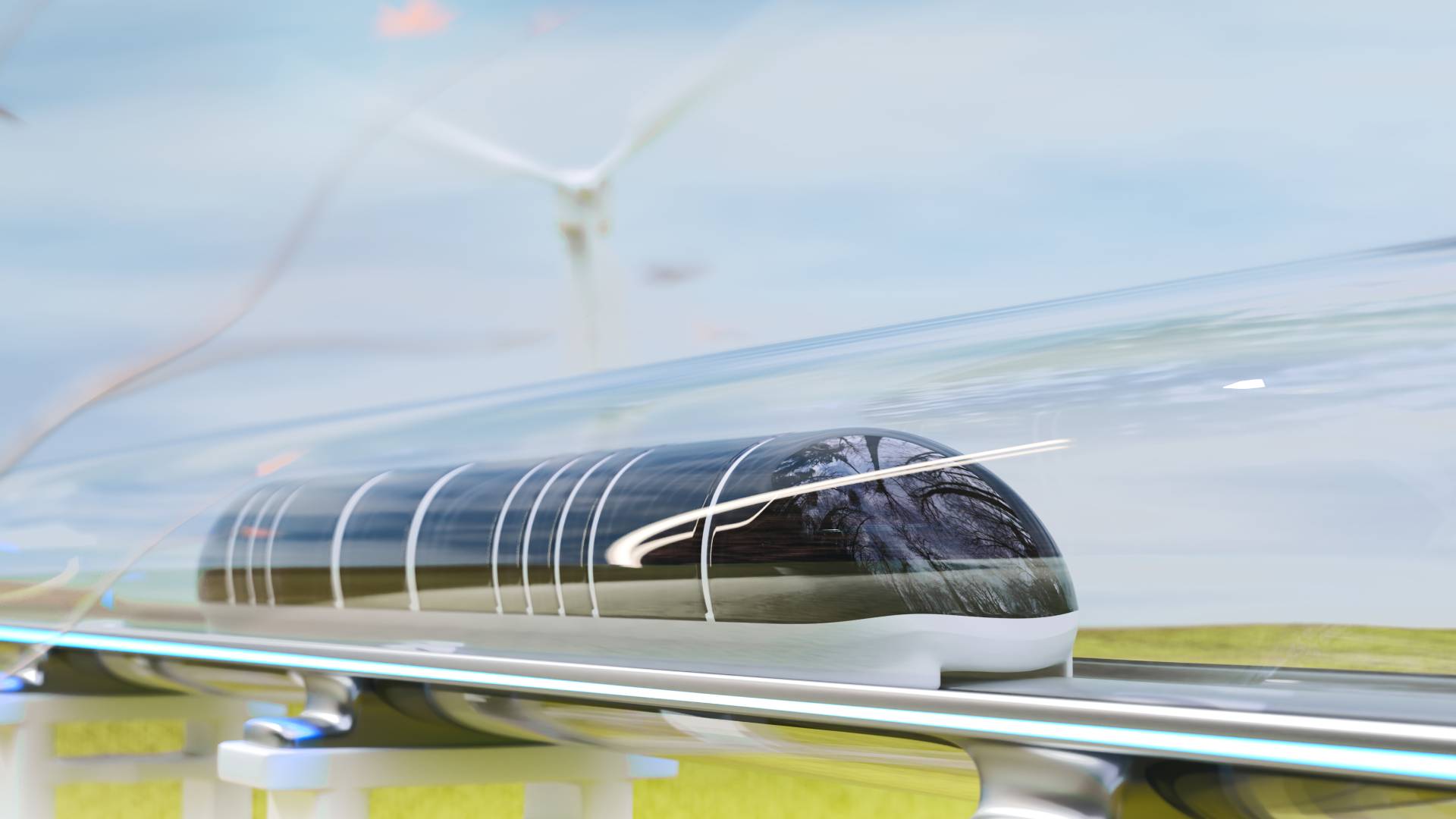
Before diving into whether Hyperloop is the future, it’s crucial to understand what it actually is. The Hyperloop is a high-speed transportation system first proposed by Elon Musk in 2013. It’s designed to transport passengers in pressurized pods that travel through low-pressure tubes at incredibly high speeds, potentially reaching 700 miles per hour (1,100 km/h).
The Hyperloop concept combines several technologies to make this possible:
- Magnetic Levitation (Maglev): Using powerful magnets, the pods are levitated above the track, reducing friction and allowing for smoother, faster movement.
- Low-Pressure Tubes: The pods travel through a near-vacuum environment, significantly reducing air resistance and increasing speed.
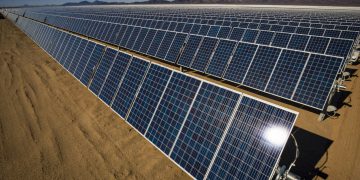
- Solar-Powered: The Hyperloop is designed to be energy-efficient, with solar panels on the tube’s surface providing a majority of the power.
With these innovations, Hyperloop aims to cut down travel time between cities, offering a new mode of transportation that could be faster than planes but with lower operational costs and fewer environmental concerns.
Section 2: The Advantages of Hyperloop
As an ambitious and transformative technology, Hyperloop promises to offer a range of benefits over current transportation methods. Below are some of the most significant advantages:
1. Speed and Efficiency
Hyperloop’s primary advantage is speed. With speeds that could theoretically reach 700 mph, travel between cities would be drastically faster than current trains or cars. For example, a trip from Los Angeles to San Francisco, which currently takes about 6 hours by car or 12 hours by train, could be completed in just 30 minutes in a Hyperloop pod.
The system could potentially revolutionize long-distance commuting, allowing people to travel between major cities on a daily basis with ease.
2. Environmental Benefits
As the world grapples with the need to reduce greenhouse gas emissions, transportation remains one of the largest contributors to global carbon footprints. Hyperloop could help mitigate this problem. The system is designed to be powered by renewable energy sources, primarily solar power, reducing its reliance on fossil fuels.
Furthermore, the infrastructure required for Hyperloop—such as low-pressure tubes—could be built in a way that minimizes environmental disruption, especially when compared to traditional rail systems, highways, or airports.
3. Reduced Congestion and Traffic
Urban congestion and traffic jams are major problems in many cities worldwide. Hyperloop could offer an alternative to crowded highways and rail networks. By providing high-speed transit between urban centers, Hyperloop could help reduce the number of cars on the road, easing congestion and making cities more livable.
4. Cost-Effectiveness
While the initial construction of Hyperloop infrastructure would likely be expensive, proponents argue that the long-term operational costs could be much lower than traditional transportation systems like trains and airplanes. Hyperloop’s reliance on renewable energy, reduced friction, and smaller, lighter pods could lead to significant savings in maintenance and operational costs.

Section 3: The Challenges Facing Hyperloop Development
While the Hyperloop concept is promising, there are several challenges that need to be overcome before it can become a viable mode of transportation. These challenges range from technological hurdles to regulatory issues and financial constraints.
1. Technological and Engineering Hurdles
One of the biggest challenges in developing the Hyperloop is the technology itself. Building low-pressure tubes over long distances is no small feat, especially when considering the need to maintain structural integrity, safety, and reliability. Additionally, ensuring the pods can travel at ultra-high speeds without sacrificing passenger comfort or safety is another key hurdle.
The technology behind magnetic levitation and vacuum tubes is still in its early stages, and significant advancements are required to scale it to the level needed for mass transit.
2. Infrastructure Costs and Land Acquisition
The cost of building Hyperloop infrastructure is another significant challenge. Constructing the network of tubes, stations, and other necessary components would require a massive financial investment. Additionally, acquiring the land needed to lay the tubes could be difficult, especially in densely populated areas where space is limited.
Moreover, environmental impact studies, permits, and regulatory approvals would add time and complexity to the project. Landowners, local governments, and communities may have concerns about the environmental and social impact of such a massive infrastructure project.
3. Regulatory and Safety Concerns
Safety is always a primary concern when it comes to new transportation systems. Hyperloop would need to meet rigorous safety standards to gain regulatory approval. Questions about what happens in the event of a mechanical failure, emergency evacuation, or other safety issues remain unanswered.
Additionally, Hyperloop would need to navigate through various international and national regulatory frameworks, which could delay or complicate its implementation.
4. Public Acceptance and Market Demand
Even if the Hyperloop technology is developed, it still needs to gain acceptance from the public and prove that there is sufficient demand for the service. People are often reluctant to embrace new technologies that are unproven, particularly when it involves changes to their daily commute.
There is also the question of whether Hyperloop would be competitive with existing modes of transportation, such as high-speed trains or airplanes. The system would need to offer a clear advantage in terms of speed, cost, and convenience to persuade passengers to adopt it.

Section 4: The Global Push for Hyperloop
Several companies and countries are already working on the development of the Hyperloop, pushing the concept closer to reality. Here are some of the major players in the Hyperloop race:
1. Virgin Hyperloop
Virgin Hyperloop, backed by Richard Branson’s Virgin Group, is one of the most prominent companies working on the Hyperloop concept. In 2020, Virgin Hyperloop successfully tested its first human passengers in a pod, signaling progress toward commercializing the technology. The company is working to develop a full-scale operational system, with several proposed routes in the United States, India, and the Middle East.
2. Elon Musk’s Boring Company
Elon Musk, the entrepreneur behind the original Hyperloop idea, has also been working on his own version of the system through his company, The Boring Company. Musk’s approach focuses on building tunnels that could house the Hyperloop or similar high-speed transportation systems. While The Boring Company has made significant progress with tunnel boring technology, its Hyperloop-related projects are still in their early stages.
3. Global Investments and Interest
Countries such as the UAE, India, and several European nations have shown interest in the Hyperloop and have even proposed plans for constructing networks. The UAE has unveiled plans to build a Hyperloop line between Dubai and Abu Dhabi, which could reduce travel time between the two cities from 90 minutes to just 12 minutes.
India, with its rapidly growing population and urbanization, is also looking into the potential of Hyperloop technology to solve its transportation challenges.
Section 5: The Future of Hyperloop and Transportation
As the development of Hyperloop technology progresses, its potential impact on the future of transportation is enormous. If successful, Hyperloop could fundamentally change the way we travel, opening up new possibilities for city planning, global mobility, and even economic growth.
1. A New Era of High-Speed Travel
The Hyperloop could usher in a new era of high-speed, efficient travel. Imagine commuting between cities hundreds of miles apart in less time than it takes to fly on a conventional airplane. The ability to travel at such high speeds would dramatically alter the way we think about commuting, tourism, and logistics.
2. Integration with Other Transportation Systems
Rather than replacing existing transportation options, Hyperloop could complement them. Hyperloop could integrate with high-speed rail, air travel, and local transportation networks, providing a seamless multimodal system that enhances the overall efficiency and flexibility of global transit.
3. A Sustainable Future
With the growing urgency to combat climate change, Hyperloop’s potential to reduce carbon emissions and decrease reliance on fossil fuels positions it as a key player in creating a sustainable transportation future. As the world transitions to cleaner energy, Hyperloop could become a vital part of the global effort to reduce environmental impact.
Conclusion: A Glimpse into the Future
While there are still many hurdles to overcome, the concept of the Hyperloop offers a tantalizing glimpse into the future of transportation. Its potential to revolutionize how we travel—offering faster, cleaner, and more efficient travel—cannot be ignored.
However, whether Hyperloop will be the answer to our transportation challenges remains to be seen. The next few decades will reveal whether the technology can overcome its engineering, financial, and regulatory challenges. If successful, Hyperloop could reshape our world in ways we can hardly imagine today.