
















Introduction
In the intersection of biology and technology, humanity is standing on the precipice of a new era: the rise of bionic human intelligence. Imagine a world where our cognitive abilities are enhanced not just by our natural brains, but through the integration of advanced technology that amplifies and refines our intellectual capabilities. This vision, once confined to science fiction, is quickly becoming a reality, propelled by breakthroughs in neuroscience, robotics, artificial intelligence (AI), and biotechnology. But what would bionic human intelligence actually look like?
To explore this, we need to unpack what bionic intelligence entails, how it could reshape human cognition, and what the potential consequences might be for society, ethics, and the future of humanity.
The Foundation of Bionic Intelligence
Bionic intelligence refers to the fusion of biological human elements with artificial components that extend or enhance cognitive abilities. This can manifest in several forms, from brain-machine interfaces (BMIs) and neuroprosthetics to advanced AI systems that integrate directly with the human brain. The goal is to either augment human intelligence beyond its natural limits or enable humans to perform tasks that were previously out of reach due to cognitive or physical constraints.
This convergence is largely driven by two key advancements:
- Neurotechnology: The development of tools and techniques that allow us to understand, manipulate, and enhance the brain’s functions. Techniques such as optogenetics, deep brain stimulation, and neural implants are leading the way in altering the way the brain processes information.
- Artificial Intelligence: AI is increasingly being used to simulate human cognition. With its ability to process vast amounts of data, solve complex problems, and recognize patterns, AI is positioned to become an essential partner in enhancing human intelligence.
The Components of Bionic Intelligence
Bionic human intelligence would likely rely on several components working in harmony. These elements include:
1. Brain-Computer Interfaces (BCIs)
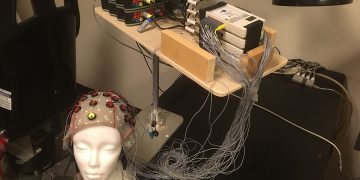
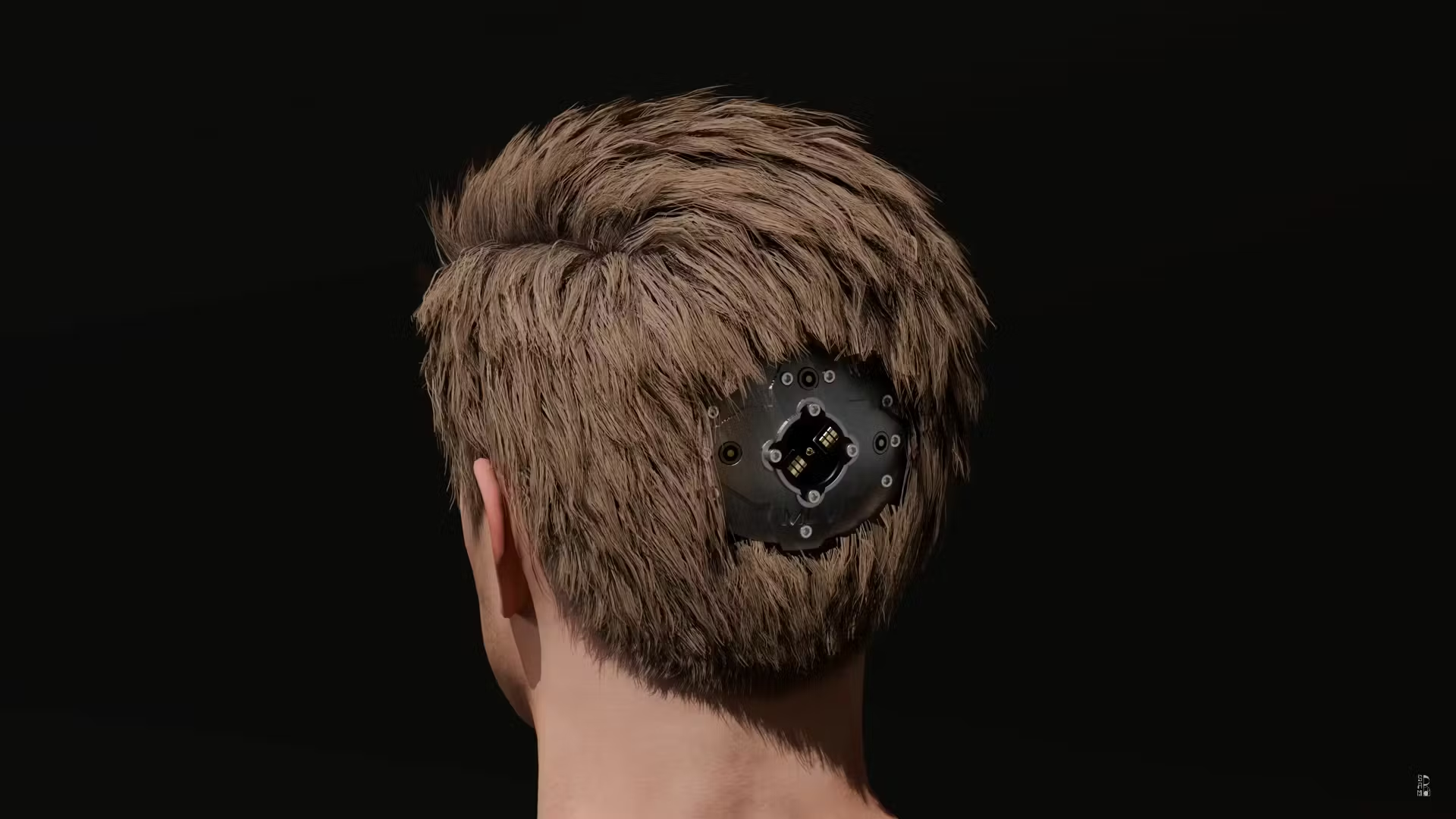
Brain-Computer Interfaces are at the forefront of integrating technology with the human brain. BCIs translate electrical signals from the brain into commands that control external devices, and vice versa. Elon Musk’s Neuralink is a prime example of such a project, which aims to create a high-bandwidth, direct connection between the brain and computers.
How it works:

- Electrodes are implanted into the brain to monitor neuronal activity.
- Data collected is then interpreted by algorithms and used to control machines, prosthetics, or digital systems.
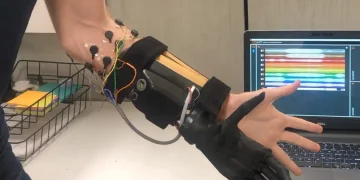
BCIs could allow people to think directly into computers, communicate with machines without speaking, or even control robotic limbs through thought alone. Over time, BCIs could evolve into seamless neural extensions of our cognitive functions, providing us with nearly limitless access to information and computational power.
2. Neuroprosthetics
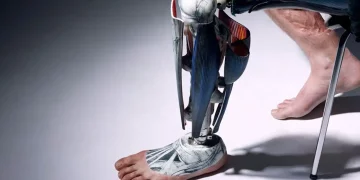
Neuroprosthetics refers to artificial devices designed to restore or enhance brain function. From cochlear implants for the hearing-impaired to the potential for brain implants that augment memory, neuroprosthetics have already begun to transform lives.
In a world of bionic intelligence, neuroprosthetics could become much more sophisticated, going beyond the basic restoration of lost functions. For example, we could see implants that enhance memory, focus, and creativity or even help people process information faster and more efficiently.
3. AI and Cognitive Augmentation
The application of artificial intelligence in bionic human intelligence is perhaps the most transformative. By merging human cognitive abilities with machine learning algorithms, we could see an intellectual synergy that allows humans to think faster, solve problems more effectively, and process information beyond our current capabilities.
For example, AI could help humans with complex decision-making by providing real-time data analysis, forecasting future outcomes, and offering optimal solutions based on vast databases. AI might also assist in enhancing creativity by providing novel ideas, facilitating research, or even co-authoring artistic works with human creators.
The Characteristics of Bionic Human Intelligence
The bionic human brain would likely exhibit several distinguishing characteristics, from speed and efficiency to adaptability and extended capabilities.
1. Supercharged Cognitive Speed and Processing Power
One of the most immediate effects of bionic enhancement would be the significant acceleration of cognitive processing. Human brains are already quite powerful, but they have limitations in terms of speed and memory capacity. By integrating AI algorithms, neural networks, and enhanced memory storage, a bionic human brain could process information at speeds far beyond what is currently possible.
Imagine having access to an AI-powered assistant that can instantly recall vast amounts of information and provide instant feedback or suggestions, greatly reducing the time required to perform tasks such as research, analysis, and decision-making.
2. Expanded Memory and Learning Capabilities
Memory, while an essential component of human cognition, is also one of our most vulnerable functions. With aging and neurological diseases like Alzheimer’s, the degradation of memory can severely impact quality of life. Bionic intelligence could remedy this by implanting or integrating systems that either augment or repair memory function.
With external, digitally-enhanced memory storage integrated directly into the brain, individuals could have access to an almost infinite repository of knowledge. This would not only help people remember specific information but would also allow for rapid learning of complex concepts by uploading information directly into the brain.
3. Emotion and Social Cognition Augmentation
While most current technologies focus on enhancing rational thought and memory, there’s increasing attention on augmenting emotional intelligence (EI). Bionic intelligence could incorporate emotional sensors or advanced algorithms that help people process and understand emotions with unprecedented accuracy.
AI-based systems could, for example, assist individuals in reading subtle emotional cues or offer real-time feedback during social interactions, enhancing both empathy and communication skills. This would be beneficial not only for personal relationships but for business and global diplomacy, where understanding emotional dynamics is crucial.
4. Enhanced Creativity and Innovation
Creativity might seem like an inherently human trait, but bionic enhancements could significantly boost our creative capacities. With the help of AI, individuals could engage in a continuous feedback loop where ideas, patterns, and solutions are generated by both human intuition and machine-based analysis.
AI systems could suggest new ways of thinking, explore novel concepts, and analyze vast amounts of data to uncover patterns that might not be apparent to the human mind. This synergy could result in accelerated innovation, especially in fields like art, technology, medicine, and engineering.
Potential Benefits of Bionic Human Intelligence
The possibilities offered by bionic intelligence are extraordinary, and they hold the potential to revolutionize society in many positive ways.
1. Improved Quality of Life
By enhancing cognitive abilities, bionic intelligence could help individuals live healthier, more productive lives. For example, it could improve mental health by offering personalized cognitive therapies, while simultaneously enhancing decision-making, problem-solving, and learning. This could dramatically reduce the impact of mental disabilities, neurodegenerative diseases, and cognitive decline due to aging.
2. Increased Efficiency and Productivity
The integration of AI and neurotechnology into human cognition could dramatically enhance productivity across many sectors. With the ability to analyze and process information at lightning speed, human workers could make more informed decisions, accomplish tasks faster, and even predict and prevent potential problems before they arise.
3. New Frontiers in Human Knowledge
The vast potential of bionic intelligence could unlock new realms of human knowledge and understanding. Augmented cognitive abilities could lead to breakthroughs in scientific research, mathematics, space exploration, and medicine. By enhancing our ability to comprehend complex ideas and process vast amounts of data, bionic humans could unravel the mysteries of the universe faster than ever before.
Ethical and Societal Implications
With all of the potential benefits, however, come critical ethical questions and societal concerns. The integration of advanced technology into the human brain raises issues about privacy, autonomy, and the definition of humanity itself.
1. Privacy and Data Security
One of the most significant concerns is the privacy of our thoughts and memories. If brain-computer interfaces become a common part of human enhancement, how do we protect our innermost cognitive data from exploitation or theft? A hacker gaining access to a bionic brain could have catastrophic consequences, not just in terms of information theft, but potentially altering someone’s thoughts or behavior.
2. Inequality and Access
There’s also the concern of inequality. If access to bionic enhancements becomes limited to the wealthy or privileged, this could exacerbate existing societal divides. The rich could become significantly smarter and more capable, while the less fortunate are left behind in a digital and cognitive divide.
3. The Loss of Human Identity
Lastly, there’s the question of what it means to be human. As we enhance our minds with machines, do we risk losing what makes us unique as individuals? Will our reliance on technology reduce our creativity, our instincts, or our humanity itself? This is a debate that is likely to intensify as bionic intelligence becomes more widely available.
Conclusion
The concept of bionic human intelligence brings with it a stunning array of possibilities. By integrating technology with human cognition, we could redefine what it means to be human, offering enhanced capabilities, improved quality of life, and new frontiers in creativity, knowledge, and innovation.
However, as we stand at the edge of this technological revolution, we must remain mindful of the ethical, social, and personal implications. What kind of future do we want to create with these new powers? As we merge man and machine, we must also strive to preserve our humanity in the process.