
















CyberGait
  • Home
  • Bionics
    Bionics: The Key to Human Immortality?

    Bionics: The Key to Human Immortality?

    Bionic Organs: Can They Save Lives or Create New Ethical Dilemmas?

    Bionic Organs: Can They Save Lives or Create New Ethical Dilemmas?

    The Future of Prosthetics: Is It Fully Bionic?

    The Future of Prosthetics: Is It Fully Bionic?

    What Happens When Bionics Merge with Artificial Intelligence?

    What Happens When Bionics Merge with Artificial Intelligence?

    Bionic Enhancements: Could They Improve Our Cognitive Abilities?

    Bionic Enhancements: Could They Improve Our Cognitive Abilities?

    How Far Can Bionic Eyes Take Us Beyond Human Vision?

    How Far Can Bionic Eyes Take Us Beyond Human Vision?

  • Breakthroughs
    Will We Ever Live on Mars? And Should We?

    Will We Ever Live on Mars? And Should We?

    Are We on the Brink of a Green Energy Revolution?

    Are We on the Brink of a Green Energy Revolution?

    Can Mind-Controlled Technology Revolutionize Communication?

    Can Mind-Controlled Technology Revolutionize Communication?

    What If We Could 3D Print Human Organs?

    What If We Could 3D Print Human Organs?

    Can Autonomous Vehicles Surpass Human Drivers in Safety?

    Can Autonomous Vehicles Surpass Human Drivers in Safety?

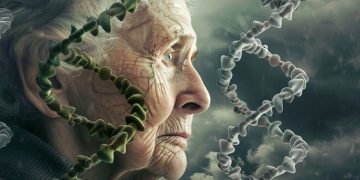
    Genomic Editing the Key to Immortality?

    Genomic Editing the Key to Immortality?

  • Industry
    How Can Data Privacy be Maintained in a Hyperconnected World?

    How Can Data Privacy be Maintained in a Hyperconnected World?

    Is the Gig Economy the Future of Employment?

    Is the Gig Economy the Future of Employment?

    Can Startups Compete with Corporate Giants in Innovation?

    Can Startups Compete with Corporate Giants in Innovation?

    The Future of Work: Truly Remote or Hybrid?

    The Future of Work: Truly Remote or Hybrid?

    How Does Blockchain Impact Global Supply Chains?

    How Does Blockchain Impact Global Supply Chains?

    Are We Overestimating the Power of Automation?

    Are We Overestimating the Power of Automation?

  • Robotics
    Can Robots Adapt to Unpredictable Real-World Environments?

    Can Robots Adapt to Unpredictable Real-World Environments?

    Will Robots Achieve True Autonomy or Always Need Human Oversight?

    Will Robots Achieve True Autonomy or Always Need Human Oversight?

    What Happens When Robots Start Designing Robots?

    What Happens When Robots Start Designing Robots?

    Are We Ready for Robots to Shape Our Creative Industries?

    Are We Ready for Robots to Shape Our Creative Industries?

    Could Robots One Day Replace Human Emotions in Caregiving?

    Could Robots One Day Replace Human Emotions in Caregiving?

    How Do We Ensure Robot Ethics in Autonomous Machines?

    How Do We Ensure Robot Ethics in Autonomous Machines?

  • Spotlight
    How Can Spotlights Elevate Your Interior Design Game?

    How Can Spotlights Elevate Your Interior Design Game?

    What Happens When You Use a Spotlight for Intimate Portraits?

    What Happens When You Use a Spotlight for Intimate Portraits?

    Why Do Spotlight Effects Matter in Cinematic Storytelling?

    Why Do Spotlight Effects Matter in Cinematic Storytelling?

    Could Spotlighting Be the Key to Perfect Product Photography?

    Could Spotlighting Be the Key to Perfect Product Photography?

    Spotlight Technology Changing the Future of Stage Design

    Spotlight Technology Changing the Future of Stage Design

    How Do Different Spotlights Affect Mood and Atmosphere?

    How Do Different Spotlights Affect Mood and Atmosphere?

CyberGait
  • Home
  • Bionics
    Bionics: The Key to Human Immortality?

    Bionics: The Key to Human Immortality?

    Bionic Organs: Can They Save Lives or Create New Ethical Dilemmas?

    Bionic Organs: Can They Save Lives or Create New Ethical Dilemmas?

    The Future of Prosthetics: Is It Fully Bionic?

    The Future of Prosthetics: Is It Fully Bionic?

    What Happens When Bionics Merge with Artificial Intelligence?

    What Happens When Bionics Merge with Artificial Intelligence?

    Bionic Enhancements: Could They Improve Our Cognitive Abilities?

    Bionic Enhancements: Could They Improve Our Cognitive Abilities?

    How Far Can Bionic Eyes Take Us Beyond Human Vision?

    How Far Can Bionic Eyes Take Us Beyond Human Vision?

  • Breakthroughs
    Will We Ever Live on Mars? And Should We?

    Will We Ever Live on Mars? And Should We?

    Are We on the Brink of a Green Energy Revolution?

    Are We on the Brink of a Green Energy Revolution?

    Can Mind-Controlled Technology Revolutionize Communication?

    Can Mind-Controlled Technology Revolutionize Communication?

    What If We Could 3D Print Human Organs?

    What If We Could 3D Print Human Organs?

    Can Autonomous Vehicles Surpass Human Drivers in Safety?

    Can Autonomous Vehicles Surpass Human Drivers in Safety?

    Genomic Editing the Key to Immortality?

    Genomic Editing the Key to Immortality?

  • Industry
    How Can Data Privacy be Maintained in a Hyperconnected World?

    How Can Data Privacy be Maintained in a Hyperconnected World?

    Is the Gig Economy the Future of Employment?

    Is the Gig Economy the Future of Employment?

    Can Startups Compete with Corporate Giants in Innovation?

    Can Startups Compete with Corporate Giants in Innovation?

    The Future of Work: Truly Remote or Hybrid?

    The Future of Work: Truly Remote or Hybrid?

    How Does Blockchain Impact Global Supply Chains?

    How Does Blockchain Impact Global Supply Chains?

    Are We Overestimating the Power of Automation?

    Are We Overestimating the Power of Automation?

  • Robotics
    Can Robots Adapt to Unpredictable Real-World Environments?

    Can Robots Adapt to Unpredictable Real-World Environments?

    Will Robots Achieve True Autonomy or Always Need Human Oversight?

    Will Robots Achieve True Autonomy or Always Need Human Oversight?

    What Happens When Robots Start Designing Robots?

    What Happens When Robots Start Designing Robots?

    Are We Ready for Robots to Shape Our Creative Industries?

    Are We Ready for Robots to Shape Our Creative Industries?

    Could Robots One Day Replace Human Emotions in Caregiving?

    Could Robots One Day Replace Human Emotions in Caregiving?

    How Do We Ensure Robot Ethics in Autonomous Machines?

    How Do We Ensure Robot Ethics in Autonomous Machines?

  • Spotlight
    How Can Spotlights Elevate Your Interior Design Game?

    How Can Spotlights Elevate Your Interior Design Game?

    What Happens When You Use a Spotlight for Intimate Portraits?

    What Happens When You Use a Spotlight for Intimate Portraits?

    Why Do Spotlight Effects Matter in Cinematic Storytelling?

    Why Do Spotlight Effects Matter in Cinematic Storytelling?

    Could Spotlighting Be the Key to Perfect Product Photography?

    Could Spotlighting Be the Key to Perfect Product Photography?

    Spotlight Technology Changing the Future of Stage Design

    Spotlight Technology Changing the Future of Stage Design

    How Do Different Spotlights Affect Mood and Atmosphere?

    How Do Different Spotlights Affect Mood and Atmosphere?

CyberGait
No Result
View All Result
Home Breakthroughs

Can We Achieve Immortality with Breakthroughs in Aging Research?

October 15, 2025
in Breakthroughs
Can We Achieve Immortality with Breakthroughs in Aging Research?

Introduction

The search for immortality has fascinated humanity for centuries, from ancient myths of the Fountain of Youth to modern sci-fi depictions of ageless societies. But as medical science progresses at an unprecedented rate, the once-fantastical dream of living forever is inching closer to the realm of possibility. Aging research is at the forefront of this exploration, promising breakthroughs that could extend human life spans, slow the aging process, and perhaps even challenge the very concept of death itself. But, can immortality really be achieved? Let’s dive into the science, the hopes, and the challenges that lie ahead.


The Science of Aging: Understanding the Problem

To explore immortality, we must first understand the biology of aging itself. Aging, in biological terms, refers to the gradual decline of an organism’s cellular function over time, leading to a loss of physiological integrity and an increased risk of disease and death. It’s a complex process, influenced by both genetic and environmental factors, and involves several key mechanisms:

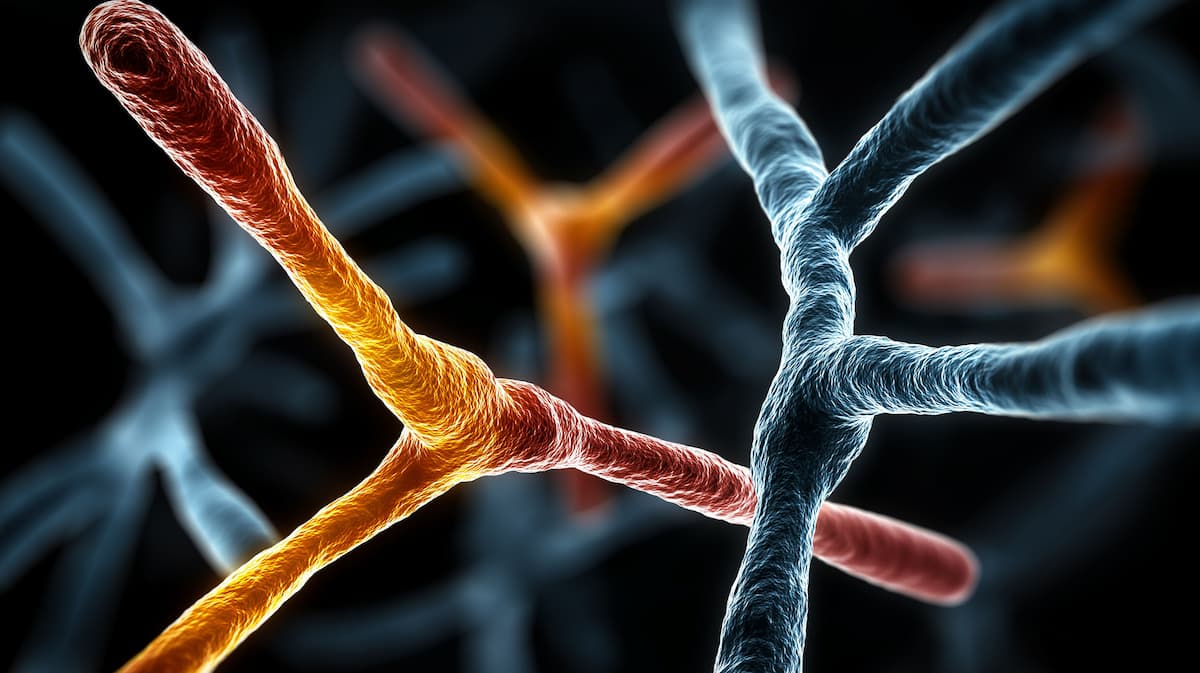
  1. Telomere Shortening: Telomeres are protective caps at the ends of chromosomes, which shorten each time a cell divides. Eventually, the telomeres become too short, signaling the cell to stop dividing. This contributes to the aging process by limiting cellular regeneration.
  2. Cellular Senescence: As cells age, they can enter a state known as senescence, where they no longer divide but do not die either. These cells can accumulate in tissues, releasing harmful substances that trigger inflammation and contribute to age-related diseases.
  3. Mitochondrial Dysfunction: Mitochondria are the powerhouses of our cells, providing energy. As we age, mitochondria become less efficient, leading to decreased energy production and the accumulation of cellular damage.
  4. DNA Damage and Repair: Over time, DNA becomes damaged by various environmental factors and normal metabolic processes. While our bodies have mechanisms to repair this damage, these systems become less efficient as we age, contributing to the deterioration of bodily functions.

These processes, among others, lead to the gradual breakdown of the body’s systems. However, researchers are working tirelessly to slow, stop, or even reverse these mechanisms.

Senolytics & Age-Related Diseases: A New Era in Drug Discovery

Breakthroughs in Aging Research: Hope for the Future

While immortality remains a distant goal, significant progress in aging research offers hope for significantly extending human lifespan and improving the quality of life in later years. Several emerging areas of research are showing promise:

1. Telomere Extension and Gene Editing

Telomeres play a critical role in cellular aging, as we discussed earlier. Recent studies have shown that telomere length can be extended, potentially allowing cells to continue dividing for a longer period. A breakthrough study by scientists at the Salk Institute used gene-editing tools like CRISPR to lengthen telomeres in human cells, which not only extended their lifespan but also improved their function. This technique, if applied effectively to human tissues, could allow for longer, healthier cell function and delay the onset of aging.

However, while promising, this method comes with risks, such as the potential for cancer, as uncontrolled cell division is one of the hallmarks of tumors. Researchers are now focused on refining this approach to ensure safety while extending lifespan.

2. Senolytics: Targeting Senescent Cells

Another exciting frontier in aging research is senolytics, which are drugs or compounds that selectively target and destroy senescent cells. These cells accumulate with age and secrete inflammatory factors that contribute to various age-related diseases, including Alzheimer’s, cardiovascular diseases, and arthritis.

Researchers at the Mayo Clinic and other institutions have already developed senolytic compounds that have shown promise in animal studies. For example, one study demonstrated that a combination of dasatinib and quercetin—a chemotherapy drug and a flavonoid, respectively—could eliminate senescent cells in mice and extend their healthy lifespan. Human trials are ongoing, and the results could be revolutionary for treating aging-related diseases.

3. Mitochondrial Rejuvenation

Since mitochondrial dysfunction is a major contributor to aging, finding ways to rejuvenate these cellular powerhouses is a key target for researchers. One approach is mitochondrial replacement therapy, which involves replacing damaged mitochondria with healthy ones. Although this research is still in its infancy, early experiments in animals have shown promising results in reversing age-related dysfunction in tissues like muscle and heart.

Additionally, scientists are working on developing molecules that can stimulate the body’s natural ability to repair and maintain its mitochondria. A class of drugs called NAD+ boosters, including compounds like nicotinamide riboside (NR) and nicotinamide mononucleotide (NMN), is showing potential in reversing some aspects of age-related mitochondrial decline in preclinical studies.

4. Regenerative Medicine: Stem Cells and Beyond

Stem cell therapy has emerged as a promising tool for rejuvenating tissues and organs that have been damaged by age. Stem cells have the ability to differentiate into various types of cells, making them a powerful tool in regenerating tissues and repairing damaged organs.

Recent advancements in induced pluripotent stem cells (iPSCs)—adult cells reprogrammed to behave like embryonic stem cells—have opened the door to creating personalized therapies. For instance, in animal models, scientists have successfully used iPSCs to regenerate heart muscle, liver cells, and even neurons, potentially reversing age-related damage.

While human applications are still under study, regenerative medicine is one of the most promising areas in the quest for longevity.


Challenges and Ethical Considerations

Despite the exciting potential of these advancements, the road to achieving immortality or even significantly extended lifespans is fraught with challenges, both scientific and ethical.

Mitochondrial Rejuvenation Therapy: Flip Aging's “Off Switch” With Red  Light (250% More ATP)
1. Biological Limits

Human biology is complex, and despite advances in medicine, there are inherent limitations to how much the aging process can be delayed. Even if we can repair telomeres, eliminate senescent cells, and rejuvenate mitochondria, the cumulative wear and tear on the body’s systems might still limit how long we can live. The biological clock may have constraints that are impossible to overcome.

2. The Aging of the Mind

While scientists may be able to extend the body’s physical lifespan, the aging of the brain presents a unique challenge. Neurodegenerative diseases such as Alzheimer’s, Parkinson’s, and cognitive decline are some of the most profound aspects of aging, and they remain largely unsolved. The complexity of the brain, combined with the accumulation of damage over decades, presents a major barrier to achieving true immortality.

3. Ethical Dilemmas and Societal Impact

If breakthroughs in aging research do lead to significantly longer lifespans, we must consider the broader ethical implications. If people could live for centuries, what would be the impact on society, economics, and the environment? Would the distribution of such technologies be fair, or would it be reserved for the wealthy? How would society cope with the intergenerational impact of such longevity?

Moreover, the psychological consequences of immortality—such as the potential loss of meaning or purpose—would need to be carefully considered. The desire for immortality may not be as universally desirable as it seems, as it could come with unforeseen costs.

4. Cost and Accessibility

Even if aging research progresses to the point where immortality seems possible, the cost of such treatments may be prohibitively high. Access to life-extending therapies could become a privilege enjoyed only by the wealthy, exacerbating social inequality. This disparity in access could lead to significant ethical and societal dilemmas.


The Road Ahead: Can We Achieve Immortality?

While immortality remains an elusive goal, the advances in aging research suggest that we may soon be able to significantly extend human lifespan, possibly to an extent that was once thought impossible. Breakthroughs in gene editing, regenerative medicine, and cellular rejuvenation hold the potential to transform the way we think about aging. However, the road to immortality is not without its challenges—both biological and societal.

Achieving immortality might be beyond our reach, but even extending life and improving its quality could be a revolutionary accomplishment. As scientists continue to explore the frontiers of aging research, we may one day look back at this time as the beginning of a new era in human longevity. Until then, we must navigate the complex ethical landscape of these breakthroughs, balancing hope with caution.


Tags: Aging ResearchCRISPRGeneticsInnovation
ShareTweetShare

Related Posts

Will We Ever Live on Mars? And Should We?
Breakthroughs

Will We Ever Live on Mars? And Should We?

December 2, 2025
Are We on the Brink of a Green Energy Revolution?
Breakthroughs

Are We on the Brink of a Green Energy Revolution?

December 1, 2025
Can Mind-Controlled Technology Revolutionize Communication?
Breakthroughs

Can Mind-Controlled Technology Revolutionize Communication?

November 30, 2025
What If We Could 3D Print Human Organs?
Breakthroughs

What If We Could 3D Print Human Organs?

November 29, 2025
Can Autonomous Vehicles Surpass Human Drivers in Safety?
Breakthroughs

Can Autonomous Vehicles Surpass Human Drivers in Safety?

November 28, 2025
Genomic Editing the Key to Immortality?
Breakthroughs

Genomic Editing the Key to Immortality?

November 27, 2025
Leave Comment
  • Trending
  • Comments
  • Latest
Can Sustainability Drive Profits in Competitive Markets?

Can Sustainability Drive Profits in Competitive Markets?

October 17, 2025
Can the Spotlight Make or Break Your Career?

Can the Spotlight Make or Break Your Career?

October 14, 2025
Does the Spotlight Always Equal Success?

Does the Spotlight Always Equal Success?

October 16, 2025
Can the Spotlight Truly Capture the Essence of a Person?

Can the Spotlight Truly Capture the Essence of a Person?

October 16, 2025
Can Bionics Redefine Human Limitations?

Can Bionics Redefine Human Limitations?

Is Bionics the Future of Prosthetics?

Is Bionics the Future of Prosthetics?

Can We Truly Integrate Technology with Biology?

Can We Truly Integrate Technology with Biology?

How Close Are We to Creating Bionic Organs?

How Close Are We to Creating Bionic Organs?

How Can Spotlights Elevate Your Interior Design Game?

How Can Spotlights Elevate Your Interior Design Game?

December 2, 2025
Will We Ever Live on Mars? And Should We?

Will We Ever Live on Mars? And Should We?

December 2, 2025
Bionics: The Key to Human Immortality?

Bionics: The Key to Human Immortality?

December 2, 2025
How Can Data Privacy be Maintained in a Hyperconnected World?

How Can Data Privacy be Maintained in a Hyperconnected World?

December 2, 2025
CyberGait

Our content caters to engineers, researchers, and tech enthusiasts alike. Through focused articles on algorithms, biomimicry, and industry trends, we provide a comprehensive perspective on the future of movement, from laboratory breakthroughs to commercial products.

© 2025 cybergait.com. contacts:[email protected]

No Result
View All Result
  • Home
  • Bionics
  • Breakthroughs
  • Industry
  • Robotics
  • Spotlight

© 2025 cybergait.com. contacts:[email protected]

Welcome Back!

Login to your account below

Forgotten Password?

Retrieve your password

Please enter your username or email address to reset your password.

Log In