
















CyberGait
  • Home
  • Bionics
    Bionics: The Key to Human Immortality?

    Bionics: The Key to Human Immortality?

    Bionic Organs: Can They Save Lives or Create New Ethical Dilemmas?

    Bionic Organs: Can They Save Lives or Create New Ethical Dilemmas?

    The Future of Prosthetics: Is It Fully Bionic?

    The Future of Prosthetics: Is It Fully Bionic?

    What Happens When Bionics Merge with Artificial Intelligence?

    What Happens When Bionics Merge with Artificial Intelligence?

    Bionic Enhancements: Could They Improve Our Cognitive Abilities?

    Bionic Enhancements: Could They Improve Our Cognitive Abilities?

    How Far Can Bionic Eyes Take Us Beyond Human Vision?

    How Far Can Bionic Eyes Take Us Beyond Human Vision?

  • Breakthroughs
    Will We Ever Live on Mars? And Should We?

    Will We Ever Live on Mars? And Should We?

    Are We on the Brink of a Green Energy Revolution?

    Are We on the Brink of a Green Energy Revolution?

    Can Mind-Controlled Technology Revolutionize Communication?

    Can Mind-Controlled Technology Revolutionize Communication?

    What If We Could 3D Print Human Organs?

    What If We Could 3D Print Human Organs?

    Can Autonomous Vehicles Surpass Human Drivers in Safety?

    Can Autonomous Vehicles Surpass Human Drivers in Safety?

    Genomic Editing the Key to Immortality?

    Genomic Editing the Key to Immortality?

  • Industry
    How Can Data Privacy be Maintained in a Hyperconnected World?

    How Can Data Privacy be Maintained in a Hyperconnected World?

    Is the Gig Economy the Future of Employment?

    Is the Gig Economy the Future of Employment?

    Can Startups Compete with Corporate Giants in Innovation?

    Can Startups Compete with Corporate Giants in Innovation?

    The Future of Work: Truly Remote or Hybrid?

    The Future of Work: Truly Remote or Hybrid?

    How Does Blockchain Impact Global Supply Chains?

    How Does Blockchain Impact Global Supply Chains?

    Are We Overestimating the Power of Automation?

    Are We Overestimating the Power of Automation?

  • Robotics
    Can Robots Adapt to Unpredictable Real-World Environments?

    Can Robots Adapt to Unpredictable Real-World Environments?

    Will Robots Achieve True Autonomy or Always Need Human Oversight?

    Will Robots Achieve True Autonomy or Always Need Human Oversight?

    What Happens When Robots Start Designing Robots?

    What Happens When Robots Start Designing Robots?

    Are We Ready for Robots to Shape Our Creative Industries?

    Are We Ready for Robots to Shape Our Creative Industries?

    Could Robots One Day Replace Human Emotions in Caregiving?

    Could Robots One Day Replace Human Emotions in Caregiving?

    How Do We Ensure Robot Ethics in Autonomous Machines?

    How Do We Ensure Robot Ethics in Autonomous Machines?

  • Spotlight
    How Can Spotlights Elevate Your Interior Design Game?

    How Can Spotlights Elevate Your Interior Design Game?

    What Happens When You Use a Spotlight for Intimate Portraits?

    What Happens When You Use a Spotlight for Intimate Portraits?

    Why Do Spotlight Effects Matter in Cinematic Storytelling?

    Why Do Spotlight Effects Matter in Cinematic Storytelling?

    Could Spotlighting Be the Key to Perfect Product Photography?

    Could Spotlighting Be the Key to Perfect Product Photography?

    Spotlight Technology Changing the Future of Stage Design

    Spotlight Technology Changing the Future of Stage Design

    How Do Different Spotlights Affect Mood and Atmosphere?

    How Do Different Spotlights Affect Mood and Atmosphere?

CyberGait
  • Home
  • Bionics
    Bionics: The Key to Human Immortality?

    Bionics: The Key to Human Immortality?

    Bionic Organs: Can They Save Lives or Create New Ethical Dilemmas?

    Bionic Organs: Can They Save Lives or Create New Ethical Dilemmas?

    The Future of Prosthetics: Is It Fully Bionic?

    The Future of Prosthetics: Is It Fully Bionic?

    What Happens When Bionics Merge with Artificial Intelligence?

    What Happens When Bionics Merge with Artificial Intelligence?

    Bionic Enhancements: Could They Improve Our Cognitive Abilities?

    Bionic Enhancements: Could They Improve Our Cognitive Abilities?

    How Far Can Bionic Eyes Take Us Beyond Human Vision?

    How Far Can Bionic Eyes Take Us Beyond Human Vision?

  • Breakthroughs
    Will We Ever Live on Mars? And Should We?

    Will We Ever Live on Mars? And Should We?

    Are We on the Brink of a Green Energy Revolution?

    Are We on the Brink of a Green Energy Revolution?

    Can Mind-Controlled Technology Revolutionize Communication?

    Can Mind-Controlled Technology Revolutionize Communication?

    What If We Could 3D Print Human Organs?

    What If We Could 3D Print Human Organs?

    Can Autonomous Vehicles Surpass Human Drivers in Safety?

    Can Autonomous Vehicles Surpass Human Drivers in Safety?

    Genomic Editing the Key to Immortality?

    Genomic Editing the Key to Immortality?

  • Industry
    How Can Data Privacy be Maintained in a Hyperconnected World?

    How Can Data Privacy be Maintained in a Hyperconnected World?

    Is the Gig Economy the Future of Employment?

    Is the Gig Economy the Future of Employment?

    Can Startups Compete with Corporate Giants in Innovation?

    Can Startups Compete with Corporate Giants in Innovation?

    The Future of Work: Truly Remote or Hybrid?

    The Future of Work: Truly Remote or Hybrid?

    How Does Blockchain Impact Global Supply Chains?

    How Does Blockchain Impact Global Supply Chains?

    Are We Overestimating the Power of Automation?

    Are We Overestimating the Power of Automation?

  • Robotics
    Can Robots Adapt to Unpredictable Real-World Environments?

    Can Robots Adapt to Unpredictable Real-World Environments?

    Will Robots Achieve True Autonomy or Always Need Human Oversight?

    Will Robots Achieve True Autonomy or Always Need Human Oversight?

    What Happens When Robots Start Designing Robots?

    What Happens When Robots Start Designing Robots?

    Are We Ready for Robots to Shape Our Creative Industries?

    Are We Ready for Robots to Shape Our Creative Industries?

    Could Robots One Day Replace Human Emotions in Caregiving?

    Could Robots One Day Replace Human Emotions in Caregiving?

    How Do We Ensure Robot Ethics in Autonomous Machines?

    How Do We Ensure Robot Ethics in Autonomous Machines?

  • Spotlight
    How Can Spotlights Elevate Your Interior Design Game?

    How Can Spotlights Elevate Your Interior Design Game?

    What Happens When You Use a Spotlight for Intimate Portraits?

    What Happens When You Use a Spotlight for Intimate Portraits?

    Why Do Spotlight Effects Matter in Cinematic Storytelling?

    Why Do Spotlight Effects Matter in Cinematic Storytelling?

    Could Spotlighting Be the Key to Perfect Product Photography?

    Could Spotlighting Be the Key to Perfect Product Photography?

    Spotlight Technology Changing the Future of Stage Design

    Spotlight Technology Changing the Future of Stage Design

    How Do Different Spotlights Affect Mood and Atmosphere?

    How Do Different Spotlights Affect Mood and Atmosphere?

CyberGait
No Result
View All Result
Home Breakthroughs

How Will CRISPR Shape the Future of Genetic Medicine?

October 14, 2025
in Breakthroughs
How Will CRISPR Shape the Future of Genetic Medicine?

Introduction

In the ever-evolving landscape of medical science, few technologies have captured the imagination and optimism of researchers, clinicians, and patients alike as CRISPR-Cas9. This revolutionary gene-editing tool has brought about a paradigm shift in how we think about genetics, disease treatment, and the possibilities for genetic modification. But how exactly will CRISPR shape the future of genetic medicine? To understand the profound impact of this technology, it is crucial to explore its mechanism, current applications, ethical considerations, and future potential in the world of medicine.

What is CRISPR?

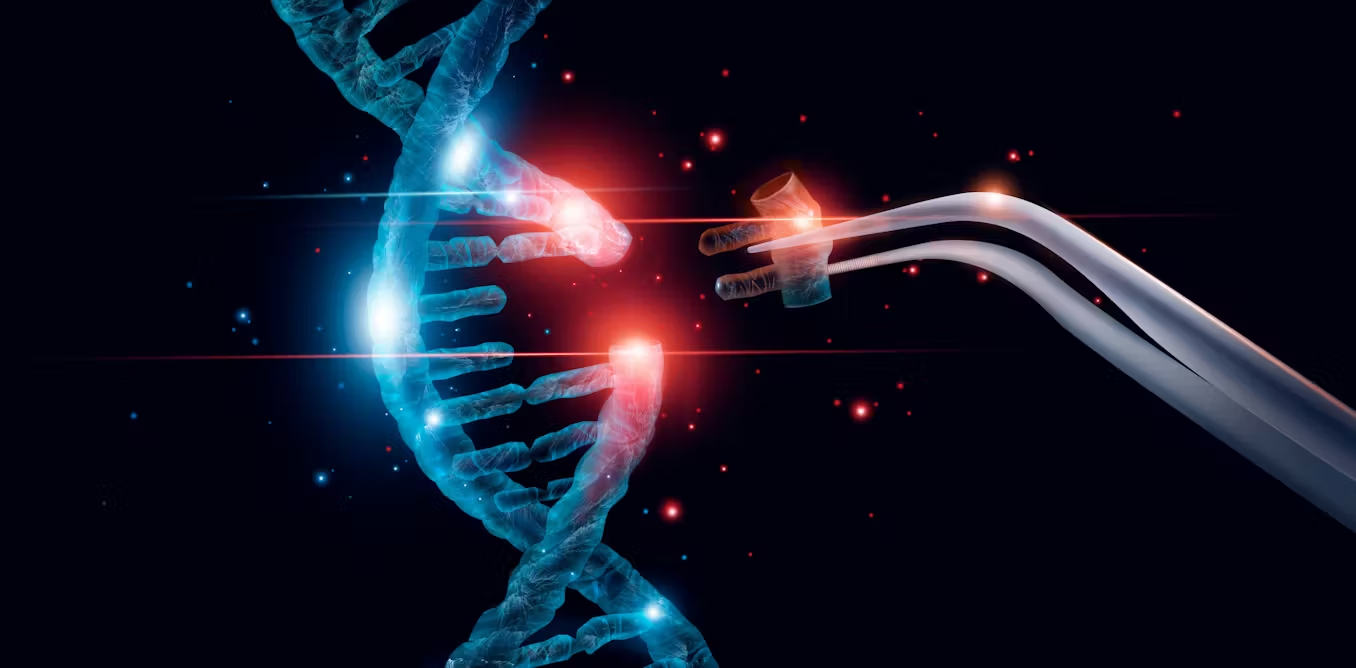
CRISPR, short for Clustered Regularly Interspaced Short Palindromic Repeats, is a powerful tool originally discovered in bacteria as part of their immune system. The CRISPR-Cas9 system allows scientists to precisely cut and edit DNA within living organisms, enabling the deletion, addition, or alteration of genetic material at specific locations. The Cas9 protein acts like molecular scissors, guided by RNA sequences that match the target DNA sequence.

Since its discovery and adaptation for genetic editing in 2012, CRISPR-Cas9 has transformed the field of genomics, offering unprecedented precision, efficiency, and cost-effectiveness compared to previous gene-editing technologies. This has led to a surge in genetic research, drug development, and gene therapies, offering solutions for conditions that were once deemed incurable or too complex to address.

How CRISPR Works

To break it down simply, CRISPR functions much like a sophisticated copy-paste tool for genes. Scientists can design a guide RNA that matches a target sequence in a gene. The Cas9 enzyme then cuts the DNA at this specific location, allowing for modifications to be made, such as introducing a new gene or correcting a faulty one.

The process can be divided into several key steps:
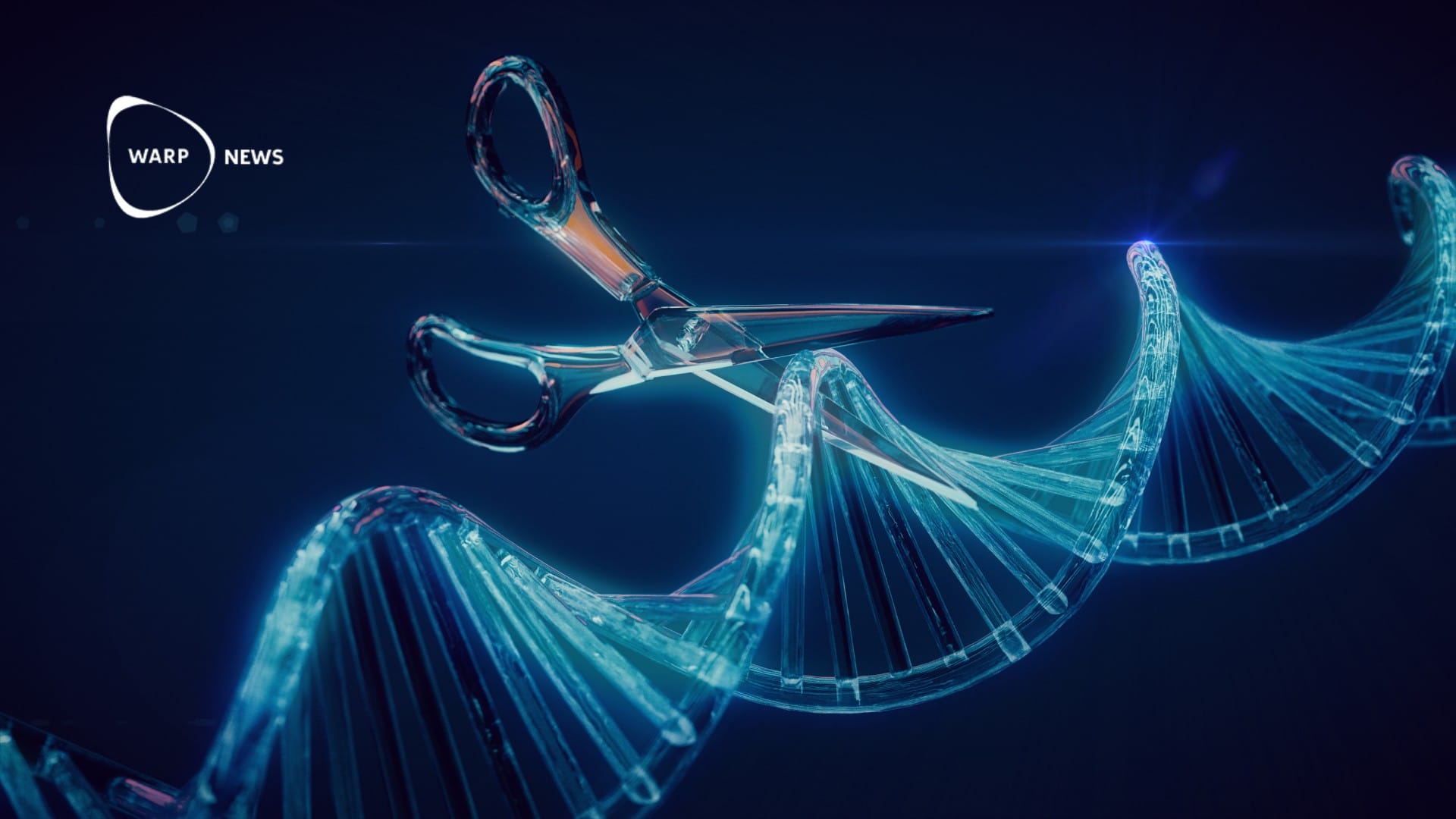
🧬 Advancements in CRISPR technology – moving towards 2.0
  1. Guide RNA Design: Scientists create a custom RNA molecule that matches the DNA sequence of the target gene.
  2. DNA Cleavage: The Cas9 enzyme, guided by the RNA, cuts the DNA at the target site.
  3. DNA Repair: The cell’s natural repair mechanisms kick in. Scientists can direct the repair process to either introduce a genetic change or correct a mutation.

CRISPR’s Current Applications in Medicine

1. Gene Therapy for Genetic Disorders

CRISPR’s most immediate application in genetic medicine lies in its ability to treat inherited genetic disorders. Diseases like sickle cell anemia, cystic fibrosis, and Duchenne muscular dystrophy are caused by specific genetic mutations. CRISPR allows for the precise correction of these mutations, potentially curing the disease at the genetic level.

For example, in sickle cell anemia, the mutation in the hemoglobin gene causes red blood cells to become sickle-shaped, leading to various complications. Researchers have used CRISPR to edit the genes of patients’ stem cells to produce healthy red blood cells, effectively providing a one-time cure for the disease.

Similarly, cystic fibrosis involves mutations in the CFTR gene, causing thick mucus to build up in the lungs. CRISPR could potentially correct these mutations in the lung cells, offering patients long-term relief from the symptoms and progression of the disease.

2. Cancer Treatment

Cancer is another area where CRISPR is showing promise. Traditional cancer therapies like chemotherapy and radiation target rapidly dividing cells, but they often affect healthy cells as well. CRISPR offers a more targeted approach by editing the genes of cancerous cells or modifying immune cells to better recognize and destroy cancer cells.

In one promising study, researchers used CRISPR to edit immune cells (T cells) to express a receptor that would allow them to better target and attack cancer cells. This approach, known as CAR-T therapy (chimeric antigen receptor T-cell therapy), is still in its early stages but holds the potential to revolutionize cancer treatment by offering more personalized and effective therapies.

3. Infectious Disease Research

Another exciting application of CRISPR lies in the battle against infectious diseases. Researchers are exploring the use of CRISPR to target and neutralize HIV, hepatitis B, and even the Zika virus.

For example, CRISPR can be used to cut the viral DNA integrated into the host’s genome in cases of chronic HIV infection. In preclinical models, CRISPR has successfully targeted and removed the HIV genome from infected cells, offering a potential cure for individuals with the virus. Similarly, CRISPR has been used to target the genes of mosquitoes that spread diseases like malaria, potentially eradicating the disease by making the mosquito population incapable of carrying the parasite.

The Future of CRISPR in Genetic Medicine

1. Gene Editing for Enhancing Human Traits

One of the most controversial and widely debated potential applications of CRISPR is the editing of human embryos to enhance desirable traits. This concept, often referred to as germline editing, could allow for the prevention of genetic disorders, but it also raises ethical concerns regarding the potential for “designer babies.”

Proponents of germline editing argue that it could eliminate hereditary diseases and give future generations a healthier start. However, critics warn that this technology could be misused, leading to a society where genetic enhancements for intelligence, physical appearance, and other traits become common. The ethical and societal implications of such advancements are profound and will require careful regulation.

2. CRISPR and Aging

The science of aging is another area where CRISPR may play a transformative role. Aging is caused by the accumulation of genetic mutations, cellular damage, and the gradual loss of cellular function. Researchers are exploring whether CRISPR could be used to target the genes responsible for aging or to repair the damaged DNA that accumulates over time.

One exciting possibility is using CRISPR to rejuvenate the function of stem cells, which naturally decline in regenerative capacity as we age. By reprogramming stem cells to revert to a more youthful state, CRISPR could slow or even reverse certain aspects of the aging process. However, this area is still in its infancy, and more research is needed before it becomes a viable solution.

3. CRISPR for Organ Transplantation
Gene Therapy, DNA's Past, RNA's Future: A New Wave Of Hope

Organ shortages are a global issue, with millions of people on waiting lists for organ transplants. CRISPR may offer a solution by enabling the creation of genetically modified animals that can grow human-compatible organs. Scientists have already used CRISPR to create genetically modified pigs whose organs may be suitable for human transplantation.

The idea is that by using CRISPR to edit the genes of animals, we could eliminate the risk of organ rejection and provide a renewable source of organs for patients in need. While this concept is still largely theoretical, it holds immense potential for the future of organ transplantation.

Ethical and Safety Considerations

While the potential benefits of CRISPR are immense, the technology also raises significant ethical and safety concerns. The ability to edit human genes carries with it the risk of unintended consequences. Off-target effects, where genes other than the intended target are edited, remain a major concern. Researchers are working on improving the precision of CRISPR to minimize these risks.

Additionally, the possibility of creating genetically modified humans or enhancing human traits presents ethical dilemmas. Who decides what genetic traits are desirable? Could CRISPR be used to perpetuate inequality by allowing wealthy individuals to access genetic enhancements? These are questions that will need to be addressed as the technology advances.

Furthermore, the idea of germline editing—editing the genes of embryos or germ cells—has sparked debates about the long-term consequences for future generations. Unlike somatic gene editing (which affects only the individual), germline editing would be passed down to future offspring, potentially altering the course of human evolution.

Conclusion: The Promise and Perils of CRISPR

As we look ahead, CRISPR holds the promise of revolutionizing genetic medicine. Its ability to precisely edit genes offers unprecedented opportunities for treating and curing genetic diseases, advancing cancer therapies, and combating infectious diseases. However, with great power comes great responsibility. The ethical, social, and safety concerns surrounding CRISPR must be carefully considered and addressed.

The future of genetic medicine will undoubtedly be shaped by CRISPR, but how it will unfold depends not only on scientific progress but also on how society chooses to navigate the complex ethical landscape it presents. As we move toward a future where CRISPR is an integral part of medical treatment, it is crucial to ensure that this technology is used responsibly and for the benefit of all.



Tags: CRISPRGeneticsHealthcareInnovation
ShareTweetShare

Related Posts

Will We Ever Live on Mars? And Should We?
Breakthroughs

Will We Ever Live on Mars? And Should We?

December 2, 2025
Are We on the Brink of a Green Energy Revolution?
Breakthroughs

Are We on the Brink of a Green Energy Revolution?

December 1, 2025
Can Mind-Controlled Technology Revolutionize Communication?
Breakthroughs

Can Mind-Controlled Technology Revolutionize Communication?

November 30, 2025
What If We Could 3D Print Human Organs?
Breakthroughs

What If We Could 3D Print Human Organs?

November 29, 2025
Can Autonomous Vehicles Surpass Human Drivers in Safety?
Breakthroughs

Can Autonomous Vehicles Surpass Human Drivers in Safety?

November 28, 2025
Genomic Editing the Key to Immortality?
Breakthroughs

Genomic Editing the Key to Immortality?

November 27, 2025
Leave Comment
  • Trending
  • Comments
  • Latest
Can Sustainability Drive Profits in Competitive Markets?

Can Sustainability Drive Profits in Competitive Markets?

October 17, 2025
Can the Spotlight Make or Break Your Career?

Can the Spotlight Make or Break Your Career?

October 14, 2025
Does the Spotlight Always Equal Success?

Does the Spotlight Always Equal Success?

October 16, 2025
Can the Spotlight Truly Capture the Essence of a Person?

Can the Spotlight Truly Capture the Essence of a Person?

October 16, 2025
Can Bionics Redefine Human Limitations?

Can Bionics Redefine Human Limitations?

Is Bionics the Future of Prosthetics?

Is Bionics the Future of Prosthetics?

Can We Truly Integrate Technology with Biology?

Can We Truly Integrate Technology with Biology?

How Close Are We to Creating Bionic Organs?

How Close Are We to Creating Bionic Organs?

How Can Spotlights Elevate Your Interior Design Game?

How Can Spotlights Elevate Your Interior Design Game?

December 2, 2025
Will We Ever Live on Mars? And Should We?

Will We Ever Live on Mars? And Should We?

December 2, 2025
Bionics: The Key to Human Immortality?

Bionics: The Key to Human Immortality?

December 2, 2025
How Can Data Privacy be Maintained in a Hyperconnected World?

How Can Data Privacy be Maintained in a Hyperconnected World?

December 2, 2025
CyberGait

Our content caters to engineers, researchers, and tech enthusiasts alike. Through focused articles on algorithms, biomimicry, and industry trends, we provide a comprehensive perspective on the future of movement, from laboratory breakthroughs to commercial products.

© 2025 cybergait.com. contacts:[email protected]

No Result
View All Result
  • Home
  • Bionics
  • Breakthroughs
  • Industry
  • Robotics
  • Spotlight

© 2025 cybergait.com. contacts:[email protected]

Welcome Back!

Login to your account below

Forgotten Password?

Retrieve your password

Please enter your username or email address to reset your password.

Log In