
















CyberGait
  • Home
  • Bionics
    Bionics: The Key to Human Immortality?

    Bionics: The Key to Human Immortality?

    Bionic Organs: Can They Save Lives or Create New Ethical Dilemmas?

    Bionic Organs: Can They Save Lives or Create New Ethical Dilemmas?

    The Future of Prosthetics: Is It Fully Bionic?

    The Future of Prosthetics: Is It Fully Bionic?

    What Happens When Bionics Merge with Artificial Intelligence?

    What Happens When Bionics Merge with Artificial Intelligence?

    Bionic Enhancements: Could They Improve Our Cognitive Abilities?

    Bionic Enhancements: Could They Improve Our Cognitive Abilities?

    How Far Can Bionic Eyes Take Us Beyond Human Vision?

    How Far Can Bionic Eyes Take Us Beyond Human Vision?

  • Breakthroughs
    Will We Ever Live on Mars? And Should We?

    Will We Ever Live on Mars? And Should We?

    Are We on the Brink of a Green Energy Revolution?

    Are We on the Brink of a Green Energy Revolution?

    Can Mind-Controlled Technology Revolutionize Communication?

    Can Mind-Controlled Technology Revolutionize Communication?

    What If We Could 3D Print Human Organs?

    What If We Could 3D Print Human Organs?

    Can Autonomous Vehicles Surpass Human Drivers in Safety?

    Can Autonomous Vehicles Surpass Human Drivers in Safety?

    Genomic Editing the Key to Immortality?

    Genomic Editing the Key to Immortality?

  • Industry
    How Can Data Privacy be Maintained in a Hyperconnected World?

    How Can Data Privacy be Maintained in a Hyperconnected World?

    Is the Gig Economy the Future of Employment?

    Is the Gig Economy the Future of Employment?

    Can Startups Compete with Corporate Giants in Innovation?

    Can Startups Compete with Corporate Giants in Innovation?

    The Future of Work: Truly Remote or Hybrid?

    The Future of Work: Truly Remote or Hybrid?

    How Does Blockchain Impact Global Supply Chains?

    How Does Blockchain Impact Global Supply Chains?

    Are We Overestimating the Power of Automation?

    Are We Overestimating the Power of Automation?

  • Robotics
    Can Robots Adapt to Unpredictable Real-World Environments?

    Can Robots Adapt to Unpredictable Real-World Environments?

    Will Robots Achieve True Autonomy or Always Need Human Oversight?

    Will Robots Achieve True Autonomy or Always Need Human Oversight?

    What Happens When Robots Start Designing Robots?

    What Happens When Robots Start Designing Robots?

    Are We Ready for Robots to Shape Our Creative Industries?

    Are We Ready for Robots to Shape Our Creative Industries?

    Could Robots One Day Replace Human Emotions in Caregiving?

    Could Robots One Day Replace Human Emotions in Caregiving?

    How Do We Ensure Robot Ethics in Autonomous Machines?

    How Do We Ensure Robot Ethics in Autonomous Machines?

  • Spotlight
    How Can Spotlights Elevate Your Interior Design Game?

    How Can Spotlights Elevate Your Interior Design Game?

    What Happens When You Use a Spotlight for Intimate Portraits?

    What Happens When You Use a Spotlight for Intimate Portraits?

    Why Do Spotlight Effects Matter in Cinematic Storytelling?

    Why Do Spotlight Effects Matter in Cinematic Storytelling?

    Could Spotlighting Be the Key to Perfect Product Photography?

    Could Spotlighting Be the Key to Perfect Product Photography?

    Spotlight Technology Changing the Future of Stage Design

    Spotlight Technology Changing the Future of Stage Design

    How Do Different Spotlights Affect Mood and Atmosphere?

    How Do Different Spotlights Affect Mood and Atmosphere?

CyberGait
  • Home
  • Bionics
    Bionics: The Key to Human Immortality?

    Bionics: The Key to Human Immortality?

    Bionic Organs: Can They Save Lives or Create New Ethical Dilemmas?

    Bionic Organs: Can They Save Lives or Create New Ethical Dilemmas?

    The Future of Prosthetics: Is It Fully Bionic?

    The Future of Prosthetics: Is It Fully Bionic?

    What Happens When Bionics Merge with Artificial Intelligence?

    What Happens When Bionics Merge with Artificial Intelligence?

    Bionic Enhancements: Could They Improve Our Cognitive Abilities?

    Bionic Enhancements: Could They Improve Our Cognitive Abilities?

    How Far Can Bionic Eyes Take Us Beyond Human Vision?

    How Far Can Bionic Eyes Take Us Beyond Human Vision?

  • Breakthroughs
    Will We Ever Live on Mars? And Should We?

    Will We Ever Live on Mars? And Should We?

    Are We on the Brink of a Green Energy Revolution?

    Are We on the Brink of a Green Energy Revolution?

    Can Mind-Controlled Technology Revolutionize Communication?

    Can Mind-Controlled Technology Revolutionize Communication?

    What If We Could 3D Print Human Organs?

    What If We Could 3D Print Human Organs?

    Can Autonomous Vehicles Surpass Human Drivers in Safety?

    Can Autonomous Vehicles Surpass Human Drivers in Safety?

    Genomic Editing the Key to Immortality?

    Genomic Editing the Key to Immortality?

  • Industry
    How Can Data Privacy be Maintained in a Hyperconnected World?

    How Can Data Privacy be Maintained in a Hyperconnected World?

    Is the Gig Economy the Future of Employment?

    Is the Gig Economy the Future of Employment?

    Can Startups Compete with Corporate Giants in Innovation?

    Can Startups Compete with Corporate Giants in Innovation?

    The Future of Work: Truly Remote or Hybrid?

    The Future of Work: Truly Remote or Hybrid?

    How Does Blockchain Impact Global Supply Chains?

    How Does Blockchain Impact Global Supply Chains?

    Are We Overestimating the Power of Automation?

    Are We Overestimating the Power of Automation?

  • Robotics
    Can Robots Adapt to Unpredictable Real-World Environments?

    Can Robots Adapt to Unpredictable Real-World Environments?

    Will Robots Achieve True Autonomy or Always Need Human Oversight?

    Will Robots Achieve True Autonomy or Always Need Human Oversight?

    What Happens When Robots Start Designing Robots?

    What Happens When Robots Start Designing Robots?

    Are We Ready for Robots to Shape Our Creative Industries?

    Are We Ready for Robots to Shape Our Creative Industries?

    Could Robots One Day Replace Human Emotions in Caregiving?

    Could Robots One Day Replace Human Emotions in Caregiving?

    How Do We Ensure Robot Ethics in Autonomous Machines?

    How Do We Ensure Robot Ethics in Autonomous Machines?

  • Spotlight
    How Can Spotlights Elevate Your Interior Design Game?

    How Can Spotlights Elevate Your Interior Design Game?

    What Happens When You Use a Spotlight for Intimate Portraits?

    What Happens When You Use a Spotlight for Intimate Portraits?

    Why Do Spotlight Effects Matter in Cinematic Storytelling?

    Why Do Spotlight Effects Matter in Cinematic Storytelling?

    Could Spotlighting Be the Key to Perfect Product Photography?

    Could Spotlighting Be the Key to Perfect Product Photography?

    Spotlight Technology Changing the Future of Stage Design

    Spotlight Technology Changing the Future of Stage Design

    How Do Different Spotlights Affect Mood and Atmosphere?

    How Do Different Spotlights Affect Mood and Atmosphere?

CyberGait
No Result
View All Result
Home Bionics

Bionic Eyes: Can They Restore Sight to the Blind?

October 14, 2025
in Bionics
Bionic Eyes: Can They Restore Sight to the Blind?

Introduction: A New Era in Vision

Imagine waking up in a world where the simplest things—seeing the faces of loved ones, reading a book, or admiring a sunset—are no longer a distant dream but a tangible reality. For millions of blind and visually impaired people, this is a hopeful vision of the future thanks to innovations in technology. Among the most groundbreaking developments in this field is the advent of bionic eyes—prosthetic devices designed to restore vision. As we stand on the cusp of a new era in medical science, many are asking: Can bionic eyes truly restore sight to the blind?

What Are Bionic Eyes?

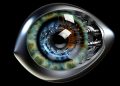
Bionic eyes, also known as visual prosthetics, are electronic devices designed to provide visual information to individuals who have lost their sight. They operate by using advanced technology to bypass damaged parts of the eye or the brain, offering a potential solution for individuals with conditions such as retinal degeneration, age-related macular degeneration, and retinitis pigmentosa, among others.

At their core, bionic eyes aim to replicate the visual process by capturing images through a camera and transmitting the information to the brain via electrodes. This complex process requires a precise integration of hardware and software, ensuring that the device mimics natural vision as closely as possible.

The Science Behind Bionic Eyes

Bionic eyes can be broken down into a few essential components:

  • External Camera: This small, typically wearable camera captures the visual scene in front of the user. It can be mounted on glasses or integrated into a headset.
  • Processor: The captured images are sent to a small processor, which converts the data into electrical signals that can be understood by the brain.
  • Implantable Microelectrode Array: This small array is surgically implanted into the retina or optic nerve. It receives the processed signals and stimulates the remaining healthy cells, allowing the brain to interpret them as visual information.

The key to bionic eyes’ functionality is their ability to work around damaged areas of the visual pathway. For instance, if the retina is damaged, the device may bypass the retina entirely, sending signals directly to the brain’s visual cortex. This cutting-edge process involves complex neuroprosthetics, where technology meets biology to achieve vision restoration.
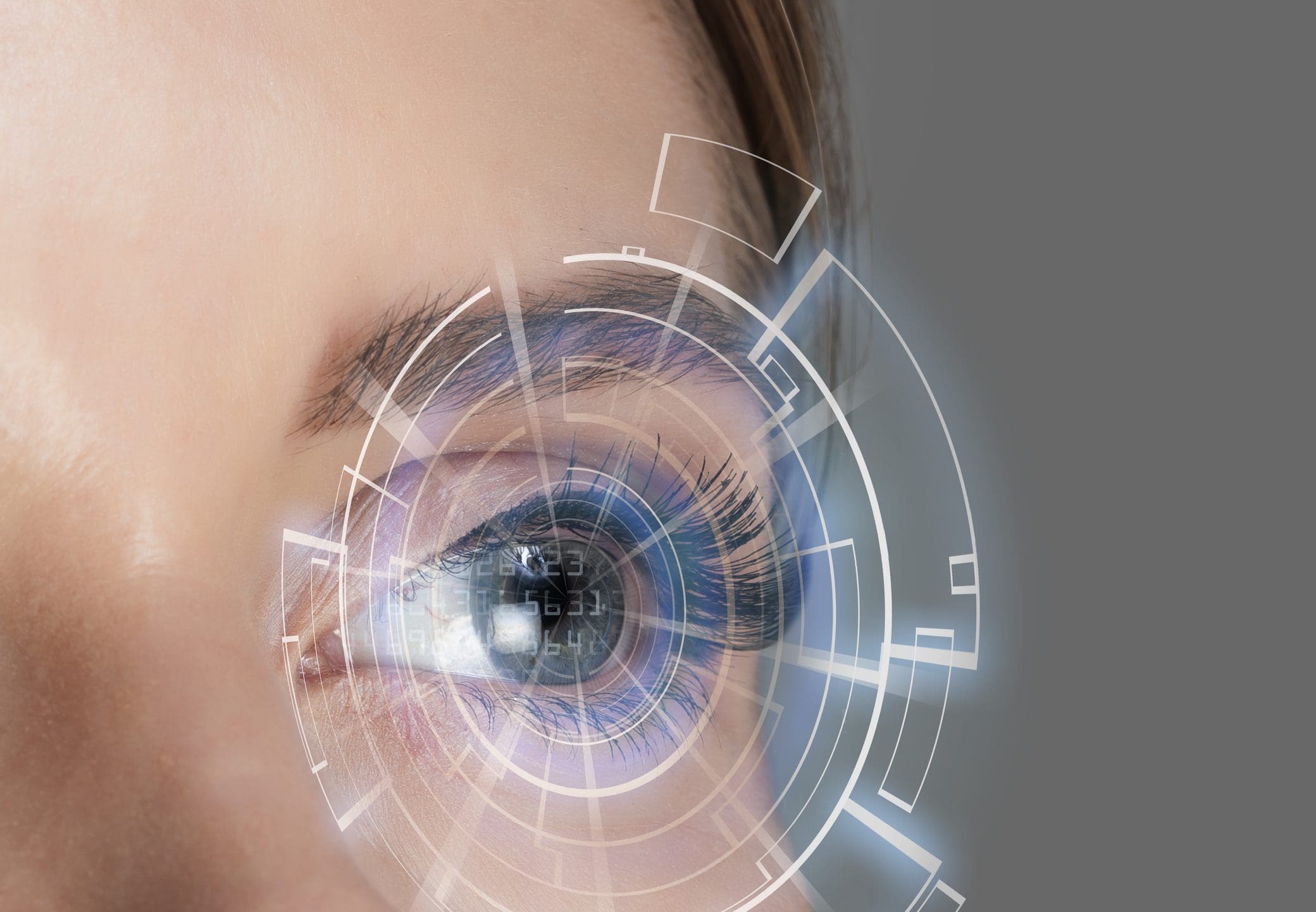

Guide to Bionic Eyes: Implants, Lenses & the Status in 2022 – NVISION

The History and Development of Bionic Eyes

The idea of restoring vision using technology is not new. The journey towards bionic eyes began with experiments involving electrical stimulation of the retina in the late 20th century. Early prototypes were bulky and only partially successful, offering flashes of light rather than full vision. However, with advancements in microelectronics, signal processing, and neuroscience, the technology has evolved into more refined and promising devices.

In the early 2000s, the Argus II Retinal Prosthesis System, developed by Second Sight, became the first FDA-approved bionic eye. This device used a small implant and a wearable camera to provide users with limited vision, enough to detect light and movement. Though its success was measured, it marked the beginning of a revolution in sight restoration.

In recent years, new players in the field have emerged, with more sophisticated systems offering higher resolution and better integration with the brain’s visual pathways. Companies like Pixium Vision, Eyenuk, and Alcon are now pushing the boundaries of what is possible in terms of image clarity and the degree of vision restoration.


Current Challenges and Limitations

While bionic eyes represent a major breakthrough, they are still far from perfect. One of the primary challenges is image resolution. Current devices often provide low-resolution images, which can be enough to distinguish light from dark or perceive movement, but they do not offer the sharpness required for everyday tasks such as reading or recognizing faces. Some of the leading systems, like the Argus II, have a resolution of only 60 pixels, compared to the millions of photoreceptor cells found in a healthy retina.

Another limitation is the need for surgical implantation. The process of installing a bionic eye is invasive and carries risks, including infection and potential damage to surrounding tissues. While these risks are manageable, they still present a significant barrier for widespread adoption.

Additionally, bionic eyes rely on constant calibration and maintenance. The technology requires regular updates and, in some cases, replacement components, which can add to the long-term cost and inconvenience for users.


The Future of Bionic Eyes: A Glimpse Into Tomorrow

Despite the challenges, the future of bionic eyes looks promising. Researchers and engineers are working tirelessly to enhance the resolution, functionality, and ease of use of these devices. Some of the exciting developments include:

  • Retinal Implants with Higher Resolution: New designs aim to increase the number of electrodes in the retinal implant, which would allow for higher-definition images. Some experimental devices are already using 1,000 electrodes, with the hope of reaching tens of thousands in the near future.
  • Wireless Technology: New advancements in wireless technology are making it possible to transmit visual data without the need for bulky wires or external devices. This would offer greater comfort and mobility for users.
  • Brain-Computer Interfaces (BCIs): One of the most exciting developments is the integration of brain-computer interfaces with bionic eyes. This allows for direct stimulation of the visual cortex, bypassing the need for implants in the eye altogether. Although still in early stages, BCIs could provide a much more natural and immersive experience for users.

Revolutionary Wireless Visual Prosthesis Brain Implant Marks Two Years of  Successful Testing After Surgical Implantation | Illinois Institute of  Technology

Social and Ethical Implications

As with any major technological advancement, the introduction of bionic eyes raises important ethical and societal questions. The prospect of restoring sight to the blind is undoubtedly exciting, but it comes with its own set of challenges, particularly when it comes to accessibility and equity.

For instance, bionic eyes are expensive. The cost of the procedure, as well as the ongoing maintenance and upgrades, can be prohibitive for many people. This raises the issue of who gets access to such life-changing technology and how society can ensure that these innovations benefit everyone, not just the wealthy.

Moreover, there is the question of privacy. As bionic eyes become more sophisticated, it’s possible that they could be used for more than just vision restoration. With integrated cameras and wireless data transmission, there is a potential risk of surveillance and misuse of personal data.

Finally, we must consider the psychological impact of restoring vision. For those who have lived with blindness for years, regaining some form of sight could be overwhelming. The brain may need time to adapt to the influx of visual information, and some individuals might experience difficulty processing these new sensory inputs.


Conclusion: The Road Ahead

In conclusion, bionic eyes represent one of the most fascinating advancements in medical technology, offering the potential to restore sight to the blind and transform lives in ways previously thought impossible. While the technology is still in its early stages, the progress made so far is nothing short of extraordinary.

The future promises even greater innovation, with the potential for higher resolution, more natural integration with the brain, and the possibility of fully restoring vision to those with blindness. However, we must also consider the ethical, social, and practical challenges that come with these advancements.

As we continue to explore the possibilities of bionic eyes, one thing is clear: we are on the brink of a revolution in vision restoration, and the future looks incredibly bright.


Tags: Bionic EyesEthicsHealthcareProsthetics
ShareTweetShare

Related Posts

Bionics: The Key to Human Immortality?
Bionics

Bionics: The Key to Human Immortality?

December 2, 2025
Bionic Organs: Can They Save Lives or Create New Ethical Dilemmas?
Bionics

Bionic Organs: Can They Save Lives or Create New Ethical Dilemmas?

December 1, 2025
The Future of Prosthetics: Is It Fully Bionic?
Bionics

The Future of Prosthetics: Is It Fully Bionic?

November 30, 2025
What Happens When Bionics Merge with Artificial Intelligence?
Bionics

What Happens When Bionics Merge with Artificial Intelligence?

November 29, 2025
Bionic Enhancements: Could They Improve Our Cognitive Abilities?
Bionics

Bionic Enhancements: Could They Improve Our Cognitive Abilities?

November 28, 2025
How Far Can Bionic Eyes Take Us Beyond Human Vision?
Bionics

How Far Can Bionic Eyes Take Us Beyond Human Vision?

November 27, 2025
Leave Comment
  • Trending
  • Comments
  • Latest
Can Sustainability Drive Profits in Competitive Markets?

Can Sustainability Drive Profits in Competitive Markets?

October 17, 2025
Can the Spotlight Make or Break Your Career?

Can the Spotlight Make or Break Your Career?

October 14, 2025
Does the Spotlight Always Equal Success?

Does the Spotlight Always Equal Success?

October 16, 2025
Can the Spotlight Truly Capture the Essence of a Person?

Can the Spotlight Truly Capture the Essence of a Person?

October 16, 2025
Can Bionics Redefine Human Limitations?

Can Bionics Redefine Human Limitations?

Is Bionics the Future of Prosthetics?

Is Bionics the Future of Prosthetics?

Can We Truly Integrate Technology with Biology?

Can We Truly Integrate Technology with Biology?

How Close Are We to Creating Bionic Organs?

How Close Are We to Creating Bionic Organs?

How Can Spotlights Elevate Your Interior Design Game?

How Can Spotlights Elevate Your Interior Design Game?

December 2, 2025
Will We Ever Live on Mars? And Should We?

Will We Ever Live on Mars? And Should We?

December 2, 2025
Bionics: The Key to Human Immortality?

Bionics: The Key to Human Immortality?

December 2, 2025
How Can Data Privacy be Maintained in a Hyperconnected World?

How Can Data Privacy be Maintained in a Hyperconnected World?

December 2, 2025
CyberGait

Our content caters to engineers, researchers, and tech enthusiasts alike. Through focused articles on algorithms, biomimicry, and industry trends, we provide a comprehensive perspective on the future of movement, from laboratory breakthroughs to commercial products.

© 2025 cybergait.com. contacts:[email protected]

No Result
View All Result
  • Home
  • Bionics
  • Breakthroughs
  • Industry
  • Robotics
  • Spotlight

© 2025 cybergait.com. contacts:[email protected]

Welcome Back!

Login to your account below

Forgotten Password?

Retrieve your password

Please enter your username or email address to reset your password.

Log In