

















CyberGait
  • Home
  • Bionics
    Bionics: The Key to Human Immortality?

    Bionics: The Key to Human Immortality?

    Bionic Organs: Can They Save Lives or Create New Ethical Dilemmas?

    Bionic Organs: Can They Save Lives or Create New Ethical Dilemmas?

    The Future of Prosthetics: Is It Fully Bionic?

    The Future of Prosthetics: Is It Fully Bionic?

    What Happens When Bionics Merge with Artificial Intelligence?

    What Happens When Bionics Merge with Artificial Intelligence?

    Bionic Enhancements: Could They Improve Our Cognitive Abilities?

    Bionic Enhancements: Could They Improve Our Cognitive Abilities?

    How Far Can Bionic Eyes Take Us Beyond Human Vision?

    How Far Can Bionic Eyes Take Us Beyond Human Vision?

  • Breakthroughs
    Will We Ever Live on Mars? And Should We?

    Will We Ever Live on Mars? And Should We?

    Are We on the Brink of a Green Energy Revolution?

    Are We on the Brink of a Green Energy Revolution?

    Can Mind-Controlled Technology Revolutionize Communication?

    Can Mind-Controlled Technology Revolutionize Communication?

    What If We Could 3D Print Human Organs?

    What If We Could 3D Print Human Organs?

    Can Autonomous Vehicles Surpass Human Drivers in Safety?

    Can Autonomous Vehicles Surpass Human Drivers in Safety?

    Genomic Editing the Key to Immortality?

    Genomic Editing the Key to Immortality?

  • Industry
    How Can Data Privacy be Maintained in a Hyperconnected World?

    How Can Data Privacy be Maintained in a Hyperconnected World?

    Is the Gig Economy the Future of Employment?

    Is the Gig Economy the Future of Employment?

    Can Startups Compete with Corporate Giants in Innovation?

    Can Startups Compete with Corporate Giants in Innovation?

    The Future of Work: Truly Remote or Hybrid?

    The Future of Work: Truly Remote or Hybrid?

    How Does Blockchain Impact Global Supply Chains?

    How Does Blockchain Impact Global Supply Chains?

    Are We Overestimating the Power of Automation?

    Are We Overestimating the Power of Automation?

  • Robotics
    Can Robots Adapt to Unpredictable Real-World Environments?

    Can Robots Adapt to Unpredictable Real-World Environments?

    Will Robots Achieve True Autonomy or Always Need Human Oversight?

    Will Robots Achieve True Autonomy or Always Need Human Oversight?

    What Happens When Robots Start Designing Robots?

    What Happens When Robots Start Designing Robots?

    Are We Ready for Robots to Shape Our Creative Industries?

    Are We Ready for Robots to Shape Our Creative Industries?

    Could Robots One Day Replace Human Emotions in Caregiving?

    Could Robots One Day Replace Human Emotions in Caregiving?

    How Do We Ensure Robot Ethics in Autonomous Machines?

    How Do We Ensure Robot Ethics in Autonomous Machines?

  • Spotlight
    How Can Spotlights Elevate Your Interior Design Game?

    How Can Spotlights Elevate Your Interior Design Game?

    What Happens When You Use a Spotlight for Intimate Portraits?

    What Happens When You Use a Spotlight for Intimate Portraits?

    Why Do Spotlight Effects Matter in Cinematic Storytelling?

    Why Do Spotlight Effects Matter in Cinematic Storytelling?

    Could Spotlighting Be the Key to Perfect Product Photography?

    Could Spotlighting Be the Key to Perfect Product Photography?

    Spotlight Technology Changing the Future of Stage Design

    Spotlight Technology Changing the Future of Stage Design

    How Do Different Spotlights Affect Mood and Atmosphere?

    How Do Different Spotlights Affect Mood and Atmosphere?

CyberGait
  • Home
  • Bionics
    Bionics: The Key to Human Immortality?

    Bionics: The Key to Human Immortality?

    Bionic Organs: Can They Save Lives or Create New Ethical Dilemmas?

    Bionic Organs: Can They Save Lives or Create New Ethical Dilemmas?

    The Future of Prosthetics: Is It Fully Bionic?

    The Future of Prosthetics: Is It Fully Bionic?

    What Happens When Bionics Merge with Artificial Intelligence?

    What Happens When Bionics Merge with Artificial Intelligence?

    Bionic Enhancements: Could They Improve Our Cognitive Abilities?

    Bionic Enhancements: Could They Improve Our Cognitive Abilities?

    How Far Can Bionic Eyes Take Us Beyond Human Vision?

    How Far Can Bionic Eyes Take Us Beyond Human Vision?

  • Breakthroughs
    Will We Ever Live on Mars? And Should We?

    Will We Ever Live on Mars? And Should We?

    Are We on the Brink of a Green Energy Revolution?

    Are We on the Brink of a Green Energy Revolution?

    Can Mind-Controlled Technology Revolutionize Communication?

    Can Mind-Controlled Technology Revolutionize Communication?

    What If We Could 3D Print Human Organs?

    What If We Could 3D Print Human Organs?

    Can Autonomous Vehicles Surpass Human Drivers in Safety?

    Can Autonomous Vehicles Surpass Human Drivers in Safety?

    Genomic Editing the Key to Immortality?

    Genomic Editing the Key to Immortality?

  • Industry
    How Can Data Privacy be Maintained in a Hyperconnected World?

    How Can Data Privacy be Maintained in a Hyperconnected World?

    Is the Gig Economy the Future of Employment?

    Is the Gig Economy the Future of Employment?

    Can Startups Compete with Corporate Giants in Innovation?

    Can Startups Compete with Corporate Giants in Innovation?

    The Future of Work: Truly Remote or Hybrid?

    The Future of Work: Truly Remote or Hybrid?

    How Does Blockchain Impact Global Supply Chains?

    How Does Blockchain Impact Global Supply Chains?

    Are We Overestimating the Power of Automation?

    Are We Overestimating the Power of Automation?

  • Robotics
    Can Robots Adapt to Unpredictable Real-World Environments?

    Can Robots Adapt to Unpredictable Real-World Environments?

    Will Robots Achieve True Autonomy or Always Need Human Oversight?

    Will Robots Achieve True Autonomy or Always Need Human Oversight?

    What Happens When Robots Start Designing Robots?

    What Happens When Robots Start Designing Robots?

    Are We Ready for Robots to Shape Our Creative Industries?

    Are We Ready for Robots to Shape Our Creative Industries?

    Could Robots One Day Replace Human Emotions in Caregiving?

    Could Robots One Day Replace Human Emotions in Caregiving?

    How Do We Ensure Robot Ethics in Autonomous Machines?

    How Do We Ensure Robot Ethics in Autonomous Machines?

  • Spotlight
    How Can Spotlights Elevate Your Interior Design Game?

    How Can Spotlights Elevate Your Interior Design Game?

    What Happens When You Use a Spotlight for Intimate Portraits?

    What Happens When You Use a Spotlight for Intimate Portraits?

    Why Do Spotlight Effects Matter in Cinematic Storytelling?

    Why Do Spotlight Effects Matter in Cinematic Storytelling?

    Could Spotlighting Be the Key to Perfect Product Photography?

    Could Spotlighting Be the Key to Perfect Product Photography?

    Spotlight Technology Changing the Future of Stage Design

    Spotlight Technology Changing the Future of Stage Design

    How Do Different Spotlights Affect Mood and Atmosphere?

    How Do Different Spotlights Affect Mood and Atmosphere?

CyberGait
No Result
View All Result
Home Industry

How Will Automation Reshape Traditional Industries?

October 14, 2025
in Industry
How Will Automation Reshape Traditional Industries?

Automation is transforming the global landscape, fundamentally altering industries that have remained relatively unchanged for centuries. From manufacturing to healthcare, automation is not just a buzzword—it’s a driving force behind economic evolution, efficiency, and productivity. But what does this mean for traditional industries? Will automation replace jobs, or will it augment human potential? Let’s explore how automation is reshaping the world we know and what this transformation means for the future of work and society.

The Rise of Automation: A Brief Overview

Automation is the use of technology to perform tasks without human intervention. It has evolved from simple machinery to sophisticated systems powered by artificial intelligence (AI), robotics, and the Internet of Things (IoT). What began as basic factory machinery in the early 20th century has now expanded into self-driving cars, AI-driven data analytics, and intelligent robots performing surgeries.

In essence, automation promises to deliver three major benefits: improved efficiency, reduced human error, and increased production rates. But this is only scratching the surface of its impact, particularly in traditional industries where manual labor has long been the backbone of operations.

Automation in Manufacturing: The Backbone of Industry 4.0

Manufacturing, one of the first industries to embrace automation, has undergone a dramatic transformation. The advent of Industry 4.0, often referred to as the fourth industrial revolution, represents the fusion of physical and digital technologies. Automated systems now control assembly lines, monitor production quality, and even predict machinery breakdowns before they occur.

Robotics are a prime example of this shift. Robots are no longer confined to simple tasks like welding or assembling parts—they are now capable of performing more complex activities, such as quality control, logistics management, and customized production. These machines improve the speed and accuracy of operations, reduce waste, and allow manufacturers to meet consumer demands in real-time.

For example, Tesla’s Gigafactories are equipped with some of the most advanced automation systems, utilizing AI and robots to assemble vehicles with precision and speed. This has radically cut down manufacturing costs and enabled rapid scaling of production.

However, this shift to automation raises concerns about the future of labor in manufacturing. Will robots replace human workers? The answer isn’t straightforward. While some roles may be displaced, automation can also create new job opportunities in areas like robotics maintenance, AI programming, and system optimization.
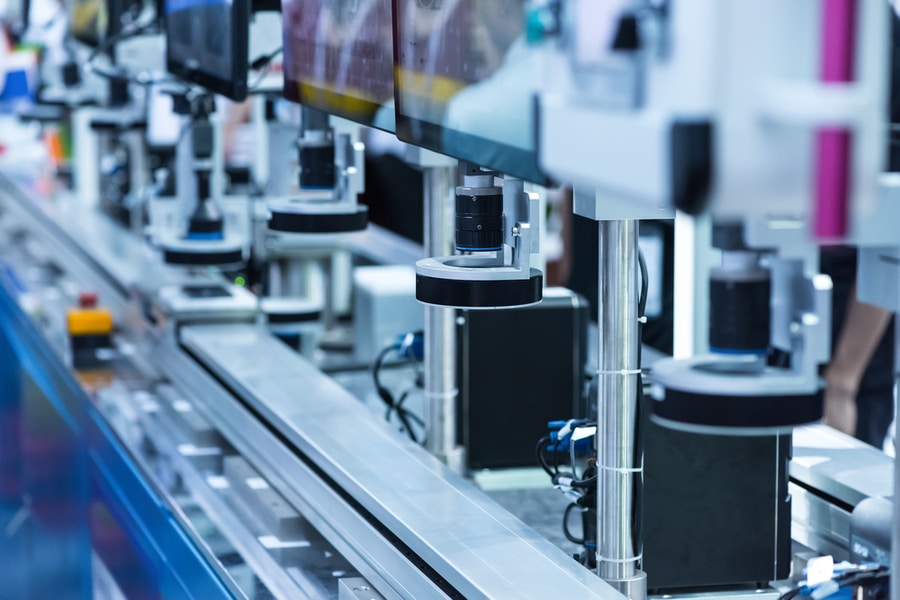
Factory Automation: The Different Types | Techman Robot

Retail: Automation as the New Customer Experience

Retail is another industry being transformed by automation. From the moment you enter a store to when you make a purchase, automation is enhancing the customer experience. Self-checkout systems, AI-driven recommendations, and robotic inventory management are just the beginning. For example, Amazon’s cashier-less stores, powered by sensors and cameras, allow customers to pick up items and walk out without going through a traditional checkout process.

Moreover, automation allows retailers to optimize inventory management, forecasting demand, and pricing. AI tools can analyze massive datasets to predict trends and customer behavior, giving retailers an edge in supply chain management.

For physical stores, robots are already being deployed to assist with inventory organization and restocking, such as Bossa Nova robots used by Walmart. These robots roam the aisles scanning shelves to identify which items need replenishing. This means less human labor is required for mundane tasks, leaving employees free to engage with customers on a higher level.

Even the logistics side of retail has seen automation improvements. Automated warehouses, such as those used by Ocado or Amazon, employ robotic arms, drones, and autonomous vehicles to move goods efficiently and reduce human error. This dramatically shortens delivery times and lowers costs.

However, as with manufacturing, there’s an ongoing debate about the impact of automation on jobs in retail. While some roles, like cashiers or stock clerks, may be displaced, new roles in AI programming, logistics, and customer service may emerge. The key will be reskilling the workforce to adapt to this changing environment.

Healthcare: Automation Enhancing Patient Care

Healthcare is another sector poised for a radical transformation due to automation. With the rise of AI, robotic surgery, and telemedicine, the healthcare landscape is becoming more efficient, accurate, and personalized.

AI algorithms are already being used to diagnose diseases, analyze medical images, and predict patient outcomes. For example, IBM Watson can process vast amounts of medical data and suggest treatment options for cancer patients. This reduces the likelihood of human error and allows doctors to focus on patient care rather than spending time on data analysis.

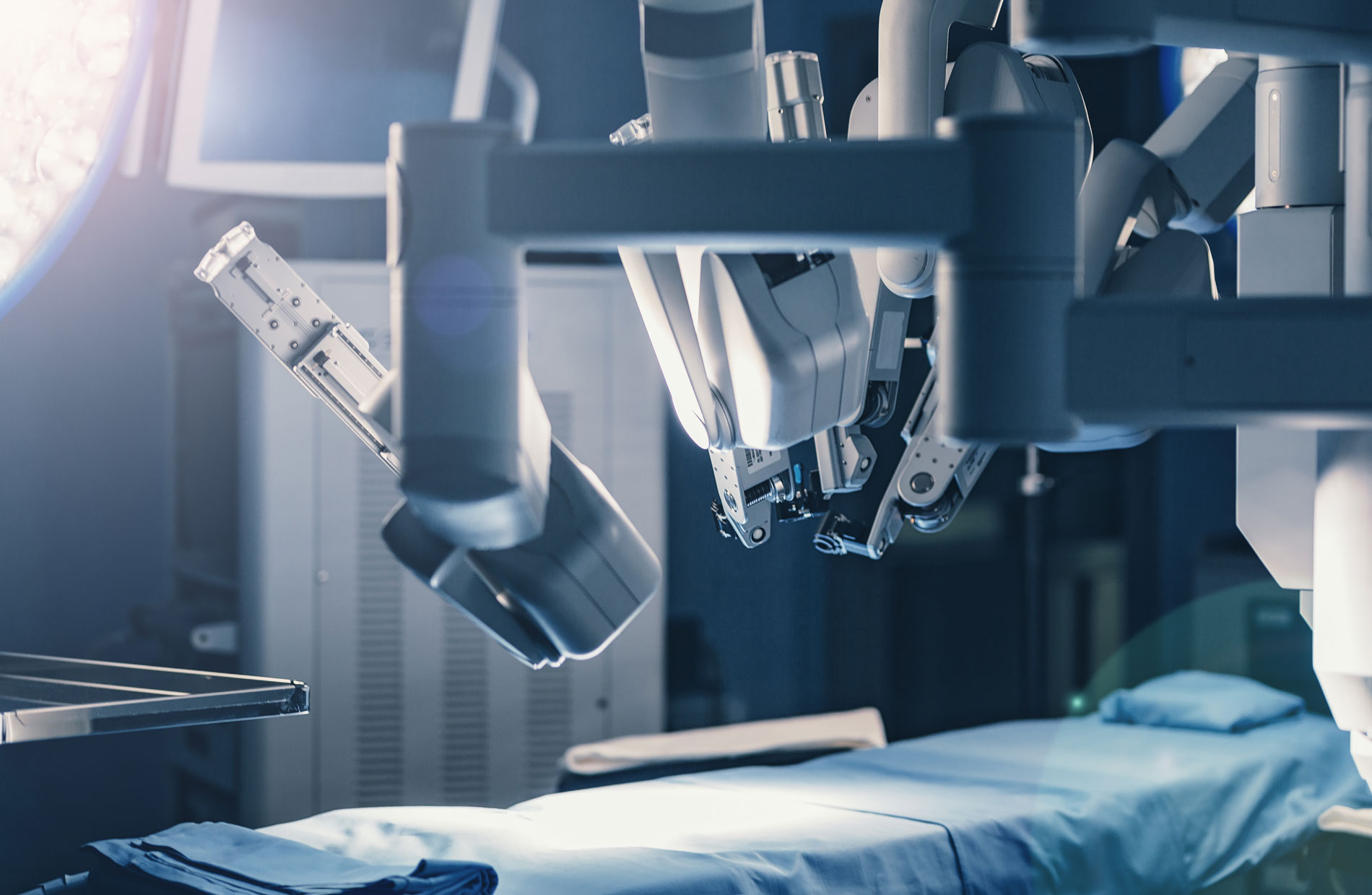
In surgery, robots like Da Vinci Surgical Systems allow surgeons to perform complex procedures with greater precision. These robots are controlled by a surgeon, but they provide enhanced visualization and fine-tuned control, leading to smaller incisions, quicker recovery times, and fewer complications.

Automation is also streamlining administrative tasks in healthcare, such as appointment scheduling, medical records management, and billing. This frees up time for healthcare providers to focus on patient care rather than bureaucratic tasks.

However, despite these advancements, the human element in healthcare remains irreplaceable. Automation in healthcare should not be seen as replacing doctors or nurses but rather as empowering them with the tools to deliver better, more efficient care.

Transportation: Autonomous Vehicles and the Future of Mobility

One of the most talked-about areas of automation is autonomous transportation. Self-driving vehicles are set to revolutionize not only how we commute but also how goods are transported. In cities, self-driving taxis, buses, and trucks will reshape the urban landscape, reducing traffic congestion and improving efficiency.

Companies like Waymo and Tesla are leading the charge in autonomous driving. These vehicles rely on AI, machine learning, and advanced sensors to navigate roads, avoid obstacles, and make real-time decisions. The potential benefits are significant, from reducing accidents caused by human error to lowering transportation costs and increasing the efficiency of logistics networks.

However, widespread adoption of autonomous vehicles is still facing hurdles. Regulatory frameworks are not fully developed, and there are concerns about safety and the displacement of drivers. It’s likely that self-driving technology will gradually be integrated into society, starting with specific sectors like freight shipping, before becoming commonplace for passenger vehicles.

Construction: Building Smarter, Faster, and Safer
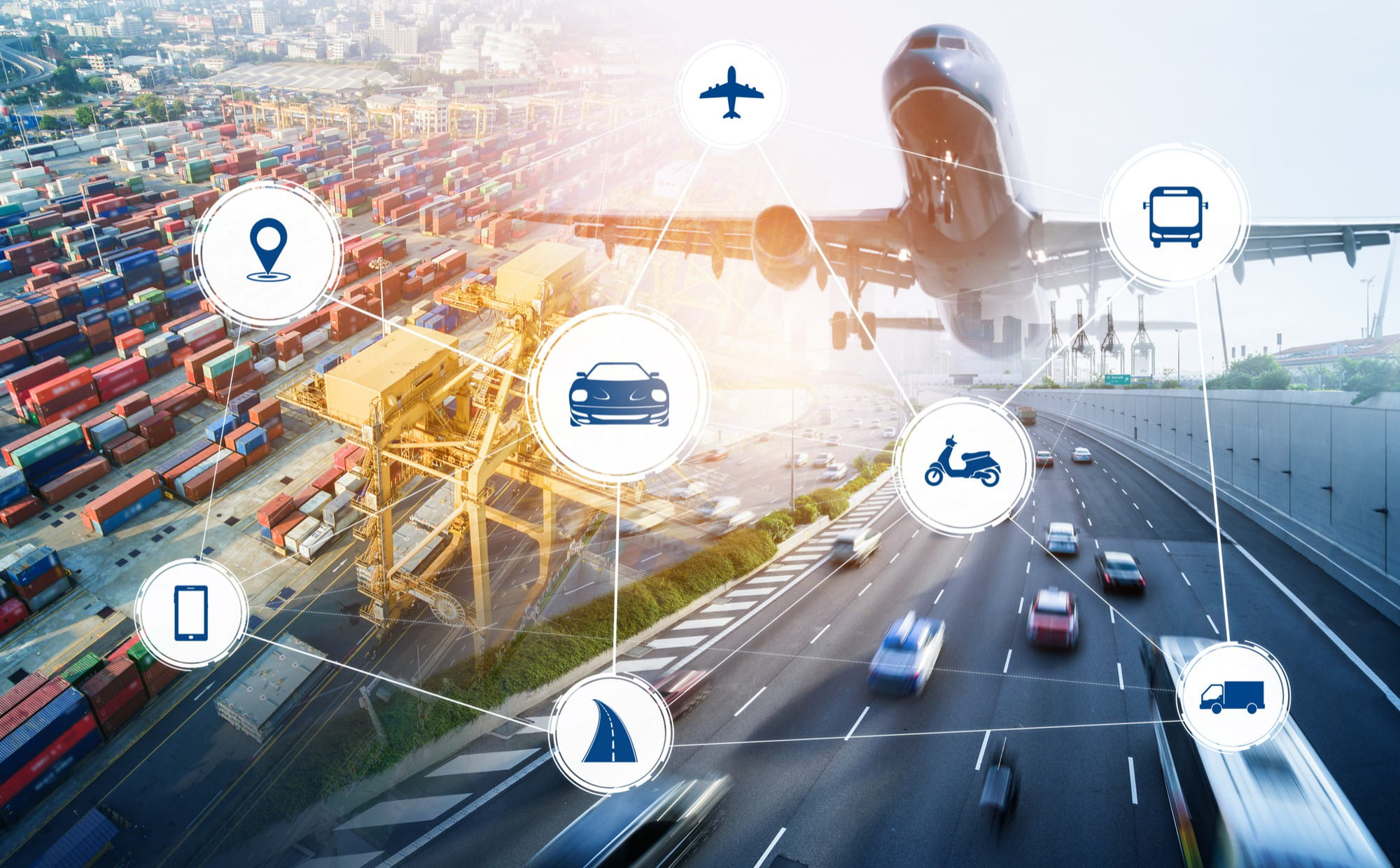
Artificial Intelligence & Transportation: Addressing Safety, Privacy,  Ethical Challenges, and Revolutionizing the Future of Mobility and Transport  Systems - Technology Innovators

The construction industry is another sector where automation is gaining momentum. 3D printing, robotic bricklaying, and drones are transforming how buildings are designed and constructed. 3D printing, for example, allows for the rapid construction of structures using layers of material, significantly reducing labor costs and construction times.

Drones are also being used to monitor construction sites, survey land, and even deliver materials to hard-to-reach areas. These innovations allow construction companies to complete projects more efficiently, safely, and with fewer human workers on-site.

However, the construction industry is also grappling with labor shortages, and automation could be a solution to this challenge. While some fear that robots might replace workers, the reality is that automation will likely complement human labor, taking over repetitive or dangerous tasks and allowing workers to focus on more complex aspects of the project.

Finance: AI and Automation Driving the Digital Economy

The finance industry is embracing automation to improve both customer experience and operational efficiency. Robo-advisors provide personalized investment advice using algorithms, making financial services more accessible to the masses. AI is also being used in fraud detection, risk assessment, and compliance, significantly reducing the need for manual oversight.

Automated trading systems allow financial institutions to process transactions and make decisions at speeds that humans simply cannot match. These systems analyze vast amounts of data in real-time, identifying trends and executing trades within fractions of a second.

For retail banking, chatbots powered by AI handle customer inquiries, process transactions, and assist in personal finance management. As the industry continues to evolve, the role of human bankers may shift from routine tasks to more strategic roles focused on customer relationship management and financial planning.

The Impact of Automation on the Workforce

As automation permeates more industries, the nature of work is changing. Some tasks and roles may be displaced, but new opportunities will emerge. The key challenge will be ensuring that workers have the skills required to adapt to this new landscape.

Reskilling and upskilling initiatives will be essential in helping workers transition into new roles. Automation can enhance human capabilities rather than replace them, and industries will need to embrace a hybrid model where both humans and machines work together.

Conclusion: The Future is Collaborative

The question is not whether automation will reshape traditional industries—it already is. The future of work will likely be characterized by collaboration between humans and machines, with automation handling routine tasks while humans focus on creative, strategic, and interpersonal roles. As industries continue to evolve, the key to success will be adapting to these changes, embracing new technologies, and ensuring that the workforce is prepared for the future.


Tags: AutomationDigital TransformationIndustry 4.0Robotics
ShareTweetShare

Related Posts

How Can Data Privacy be Maintained in a Hyperconnected World?
Industry

How Can Data Privacy be Maintained in a Hyperconnected World?

December 2, 2025
Is the Gig Economy the Future of Employment?
Industry

Is the Gig Economy the Future of Employment?

December 1, 2025
Can Startups Compete with Corporate Giants in Innovation?
Industry

Can Startups Compete with Corporate Giants in Innovation?

November 30, 2025
The Future of Work: Truly Remote or Hybrid?
Industry

The Future of Work: Truly Remote or Hybrid?

November 29, 2025
How Does Blockchain Impact Global Supply Chains?
Industry

How Does Blockchain Impact Global Supply Chains?

November 28, 2025
Are We Overestimating the Power of Automation?
Industry

Are We Overestimating the Power of Automation?

November 27, 2025
Leave Comment
  • Trending
  • Comments
  • Latest
Can Sustainability Drive Profits in Competitive Markets?

Can Sustainability Drive Profits in Competitive Markets?

October 17, 2025
Can the Spotlight Make or Break Your Career?

Can the Spotlight Make or Break Your Career?

October 14, 2025
Does the Spotlight Always Equal Success?

Does the Spotlight Always Equal Success?

October 16, 2025
Can the Spotlight Truly Capture the Essence of a Person?

Can the Spotlight Truly Capture the Essence of a Person?

October 16, 2025
Can Bionics Redefine Human Limitations?

Can Bionics Redefine Human Limitations?

Is Bionics the Future of Prosthetics?

Is Bionics the Future of Prosthetics?

Can We Truly Integrate Technology with Biology?

Can We Truly Integrate Technology with Biology?

How Close Are We to Creating Bionic Organs?

How Close Are We to Creating Bionic Organs?

How Can Spotlights Elevate Your Interior Design Game?

How Can Spotlights Elevate Your Interior Design Game?

December 2, 2025
Will We Ever Live on Mars? And Should We?

Will We Ever Live on Mars? And Should We?

December 2, 2025
Bionics: The Key to Human Immortality?

Bionics: The Key to Human Immortality?

December 2, 2025
How Can Data Privacy be Maintained in a Hyperconnected World?

How Can Data Privacy be Maintained in a Hyperconnected World?

December 2, 2025
CyberGait

Our content caters to engineers, researchers, and tech enthusiasts alike. Through focused articles on algorithms, biomimicry, and industry trends, we provide a comprehensive perspective on the future of movement, from laboratory breakthroughs to commercial products.

© 2025 cybergait.com. contacts:[email protected]

No Result
View All Result
  • Home
  • Bionics
  • Breakthroughs
  • Industry
  • Robotics
  • Spotlight

© 2025 cybergait.com. contacts:[email protected]

Welcome Back!

Login to your account below

Forgotten Password?

Retrieve your password

Please enter your username or email address to reset your password.

Log In