


























Introduction
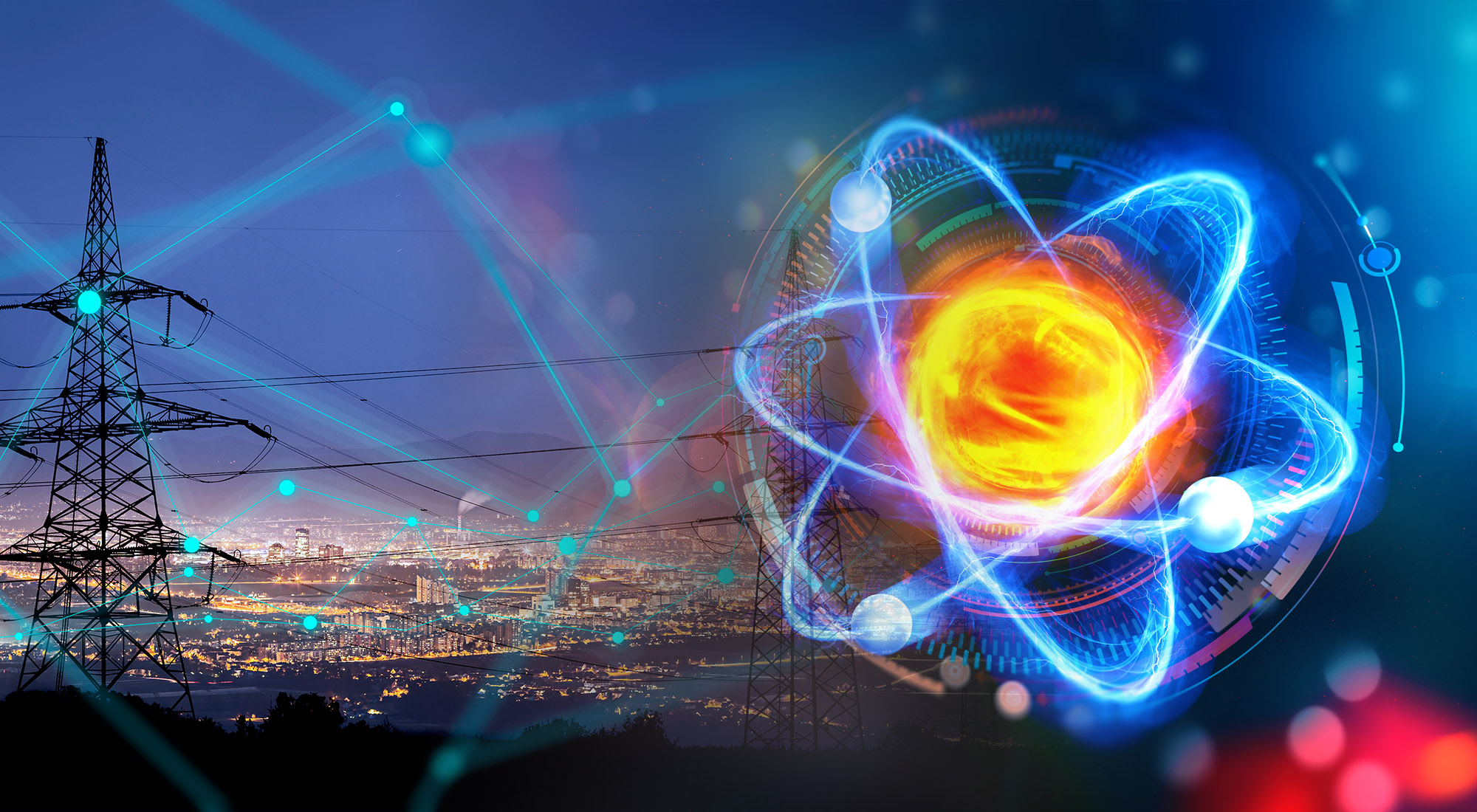
In the ongoing battle against climate change and energy insecurity, fusion energy has emerged as the holy grail of power generation. Unlike its fission counterpart, which powers nuclear reactors today, fusion promises to deliver clean, virtually limitless energy by mimicking the processes that fuel the sun. If harnessed effectively, fusion could revolutionize our power grid, ushering in a new era of sustainable, affordable, and abundant energy. But how close are we to this breakthrough? Will it truly change the way we power our homes, industries, and economies? This article delves into the science behind fusion energy, its potential role in transforming the power grid, and the challenges and opportunities it presents.
Understanding Fusion Energy
At its core, fusion energy is the process of combining lighter atomic nuclei—such as hydrogen isotopes—under extreme pressure and temperature to form a heavier nucleus. This process releases an enormous amount of energy, far greater than conventional chemical reactions like burning fossil fuels.
The key to fusion is overcoming the repulsive force between positively charged atomic nuclei. For fusion to occur, these nuclei must collide at extremely high speeds—typically requiring temperatures of over 100 million degrees Celsius, far hotter than the core of the sun. When these nuclei collide, they fuse together, releasing energy in the form of heat.
The most common fusion reaction involves deuterium and tritium, two isotopes of hydrogen. When these isotopes fuse, they form a helium nucleus and a high-energy neutron, producing energy in the process. This energy is then harnessed to generate electricity.
Fusion Energy vs. Fission Energy
While both fusion and fission are nuclear processes, they differ significantly in terms of safety, fuel, and waste. Fission, the process used in today’s nuclear reactors, splits heavy atomic nuclei—like uranium or plutonium—into smaller nuclei, releasing energy. However, fission produces radioactive waste, some of which remains hazardous for thousands of years. The fuel, such as uranium, is also limited, and mining it has environmental consequences.
Fusion, on the other hand, produces no long-lived radioactive waste and relies on fuels—deuterium and tritium—that are abundant and can be extracted from seawater. The byproducts of fusion are generally harmless, with helium being the most common. As a result, fusion energy is often viewed as the cleaner, safer alternative to traditional nuclear power.
How Fusion Could Transform the Power Grid
If fusion energy becomes a reality, it could revolutionize the way we generate and distribute power. Here are some key ways in which fusion energy could transform the global power grid:
![CleanEnergy4CE] Putting clean energy transition policies into practice in central Europe | ESPON](https://www.espon.eu/sites/default/files/2024-06/energy-efficiency.jpg)
1. Limitless, Clean Energy Supply
The most compelling advantage of fusion energy is its potential to provide a virtually unlimited and clean energy supply. Deuterium, the fuel for fusion reactions, is found in abundance in seawater, and there’s enough of it to meet humanity’s energy needs for millions of years. Unlike fossil fuels, which release harmful greenhouse gases and contribute to climate change, fusion produces no carbon emissions during operation.
In addition, fusion power would have a minimal environmental footprint compared to solar, wind, and hydroelectric energy. Unlike solar or wind, fusion does not depend on weather patterns, making it a more stable and reliable energy source.
2. Baseload Power Generation
One of the most significant challenges with renewable energy sources like wind and solar is their intermittent nature. The sun doesn’t always shine, and the wind doesn’t always blow, making it difficult to rely on them for baseload power (the minimum level of demand on the electrical grid over a span of time).
Fusion energy, however, could provide a constant and reliable source of baseload power. Unlike solar or wind, fusion doesn’t rely on external factors like time of day or weather conditions. This ability to produce energy continuously and at scale could reduce our dependence on fossil fuels, helping to stabilize the power grid and reduce the need for backup systems like natural gas plants.
3. Energy Independence
Fusion energy could help countries achieve greater energy independence by reducing their reliance on imported oil, coal, and natural gas. With fusion power, nations could potentially generate their own electricity from domestic sources, such as seawater, and create a more resilient and self-sufficient energy system. This could significantly reduce geopolitical tensions related to energy supply and boost national security.
4. Decentralized Power Generation
One of the most exciting prospects of fusion energy is its potential for decentralized power generation. Current power grids are centralized, relying on large power plants to supply electricity to vast regions. Fusion reactors, however, could be much smaller and more modular, enabling a more distributed approach to energy generation.
In the future, fusion reactors could be deployed closer to where the energy is needed, reducing transmission losses and increasing efficiency. This could also allow for localized energy solutions, reducing the risk of widespread blackouts and increasing resilience to natural disasters or cyberattacks.
Challenges in Achieving Fusion Energy
Despite its immense potential, fusion energy is not without its challenges. Creating a viable fusion power plant requires overcoming significant scientific, engineering, and economic hurdles.
1. Technological Challenges
The first and most obvious challenge is the technology required to sustain a fusion reaction. For fusion to work on Earth, we need to create conditions that mimic those in the sun—extremely high temperatures and pressures. Achieving these conditions has proven to be difficult.
Currently, most fusion research focuses on two main approaches: magnetic confinement and inertial confinement. Magnetic confinement uses powerful magnetic fields to trap and stabilize the plasma (a hot, electrically charged gas) in which fusion occurs. The most well-known experiment using magnetic confinement is the ITER (International Thermonuclear Experimental Reactor) project in France. ITER aims to demonstrate that it’s possible to achieve a net-positive energy output from a fusion reaction.
Inertial confinement, on the other hand, involves using lasers or other methods to compress fuel pellets to high temperatures and pressures, triggering fusion. The National Ignition Facility (NIF) in the United States is one of the leading research centers focused on this approach.
Both approaches face significant technical obstacles, including the need to handle extreme heat and pressure, as well as the difficulty of maintaining stable plasma for long enough to generate more energy than is consumed in the process.
2. Energy Break-even and Beyond
For fusion to be viable, the energy produced must exceed the energy required to sustain the reaction. Achieving “energy break-even” is a major milestone, meaning that the energy output of the fusion reaction matches or exceeds the input energy required to initiate and maintain the reaction.
To date, fusion experiments have achieved limited success in producing energy, but they have not yet reached break-even. ITER is aiming to achieve a ten-fold increase in energy output compared to input, but it’s expected that commercial fusion power plants will not be realized for at least another few decades. The timeline for achieving net-positive fusion power is still uncertain, and much work remains to be done.
3. Material Science and Durability
Fusion reactions generate vast amounts of energy and heat, which can damage materials over time. The intense radiation and neutron bombardment from fusion reactions pose a challenge for the development of materials that can withstand the harsh conditions inside a fusion reactor.
Researchers are working on developing advanced materials that can resist these extreme conditions and maintain their integrity over long periods. For example, the first wall of a fusion reactor—the part that directly faces the plasma—must be able to withstand extreme temperatures and radiation while also efficiently transferring heat to generate electricity.
4. Economic and Scaling Challenges
Building fusion reactors is an expensive and complex endeavor. The construction and maintenance of fusion power plants will require significant investment, and scaling up fusion technology to provide power for entire grids will require a massive global effort.
As with any new energy technology, the cost of fusion power will be a key factor in its success. While fusion promises to be cheap and abundant in the long run, it may take years—if not decades—before it is commercially viable.
The Road Ahead: Fusion’s Role in the Future Energy Mix
While challenges remain, there is a growing sense of optimism in the fusion community. Advancements in plasma physics, materials science, and engineering are bringing us closer to the day when fusion power will be a reality.
Fusion energy could play a pivotal role in the transition to a cleaner, more sustainable energy future. However, it will not be a silver bullet. Rather, it is likely to be one part of a diverse energy mix, complementing other renewable sources like solar, wind, and hydropower, as well as innovations in energy storage and smart grid technologies.
The key will be achieving a balance between fusion and other renewable energy sources, while also addressing issues of grid modernization, energy storage, and transmission infrastructure. In many ways, fusion is still in its early stages, and its role in the power grid may not be realized for decades. But if the current pace of progress continues, fusion could become a transformative force in global energy production.
Conclusion
Fusion energy holds the promise of transforming our power grids by providing a clean, limitless, and sustainable energy source. However, the path to realizing fusion power is fraught with technical and economic challenges. While progress is being made, it is still uncertain when fusion will become a practical source of electricity.
That said, the potential benefits of fusion—ranging from energy independence to the reduction of greenhouse gas emissions—are too significant to ignore. As research and development continue, we may soon see a world where fusion energy plays a major role in powering our lives.
The future of fusion is still being written, but one thing is clear: it could very well be the key to a new era of energy.