
















CyberGait
  • Home
  • Bionics
    Bionics: The Key to Human Immortality?

    Bionics: The Key to Human Immortality?

    Bionic Organs: Can They Save Lives or Create New Ethical Dilemmas?

    Bionic Organs: Can They Save Lives or Create New Ethical Dilemmas?

    The Future of Prosthetics: Is It Fully Bionic?

    The Future of Prosthetics: Is It Fully Bionic?

    What Happens When Bionics Merge with Artificial Intelligence?

    What Happens When Bionics Merge with Artificial Intelligence?

    Bionic Enhancements: Could They Improve Our Cognitive Abilities?

    Bionic Enhancements: Could They Improve Our Cognitive Abilities?

    How Far Can Bionic Eyes Take Us Beyond Human Vision?

    How Far Can Bionic Eyes Take Us Beyond Human Vision?

  • Breakthroughs
    Will We Ever Live on Mars? And Should We?

    Will We Ever Live on Mars? And Should We?

    Are We on the Brink of a Green Energy Revolution?

    Are We on the Brink of a Green Energy Revolution?

    Can Mind-Controlled Technology Revolutionize Communication?

    Can Mind-Controlled Technology Revolutionize Communication?

    What If We Could 3D Print Human Organs?

    What If We Could 3D Print Human Organs?

    Can Autonomous Vehicles Surpass Human Drivers in Safety?

    Can Autonomous Vehicles Surpass Human Drivers in Safety?

    Genomic Editing the Key to Immortality?

    Genomic Editing the Key to Immortality?

  • Industry
    How Can Data Privacy be Maintained in a Hyperconnected World?

    How Can Data Privacy be Maintained in a Hyperconnected World?

    Is the Gig Economy the Future of Employment?

    Is the Gig Economy the Future of Employment?

    Can Startups Compete with Corporate Giants in Innovation?

    Can Startups Compete with Corporate Giants in Innovation?

    The Future of Work: Truly Remote or Hybrid?

    The Future of Work: Truly Remote or Hybrid?

    How Does Blockchain Impact Global Supply Chains?

    How Does Blockchain Impact Global Supply Chains?

    Are We Overestimating the Power of Automation?

    Are We Overestimating the Power of Automation?

  • Robotics
    Can Robots Adapt to Unpredictable Real-World Environments?

    Can Robots Adapt to Unpredictable Real-World Environments?

    Will Robots Achieve True Autonomy or Always Need Human Oversight?

    Will Robots Achieve True Autonomy or Always Need Human Oversight?

    What Happens When Robots Start Designing Robots?

    What Happens When Robots Start Designing Robots?

    Are We Ready for Robots to Shape Our Creative Industries?

    Are We Ready for Robots to Shape Our Creative Industries?

    Could Robots One Day Replace Human Emotions in Caregiving?

    Could Robots One Day Replace Human Emotions in Caregiving?

    How Do We Ensure Robot Ethics in Autonomous Machines?

    How Do We Ensure Robot Ethics in Autonomous Machines?

  • Spotlight
    How Can Spotlights Elevate Your Interior Design Game?

    How Can Spotlights Elevate Your Interior Design Game?

    What Happens When You Use a Spotlight for Intimate Portraits?

    What Happens When You Use a Spotlight for Intimate Portraits?

    Why Do Spotlight Effects Matter in Cinematic Storytelling?

    Why Do Spotlight Effects Matter in Cinematic Storytelling?

    Could Spotlighting Be the Key to Perfect Product Photography?

    Could Spotlighting Be the Key to Perfect Product Photography?

    Spotlight Technology Changing the Future of Stage Design

    Spotlight Technology Changing the Future of Stage Design

    How Do Different Spotlights Affect Mood and Atmosphere?

    How Do Different Spotlights Affect Mood and Atmosphere?

CyberGait
  • Home
  • Bionics
    Bionics: The Key to Human Immortality?

    Bionics: The Key to Human Immortality?

    Bionic Organs: Can They Save Lives or Create New Ethical Dilemmas?

    Bionic Organs: Can They Save Lives or Create New Ethical Dilemmas?

    The Future of Prosthetics: Is It Fully Bionic?

    The Future of Prosthetics: Is It Fully Bionic?

    What Happens When Bionics Merge with Artificial Intelligence?

    What Happens When Bionics Merge with Artificial Intelligence?

    Bionic Enhancements: Could They Improve Our Cognitive Abilities?

    Bionic Enhancements: Could They Improve Our Cognitive Abilities?

    How Far Can Bionic Eyes Take Us Beyond Human Vision?

    How Far Can Bionic Eyes Take Us Beyond Human Vision?

  • Breakthroughs
    Will We Ever Live on Mars? And Should We?

    Will We Ever Live on Mars? And Should We?

    Are We on the Brink of a Green Energy Revolution?

    Are We on the Brink of a Green Energy Revolution?

    Can Mind-Controlled Technology Revolutionize Communication?

    Can Mind-Controlled Technology Revolutionize Communication?

    What If We Could 3D Print Human Organs?

    What If We Could 3D Print Human Organs?

    Can Autonomous Vehicles Surpass Human Drivers in Safety?

    Can Autonomous Vehicles Surpass Human Drivers in Safety?

    Genomic Editing the Key to Immortality?

    Genomic Editing the Key to Immortality?

  • Industry
    How Can Data Privacy be Maintained in a Hyperconnected World?

    How Can Data Privacy be Maintained in a Hyperconnected World?

    Is the Gig Economy the Future of Employment?

    Is the Gig Economy the Future of Employment?

    Can Startups Compete with Corporate Giants in Innovation?

    Can Startups Compete with Corporate Giants in Innovation?

    The Future of Work: Truly Remote or Hybrid?

    The Future of Work: Truly Remote or Hybrid?

    How Does Blockchain Impact Global Supply Chains?

    How Does Blockchain Impact Global Supply Chains?

    Are We Overestimating the Power of Automation?

    Are We Overestimating the Power of Automation?

  • Robotics
    Can Robots Adapt to Unpredictable Real-World Environments?

    Can Robots Adapt to Unpredictable Real-World Environments?

    Will Robots Achieve True Autonomy or Always Need Human Oversight?

    Will Robots Achieve True Autonomy or Always Need Human Oversight?

    What Happens When Robots Start Designing Robots?

    What Happens When Robots Start Designing Robots?

    Are We Ready for Robots to Shape Our Creative Industries?

    Are We Ready for Robots to Shape Our Creative Industries?

    Could Robots One Day Replace Human Emotions in Caregiving?

    Could Robots One Day Replace Human Emotions in Caregiving?

    How Do We Ensure Robot Ethics in Autonomous Machines?

    How Do We Ensure Robot Ethics in Autonomous Machines?

  • Spotlight
    How Can Spotlights Elevate Your Interior Design Game?

    How Can Spotlights Elevate Your Interior Design Game?

    What Happens When You Use a Spotlight for Intimate Portraits?

    What Happens When You Use a Spotlight for Intimate Portraits?

    Why Do Spotlight Effects Matter in Cinematic Storytelling?

    Why Do Spotlight Effects Matter in Cinematic Storytelling?

    Could Spotlighting Be the Key to Perfect Product Photography?

    Could Spotlighting Be the Key to Perfect Product Photography?

    Spotlight Technology Changing the Future of Stage Design

    Spotlight Technology Changing the Future of Stage Design

    How Do Different Spotlights Affect Mood and Atmosphere?

    How Do Different Spotlights Affect Mood and Atmosphere?

CyberGait
No Result
View All Result
Home Breakthroughs

What If We Could 3D Print Organs for Transplantation?

October 14, 2025
in Breakthroughs
What If We Could 3D Print Organs for Transplantation?

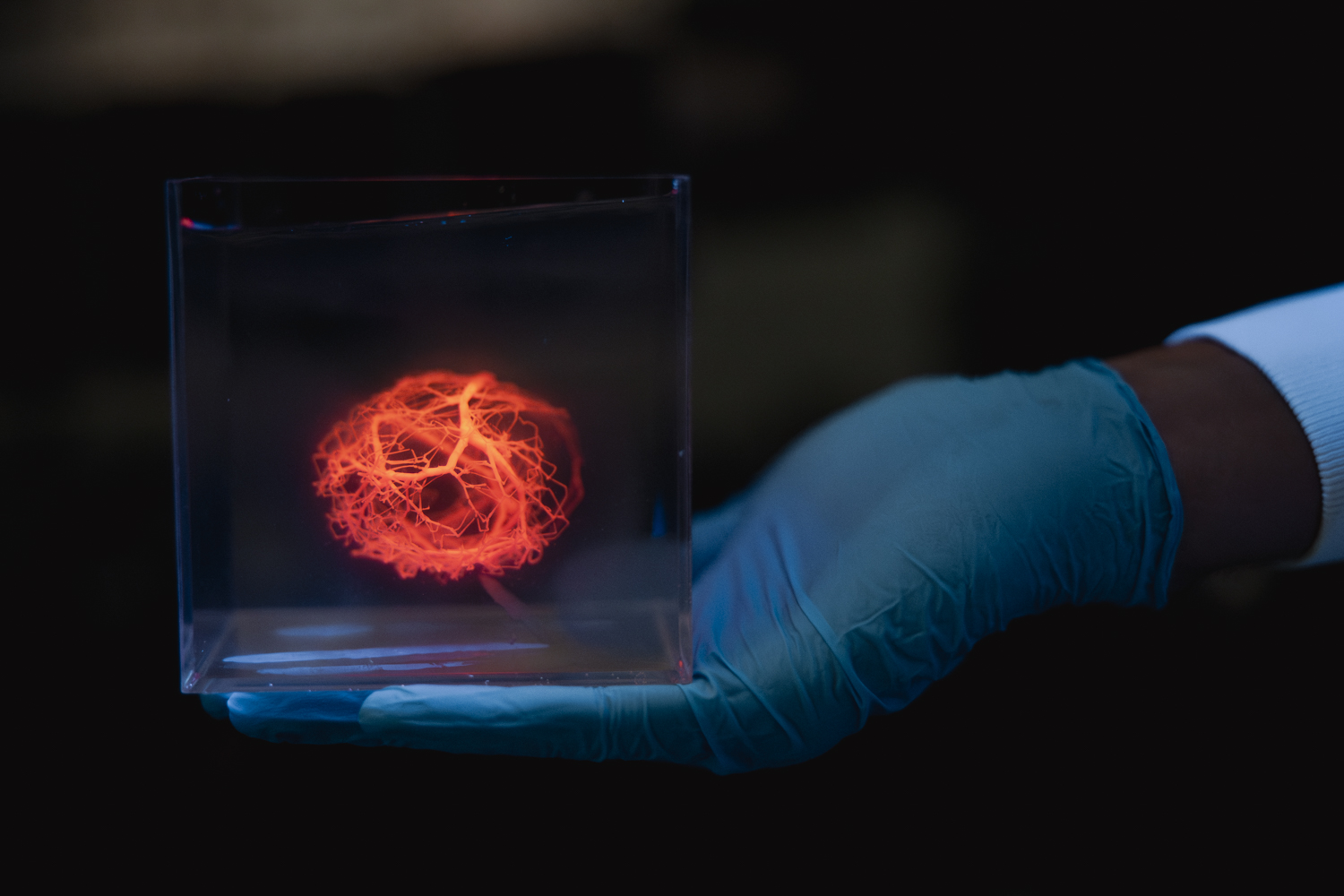
The world of medicine is constantly evolving, and one of the most groundbreaking advances is the development of 3D printing technology. While it is already revolutionizing industries like manufacturing and automotive, one of its most exciting and potentially life-saving applications lies in the field of healthcare—specifically, organ transplantation. What if we could 3D print organs to save the lives of those in need of transplants? This hypothetical scenario is quickly turning into a possibility, thanks to innovative research and advancements in bioprinting.

The Current State of Organ Transplantation

Every year, millions of people around the world are diagnosed with organ failure. According to the World Health Organization (WHO), over 130,000 organ transplants are performed globally, but the demand far outstrips supply. There are currently over 100,000 people on waiting lists for organ transplants in the United States alone, and many of them will not receive a transplant in time to save their lives.

The scarcity of available organs is a huge problem, and it is compounded by issues such as organ rejection and the complexities of organ matching. Even when an organ is available, the risk of rejection by the patient’s immune system remains a major hurdle. Furthermore, many organs are unsuitable for donation due to disease or age-related degradation.

Enter 3D Printing: The Future of Organ Transplantation?

3D printing technology, also known as additive manufacturing, has already made significant strides in the world of healthcare. Researchers have been able to print everything from prosthetics and medical tools to tissue scaffolds and skin grafts. But the most ambitious goal of 3D printing in medicine is the creation of fully functional, transplantable organs.

Bioprinting, a subset of 3D printing, involves printing with living cells instead of traditional materials like plastic or metal. The hope is that with bioprinting, it will be possible to print organs layer by layer using the patient’s own cells, reducing the risk of rejection and creating custom-fit organs.

How Does 3D Printing of Organs Work?
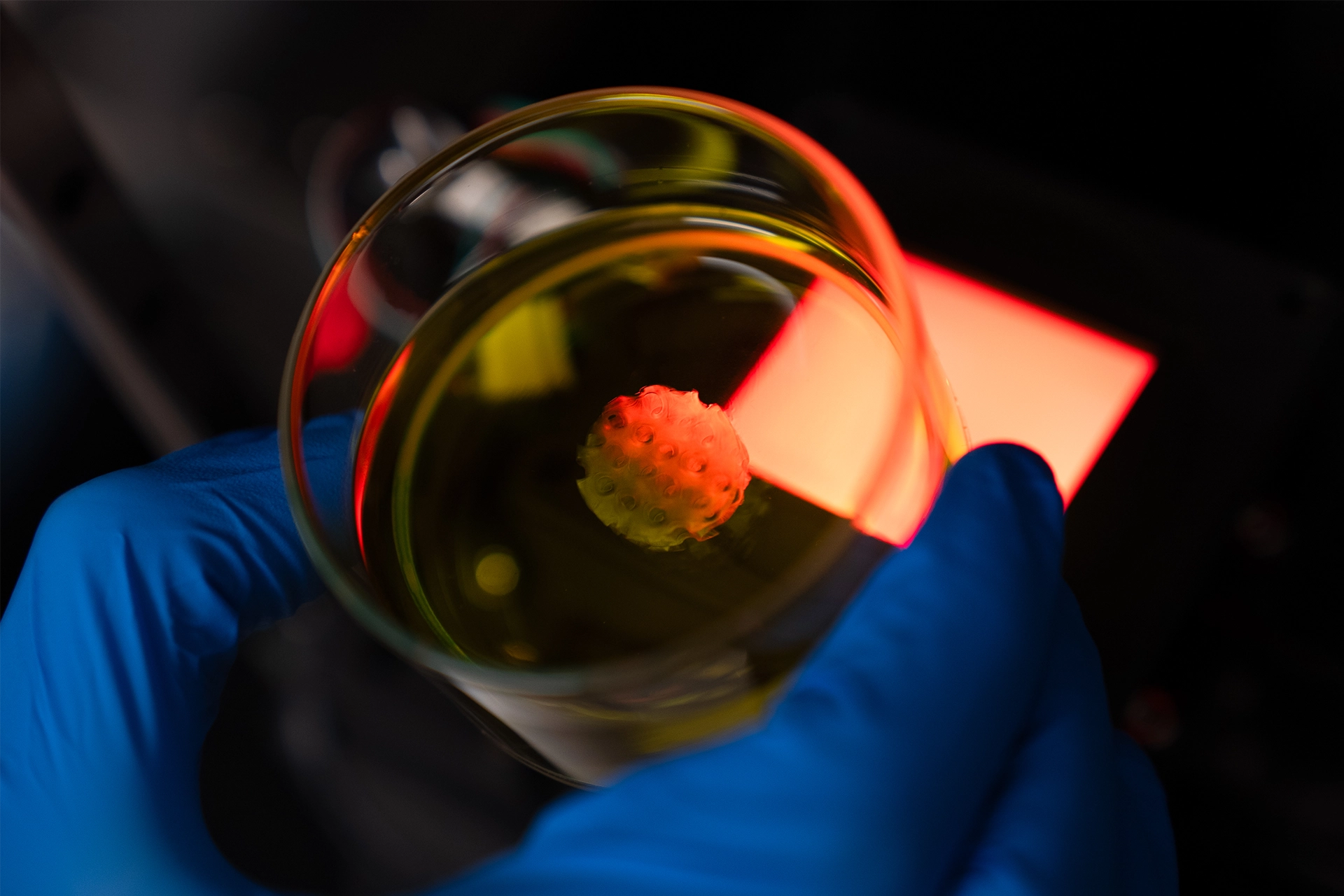
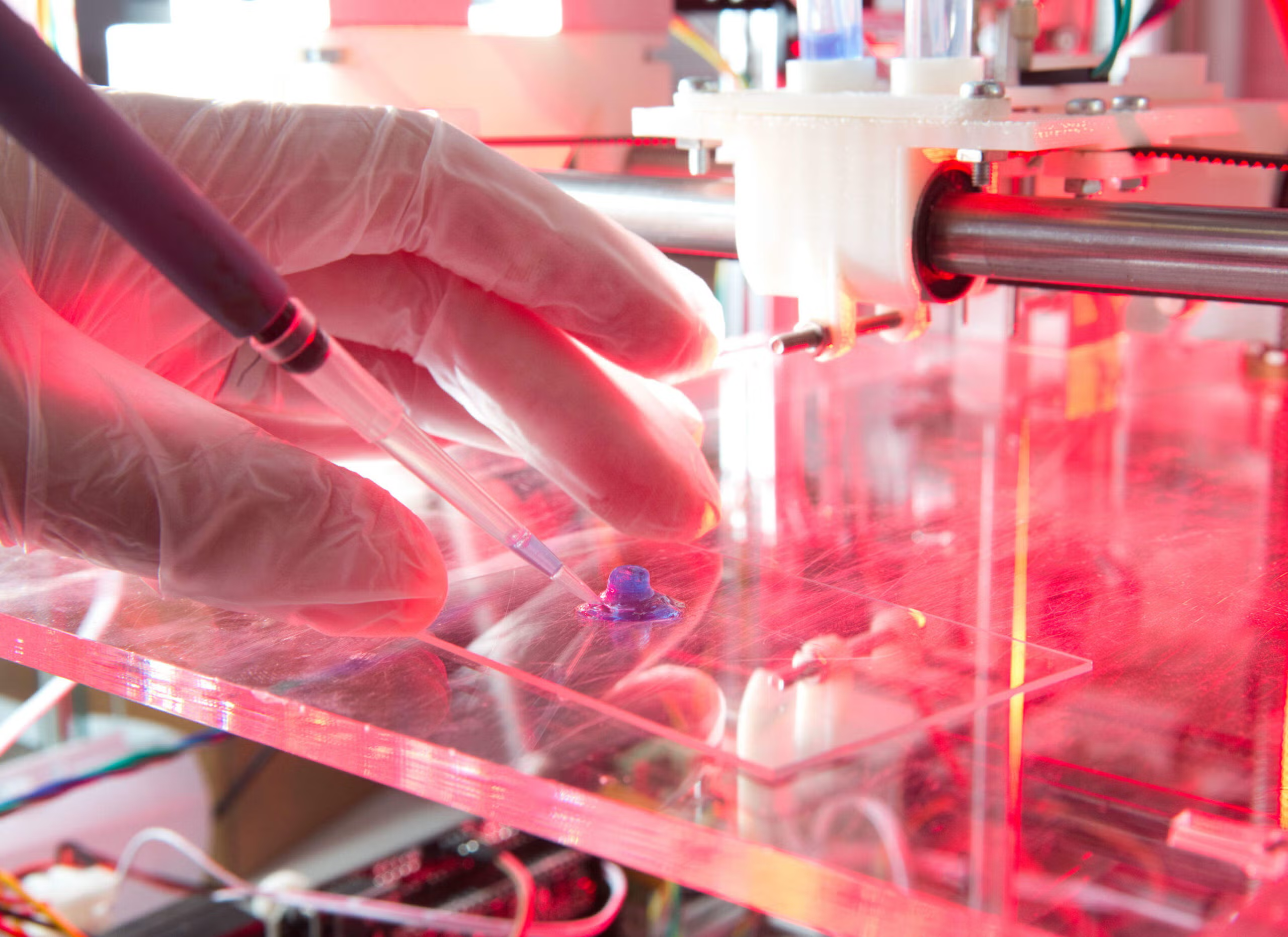
3D bioprinting is pushing the boundaries of human tissue engineering |  Pursuit by the University of Melbourne

The process of 3D printing an organ is complex and involves several stages. It begins with creating a digital model of the organ to be printed. This model can be derived from a variety of sources, such as medical imaging techniques like MRI or CT scans, which allow doctors to create a detailed map of the organ’s structure. These scans provide the blueprint that guides the 3D printer.

Once the model is ready, it’s time to print. Instead of ink or plastic, bioprinters use bioinks—substances that contain living cells and biomaterials. These cells are carefully selected to mimic the characteristics of the organ being printed. For example, if the goal is to print a heart, the bioink would contain heart cells. The printer then deposits these cells in a precise pattern, layer by layer, to create the structure of the organ.

After printing, the organ is placed in a bioreactor—a device that provides the proper environment for cells to grow and mature. Over time, the cells begin to form functional tissues, and the organ becomes more than just a structure; it becomes a living, functioning part of the body.

Challenges and Limitations

While the concept of 3D-printed organs is thrilling, there are still significant challenges that need to be overcome before this becomes a routine practice. The complexity of organs, particularly those with intricate networks of blood vessels, nerves, and other tissues, makes it difficult to reproduce them accurately using 3D printing.

In addition, even if an organ can be printed, it must be able to perform the complex functions required for survival. For example, a printed heart must pump blood, a printed kidney must filter waste, and a printed liver must process toxins. While researchers have made impressive strides in printing basic tissues, we are still far from being able to print entire organs that function in the same way as their biological counterparts.

Breakthroughs in Bioprinting

Despite the challenges, researchers around the world are making progress. In 2019, scientists at the University of Tel Aviv in Israel successfully printed a 3D heart using human cells. The heart, which was about the size of a rabbit’s heart, contained all the essential components—blood vessels, ventricles, and atria—albeit in a rudimentary form. While this heart cannot yet function in the human body, it marked a huge milestone in the pursuit of 3D-printed organs.

Similarly, in 2021, researchers at the University of Pittsburgh created a fully functional kidney model using bioprinting. While this kidney was not yet suitable for transplantation, it demonstrated that complex organs with specialized structures could be printed and then grown in the lab.

The most significant advancement, however, may be the ability to print organs that can be used for drug testing and disease research. While a fully functional organ for transplantation may still be years away, 3D-printed organ models are already being used to simulate human conditions, enabling researchers to study diseases and test treatments in ways that were not possible before.

The Potential Benefits of 3D-Printed Organs
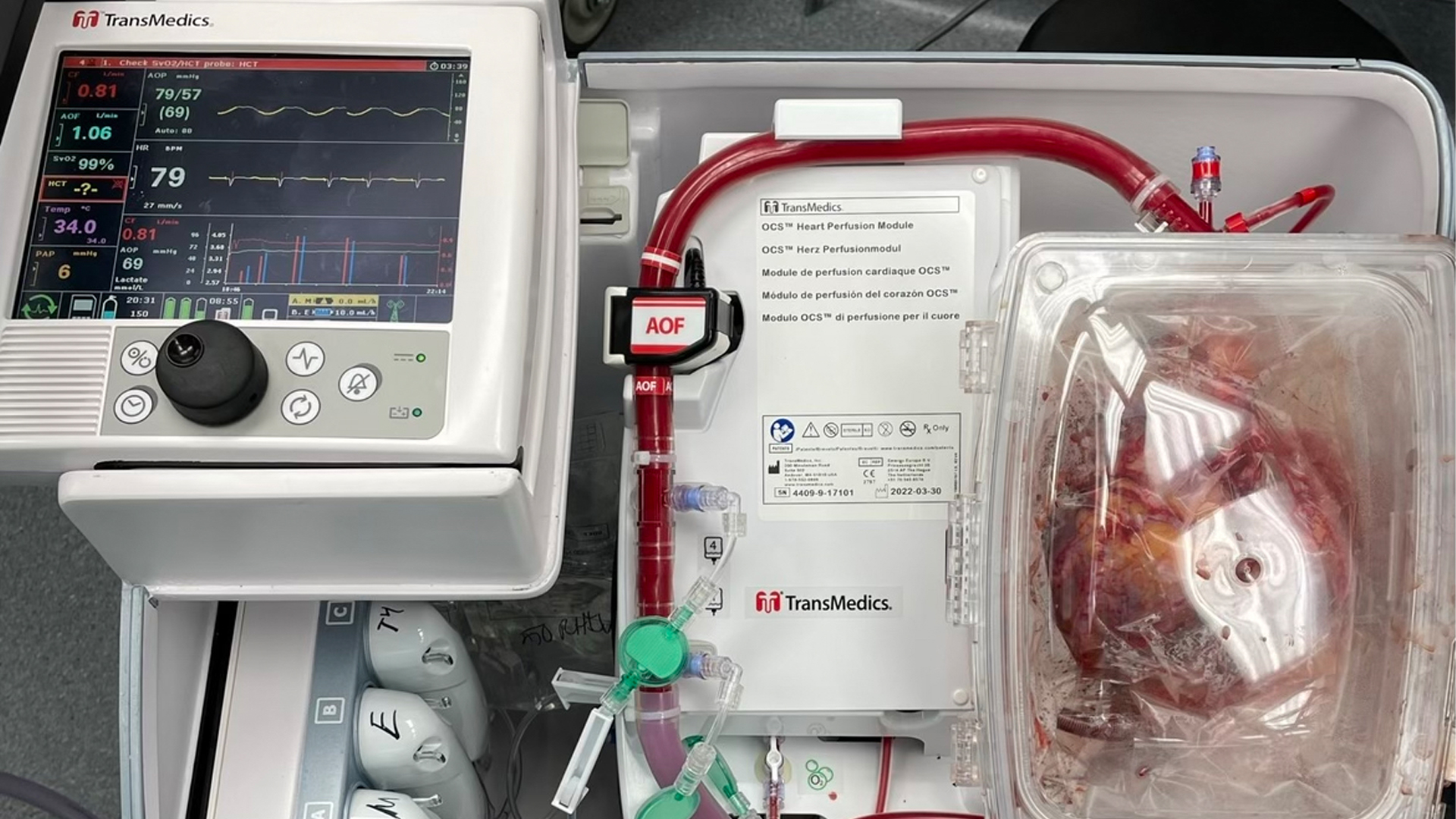
Atrium Health Sanger Heart & Vascular Institute Using New Technology to  Preserve Donor Hearts for Lifesaving Transplants
  1. Reduced Organ Shortages: The most obvious benefit of 3D printing organs is the potential to solve the global organ shortage. Instead of relying on donors, doctors could print custom organs tailored to the patient’s needs. This could eliminate waiting lists and save countless lives.
  2. Personalized Medicine: 3D printing allows for the creation of organs using a patient’s own cells, reducing the risk of rejection. This approach would also enable doctors to create organs that are a perfect match for the patient’s unique anatomy, leading to better outcomes.
  3. Improved Outcomes for Transplants: With 3D-printed organs, there is the potential to minimize complications such as organ rejection, immune suppression, and long-term transplant failure. Since the printed organs would be made from the patient’s own cells, the body would be less likely to recognize them as foreign and mount an immune response.
  4. Advancements in Research: Even before fully functional organs become a reality, 3D printing can revolutionize medical research. Scientists could print organ models to study diseases, test new drugs, and simulate surgeries in a way that’s far more accurate than animal models or traditional cell cultures.
  5. Ethical Considerations: The use of 3D-printed organs could address some of the ethical issues associated with organ donation. Since the organs would be created from the patient’s own cells, there would be no need to harvest organs from deceased donors. Additionally, 3D printing could allow for the creation of organs that are genetically identical to the patient, reducing the risk of organ rejection.

The Road Ahead: What’s Next?

The dream of 3D-printed organs is not without its hurdles. Research is ongoing, and while there have been some remarkable breakthroughs, it will likely be years—if not decades—before we see widespread use of 3D-printed organs for transplantation.

One of the key areas of focus for future research is improving the vascularization (blood supply) of printed organs. Without a proper network of blood vessels, an organ cannot function properly. Current printing techniques have been successful in creating simple blood vessel structures, but recreating the complexity and efficiency of a real vascular system remains a significant challenge.

Another area for improvement is the scalability of the technology. Bioprinting organs on a large scale is still a major obstacle, and scientists will need to find ways to produce organs quickly, cost-effectively, and safely.

Conclusion

The possibility of 3D-printed organs for transplantation is one of the most exciting frontiers in modern medicine. With the potential to revolutionize organ transplantation, reduce the risk of rejection, and personalize medical care, this technology could dramatically change the lives of millions of people worldwide. While the science is still in its infancy, the future is incredibly promising. The next few decades may very well witness the rise of a new era in organ transplantation—one where waiting lists and organ shortages are things of the past.


Tags: 3D PrintingGeneticsInnovationSustainability
ShareTweetShare

Related Posts

Will We Ever Live on Mars? And Should We?
Breakthroughs

Will We Ever Live on Mars? And Should We?

December 2, 2025
Are We on the Brink of a Green Energy Revolution?
Breakthroughs

Are We on the Brink of a Green Energy Revolution?

December 1, 2025
Can Mind-Controlled Technology Revolutionize Communication?
Breakthroughs

Can Mind-Controlled Technology Revolutionize Communication?

November 30, 2025
What If We Could 3D Print Human Organs?
Breakthroughs

What If We Could 3D Print Human Organs?

November 29, 2025
Can Autonomous Vehicles Surpass Human Drivers in Safety?
Breakthroughs

Can Autonomous Vehicles Surpass Human Drivers in Safety?

November 28, 2025
Genomic Editing the Key to Immortality?
Breakthroughs

Genomic Editing the Key to Immortality?

November 27, 2025
Leave Comment
  • Trending
  • Comments
  • Latest
Can Sustainability Drive Profits in Competitive Markets?

Can Sustainability Drive Profits in Competitive Markets?

October 17, 2025
Can the Spotlight Make or Break Your Career?

Can the Spotlight Make or Break Your Career?

October 14, 2025
Does the Spotlight Always Equal Success?

Does the Spotlight Always Equal Success?

October 16, 2025
Can the Spotlight Truly Capture the Essence of a Person?

Can the Spotlight Truly Capture the Essence of a Person?

October 16, 2025
Can Bionics Redefine Human Limitations?

Can Bionics Redefine Human Limitations?

Is Bionics the Future of Prosthetics?

Is Bionics the Future of Prosthetics?

Can We Truly Integrate Technology with Biology?

Can We Truly Integrate Technology with Biology?

How Close Are We to Creating Bionic Organs?

How Close Are We to Creating Bionic Organs?

How Can Spotlights Elevate Your Interior Design Game?

How Can Spotlights Elevate Your Interior Design Game?

December 2, 2025
Will We Ever Live on Mars? And Should We?

Will We Ever Live on Mars? And Should We?

December 2, 2025
Bionics: The Key to Human Immortality?

Bionics: The Key to Human Immortality?

December 2, 2025
How Can Data Privacy be Maintained in a Hyperconnected World?

How Can Data Privacy be Maintained in a Hyperconnected World?

December 2, 2025
CyberGait

Our content caters to engineers, researchers, and tech enthusiasts alike. Through focused articles on algorithms, biomimicry, and industry trends, we provide a comprehensive perspective on the future of movement, from laboratory breakthroughs to commercial products.

© 2025 cybergait.com. contacts:[email protected]

No Result
View All Result
  • Home
  • Bionics
  • Breakthroughs
  • Industry
  • Robotics
  • Spotlight

© 2025 cybergait.com. contacts:[email protected]

Welcome Back!

Login to your account below

Forgotten Password?

Retrieve your password

Please enter your username or email address to reset your password.

Log In