

















CyberGait
  • Home
  • Bionics
    Bionics: The Key to Human Immortality?

    Bionics: The Key to Human Immortality?

    Bionic Organs: Can They Save Lives or Create New Ethical Dilemmas?

    Bionic Organs: Can They Save Lives or Create New Ethical Dilemmas?

    The Future of Prosthetics: Is It Fully Bionic?

    The Future of Prosthetics: Is It Fully Bionic?

    What Happens When Bionics Merge with Artificial Intelligence?

    What Happens When Bionics Merge with Artificial Intelligence?

    Bionic Enhancements: Could They Improve Our Cognitive Abilities?

    Bionic Enhancements: Could They Improve Our Cognitive Abilities?

    How Far Can Bionic Eyes Take Us Beyond Human Vision?

    How Far Can Bionic Eyes Take Us Beyond Human Vision?

  • Breakthroughs
    Will We Ever Live on Mars? And Should We?

    Will We Ever Live on Mars? And Should We?

    Are We on the Brink of a Green Energy Revolution?

    Are We on the Brink of a Green Energy Revolution?

    Can Mind-Controlled Technology Revolutionize Communication?

    Can Mind-Controlled Technology Revolutionize Communication?

    What If We Could 3D Print Human Organs?

    What If We Could 3D Print Human Organs?

    Can Autonomous Vehicles Surpass Human Drivers in Safety?

    Can Autonomous Vehicles Surpass Human Drivers in Safety?

    Genomic Editing the Key to Immortality?

    Genomic Editing the Key to Immortality?

  • Industry
    How Can Data Privacy be Maintained in a Hyperconnected World?

    How Can Data Privacy be Maintained in a Hyperconnected World?

    Is the Gig Economy the Future of Employment?

    Is the Gig Economy the Future of Employment?

    Can Startups Compete with Corporate Giants in Innovation?

    Can Startups Compete with Corporate Giants in Innovation?

    The Future of Work: Truly Remote or Hybrid?

    The Future of Work: Truly Remote or Hybrid?

    How Does Blockchain Impact Global Supply Chains?

    How Does Blockchain Impact Global Supply Chains?

    Are We Overestimating the Power of Automation?

    Are We Overestimating the Power of Automation?

  • Robotics
    Can Robots Adapt to Unpredictable Real-World Environments?

    Can Robots Adapt to Unpredictable Real-World Environments?

    Will Robots Achieve True Autonomy or Always Need Human Oversight?

    Will Robots Achieve True Autonomy or Always Need Human Oversight?

    What Happens When Robots Start Designing Robots?

    What Happens When Robots Start Designing Robots?

    Are We Ready for Robots to Shape Our Creative Industries?

    Are We Ready for Robots to Shape Our Creative Industries?

    Could Robots One Day Replace Human Emotions in Caregiving?

    Could Robots One Day Replace Human Emotions in Caregiving?

    How Do We Ensure Robot Ethics in Autonomous Machines?

    How Do We Ensure Robot Ethics in Autonomous Machines?

  • Spotlight
    How Can Spotlights Elevate Your Interior Design Game?

    How Can Spotlights Elevate Your Interior Design Game?

    What Happens When You Use a Spotlight for Intimate Portraits?

    What Happens When You Use a Spotlight for Intimate Portraits?

    Why Do Spotlight Effects Matter in Cinematic Storytelling?

    Why Do Spotlight Effects Matter in Cinematic Storytelling?

    Could Spotlighting Be the Key to Perfect Product Photography?

    Could Spotlighting Be the Key to Perfect Product Photography?

    Spotlight Technology Changing the Future of Stage Design

    Spotlight Technology Changing the Future of Stage Design

    How Do Different Spotlights Affect Mood and Atmosphere?

    How Do Different Spotlights Affect Mood and Atmosphere?

CyberGait
  • Home
  • Bionics
    Bionics: The Key to Human Immortality?

    Bionics: The Key to Human Immortality?

    Bionic Organs: Can They Save Lives or Create New Ethical Dilemmas?

    Bionic Organs: Can They Save Lives or Create New Ethical Dilemmas?

    The Future of Prosthetics: Is It Fully Bionic?

    The Future of Prosthetics: Is It Fully Bionic?

    What Happens When Bionics Merge with Artificial Intelligence?

    What Happens When Bionics Merge with Artificial Intelligence?

    Bionic Enhancements: Could They Improve Our Cognitive Abilities?

    Bionic Enhancements: Could They Improve Our Cognitive Abilities?

    How Far Can Bionic Eyes Take Us Beyond Human Vision?

    How Far Can Bionic Eyes Take Us Beyond Human Vision?

  • Breakthroughs
    Will We Ever Live on Mars? And Should We?

    Will We Ever Live on Mars? And Should We?

    Are We on the Brink of a Green Energy Revolution?

    Are We on the Brink of a Green Energy Revolution?

    Can Mind-Controlled Technology Revolutionize Communication?

    Can Mind-Controlled Technology Revolutionize Communication?

    What If We Could 3D Print Human Organs?

    What If We Could 3D Print Human Organs?

    Can Autonomous Vehicles Surpass Human Drivers in Safety?

    Can Autonomous Vehicles Surpass Human Drivers in Safety?

    Genomic Editing the Key to Immortality?

    Genomic Editing the Key to Immortality?

  • Industry
    How Can Data Privacy be Maintained in a Hyperconnected World?

    How Can Data Privacy be Maintained in a Hyperconnected World?

    Is the Gig Economy the Future of Employment?

    Is the Gig Economy the Future of Employment?

    Can Startups Compete with Corporate Giants in Innovation?

    Can Startups Compete with Corporate Giants in Innovation?

    The Future of Work: Truly Remote or Hybrid?

    The Future of Work: Truly Remote or Hybrid?

    How Does Blockchain Impact Global Supply Chains?

    How Does Blockchain Impact Global Supply Chains?

    Are We Overestimating the Power of Automation?

    Are We Overestimating the Power of Automation?

  • Robotics
    Can Robots Adapt to Unpredictable Real-World Environments?

    Can Robots Adapt to Unpredictable Real-World Environments?

    Will Robots Achieve True Autonomy or Always Need Human Oversight?

    Will Robots Achieve True Autonomy or Always Need Human Oversight?

    What Happens When Robots Start Designing Robots?

    What Happens When Robots Start Designing Robots?

    Are We Ready for Robots to Shape Our Creative Industries?

    Are We Ready for Robots to Shape Our Creative Industries?

    Could Robots One Day Replace Human Emotions in Caregiving?

    Could Robots One Day Replace Human Emotions in Caregiving?

    How Do We Ensure Robot Ethics in Autonomous Machines?

    How Do We Ensure Robot Ethics in Autonomous Machines?

  • Spotlight
    How Can Spotlights Elevate Your Interior Design Game?

    How Can Spotlights Elevate Your Interior Design Game?

    What Happens When You Use a Spotlight for Intimate Portraits?

    What Happens When You Use a Spotlight for Intimate Portraits?

    Why Do Spotlight Effects Matter in Cinematic Storytelling?

    Why Do Spotlight Effects Matter in Cinematic Storytelling?

    Could Spotlighting Be the Key to Perfect Product Photography?

    Could Spotlighting Be the Key to Perfect Product Photography?

    Spotlight Technology Changing the Future of Stage Design

    Spotlight Technology Changing the Future of Stage Design

    How Do Different Spotlights Affect Mood and Atmosphere?

    How Do Different Spotlights Affect Mood and Atmosphere?

CyberGait
No Result
View All Result
Home Robotics

Are Soft Robots the Future of Surgery?

October 21, 2025
in Robotics
Are Soft Robots the Future of Surgery?

Introduction: The Next Leap in Surgical Innovation

Imagine a surgeon’s scalpel not as a rigid, metal tool, but as a flexible, adaptive entity that moves like soft tissue. What if surgical tools could bend, stretch, and adapt to the contours of the human body with incredible precision, all while minimizing risk and reducing recovery time? This is the promise of soft robotics in surgery.

The idea of soft robots in medicine isn’t a science fiction dream—it’s fast becoming a reality. Soft robotics refers to robots made of compliant materials, designed to mimic the flexibility and dexterity of biological organisms. These robots are far more adaptable than traditional rigid robots or tools, and their applications in surgery are nothing short of revolutionary.


The Rise of Soft Robotics: Redefining Surgical Precision

Traditional surgery is typically performed with rigid tools, such as scalpels, forceps, and retractors, which are controlled by a surgeon’s hand. While these tools have served humanity for centuries, they come with limitations, especially when dealing with delicate and complex procedures. The introduction of soft robotics in surgery is poised to change that dynamic.

Soft robots are designed using materials like silicones, elastomers, and other flexible substances that allow them to bend, stretch, and even compress—mimicking the organic, flexible behavior of human tissues. This opens up new possibilities for performing procedures that were previously too risky, too intricate, or simply not possible with traditional robotic systems.

Unlike conventional rigid robots, soft robots are inherently more safe and adaptive. Their flexible nature enables them to move smoothly through narrow or difficult-to-reach areas inside the body, reducing the risk of damage to surrounding tissue. This is especially valuable in minimally invasive surgeries, where precision is crucial, and any wrong move could lead to severe consequences.


Key Benefits of Soft Robots in Surgery

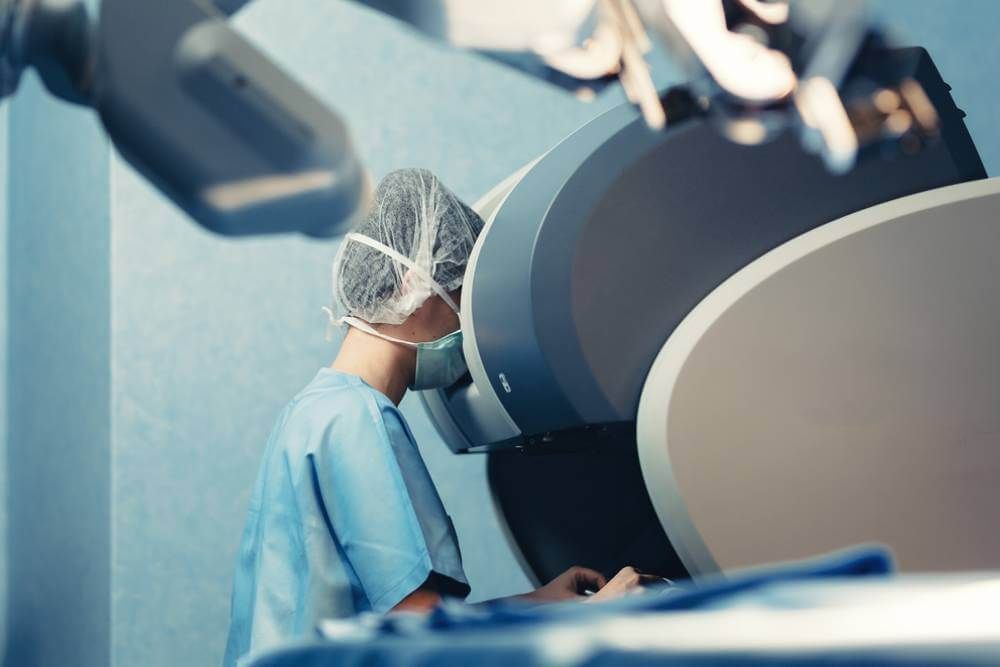
Bringing soft robotics into the medical world | Team Consulting
  1. Minimally Invasive Procedures
    One of the most exciting applications of soft robotics is in minimally invasive surgery (MIS). In these procedures, instead of large incisions, tiny openings are made to insert surgical instruments, often through natural body orifices. Soft robots can bend and flex to navigate through tight spaces, allowing for more precise targeting, fewer incisions, and faster recovery times. This reduces pain for the patient and lowers the risk of infection.
  2. Increased Precision and Flexibility
    Soft robots, equipped with sensors and actuators, offer high degrees of precision that are difficult to achieve with traditional surgical instruments. Surgeons can control these robots with enhanced accuracy, especially in delicate areas like the brain, blood vessels, or organs. Their ability to adapt to tissue surfaces further enhances their flexibility, enabling the completion of complex procedures without the rigid constraints of conventional surgical tools.
  3. Safety and Reduced Risk of Complications
    Soft robots are less likely to cause unintended trauma during surgery because they exert minimal force on tissues. Their flexible nature allows them to “give” when they encounter resistance, reducing the chances of accidental cuts, tears, or punctures in sensitive tissues. This level of responsiveness and tissue compatibility is a significant advantage over traditional tools, which can be harder to control in delicate environments.
  4. Better Patient Outcomes
    As a result of increased precision, flexibility, and minimally invasive capabilities, patients may experience faster recovery times, less post-operative pain, and lower chances of long-term complications. Soft robotic surgery allows for more personalized care and is particularly advantageous for elderly patients or those with complex medical histories, as the procedures are generally less taxing on the body.

Current Applications: Soft Robots in Action

Soft robots are already making their mark in a variety of surgical fields. Here are some notable examples:

  1. Endoscopic Surgery
    Soft robots are increasingly being used in endoscopic surgery, where long, flexible tubes equipped with cameras and tools are inserted into the body through small incisions. Soft robotic instruments have the ability to navigate through the body with a high degree of accuracy and flexibility, providing surgeons with a wider range of motion than rigid endoscopes.
  2. Robotic-Assisted Gastrointestinal Surgery
    In gastrointestinal surgery, soft robots can be used to carefully manipulate organs, such as the intestines and stomach, during minimally invasive procedures. The robots’ soft, flexible arms reduce the risk of damaging delicate tissues in this highly sensitive area, allowing surgeons to perform complex procedures with greater ease.
  3. Orthopedic Surgery
    Soft robots are also showing promise in orthopedic surgery, particularly in joint replacement and spinal surgery. In these surgeries, soft robots can provide more flexibility and dexterity when maneuvering around bone and cartilage. The robots’ ability to adjust their shape and movement can improve the precision of cuts and alignment, resulting in better patient outcomes.
  4. Neurosurgery
    Neurosurgery requires unparalleled precision, as even the smallest mistake can lead to permanent damage. Soft robots in this field can maneuver delicately around the brain or spinal cord, navigating areas that are otherwise difficult to access. Their soft, pliable nature minimizes the risk of injury to surrounding tissues, making them invaluable for these delicate procedures.

The Technology Behind Soft Robots: How They Work

At the core of soft robotics technology is the concept of soft actuators—materials that allow robots to change shape and move in a way that mimics natural movement. These actuators are made from flexible materials such as elastomers, hydrogels, and shape-memory polymers, which can deform when subjected to electrical signals, pressure, or temperature changes.

The sensors integrated into soft robots help them “feel” their surroundings, enabling them to respond to varying degrees of pressure or resistance. For example, if the robot encounters tissue that is more resistant or sensitive, it can adjust its grip, speed, or force to avoid causing harm.

In addition, the development of soft robotics in surgery relies heavily on advanced computer algorithms and artificial intelligence (AI) to control and optimize the robots’ movements. Surgeons can guide the robot with a joystick or other input device, while the robot’s AI analyzes real-time data from sensors to ensure the most precise movements are made during the procedure.
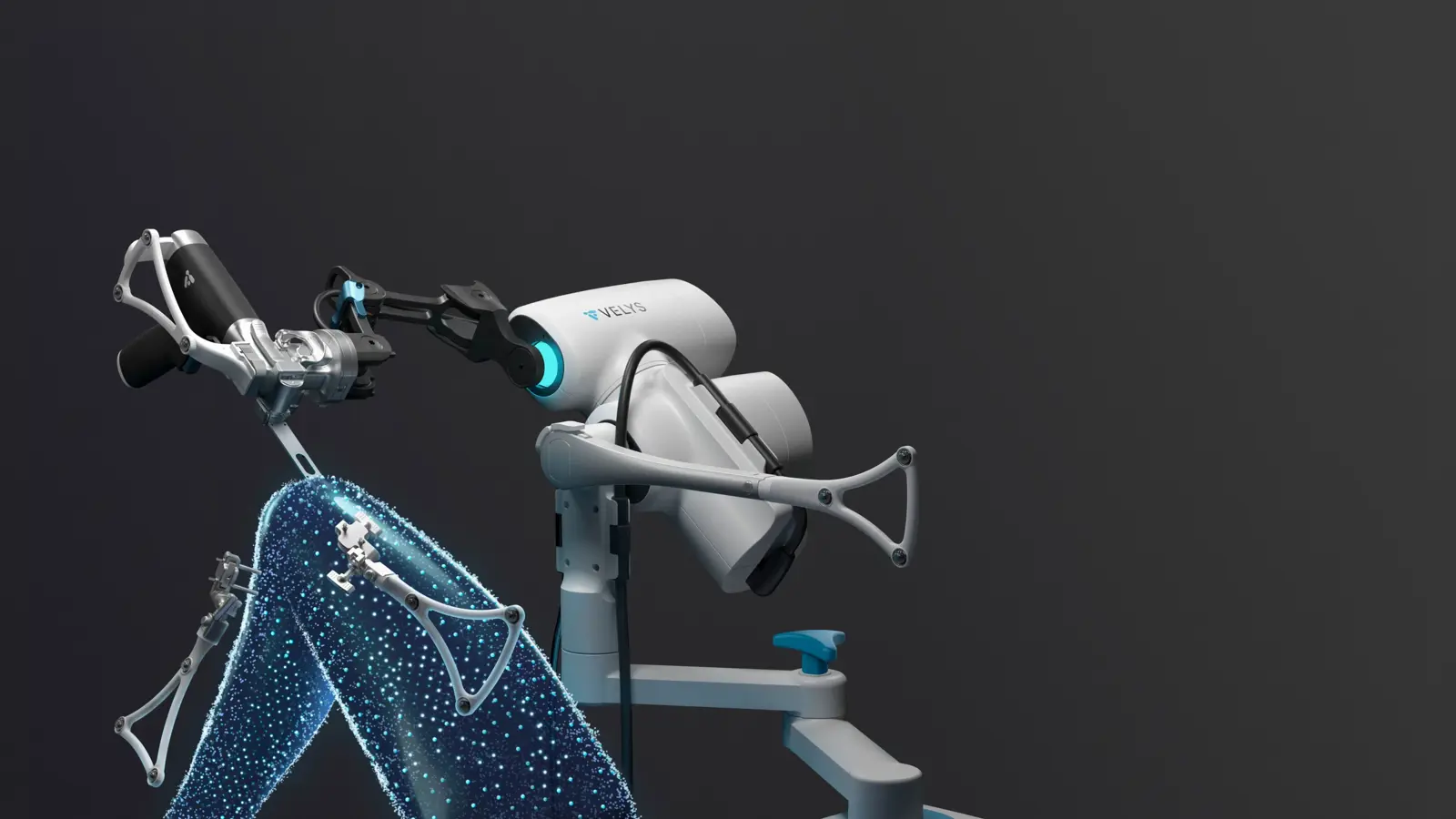
Revolutionizing orthopedic surgery with robotics: Meet the VELYS™ digital  surgery team | Johnson & Johnson Careers

Challenges and Considerations for Soft Robots in Surgery

While soft robotics presents many exciting possibilities for the future of surgery, there are still several challenges that need to be addressed:

  1. Durability and Stability
    Soft materials, by nature, are more prone to wear and tear compared to rigid metals. Over time, soft robots may lose their shape or degrade, especially when exposed to bodily fluids or high temperatures. Ensuring long-term durability while maintaining flexibility is a key hurdle for engineers to overcome.
  2. Control and Feedback
    While soft robots can be highly flexible, their control systems are complex, and feedback mechanisms are not always as intuitive as those in traditional surgical robots. Surgeons need to be trained in how to operate these systems, which could involve a steep learning curve.
  3. Cost and Accessibility
    Soft robotics is still an emerging field, and the high cost of these technologies could limit their accessibility in some regions. Ensuring that these advanced tools are affordable and widely available to hospitals and clinics will be crucial in making soft robotic surgery a mainstream solution.
  4. Regulatory Hurdles
    The approval process for new medical technologies can be lengthy and rigorous. Soft robots must undergo extensive testing and certification to ensure they meet safety standards and are effective for use in human patients. This process may take several years, delaying the widespread adoption of the technology.

The Future of Soft Robotics in Surgery

Despite the challenges, the future of soft robots in surgery looks incredibly promising. As technology continues to advance, we can expect improvements in materials, better control systems, and enhanced AI algorithms that will make these robots even more reliable and effective in clinical settings.

In the coming years, we may witness a surge in soft robotics applications, particularly in fields like minimally invasive surgery, neurosurgery, and orthopedics. The ability to perform surgery with less invasiveness and greater precision will not only improve patient outcomes but also push the boundaries of what’s possible in the world of medicine.


Conclusion: A New Era of Surgical Innovation

The integration of soft robotics into surgery is more than just an incremental step forward—it’s a leap into a new era of medical possibilities. With their ability to adapt, flex, and precisely navigate the human body, soft robots are poised to become an indispensable tool for surgeons around the world.

As research progresses, and as the technology becomes more refined, the future of soft robotic surgery looks brighter every day. If the promise of increased precision, reduced recovery times, and better patient outcomes holds true, we may very well be witnessing the dawn of a new, transformative era in surgery.


Tags: EthicsHuman-Robot InteractionRobot IntelligenceRobotics in Healthcare
ShareTweetShare

Related Posts

Can Robots Adapt to Unpredictable Real-World Environments?
Robotics

Can Robots Adapt to Unpredictable Real-World Environments?

December 2, 2025
Will Robots Achieve True Autonomy or Always Need Human Oversight?
Robotics

Will Robots Achieve True Autonomy or Always Need Human Oversight?

December 1, 2025
What Happens When Robots Start Designing Robots?
Robotics

What Happens When Robots Start Designing Robots?

November 30, 2025
Are We Ready for Robots to Shape Our Creative Industries?
Robotics

Are We Ready for Robots to Shape Our Creative Industries?

November 29, 2025
Could Robots One Day Replace Human Emotions in Caregiving?
Robotics

Could Robots One Day Replace Human Emotions in Caregiving?

November 28, 2025
How Do We Ensure Robot Ethics in Autonomous Machines?
Robotics

How Do We Ensure Robot Ethics in Autonomous Machines?

November 27, 2025
Leave Comment
  • Trending
  • Comments
  • Latest
Can Sustainability Drive Profits in Competitive Markets?

Can Sustainability Drive Profits in Competitive Markets?

October 17, 2025
Can the Spotlight Make or Break Your Career?

Can the Spotlight Make or Break Your Career?

October 14, 2025
Does the Spotlight Always Equal Success?

Does the Spotlight Always Equal Success?

October 16, 2025
Can the Spotlight Truly Capture the Essence of a Person?

Can the Spotlight Truly Capture the Essence of a Person?

October 16, 2025
Can Bionics Redefine Human Limitations?

Can Bionics Redefine Human Limitations?

Is Bionics the Future of Prosthetics?

Is Bionics the Future of Prosthetics?

Can We Truly Integrate Technology with Biology?

Can We Truly Integrate Technology with Biology?

How Close Are We to Creating Bionic Organs?

How Close Are We to Creating Bionic Organs?

How Can Spotlights Elevate Your Interior Design Game?

How Can Spotlights Elevate Your Interior Design Game?

December 2, 2025
Will We Ever Live on Mars? And Should We?

Will We Ever Live on Mars? And Should We?

December 2, 2025
Bionics: The Key to Human Immortality?

Bionics: The Key to Human Immortality?

December 2, 2025
How Can Data Privacy be Maintained in a Hyperconnected World?

How Can Data Privacy be Maintained in a Hyperconnected World?

December 2, 2025
CyberGait

Our content caters to engineers, researchers, and tech enthusiasts alike. Through focused articles on algorithms, biomimicry, and industry trends, we provide a comprehensive perspective on the future of movement, from laboratory breakthroughs to commercial products.

© 2025 cybergait.com. contacts:[email protected]

No Result
View All Result
  • Home
  • Bionics
  • Breakthroughs
  • Industry
  • Robotics
  • Spotlight

© 2025 cybergait.com. contacts:[email protected]

Welcome Back!

Login to your account below

Forgotten Password?

Retrieve your password

Please enter your username or email address to reset your password.

Log In