















CyberGait
  • Home
  • Bionics
    Bionics: The Key to Human Immortality?

    Bionics: The Key to Human Immortality?

    Bionic Organs: Can They Save Lives or Create New Ethical Dilemmas?

    Bionic Organs: Can They Save Lives or Create New Ethical Dilemmas?

    The Future of Prosthetics: Is It Fully Bionic?

    The Future of Prosthetics: Is It Fully Bionic?

    What Happens When Bionics Merge with Artificial Intelligence?

    What Happens When Bionics Merge with Artificial Intelligence?

    Bionic Enhancements: Could They Improve Our Cognitive Abilities?

    Bionic Enhancements: Could They Improve Our Cognitive Abilities?

    How Far Can Bionic Eyes Take Us Beyond Human Vision?

    How Far Can Bionic Eyes Take Us Beyond Human Vision?

  • Breakthroughs
    Will We Ever Live on Mars? And Should We?

    Will We Ever Live on Mars? And Should We?

    Are We on the Brink of a Green Energy Revolution?

    Are We on the Brink of a Green Energy Revolution?

    Can Mind-Controlled Technology Revolutionize Communication?

    Can Mind-Controlled Technology Revolutionize Communication?

    What If We Could 3D Print Human Organs?

    What If We Could 3D Print Human Organs?

    Can Autonomous Vehicles Surpass Human Drivers in Safety?

    Can Autonomous Vehicles Surpass Human Drivers in Safety?

    Genomic Editing the Key to Immortality?

    Genomic Editing the Key to Immortality?

  • Industry
    How Can Data Privacy be Maintained in a Hyperconnected World?

    How Can Data Privacy be Maintained in a Hyperconnected World?

    Is the Gig Economy the Future of Employment?

    Is the Gig Economy the Future of Employment?

    Can Startups Compete with Corporate Giants in Innovation?

    Can Startups Compete with Corporate Giants in Innovation?

    The Future of Work: Truly Remote or Hybrid?

    The Future of Work: Truly Remote or Hybrid?

    How Does Blockchain Impact Global Supply Chains?

    How Does Blockchain Impact Global Supply Chains?

    Are We Overestimating the Power of Automation?

    Are We Overestimating the Power of Automation?

  • Robotics
    Can Robots Adapt to Unpredictable Real-World Environments?

    Can Robots Adapt to Unpredictable Real-World Environments?

    Will Robots Achieve True Autonomy or Always Need Human Oversight?

    Will Robots Achieve True Autonomy or Always Need Human Oversight?

    What Happens When Robots Start Designing Robots?

    What Happens When Robots Start Designing Robots?

    Are We Ready for Robots to Shape Our Creative Industries?

    Are We Ready for Robots to Shape Our Creative Industries?

    Could Robots One Day Replace Human Emotions in Caregiving?

    Could Robots One Day Replace Human Emotions in Caregiving?

    How Do We Ensure Robot Ethics in Autonomous Machines?

    How Do We Ensure Robot Ethics in Autonomous Machines?

  • Spotlight
    How Can Spotlights Elevate Your Interior Design Game?

    How Can Spotlights Elevate Your Interior Design Game?

    What Happens When You Use a Spotlight for Intimate Portraits?

    What Happens When You Use a Spotlight for Intimate Portraits?

    Why Do Spotlight Effects Matter in Cinematic Storytelling?

    Why Do Spotlight Effects Matter in Cinematic Storytelling?

    Could Spotlighting Be the Key to Perfect Product Photography?

    Could Spotlighting Be the Key to Perfect Product Photography?

    Spotlight Technology Changing the Future of Stage Design

    Spotlight Technology Changing the Future of Stage Design

    How Do Different Spotlights Affect Mood and Atmosphere?

    How Do Different Spotlights Affect Mood and Atmosphere?

CyberGait
  • Home
  • Bionics
    Bionics: The Key to Human Immortality?

    Bionics: The Key to Human Immortality?

    Bionic Organs: Can They Save Lives or Create New Ethical Dilemmas?

    Bionic Organs: Can They Save Lives or Create New Ethical Dilemmas?

    The Future of Prosthetics: Is It Fully Bionic?

    The Future of Prosthetics: Is It Fully Bionic?

    What Happens When Bionics Merge with Artificial Intelligence?

    What Happens When Bionics Merge with Artificial Intelligence?

    Bionic Enhancements: Could They Improve Our Cognitive Abilities?

    Bionic Enhancements: Could They Improve Our Cognitive Abilities?

    How Far Can Bionic Eyes Take Us Beyond Human Vision?

    How Far Can Bionic Eyes Take Us Beyond Human Vision?

  • Breakthroughs
    Will We Ever Live on Mars? And Should We?

    Will We Ever Live on Mars? And Should We?

    Are We on the Brink of a Green Energy Revolution?

    Are We on the Brink of a Green Energy Revolution?

    Can Mind-Controlled Technology Revolutionize Communication?

    Can Mind-Controlled Technology Revolutionize Communication?

    What If We Could 3D Print Human Organs?

    What If We Could 3D Print Human Organs?

    Can Autonomous Vehicles Surpass Human Drivers in Safety?

    Can Autonomous Vehicles Surpass Human Drivers in Safety?

    Genomic Editing the Key to Immortality?

    Genomic Editing the Key to Immortality?

  • Industry
    How Can Data Privacy be Maintained in a Hyperconnected World?

    How Can Data Privacy be Maintained in a Hyperconnected World?

    Is the Gig Economy the Future of Employment?

    Is the Gig Economy the Future of Employment?

    Can Startups Compete with Corporate Giants in Innovation?

    Can Startups Compete with Corporate Giants in Innovation?

    The Future of Work: Truly Remote or Hybrid?

    The Future of Work: Truly Remote or Hybrid?

    How Does Blockchain Impact Global Supply Chains?

    How Does Blockchain Impact Global Supply Chains?

    Are We Overestimating the Power of Automation?

    Are We Overestimating the Power of Automation?

  • Robotics
    Can Robots Adapt to Unpredictable Real-World Environments?

    Can Robots Adapt to Unpredictable Real-World Environments?

    Will Robots Achieve True Autonomy or Always Need Human Oversight?

    Will Robots Achieve True Autonomy or Always Need Human Oversight?

    What Happens When Robots Start Designing Robots?

    What Happens When Robots Start Designing Robots?

    Are We Ready for Robots to Shape Our Creative Industries?

    Are We Ready for Robots to Shape Our Creative Industries?

    Could Robots One Day Replace Human Emotions in Caregiving?

    Could Robots One Day Replace Human Emotions in Caregiving?

    How Do We Ensure Robot Ethics in Autonomous Machines?

    How Do We Ensure Robot Ethics in Autonomous Machines?

  • Spotlight
    How Can Spotlights Elevate Your Interior Design Game?

    How Can Spotlights Elevate Your Interior Design Game?

    What Happens When You Use a Spotlight for Intimate Portraits?

    What Happens When You Use a Spotlight for Intimate Portraits?

    Why Do Spotlight Effects Matter in Cinematic Storytelling?

    Why Do Spotlight Effects Matter in Cinematic Storytelling?

    Could Spotlighting Be the Key to Perfect Product Photography?

    Could Spotlighting Be the Key to Perfect Product Photography?

    Spotlight Technology Changing the Future of Stage Design

    Spotlight Technology Changing the Future of Stage Design

    How Do Different Spotlights Affect Mood and Atmosphere?

    How Do Different Spotlights Affect Mood and Atmosphere?

CyberGait
No Result
View All Result
Home Robotics

Biohybrid Robots: Bridging the Gap Between Nature and Technology

October 21, 2025
in Robotics
Biohybrid Robots: Bridging the Gap Between Nature and Technology

In the ever-evolving world of robotics, biohybrid robots represent a unique and fascinating intersection between biology and engineering. These robots, which integrate biological tissues with mechanical systems, are not just advancing the capabilities of robotics; they are also reshaping the way we think about the relationship between nature and technology. By combining the best of both worlds, biohybrid robots promise to revolutionize various industries—from healthcare to environmental conservation, and even space exploration.

In this article, we will explore the cutting-edge science behind biohybrid robots, their applications, the challenges they face, and the potential they hold for bridging the gap between the organic world and the synthetic one.


1. Understanding Biohybrids: The Essence of Biological Integration

At the heart of biohybrid robots lies biomimicry, the practice of designing systems that mimic natural organisms’ functions and behaviors. Unlike conventional robots, which are made entirely of synthetic materials like metal, plastic, or silicon, biohybrids incorporate living tissue into their design.

In a typical biohybrid robot, biological components such as muscle tissues, neurons, or even entire organs are integrated with mechanical frameworks to create a hybrid system that combines the flexibility, adaptability, and efficiency of living organisms with the precision, power, and reliability of machines. This combination often leads to systems that are more energy-efficient, responsive, and capable of performing tasks that purely mechanical robots cannot.

The Key Components:

  • Living Cells and Tissues: These provide the biological functionality necessary for movement, sensing, and decision-making.
  • Synthetic Materials: The mechanical parts are often crafted from polymers, metals, and other materials that interact with the biological systems.
  • Microelectronics: Embedded sensors and actuators allow communication between the biological tissues and the mechanical components.

2. A Glimpse into the Technology Behind Biohybrids

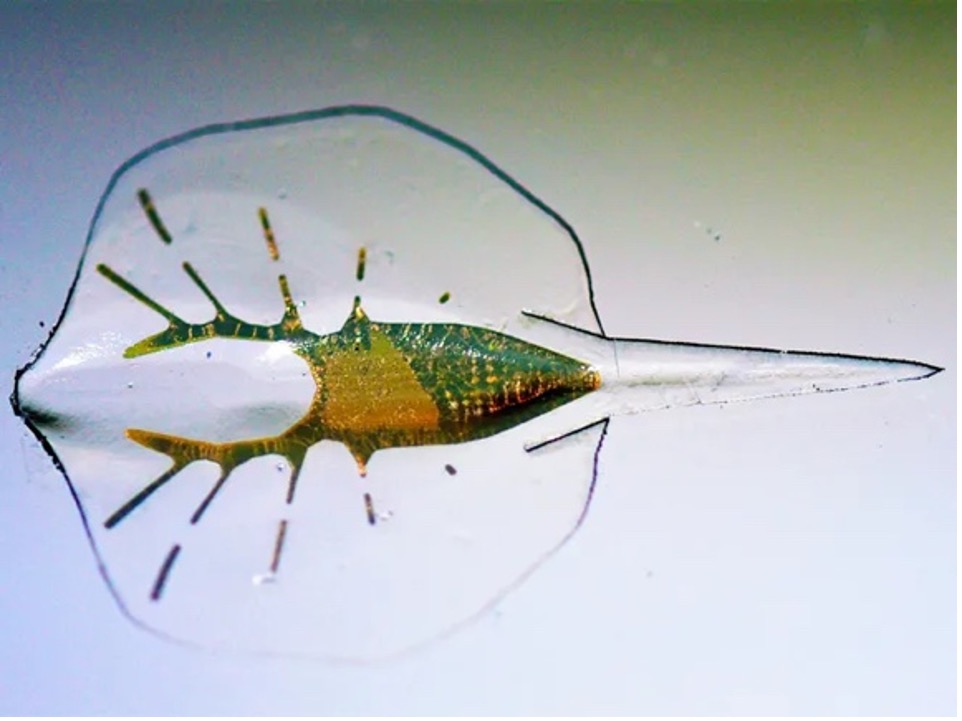
The development of biohybrid robots is made possible by a combination of advanced tissue engineering, robotics, and synthetic biology. Researchers often use techniques from cell biology and bioengineering to cultivate functional muscle or nerve tissues that can interface seamlessly with robotic elements.
Biohybrid Robots Built From Living Tissue Start to Take Shape | Live Science

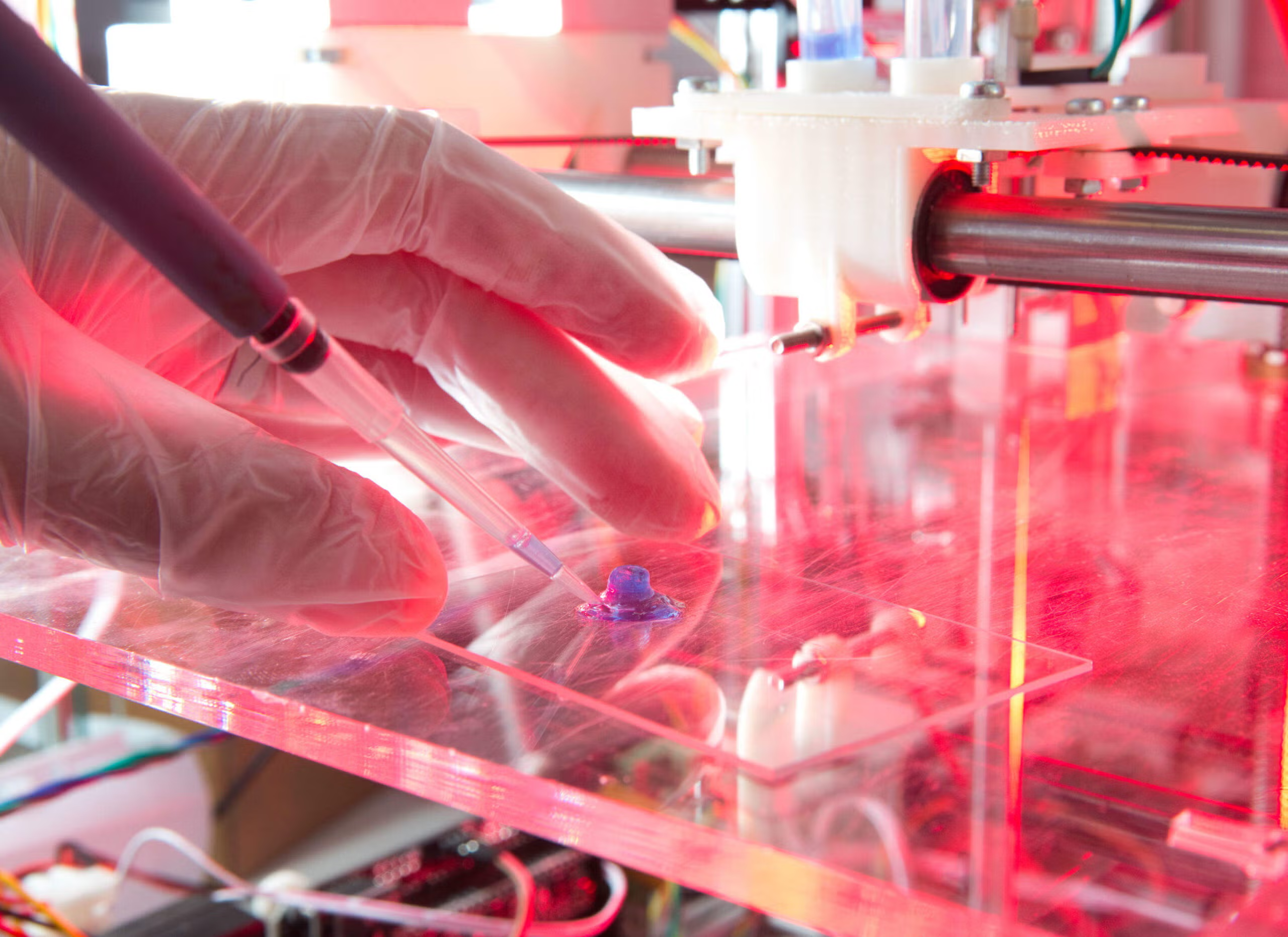
Tissue Engineering involves growing cells in controlled environments to form structured tissues that can contract, move, and respond to stimuli. For example, skeletal muscle cells are cultured in a lab, and when electrically stimulated, they contract in a way that mimics natural muscle function. These cells are then connected to mechanical actuators, allowing them to move parts of a robot with impressive agility.

Meanwhile, synthetic biology allows researchers to design custom living organisms or tissues with specific properties tailored for robotic applications. For example, scientists have designed genetically modified muscle cells that contract more efficiently or neurons that can relay signals faster, enhancing the overall performance of biohybrid robots.


3. Applications of Biohybrid Robots

The potential applications of biohybrid robots are vast and diverse. Their unique properties, such as flexibility, self-healing, and efficient energy usage, allow them to be deployed in areas where traditional robots fall short.

3.1 Healthcare and Medicine

One of the most exciting areas for biohybrid robots is biomedical applications. These robots could play a crucial role in areas like drug delivery, surgery, and rehabilitation.

  • Biohybrid Prosthetics: Traditional prosthetics are often rigid and lack the nuance of natural limb movement. Biohybrids, on the other hand, could offer more lifelike movements by integrating living muscle cells into the prosthetic structure. This integration would allow for more fluid, natural movement and better adaptation to the user’s body.
  • Drug Delivery Systems: Biohybrids could be designed to carry out targeted drug delivery within the human body. By using living cells as part of a biohybrid system, robots could navigate through the body’s circulatory system to deliver drugs precisely where needed.
  • Tissue Repair and Regeneration: Imagine robots that are capable of assisting with tissue repair or even regenerating damaged organs. Biohybrids could eventually be used to produce new tissues or stimulate the body’s natural healing processes.

3.2 Environmental Conservation

Biohybrid robots also have the potential to address pressing environmental concerns. Their organic components allow them to interact more naturally with ecosystems.

  • Pollution Cleanup: Biohybrids could be deployed in environments contaminated with hazardous chemicals. Equipped with sensors and biological filters, they could detect and neutralize pollutants in water or soil, operating in harmony with the environment without leaving harmful residues.
  • Wildlife Monitoring: By mimicking the behavior of animals, biohybrid robots could be used for non-invasive surveillance of wildlife, helping researchers monitor endangered species without disrupting their natural habitats.

3.3 Space Exploration

In the field of space exploration, biohybrid robots could prove invaluable. Their ability to self-repair and adapt could be a game-changer for missions in remote or extreme environments.

  • Autonomous Exploration: Biohybrid robots could be used on planets with harsh or unknown conditions, where traditional robots might struggle to operate. These robots could be made to withstand extreme temperatures, low gravity, and limited resources by mimicking biological resilience.
  • Terraforming and Habitability: In the future, biohybrids could be used to help terraform planets or even to create living habitats for astronauts by generating oxygen or other essential materials for life.

4. Challenges in Developing Biohybrid Robots

Despite their potential, biohybrid robots face numerous challenges.
FAU Creates New Department of Biomedical Engineering

4.1 Ethical Considerations

The use of living organisms in technology raises profound ethical questions. How far should we go in blending biology and machinery? What rights do biological components have? These questions become especially pertinent as biohybrids begin to mimic more complex organisms, such as insects, animals, or even humans.

4.2 Technical Hurdles

The integration of biological tissues with mechanical systems is not without its difficulties. Biological tissues, while highly adaptable, are also fragile and susceptible to environmental factors like temperature, pH, and humidity. Additionally, creating long-lasting interfaces between living cells and machines remains a major hurdle, as living tissues tend to degrade over time.

4.3 Sustainability and Resources

Biohybrids rely on biological resources, which raises concerns about sustainability. Growing muscle cells or neurons in labs requires vast amounts of resources, and there are challenges related to scaling these processes for large-scale robot production. Additionally, there are concerns about the environmental impact of harvesting biological materials.


5. The Future of Biohybrids: A Promising Horizon

The future of biohybrid robots is undoubtedly exciting. As technology advances, researchers are discovering new ways to make these robots more reliable, adaptable, and efficient. It is likely that we will see biohybrids used in many more industries, from agriculture and defense to entertainment and personal assistants.

Moreover, as biohacking and synthetic biology continue to progress, it is possible that biohybrids will become even more sophisticated. We may eventually witness the development of biohybrids capable of replicating entire ecosystems, allowing for more sustainable interaction between technology and the natural world.

In the long term, biohybrids could usher in an era where technology is no longer a tool separate from nature but an integrated part of it—leading to a future where the boundaries between biology and robotics blur seamlessly.


6. Conclusion

Biohybrid robots are at the frontier of an exciting and transformative era in robotics. By combining the biological and the synthetic, they are creating new possibilities for industries ranging from healthcare to environmental conservation. While challenges remain, the potential of biohybrids to improve the world and address complex issues cannot be overstated.

As we continue to push the boundaries of both biology and engineering, one thing is clear: the future of robots may not just be mechanical, but organic as well.


Tags: AI in RoboticsHuman-Robot InteractionRobot IntelligenceRobotics in Healthcare
ShareTweetShare

Related Posts

Can Robots Adapt to Unpredictable Real-World Environments?
Robotics

Can Robots Adapt to Unpredictable Real-World Environments?

December 2, 2025
Will Robots Achieve True Autonomy or Always Need Human Oversight?
Robotics

Will Robots Achieve True Autonomy or Always Need Human Oversight?

December 1, 2025
What Happens When Robots Start Designing Robots?
Robotics

What Happens When Robots Start Designing Robots?

November 30, 2025
Are We Ready for Robots to Shape Our Creative Industries?
Robotics

Are We Ready for Robots to Shape Our Creative Industries?

November 29, 2025
Could Robots One Day Replace Human Emotions in Caregiving?
Robotics

Could Robots One Day Replace Human Emotions in Caregiving?

November 28, 2025
How Do We Ensure Robot Ethics in Autonomous Machines?
Robotics

How Do We Ensure Robot Ethics in Autonomous Machines?

November 27, 2025
Leave Comment
  • Trending
  • Comments
  • Latest
Can Sustainability Drive Profits in Competitive Markets?

Can Sustainability Drive Profits in Competitive Markets?

October 17, 2025
Can the Spotlight Make or Break Your Career?

Can the Spotlight Make or Break Your Career?

October 14, 2025
Does the Spotlight Always Equal Success?

Does the Spotlight Always Equal Success?

October 16, 2025
Can the Spotlight Truly Capture the Essence of a Person?

Can the Spotlight Truly Capture the Essence of a Person?

October 16, 2025
Can Bionics Redefine Human Limitations?

Can Bionics Redefine Human Limitations?

Is Bionics the Future of Prosthetics?

Is Bionics the Future of Prosthetics?

Can We Truly Integrate Technology with Biology?

Can We Truly Integrate Technology with Biology?

How Close Are We to Creating Bionic Organs?

How Close Are We to Creating Bionic Organs?

How Can Spotlights Elevate Your Interior Design Game?

How Can Spotlights Elevate Your Interior Design Game?

December 2, 2025
Will We Ever Live on Mars? And Should We?

Will We Ever Live on Mars? And Should We?

December 2, 2025
Bionics: The Key to Human Immortality?

Bionics: The Key to Human Immortality?

December 2, 2025
How Can Data Privacy be Maintained in a Hyperconnected World?

How Can Data Privacy be Maintained in a Hyperconnected World?

December 2, 2025
CyberGait

Our content caters to engineers, researchers, and tech enthusiasts alike. Through focused articles on algorithms, biomimicry, and industry trends, we provide a comprehensive perspective on the future of movement, from laboratory breakthroughs to commercial products.

© 2025 cybergait.com. contacts:[email protected]

No Result
View All Result
  • Home
  • Bionics
  • Breakthroughs
  • Industry
  • Robotics
  • Spotlight

© 2025 cybergait.com. contacts:[email protected]

Welcome Back!

Login to your account below

Forgotten Password?

Retrieve your password

Please enter your username or email address to reset your password.

Log In