

















CyberGait
  • Home
  • Bionics
    Bionics: The Key to Human Immortality?

    Bionics: The Key to Human Immortality?

    Bionic Organs: Can They Save Lives or Create New Ethical Dilemmas?

    Bionic Organs: Can They Save Lives or Create New Ethical Dilemmas?

    The Future of Prosthetics: Is It Fully Bionic?

    The Future of Prosthetics: Is It Fully Bionic?

    What Happens When Bionics Merge with Artificial Intelligence?

    What Happens When Bionics Merge with Artificial Intelligence?

    Bionic Enhancements: Could They Improve Our Cognitive Abilities?

    Bionic Enhancements: Could They Improve Our Cognitive Abilities?

    How Far Can Bionic Eyes Take Us Beyond Human Vision?

    How Far Can Bionic Eyes Take Us Beyond Human Vision?

  • Breakthroughs
    Will We Ever Live on Mars? And Should We?

    Will We Ever Live on Mars? And Should We?

    Are We on the Brink of a Green Energy Revolution?

    Are We on the Brink of a Green Energy Revolution?

    Can Mind-Controlled Technology Revolutionize Communication?

    Can Mind-Controlled Technology Revolutionize Communication?

    What If We Could 3D Print Human Organs?

    What If We Could 3D Print Human Organs?

    Can Autonomous Vehicles Surpass Human Drivers in Safety?

    Can Autonomous Vehicles Surpass Human Drivers in Safety?

    Genomic Editing the Key to Immortality?

    Genomic Editing the Key to Immortality?

  • Industry
    How Can Data Privacy be Maintained in a Hyperconnected World?

    How Can Data Privacy be Maintained in a Hyperconnected World?

    Is the Gig Economy the Future of Employment?

    Is the Gig Economy the Future of Employment?

    Can Startups Compete with Corporate Giants in Innovation?

    Can Startups Compete with Corporate Giants in Innovation?

    The Future of Work: Truly Remote or Hybrid?

    The Future of Work: Truly Remote or Hybrid?

    How Does Blockchain Impact Global Supply Chains?

    How Does Blockchain Impact Global Supply Chains?

    Are We Overestimating the Power of Automation?

    Are We Overestimating the Power of Automation?

  • Robotics
    Can Robots Adapt to Unpredictable Real-World Environments?

    Can Robots Adapt to Unpredictable Real-World Environments?

    Will Robots Achieve True Autonomy or Always Need Human Oversight?

    Will Robots Achieve True Autonomy or Always Need Human Oversight?

    What Happens When Robots Start Designing Robots?

    What Happens When Robots Start Designing Robots?

    Are We Ready for Robots to Shape Our Creative Industries?

    Are We Ready for Robots to Shape Our Creative Industries?

    Could Robots One Day Replace Human Emotions in Caregiving?

    Could Robots One Day Replace Human Emotions in Caregiving?

    How Do We Ensure Robot Ethics in Autonomous Machines?

    How Do We Ensure Robot Ethics in Autonomous Machines?

  • Spotlight
    How Can Spotlights Elevate Your Interior Design Game?

    How Can Spotlights Elevate Your Interior Design Game?

    What Happens When You Use a Spotlight for Intimate Portraits?

    What Happens When You Use a Spotlight for Intimate Portraits?

    Why Do Spotlight Effects Matter in Cinematic Storytelling?

    Why Do Spotlight Effects Matter in Cinematic Storytelling?

    Could Spotlighting Be the Key to Perfect Product Photography?

    Could Spotlighting Be the Key to Perfect Product Photography?

    Spotlight Technology Changing the Future of Stage Design

    Spotlight Technology Changing the Future of Stage Design

    How Do Different Spotlights Affect Mood and Atmosphere?

    How Do Different Spotlights Affect Mood and Atmosphere?

CyberGait
  • Home
  • Bionics
    Bionics: The Key to Human Immortality?

    Bionics: The Key to Human Immortality?

    Bionic Organs: Can They Save Lives or Create New Ethical Dilemmas?

    Bionic Organs: Can They Save Lives or Create New Ethical Dilemmas?

    The Future of Prosthetics: Is It Fully Bionic?

    The Future of Prosthetics: Is It Fully Bionic?

    What Happens When Bionics Merge with Artificial Intelligence?

    What Happens When Bionics Merge with Artificial Intelligence?

    Bionic Enhancements: Could They Improve Our Cognitive Abilities?

    Bionic Enhancements: Could They Improve Our Cognitive Abilities?

    How Far Can Bionic Eyes Take Us Beyond Human Vision?

    How Far Can Bionic Eyes Take Us Beyond Human Vision?

  • Breakthroughs
    Will We Ever Live on Mars? And Should We?

    Will We Ever Live on Mars? And Should We?

    Are We on the Brink of a Green Energy Revolution?

    Are We on the Brink of a Green Energy Revolution?

    Can Mind-Controlled Technology Revolutionize Communication?

    Can Mind-Controlled Technology Revolutionize Communication?

    What If We Could 3D Print Human Organs?

    What If We Could 3D Print Human Organs?

    Can Autonomous Vehicles Surpass Human Drivers in Safety?

    Can Autonomous Vehicles Surpass Human Drivers in Safety?

    Genomic Editing the Key to Immortality?

    Genomic Editing the Key to Immortality?

  • Industry
    How Can Data Privacy be Maintained in a Hyperconnected World?

    How Can Data Privacy be Maintained in a Hyperconnected World?

    Is the Gig Economy the Future of Employment?

    Is the Gig Economy the Future of Employment?

    Can Startups Compete with Corporate Giants in Innovation?

    Can Startups Compete with Corporate Giants in Innovation?

    The Future of Work: Truly Remote or Hybrid?

    The Future of Work: Truly Remote or Hybrid?

    How Does Blockchain Impact Global Supply Chains?

    How Does Blockchain Impact Global Supply Chains?

    Are We Overestimating the Power of Automation?

    Are We Overestimating the Power of Automation?

  • Robotics
    Can Robots Adapt to Unpredictable Real-World Environments?

    Can Robots Adapt to Unpredictable Real-World Environments?

    Will Robots Achieve True Autonomy or Always Need Human Oversight?

    Will Robots Achieve True Autonomy or Always Need Human Oversight?

    What Happens When Robots Start Designing Robots?

    What Happens When Robots Start Designing Robots?

    Are We Ready for Robots to Shape Our Creative Industries?

    Are We Ready for Robots to Shape Our Creative Industries?

    Could Robots One Day Replace Human Emotions in Caregiving?

    Could Robots One Day Replace Human Emotions in Caregiving?

    How Do We Ensure Robot Ethics in Autonomous Machines?

    How Do We Ensure Robot Ethics in Autonomous Machines?

  • Spotlight
    How Can Spotlights Elevate Your Interior Design Game?

    How Can Spotlights Elevate Your Interior Design Game?

    What Happens When You Use a Spotlight for Intimate Portraits?

    What Happens When You Use a Spotlight for Intimate Portraits?

    Why Do Spotlight Effects Matter in Cinematic Storytelling?

    Why Do Spotlight Effects Matter in Cinematic Storytelling?

    Could Spotlighting Be the Key to Perfect Product Photography?

    Could Spotlighting Be the Key to Perfect Product Photography?

    Spotlight Technology Changing the Future of Stage Design

    Spotlight Technology Changing the Future of Stage Design

    How Do Different Spotlights Affect Mood and Atmosphere?

    How Do Different Spotlights Affect Mood and Atmosphere?

CyberGait
No Result
View All Result
Home Robotics

Could We Build Robots with Human Emotions?

October 15, 2025
in Robotics
Could We Build Robots with Human Emotions?

In the rapidly advancing world of robotics and artificial intelligence (AI), one question that lingers at the intersection of technology and philosophy is: Could we build robots with human emotions? The notion of robots possessing emotions is not confined to the realm of science fiction, as it has become a serious subject of study in robotics, AI, and cognitive science. While emotions are often considered uniquely human, there is a growing belief that it might be possible to simulate or even replicate these feelings in machines. In this article, we will explore the potential, challenges, and ethical considerations surrounding the development of emotionally intelligent robots.


The Emotional Landscape of Humans

To understand the complexity of building robots with emotions, we first need to look at human emotions. Emotions play a crucial role in human experience, influencing decision-making, social interactions, and personal well-being. They are typically classified into basic categories such as happiness, sadness, fear, anger, surprise, and disgust, but can be much more nuanced. Emotions help us navigate the world, communicate with others, and adapt to changing circumstances.

In cognitive science, emotions are often viewed as an evolutionary adaptation that provides us with the ability to respond rapidly to environmental stimuli. For example, fear can trigger a fight-or-flight response to danger, while happiness can reinforce positive behaviors. These emotional responses are rooted in both biological processes (such as hormone secretion) and cognitive assessments (such as evaluating a situation as safe or threatening).

But how do these processes apply to robots? To replicate human-like emotions in machines, we must break down the core components of emotions into two areas: sensing and responding.


Can Robots Feel Emotions?
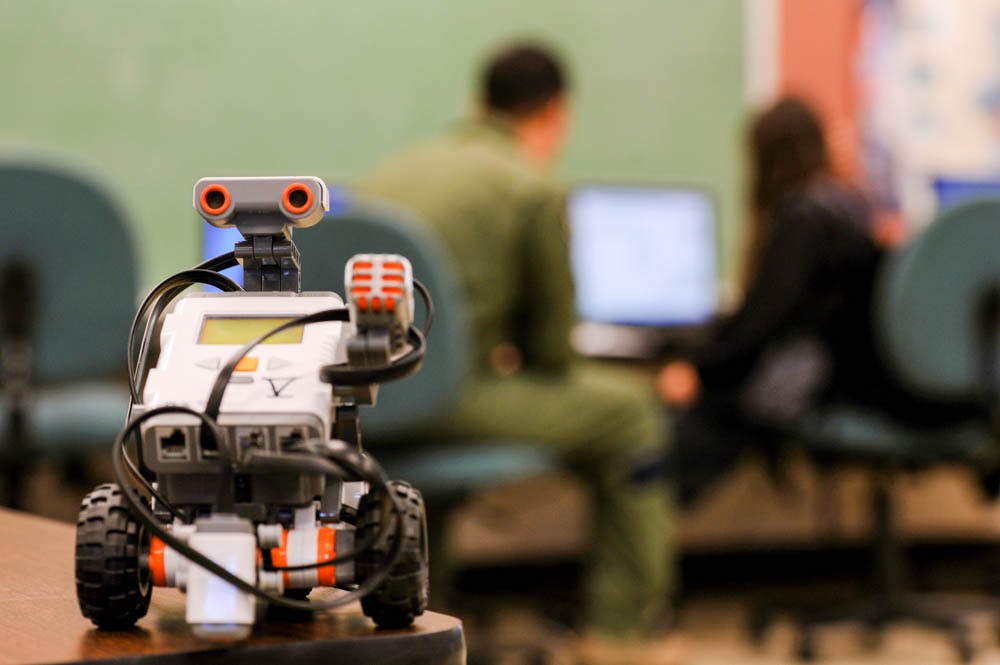
Roboticists of differing faiths discuss future of artificial intelligence -  The Brown Daily Herald

The first and most important question is: Can robots truly feel emotions? The short answer is: no, at least not in the way humans do. Emotions in humans are driven by subjective experiences, influenced by biological factors like the brain, hormones, and genetics. Robots, on the other hand, do not have the physiological systems that give rise to emotions. They are machines designed to process information and perform tasks based on algorithms.

However, emotions are not purely biological. They can be seen as a complex series of responses to stimuli that allow an organism to navigate the world effectively. In this sense, robots can be programmed to simulate emotions, based on sensors, data inputs, and machine learning algorithms. But is simulation enough? Can these machines appear to have emotions, even if they do not truly experience them?


The Development of Emotion-Sensitive Robots

In recent years, engineers and AI researchers have made significant strides toward building robots that can mimic human emotional responses. These robots use a combination of sensors, artificial intelligence, and machine learning to recognize and respond to human emotions. For instance, robots can analyze facial expressions, tone of voice, and body language to detect emotions such as happiness, sadness, or anger.

Emotion Recognition

Emotion recognition technologies are at the core of creating emotionally intelligent robots. These systems employ algorithms that analyze data from various sources—such as facial expressions, voice intonation, and even physiological signals like heart rate or skin conductivity—to infer emotional states. Facial recognition software, for example, is capable of identifying micro-expressions, the subtle changes in facial muscles that reflect emotions. By combining these technologies with natural language processing (NLP), robots can interpret verbal and non-verbal cues to understand how a person is feeling.

Emotion Simulation

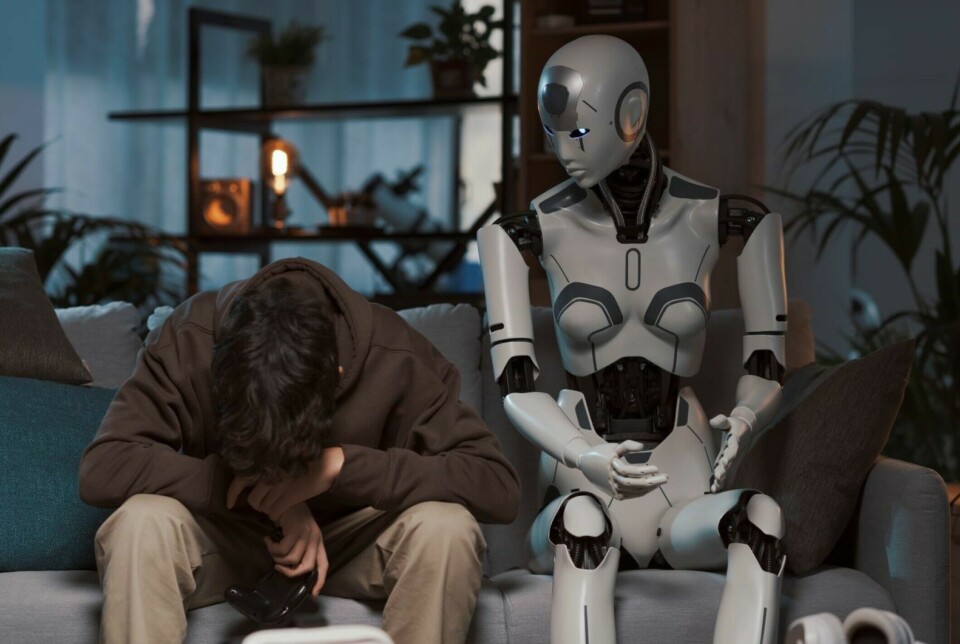
Once a robot can recognize human emotions, the next step is to simulate its own emotional responses. This is where things get more complex. While robots cannot feel emotions in the human sense, they can be designed to respond to emotional cues in ways that mimic human behavior. For example, a robot might display a smiling face when detecting happiness or express concern through its body language when sensing sadness.

Researchers have even gone a step further by equipping robots with emotional avatars—virtual representations that convey emotions through text or visual display. For example, a chatbot might be programmed to use kind and empathetic language when interacting with someone who is upset. Robots designed for healthcare or elder care might express simulated empathy to provide comfort, even though the machine itself does not experience those feelings.

The Role of Artificial Emotional Intelligence

The concept of Artificial Emotional Intelligence (AEI) has become increasingly relevant in the field of robotics. AEI involves the creation of algorithms and systems that allow machines to perceive, interpret, and respond to human emotions in a way that is emotionally appropriate. AEI is an extension of traditional AI but with an emphasis on emotional data rather than purely logical or rational information.

Affective Computing, a subfield of AEI, focuses specifically on the study and development of systems that can detect, interpret, and simulate emotions. Researchers in this field aim to create robots that not only recognize human emotions but also adapt their behavior in response to emotional contexts. This could lead to robots that can adjust their responses based on whether a person is frustrated, sad, or excited.


Practical Applications of Emotionally Intelligent Robots

The potential applications of robots with emotional intelligence are vast and wide-ranging. Some of the most promising areas include:

Healthcare and Elder Care

Emotionally intelligent robots could revolutionize healthcare, especially in areas like elderly care. Many elderly individuals experience loneliness and depression, and robots with the ability to simulate empathy and respond to emotional cues could provide companionship and improve their quality of life. Paro, a robot designed to resemble a baby seal, is already being used in Japan’s nursing homes as a therapeutic companion. The robot responds to touch and vocalizations, mimicking the behavior of a living animal, providing comfort to residents.

In hospitals, emotionally intelligent robots could assist patients by recognizing distress or pain and responding with appropriate comfort or intervention. For example, a robot in a pediatric ward could recognize a child’s anxiety and offer soothing words or engage in playful activities to distract the patient.
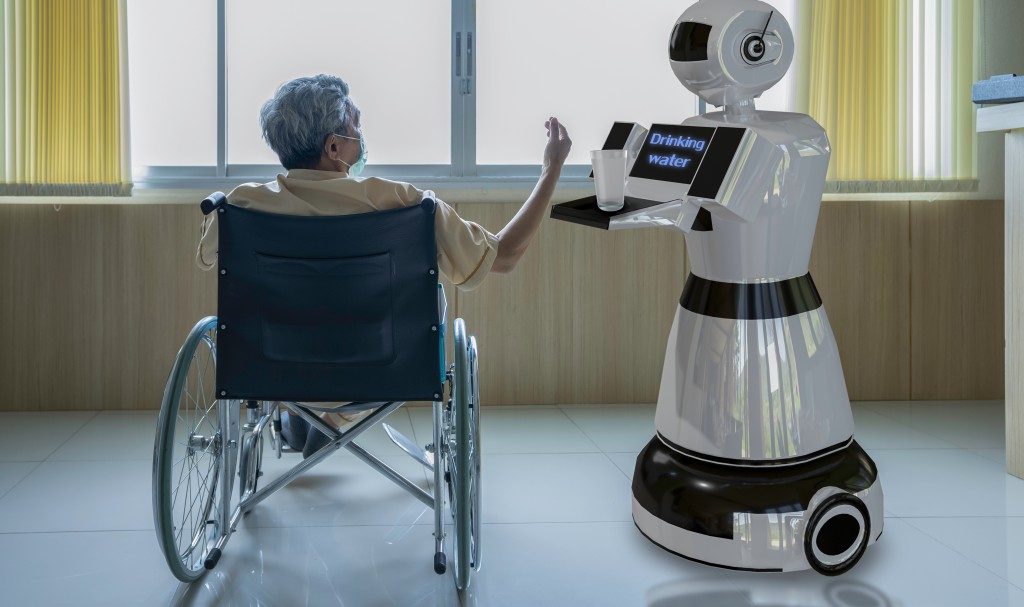
Ethics Of Using Care Robots For Older People – Asian Scientist Magazine

Education and Child Development

In the field of education, robots with emotional intelligence could be used to teach children, particularly those with special needs. Children with autism spectrum disorder (ASD) often struggle with recognizing and expressing emotions. Robots designed to simulate emotions could serve as tools for helping these children develop social and emotional skills. For example, a robot could model facial expressions and provide feedback to children as they practice interpreting emotions.

Customer Service and Companionship

Emotionally intelligent robots could also find their place in customer service, where empathy and social intelligence are essential. A robot programmed to recognize frustration or dissatisfaction in a customer could adjust its tone or offer more assistance to ensure a positive experience. In entertainment, robots with emotional intelligence might act as companions, offering personalized interactions and companionship for people who seek social interaction with artificial entities.


Ethical Considerations

While the idea of emotionally intelligent robots holds immense promise, it also raises several ethical concerns that must be addressed before widespread adoption.

Deception and Manipulation

One of the most significant ethical concerns is the potential for robots to deceive humans into thinking they are experiencing genuine emotions. If a robot behaves empathetically or expresses joy in response to human emotions, could this lead to a false sense of connection? Some argue that such emotional simulations might exploit human vulnerabilities, especially in cases where people may form emotional attachments to these machines.

Impact on Human Relationships

The widespread use of emotionally intelligent robots might also have unintended consequences on human relationships. If robots can simulate emotions, could this diminish the need for genuine human connection? There’s a fear that people might begin to rely on robots for companionship, replacing human relationships with machines.

Bias and Misinterpretation

Emotion recognition systems are not perfect. They might misinterpret a person’s emotional state based on incomplete or biased data. This could lead to robots responding inappropriately, such as offering comfort when it’s not needed or misjudging a person’s emotional state entirely. Ethical questions about accountability and responsibility arise when machines fail to interpret human emotions accurately.

Privacy and Data Security

As emotionally intelligent robots rely heavily on sensors to gather emotional data, concerns about privacy and data security become paramount. The data collected by robots could be used to infer personal information about individuals’ emotions, behavior, and even their mental health. Proper safeguards must be in place to ensure that this data is not misused or accessed without consent.


The Future of Emotionally Intelligent Robots

The future of robots with human-like emotions is both exciting and fraught with challenges. As technology advances, we may see robots that are increasingly capable of understanding, simulating, and responding to human emotions. While these robots will not “feel” emotions as humans do, they will serve as powerful tools to assist in healthcare, education, and customer service, among other fields.

However, as we continue to develop emotionally intelligent robots, it is crucial to balance innovation with ethical considerations. Transparency, accountability, and human oversight will be essential to ensuring that these technologies are used responsibly and do not undermine genuine human connection.



Tags: AI in RoboticsEmotional RobotsHuman-Robot InteractionRobot Intelligence
ShareTweetShare

Related Posts

Can Robots Adapt to Unpredictable Real-World Environments?
Robotics

Can Robots Adapt to Unpredictable Real-World Environments?

December 2, 2025
Will Robots Achieve True Autonomy or Always Need Human Oversight?
Robotics

Will Robots Achieve True Autonomy or Always Need Human Oversight?

December 1, 2025
What Happens When Robots Start Designing Robots?
Robotics

What Happens When Robots Start Designing Robots?

November 30, 2025
Are We Ready for Robots to Shape Our Creative Industries?
Robotics

Are We Ready for Robots to Shape Our Creative Industries?

November 29, 2025
Could Robots One Day Replace Human Emotions in Caregiving?
Robotics

Could Robots One Day Replace Human Emotions in Caregiving?

November 28, 2025
How Do We Ensure Robot Ethics in Autonomous Machines?
Robotics

How Do We Ensure Robot Ethics in Autonomous Machines?

November 27, 2025
Leave Comment
  • Trending
  • Comments
  • Latest
Can Sustainability Drive Profits in Competitive Markets?

Can Sustainability Drive Profits in Competitive Markets?

October 17, 2025
Can the Spotlight Make or Break Your Career?

Can the Spotlight Make or Break Your Career?

October 14, 2025
Does the Spotlight Always Equal Success?

Does the Spotlight Always Equal Success?

October 16, 2025
Can the Spotlight Truly Capture the Essence of a Person?

Can the Spotlight Truly Capture the Essence of a Person?

October 16, 2025
Can Bionics Redefine Human Limitations?

Can Bionics Redefine Human Limitations?

Is Bionics the Future of Prosthetics?

Is Bionics the Future of Prosthetics?

Can We Truly Integrate Technology with Biology?

Can We Truly Integrate Technology with Biology?

How Close Are We to Creating Bionic Organs?

How Close Are We to Creating Bionic Organs?

How Can Spotlights Elevate Your Interior Design Game?

How Can Spotlights Elevate Your Interior Design Game?

December 2, 2025
Will We Ever Live on Mars? And Should We?

Will We Ever Live on Mars? And Should We?

December 2, 2025
Bionics: The Key to Human Immortality?

Bionics: The Key to Human Immortality?

December 2, 2025
How Can Data Privacy be Maintained in a Hyperconnected World?

How Can Data Privacy be Maintained in a Hyperconnected World?

December 2, 2025
CyberGait

Our content caters to engineers, researchers, and tech enthusiasts alike. Through focused articles on algorithms, biomimicry, and industry trends, we provide a comprehensive perspective on the future of movement, from laboratory breakthroughs to commercial products.

© 2025 cybergait.com. contacts:[email protected]

No Result
View All Result
  • Home
  • Bionics
  • Breakthroughs
  • Industry
  • Robotics
  • Spotlight

© 2025 cybergait.com. contacts:[email protected]

Welcome Back!

Login to your account below

Forgotten Password?

Retrieve your password

Please enter your username or email address to reset your password.

Log In