


















The quest for immortality has captivated human imagination for millennia. From the elixirs of ancient alchemists to modern science fiction tales of ageless beings, the dream of eternal life has been a recurring theme in our collective consciousness. But what if immortality were not just a fantastical notion? What if it were achievable through the fusion of biology and technology? In this context, bionics—the science of creating artificial body parts to replace or enhance human functions—might be the key to unlocking a new era where human life is extended indefinitely.
The Rise of Bionics: A New Frontier in Medicine
Bionics, as a field, is still in its relative infancy, but it is rapidly advancing thanks to breakthroughs in biotechnology, materials science, and robotics. The fundamental concept of bionics revolves around integrating artificial devices with the human body to restore lost functions or enhance existing ones. From prosthetic limbs that respond to the brain’s signals to implanted organs that work seamlessly with the body’s natural systems, bionics represents a convergence of biology and machine.
One of the most promising aspects of bionics is its potential to mitigate the limitations of the human body. In an age where medical advancements are already lengthening lifespans, bionics could offer a significant leap forward in helping individuals not only live longer but also healthier lives. Rather than just fighting disease and aging, bionics could be the tool that helps us break through these biological barriers, achieving a new form of “immortality.”
The Biological Limits of Aging: Can Bionics Overcome Them?
Aging is a complex process that involves the gradual deterioration of the body’s tissues and organs. While science has made great strides in understanding the mechanisms of aging, the biological limits of the human body remain a significant challenge. Our cells age, our organs wear out, and genetic mutations accumulate over time. But what if we could replace or enhance those parts that wear out with bionic systems? Would this allow us to live indefinitely?
The concept of using artificial devices to extend life is not new. Consider the use of pacemakers to regulate heart rhythms, or cochlear implants to restore hearing. These devices, while not offering immortality, illustrate how technology can replace failing biological systems and improve quality of life. If this idea is expanded, we can imagine a future where bionics are used to replace deteriorating organs like kidneys, livers, and even the brain. In theory, such replacements could extend life significantly by preventing the biological breakdown that normally leads to aging.
Replacing the Heart: Bionics as a Lifesaver

The heart is one of the first organs to show signs of wear as we age. Heart disease, caused by the gradual buildup of plaque in the arteries, is one of the leading causes of death worldwide. While modern medicine has made great strides in treating heart conditions, such as through stents, heart bypasses, and transplants, these solutions are not permanent. The heart will eventually fail, and no treatment can guarantee a lifetime of health.
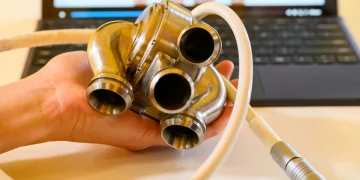
Here is where bionics could offer a transformative solution. Advanced research in the field of artificial hearts has already led to the development of mechanical pumps and total artificial hearts (TAH). These devices work by taking over the function of the heart, pumping blood throughout the body and maintaining circulation. While these artificial hearts are not yet a perfect replacement for biological hearts, they are improving, and in the future, they may be capable of offering a sustainable, long-term solution to heart failure.
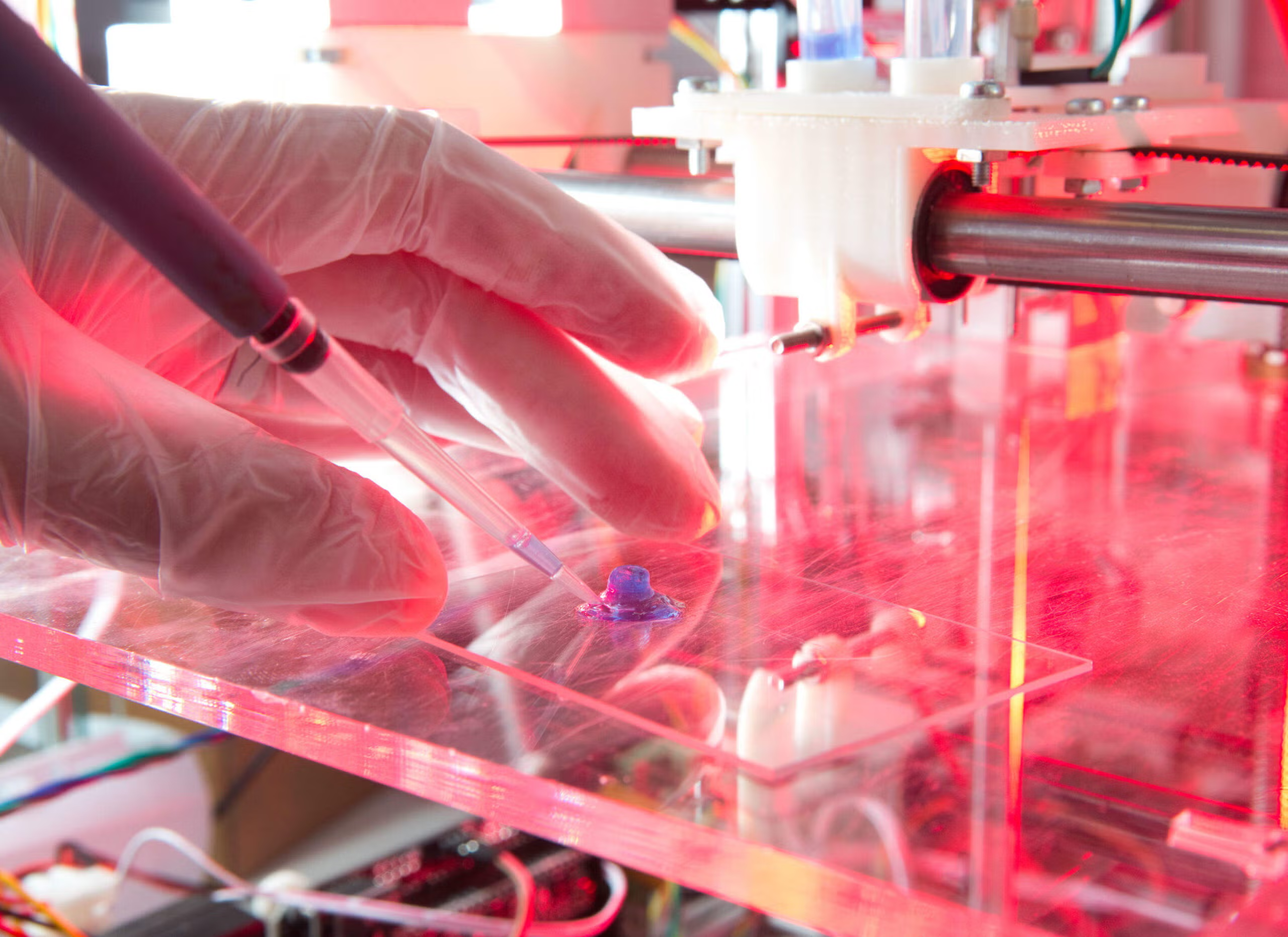
In the future, the use of synthetic, bioengineered hearts could even involve regenerative capabilities. This would allow for the replacement of a human heart with one that can repair itself over time, potentially leading to an extension of lifespan by ensuring that the most vital organ of the body is never compromised.
Bionics and the Brain: Enhancing Cognitive Function
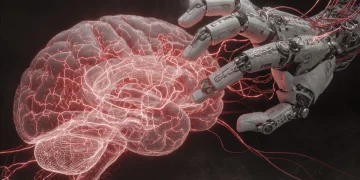
Perhaps the most intriguing and controversial aspect of bionics is the potential to enhance the brain itself. The human brain, with its intricate network of neurons and synapses, is the seat of our consciousness and cognitive abilities. As we age, however, the brain’s cognitive functions naturally decline. Memory loss, cognitive impairment, and neurodegenerative diseases like Alzheimer’s are all symptoms of this inevitable decline. But could bionic enhancements allow us to preserve and even enhance our cognitive abilities?
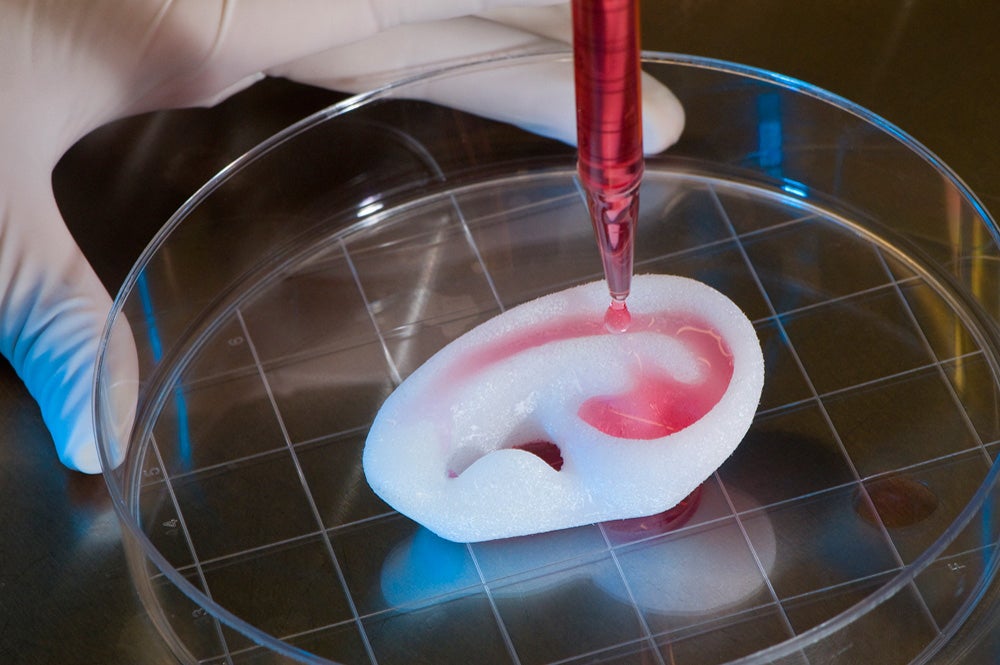
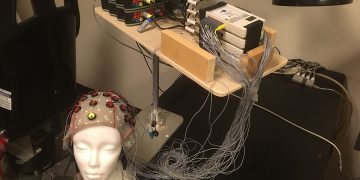
There is already ongoing research into brain-computer interfaces (BCIs), which aim to connect the brain directly to computers. These devices could allow individuals to “upload” information directly into their brains, bypassing the traditional process of learning. In the future, BCIs could be used to repair damaged brain tissue, restore lost memories, or even augment cognitive abilities. While the idea of enhancing the brain with bionic devices raises ethical concerns, it also offers the potential for humans to overcome the natural limitations of the aging mind.
The development of artificial intelligence (AI) systems that can work in tandem with the brain also holds promise. These systems could, in theory, augment human thinking, allowing for quicker decision-making, enhanced memory storage, and even the potential for “immortal” cognition by backing up a person’s memories or consciousness to digital platforms.
The Bionic Body: Replacing the Flesh
The human body is subject to wear and tear over time. Joints deteriorate, bones weaken, muscles atrophy, and organs lose their function. The idea of a fully bionic body—where every part of the human form is enhanced or replaced by synthetic materials—may sound like science fiction, but it’s closer to reality than we might think.
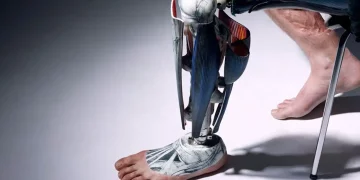
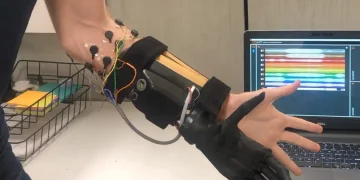
Robotic limbs that are controlled by the brain, artificial organs that perform the functions of their biological counterparts, and exoskeletons that augment human strength and endurance all represent steps toward a fully bionic body. As prosthetic technology continues to improve, we may reach a point where bionic limbs are indistinguishable from the original, not just in terms of appearance, but in terms of function. The human body could become a hybrid of biological tissue and mechanical enhancements, offering a new form of existence that challenges our understanding of what it means to be human.
This future may not necessarily be about replacing every part of the human body with technology, but rather about augmenting and enhancing the body to the point where its natural biological limitations are no longer a factor. Through the use of regenerative medicine, bioengineering, and bionic devices, humans could potentially live for centuries—if not longer.
Ethical Considerations: The Dark Side of Bionics and Immortality
While the potential for bionics to extend human life is undoubtedly exciting, it also raises important ethical questions. If immortality—or even extended lifespans—becomes possible through the use of bionics, who will have access to such technology? Will it be reserved for the wealthy, further deepening social inequalities? Moreover, if humans can replace every part of their body with bionic enhancements, what does that mean for the concept of identity and personhood?
Additionally, there are concerns about the long-term effects of living for extended periods. Would our minds and bodies still be able to function after centuries of existence? Would humanity lose its sense of purpose if immortality becomes commonplace? These are important questions that must be addressed as bionics and life-extending technologies continue to evolve.
The Future of Bionics and Human Immortality
Despite the ethical challenges and unanswered questions, the future of bionics offers incredible possibilities. As technology continues to advance at an exponential rate, it is conceivable that bionics could become a cornerstone of human existence. Whether through artificial organs, enhanced limbs, or cognitive augmentation, bionics could open the door to a future where death is no longer a certainty, and where humans can continue to push the boundaries of knowledge and achievement for centuries to come.
In conclusion, while bionics may not offer immortality in the traditional sense, it could offer something even more profound: the ability to overcome the biological limitations of the human body and mind. As science continues to unlock the potential of bionics, the dream of eternal life may no longer be confined to the realm of myth and legend. Instead, it could become a tangible reality, not through the preservation of life in its original form, but through the fusion of biology and technology, creating a new era of human existence.