

















CyberGait
  • Home
  • Bionics
    Bionics: The Key to Human Immortality?

    Bionics: The Key to Human Immortality?

    Bionic Organs: Can They Save Lives or Create New Ethical Dilemmas?

    Bionic Organs: Can They Save Lives or Create New Ethical Dilemmas?

    The Future of Prosthetics: Is It Fully Bionic?

    The Future of Prosthetics: Is It Fully Bionic?

    What Happens When Bionics Merge with Artificial Intelligence?

    What Happens When Bionics Merge with Artificial Intelligence?

    Bionic Enhancements: Could They Improve Our Cognitive Abilities?

    Bionic Enhancements: Could They Improve Our Cognitive Abilities?

    How Far Can Bionic Eyes Take Us Beyond Human Vision?

    How Far Can Bionic Eyes Take Us Beyond Human Vision?

  • Breakthroughs
    Will We Ever Live on Mars? And Should We?

    Will We Ever Live on Mars? And Should We?

    Are We on the Brink of a Green Energy Revolution?

    Are We on the Brink of a Green Energy Revolution?

    Can Mind-Controlled Technology Revolutionize Communication?

    Can Mind-Controlled Technology Revolutionize Communication?

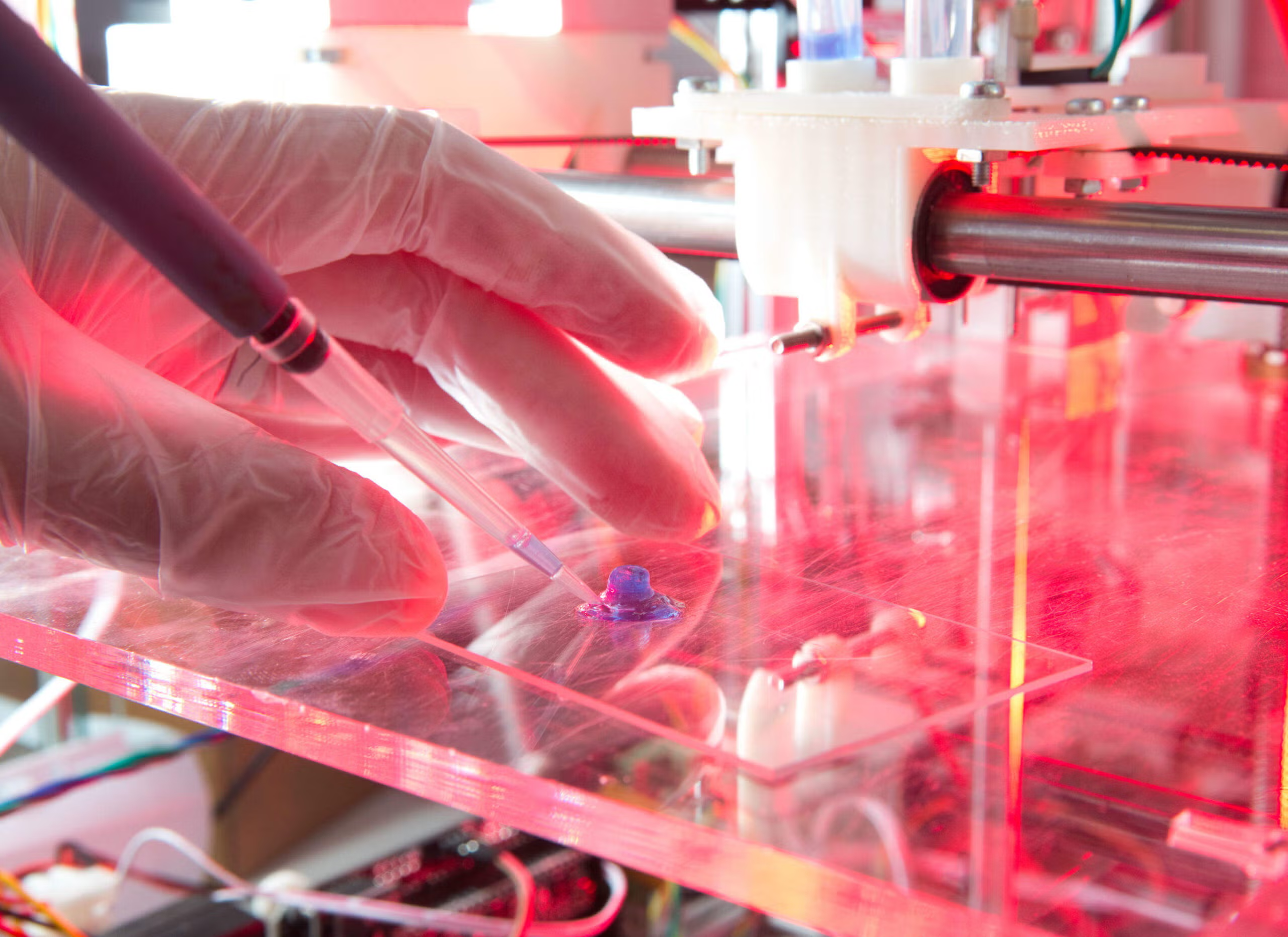
    What If We Could 3D Print Human Organs?

    What If We Could 3D Print Human Organs?

    Can Autonomous Vehicles Surpass Human Drivers in Safety?

    Can Autonomous Vehicles Surpass Human Drivers in Safety?

    Genomic Editing the Key to Immortality?

    Genomic Editing the Key to Immortality?

  • Industry
    How Can Data Privacy be Maintained in a Hyperconnected World?

    How Can Data Privacy be Maintained in a Hyperconnected World?

    Is the Gig Economy the Future of Employment?

    Is the Gig Economy the Future of Employment?

    Can Startups Compete with Corporate Giants in Innovation?

    Can Startups Compete with Corporate Giants in Innovation?

    The Future of Work: Truly Remote or Hybrid?

    The Future of Work: Truly Remote or Hybrid?

    How Does Blockchain Impact Global Supply Chains?

    How Does Blockchain Impact Global Supply Chains?

    Are We Overestimating the Power of Automation?

    Are We Overestimating the Power of Automation?

  • Robotics
    Can Robots Adapt to Unpredictable Real-World Environments?

    Can Robots Adapt to Unpredictable Real-World Environments?

    Will Robots Achieve True Autonomy or Always Need Human Oversight?

    Will Robots Achieve True Autonomy or Always Need Human Oversight?

    What Happens When Robots Start Designing Robots?

    What Happens When Robots Start Designing Robots?

    Are We Ready for Robots to Shape Our Creative Industries?

    Are We Ready for Robots to Shape Our Creative Industries?

    Could Robots One Day Replace Human Emotions in Caregiving?

    Could Robots One Day Replace Human Emotions in Caregiving?

    How Do We Ensure Robot Ethics in Autonomous Machines?

    How Do We Ensure Robot Ethics in Autonomous Machines?

  • Spotlight
    How Can Spotlights Elevate Your Interior Design Game?

    How Can Spotlights Elevate Your Interior Design Game?

    What Happens When You Use a Spotlight for Intimate Portraits?

    What Happens When You Use a Spotlight for Intimate Portraits?

    Why Do Spotlight Effects Matter in Cinematic Storytelling?

    Why Do Spotlight Effects Matter in Cinematic Storytelling?

    Could Spotlighting Be the Key to Perfect Product Photography?

    Could Spotlighting Be the Key to Perfect Product Photography?

    Spotlight Technology Changing the Future of Stage Design

    Spotlight Technology Changing the Future of Stage Design

    How Do Different Spotlights Affect Mood and Atmosphere?

    How Do Different Spotlights Affect Mood and Atmosphere?

CyberGait
  • Home
  • Bionics
    Bionics: The Key to Human Immortality?

    Bionics: The Key to Human Immortality?

    Bionic Organs: Can They Save Lives or Create New Ethical Dilemmas?

    Bionic Organs: Can They Save Lives or Create New Ethical Dilemmas?

    The Future of Prosthetics: Is It Fully Bionic?

    The Future of Prosthetics: Is It Fully Bionic?

    What Happens When Bionics Merge with Artificial Intelligence?

    What Happens When Bionics Merge with Artificial Intelligence?

    Bionic Enhancements: Could They Improve Our Cognitive Abilities?

    Bionic Enhancements: Could They Improve Our Cognitive Abilities?

    How Far Can Bionic Eyes Take Us Beyond Human Vision?

    How Far Can Bionic Eyes Take Us Beyond Human Vision?

  • Breakthroughs
    Will We Ever Live on Mars? And Should We?

    Will We Ever Live on Mars? And Should We?

    Are We on the Brink of a Green Energy Revolution?

    Are We on the Brink of a Green Energy Revolution?

    Can Mind-Controlled Technology Revolutionize Communication?

    Can Mind-Controlled Technology Revolutionize Communication?

    What If We Could 3D Print Human Organs?

    What If We Could 3D Print Human Organs?

    Can Autonomous Vehicles Surpass Human Drivers in Safety?

    Can Autonomous Vehicles Surpass Human Drivers in Safety?

    Genomic Editing the Key to Immortality?

    Genomic Editing the Key to Immortality?

  • Industry
    How Can Data Privacy be Maintained in a Hyperconnected World?

    How Can Data Privacy be Maintained in a Hyperconnected World?

    Is the Gig Economy the Future of Employment?

    Is the Gig Economy the Future of Employment?

    Can Startups Compete with Corporate Giants in Innovation?

    Can Startups Compete with Corporate Giants in Innovation?

    The Future of Work: Truly Remote or Hybrid?

    The Future of Work: Truly Remote or Hybrid?

    How Does Blockchain Impact Global Supply Chains?

    How Does Blockchain Impact Global Supply Chains?

    Are We Overestimating the Power of Automation?

    Are We Overestimating the Power of Automation?

  • Robotics
    Can Robots Adapt to Unpredictable Real-World Environments?

    Can Robots Adapt to Unpredictable Real-World Environments?

    Will Robots Achieve True Autonomy or Always Need Human Oversight?

    Will Robots Achieve True Autonomy or Always Need Human Oversight?

    What Happens When Robots Start Designing Robots?

    What Happens When Robots Start Designing Robots?

    Are We Ready for Robots to Shape Our Creative Industries?

    Are We Ready for Robots to Shape Our Creative Industries?

    Could Robots One Day Replace Human Emotions in Caregiving?

    Could Robots One Day Replace Human Emotions in Caregiving?

    How Do We Ensure Robot Ethics in Autonomous Machines?

    How Do We Ensure Robot Ethics in Autonomous Machines?

  • Spotlight
    How Can Spotlights Elevate Your Interior Design Game?

    How Can Spotlights Elevate Your Interior Design Game?

    What Happens When You Use a Spotlight for Intimate Portraits?

    What Happens When You Use a Spotlight for Intimate Portraits?

    Why Do Spotlight Effects Matter in Cinematic Storytelling?

    Why Do Spotlight Effects Matter in Cinematic Storytelling?

    Could Spotlighting Be the Key to Perfect Product Photography?

    Could Spotlighting Be the Key to Perfect Product Photography?

    Spotlight Technology Changing the Future of Stage Design

    Spotlight Technology Changing the Future of Stage Design

    How Do Different Spotlights Affect Mood and Atmosphere?

    How Do Different Spotlights Affect Mood and Atmosphere?

CyberGait
No Result
View All Result
Home Bionics

Bionic Organs: Can They Save Lives or Create New Ethical Dilemmas?

December 1, 2025
in Bionics
Bionic Organs: Can They Save Lives or Create New Ethical Dilemmas?

Introduction: The Rise of Bionic Organs

The concept of bionic organs is no longer confined to the realms of science fiction. Over the past few decades, medical science has made incredible strides, leading to the creation of advanced artificial organs that can potentially save lives and improve quality of life for countless individuals. Bionic organs, essentially synthetic devices designed to replace or enhance natural biological functions, are rapidly becoming a reality. From prosthetic limbs to fully functioning synthetic hearts, the developments are nothing short of extraordinary.

However, as the technology advances, it brings with it new ethical considerations that society must address. While the potential for saving lives is immense, so too are the moral and societal questions raised by these innovations. Can bionic organs provide a universal solution to organ shortages and life-threatening diseases, or do they open the door to unforeseen consequences that could lead to new dilemmas?

This article explores both the incredible potential of bionic organs to revolutionize healthcare and the complex ethical issues they raise, shedding light on both sides of this fascinating technological frontier.


The Promise of Bionic Organs: A Life-Saving Innovation

Bionic organs represent a transformative leap in the world of healthcare. These devices are not just limited to prosthetics or artificial limbs; the scope has expanded to organs such as hearts, kidneys, lungs, and even eyes. The primary goal of these organs is to restore vital functions to individuals whose organs have failed, either due to disease, injury, or congenital conditions.
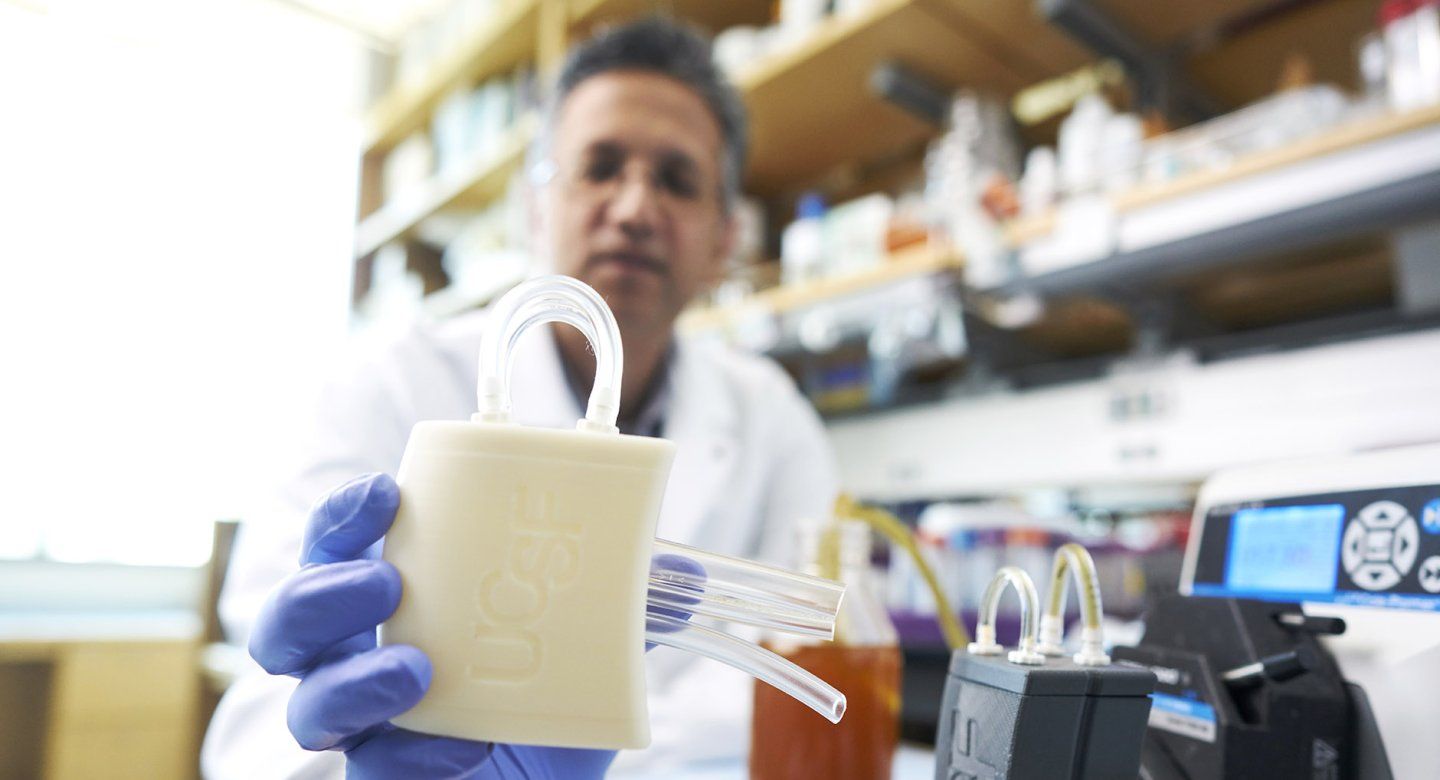
Can an Artificial Kidney Finally Free Patients from Dialysis? | UC San  Francisco
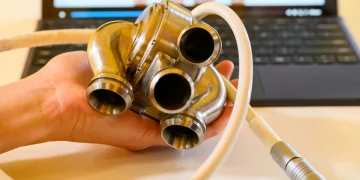
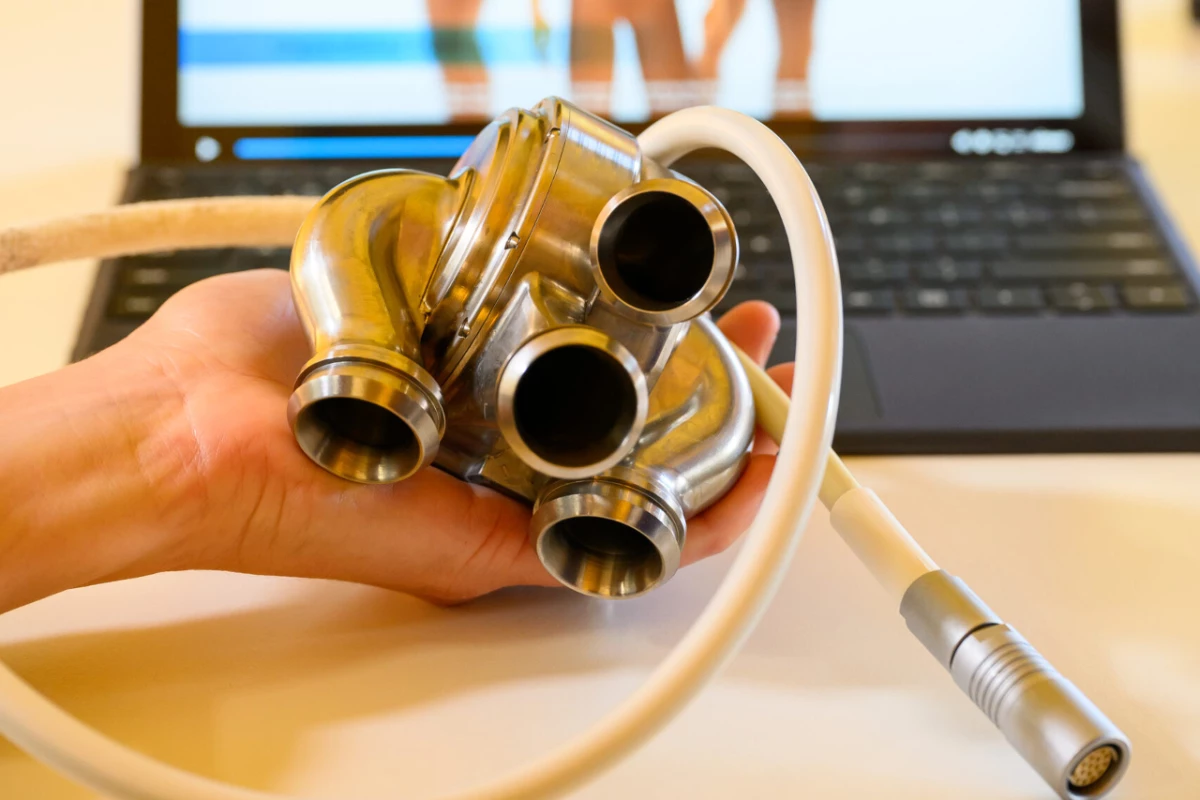
  1. Tackling the Organ Shortage Crisis The demand for donor organs far outpaces supply, creating a global crisis. According to recent data, tens of thousands of people die each year while waiting for a suitable organ donor. In some countries, the waiting list for a heart or kidney transplant can extend for several years, and the waiting period is often too long for many to survive. Bionic organs could potentially eliminate this problem, offering a way to provide life-saving replacements without relying on human organ donors. One of the most well-known examples is the development of the bionic heart. Artificial hearts, like the SynCardia Total Artificial Heart, have been used as temporary solutions for patients awaiting heart transplants. These devices can pump blood and keep patients alive long enough to receive a heart transplant. The next logical step is the creation of permanent, fully functional bionic hearts capable of replacing the need for donor organs altogether.
  2. Improving Quality of Life for Patients with Organ Failure While organ transplantation can save lives, it does not always offer a perfect solution. After a transplant, patients must deal with the risk of organ rejection and the need for lifelong immunosuppressive medications. Moreover, the transplanted organs may not always function as well as the original ones. Bionic organs, on the other hand, have the potential to provide more reliable and long-term solutions. For example, bionic kidneys that can mimic the filtration capabilities of a natural kidney are already in development. Such devices could offer patients with end-stage renal disease a more sustainable alternative to dialysis or kidney transplantation, while also eliminating the risk of organ rejection.
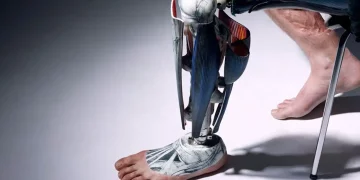
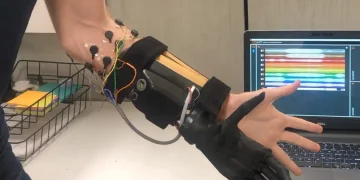
  3. Enhancing Mobility and Functionality with Prosthetics While the focus of bionic organs is often on internal organs, bionic technology also includes advancements in prosthetic limbs. Modern prosthetic limbs are designed to be highly functional, mimicking the movement and dexterity of natural limbs. These bionic limbs have proven to be life-changing for individuals who have lost limbs due to accidents or medical conditions. The development of bionic eyes, which can restore partial vision to the blind, is another area of immense promise. These devices, still in the experimental stage, use a combination of retinal implants and external cameras to send visual information to the brain. While these technologies are not perfect, they represent an important step toward providing individuals with sensory disabilities a chance to regain independence and improve their quality of life.

The Ethical Dilemmas of Bionic Organs: Can We Control the Future?

As with any groundbreaking technology, the rapid development of bionic organs raises a host of ethical questions that need careful consideration. While the potential benefits are immense, the consequences of widespread use could be far-reaching and potentially disruptive to both individuals and society.
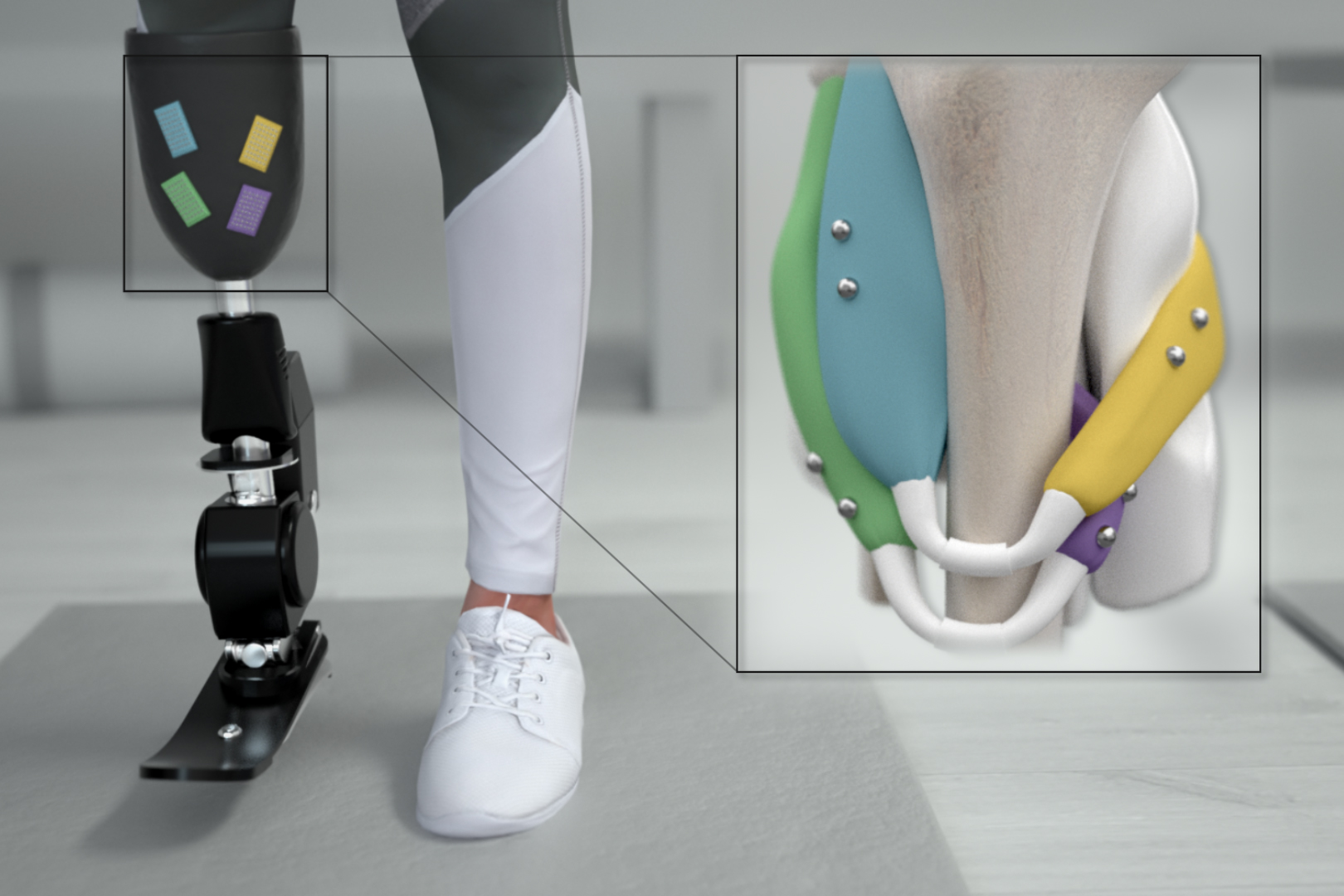
Magnets could offer better control of prosthetic limbs | MIT News |  Massachusetts Institute of Technology
  1. Access and Equity: Who Gets the Bionic Organs? One of the most pressing concerns is access to these life-saving technologies. Bionic organs and prosthetics are still prohibitively expensive, and not everyone can afford them. If these technologies are not made widely accessible, they could exacerbate existing social inequalities, with only the wealthy able to benefit from life-saving treatments. This could create a two-tiered healthcare system, where the rich have access to cutting-edge technologies while the poor are left behind. Furthermore, the question arises of whether healthcare systems can keep up with the demand for these devices. In countries with universal healthcare, there is often a struggle to provide adequate coverage for even basic treatments. The integration of expensive bionic organs could stretch healthcare resources thin and raise questions about how to allocate limited resources fairly.
  2. The Definition of Humanity: Where Do We Draw the Line? As bionic organs become more advanced, the question of what it means to be human becomes more complex. The integration of artificial organs and limbs into the human body blurs the line between biology and technology. If an individual is reliant on bionic organs, to what extent are they still considered “human”? There are philosophical and existential concerns that need to be addressed. For instance, if a bionic heart or kidney functions better than a natural one, does that mean the individual is “enhanced”? Will we see a future where people voluntarily replace perfectly healthy organs with bionic versions to improve their performance, thus raising the question of whether we should be “augmenting” ourselves beyond natural limits?
  3. The Risk of Technological Dependence and Loss of Autonomy With the introduction of any technology comes the potential for dependence. As society becomes increasingly reliant on bionic organs, there is a risk that individuals may become too dependent on these technologies, leading to a loss of autonomy. If bionic organs become widely available, people may come to rely on them for basic survival, and this could shift the focus of healthcare away from prevention and toward repair. Moreover, what happens if these technologies malfunction? While bionic organs are designed to replicate the functions of natural organs, they are still machines and are not immune to failure. The potential for catastrophic failure, especially in critical organs like the heart or brain, poses significant risks. The ethical implications of who is responsible in the event of a malfunction are complex and need to be considered carefully.
  4. Genetic Engineering and the Possibility of “Designer” Bionic Organs With the rapid pace of advances in genetic engineering and biotechnology, there is growing interest in the idea of designer bionic organs—organs that are custom-designed for individuals based on their genetic makeup or personal preferences. This raises concerns about the creation of a society where people could choose to enhance or alter their bodies in ways that go beyond mere functionality. Will we eventually reach a point where genetic engineering and bionics converge to create a world of “superhumans,” potentially dividing society into those who can afford enhancements and those who cannot? While this future might seem distant, the reality is that advances in both genetic engineering and bionic technologies are occurring faster than many anticipate. This could lead to a world where genetic modifications and bionic enhancements are no longer the stuff of science fiction, but an everyday reality with profound ethical consequences.

Conclusion: Balancing the Potential with the Pitfalls

The advent of bionic organs holds incredible promise for the future of healthcare. These technologies have the potential to save lives, alleviate suffering, and transform the way we approach medical treatment. From addressing organ shortages to providing enhanced mobility and sensory capabilities, bionic organs could represent a new era of medical advancements that change the face of human health.

However, these advancements are not without their ethical concerns. The potential for inequality, the risk of dependency, and the philosophical questions surrounding human enhancement are just a few of the issues that need to be carefully considered as we move forward. It is essential that we strike a balance between embracing these technologies for their life-saving potential while also addressing the societal and ethical challenges they bring with them.

The future of bionic organs is undoubtedly bright, but it will require careful thought and regulation to ensure that the benefits outweigh the risks. As we move toward a future where technology increasingly integrates with biology, society must work to ensure that these innovations are used responsibly, equitably, and in ways that preserve our shared humanity.

Tags: BioengineeringBionic EyesEthicsHealthcare
ShareTweetShare

Related Posts

Bionics: The Key to Human Immortality?
Bionics

Bionics: The Key to Human Immortality?

December 2, 2025
The Future of Prosthetics: Is It Fully Bionic?
Bionics

The Future of Prosthetics: Is It Fully Bionic?

November 30, 2025
What Happens When Bionics Merge with Artificial Intelligence?
Bionics

What Happens When Bionics Merge with Artificial Intelligence?

November 29, 2025
Bionic Enhancements: Could They Improve Our Cognitive Abilities?
Bionics

Bionic Enhancements: Could They Improve Our Cognitive Abilities?

November 28, 2025
How Far Can Bionic Eyes Take Us Beyond Human Vision?
Bionics

How Far Can Bionic Eyes Take Us Beyond Human Vision?

November 27, 2025
Are We Ready for Bionic Limbs That Feel Like Real Flesh?
Bionics

Are We Ready for Bionic Limbs That Feel Like Real Flesh?

November 26, 2025
Leave Comment
  • Trending
  • Comments
  • Latest
Can Sustainability Drive Profits in Competitive Markets?

Can Sustainability Drive Profits in Competitive Markets?

October 17, 2025
Can the Spotlight Make or Break Your Career?

Can the Spotlight Make or Break Your Career?

October 14, 2025
Does the Spotlight Always Equal Success?

Does the Spotlight Always Equal Success?

October 16, 2025
Can the Spotlight Truly Capture the Essence of a Person?

Can the Spotlight Truly Capture the Essence of a Person?

October 16, 2025
Can Bionics Redefine Human Limitations?

Can Bionics Redefine Human Limitations?

Is Bionics the Future of Prosthetics?

Is Bionics the Future of Prosthetics?

Can We Truly Integrate Technology with Biology?

Can We Truly Integrate Technology with Biology?

How Close Are We to Creating Bionic Organs?

How Close Are We to Creating Bionic Organs?

How Can Spotlights Elevate Your Interior Design Game?

How Can Spotlights Elevate Your Interior Design Game?

December 2, 2025
Will We Ever Live on Mars? And Should We?

Will We Ever Live on Mars? And Should We?

December 2, 2025
Bionics: The Key to Human Immortality?

Bionics: The Key to Human Immortality?

December 2, 2025
How Can Data Privacy be Maintained in a Hyperconnected World?

How Can Data Privacy be Maintained in a Hyperconnected World?

December 2, 2025
CyberGait

Our content caters to engineers, researchers, and tech enthusiasts alike. Through focused articles on algorithms, biomimicry, and industry trends, we provide a comprehensive perspective on the future of movement, from laboratory breakthroughs to commercial products.

© 2025 cybergait.com. contacts:[email protected]

No Result
View All Result
  • Home
  • Bionics
  • Breakthroughs
  • Industry
  • Robotics
  • Spotlight

© 2025 cybergait.com. contacts:[email protected]

Welcome Back!

Login to your account below

Forgotten Password?

Retrieve your password

Please enter your username or email address to reset your password.

Log In