




























Introduction: The Dawn of a New Era in Sports
In the world of sports, human potential is constantly being pushed to its limits. Athletes train tirelessly, pushing the boundaries of endurance, speed, and strength. Yet, for some individuals, the physical limits of their bodies can feel like insurmountable barriers. Enter bionic prosthetics—a transformative innovation that is set to redefine the landscape of athletic performance.
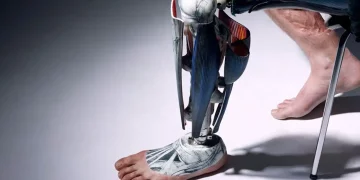
As technology continues to evolve, prosthetics have moved beyond their traditional role of simply aiding mobility. Today, they are becoming performance-enhancing tools that offer unprecedented capabilities. These “bionic” prosthetics are designed to seamlessly integrate with the human body, mimicking natural movement while amplifying strength, precision, and agility.
In this article, we will explore how bionic prosthetics are changing sports performance, the challenges they present, and the future they promise. With advancements in robotics, artificial intelligence, and biomechanics, the next generation of athletes—both able-bodied and disabled—could soon reach new heights.
The Evolution of Prosthetics: From Basic Aids to Performance Enhancers
Historically, prosthetics were designed as basic aids for individuals who had lost limbs. Early versions were rudimentary, offering limited mobility and functionality. Over time, prosthetic technology improved, focusing on better replicating the appearance and movement of natural limbs. However, it was not until the advent of bionic prosthetics that the potential for enhancing athletic performance began to emerge.
Early Prosthetics: Functional, Not Fashionable
The earliest prosthetics were often made of wood or metal, with little to no consideration for aesthetics or comfort. The primary goal was simply to restore basic functionality: enabling the wearer to walk, stand, or perform simple tasks. These devices were mechanical, with no active assistance from motors or sensors.
The Rise of Bionics: A Step Toward Precision
The term “bionic” refers to systems that replicate or augment the functions of living organisms through the use of electronic and mechanical devices. Bionic prosthetics are built with sensors, motors, and algorithms that allow the user to perform complex movements, often in real-time. This advanced technology makes it possible for amputees to regain or even surpass some of their natural abilities.
The development of bionic prosthetics has been a gradual process, with major milestones including the creation of the first electrically-powered prosthetic limb, the integration of advanced sensors for detecting muscle signals, and the development of lightweight, durable materials like carbon fiber and titanium.
How Bionic Prosthetics Impact Sports
Bionic prosthetics offer significant advantages to athletes in a variety of sports. By enhancing the strength, speed, and precision of the user, these devices can level the playing field and provide opportunities for athletes with disabilities to compete on equal terms with their able-bodied counterparts. In addition, some bionic prosthetics are designed specifically to optimize athletic performance, offering unique advantages in sports that require explosive movements, agility, or strength.

Enhanced Speed and Agility in Running and Sprinting
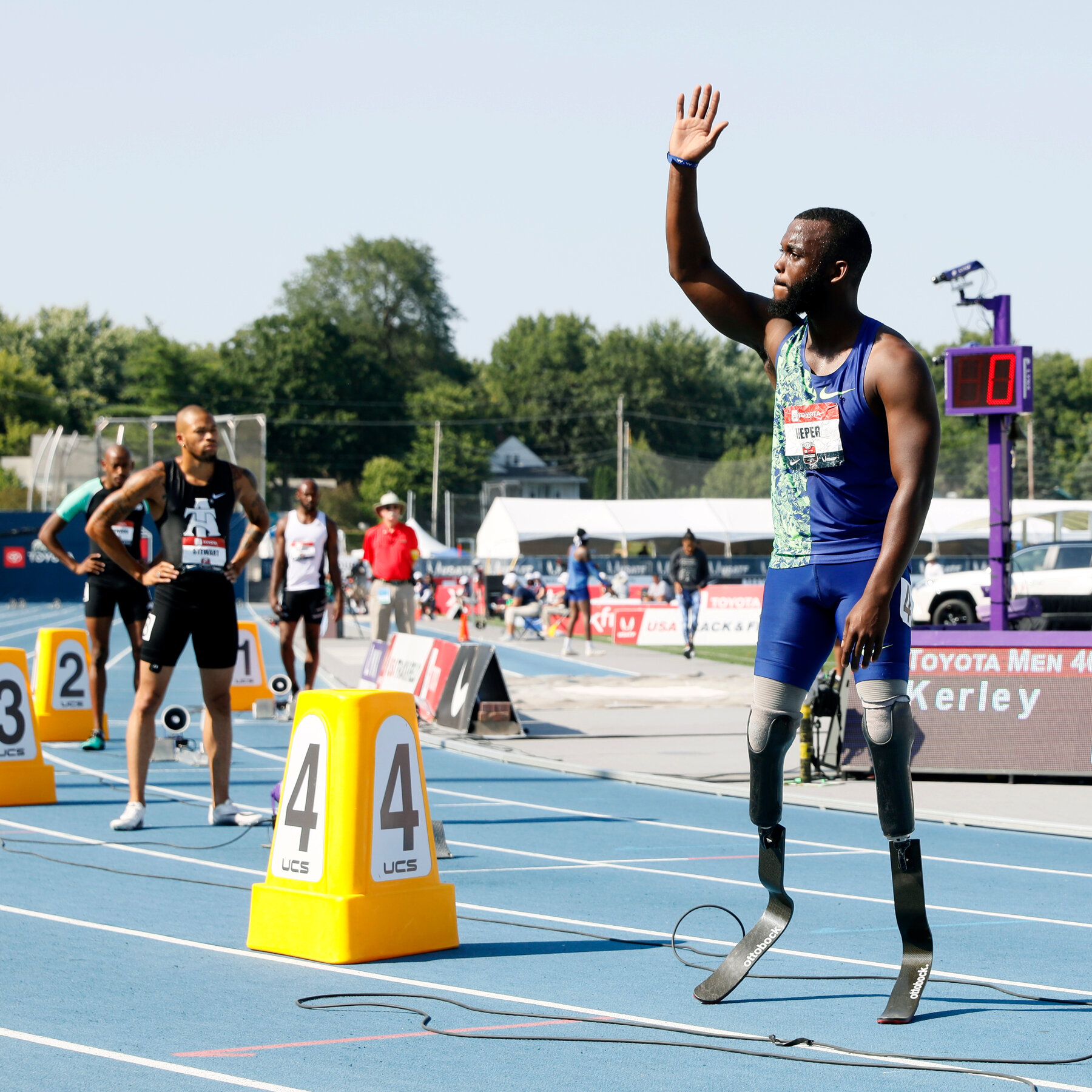
One of the most obvious applications of bionic prosthetics is in running and sprinting. Traditionally, athletes with lower-limb amputations have faced challenges in competing at the highest levels of track and field. However, bionic limbs like the Cheetah Flex-Foot, developed by Össur, have revolutionized sprinting for amputees. These prosthetics use advanced carbon fiber to create a flexible, spring-like effect that mimics the natural mechanics of running.
The design of these prosthetics allows athletes to maintain speed and agility while conserving energy. The carbon fiber “blades” store and release energy with each stride, providing a boost to the runner’s performance. This technology has enabled athletes like Oscar Pistorius to compete in the Paralympic Games, and even to participate in the Olympics, against able-bodied runners.
Strength and Power in Weightlifting
In sports like weightlifting, the power generated by an athlete’s legs and core is critical to lifting heavy loads. Bionic prosthetics, particularly those designed for lower-limb amputees, can offer enhanced strength and stability. Prosthetics with adjustable joint mechanisms can help distribute the weight more evenly across the body, allowing the athlete to lift more weight with less effort.
In addition, advanced bionic prosthetics are able to “sense” the load and adjust the stiffness of the limb accordingly. This allows for a more controlled and efficient lift, potentially improving the performance of athletes in disciplines such as powerlifting, CrossFit, and Olympic weightlifting.
Precision and Control in Sports like Cycling and Swimming
Cycling and swimming are two sports that rely heavily on precision and control. Bionic prosthetics can enhance these attributes by providing a more efficient, responsive connection between the athlete and their sport.
For example, bionic limbs designed for cycling can offer superior flexibility and responsiveness, enabling athletes to maintain optimal pedal force while adjusting to changes in terrain. The same goes for prosthetics used in swimming, where specialized limbs can reduce drag in the water, improving the swimmer’s efficiency and speed.
Increased Mobility in Team Sports
In team sports like soccer, basketball, or rugby, mobility, agility, and speed are critical. Bionic prosthetics are designed to enhance these factors, giving athletes with disabilities a competitive edge. With adjustable, lightweight materials and the integration of intelligent sensors, these prosthetics can make quick directional changes, accelerate, and decelerate with precision.
Moreover, bionic technology allows athletes to recover from injuries more quickly, making it possible for them to maintain peak performance despite the physical toll of intense competition. This could change the way we think about professional sports, potentially increasing the participation of athletes with disabilities in top-tier leagues and competitions.
Challenges and Controversies: The Ethics and Accessibility of Bionic Prosthetics
While bionic prosthetics offer significant advantages in sports, their widespread adoption raises important ethical and accessibility questions.
The Issue of Fairness
One of the main concerns regarding bionic prosthetics is the question of fairness. In elite sports, athletes with disabilities are often pitted against one another in separate categories, such as the Paralympics. However, the introduction of bionic prosthetics may blur these lines, especially if athletes using bionic limbs can perform at levels comparable to—or even surpassing—able-bodied athletes.
The use of bionic prosthetics could lead to debates around whether such technology should be allowed in competitions like the Olympics or professional leagues. Should athletes with prosthetics be considered to have an unfair advantage? Or should these innovations be seen as the natural progression of sport and human potential?

Accessibility and Cost
Bionic prosthetics, while groundbreaking, are also expensive. The development and maintenance of high-tech prosthetic limbs can cost tens of thousands of dollars, making them inaccessible to many athletes, especially those from lower-income backgrounds. In addition, the constant need for upgrades and adjustments can lead to a significant financial burden.
This raises the question of how to make bionic prosthetics more accessible to those who could benefit from them most. Governments, non-profits, and companies must work together to find ways to lower costs and provide financial assistance to those in need.
Technical Limitations
Despite the impressive advancements in bionic technology, these prosthetics are not without their limitations. For example, the energy consumption of some devices remains high, meaning that battery life can be a concern for athletes who require extended use during competitions. Additionally, while bionic limbs have made great strides in replicating natural movement, they are still not perfect replicas, which can lead to issues with comfort, fit, and precision.
Ethical Concerns: Should We Enhance Human Performance?
Finally, bionic prosthetics raise profound ethical questions about human enhancement. As these devices become more sophisticated, they could potentially be used not only to restore lost function but to enhance the abilities of able-bodied athletes. This opens up the possibility of “performance-enhancing” prosthetics, where the line between natural and augmented human performance becomes increasingly difficult to draw.
Long-Term Effects on Human Physiology
While bionic prosthetics promise to improve athletic performance, there are concerns about their long-term effects on the human body. The integration of these devices with natural limbs can place extra strain on joints, muscles, and bones. Over time, athletes may experience unintended consequences, such as wear and tear on the body, which could limit the potential benefits of using bionic prosthetics.
The Future of Bionic Prosthetics in Sports
Looking to the future, the role of bionic prosthetics in sports is poised to expand. As technology continues to improve, we can expect prosthetics to become lighter, more responsive, and more customizable. Artificial intelligence (AI) could play a crucial role in fine-tuning the performance of prosthetics, enabling them to adapt to the individual needs and movement patterns of each athlete.
In addition, we may see more collaborations between researchers, engineers, and athletes to design sport-specific prosthetics tailored to different disciplines. For example, future bionic limbs for soccer players might incorporate specialized joints for quick pivots, while those designed for swimmers could prioritize hydrodynamics and flexibility.
As the barriers between technology and biology continue to blur, the integration of bionic prosthetics into sports may lead to a radical shift in how we view athletic performance. Athletes of all backgrounds—whether able-bodied or disabled—could achieve extraordinary feats of human potential.
Conclusion: A New Frontier in Sports Performance
Bionic prosthetics are not just changing the way athletes with disabilities compete—they are transforming the very essence of human performance. With their ability to enhance speed, power, precision, and mobility, these devices are helping athletes break through physical limitations and reach new levels of excellence.
While challenges remain, such as accessibility, fairness, and ethical concerns, the potential of bionic prosthetics to revolutionize sports is undeniable. As technology continues to evolve, we are likely to see even greater advancements, opening up new possibilities for athletes of all abilities to participate in and excel at the highest levels of sport.