














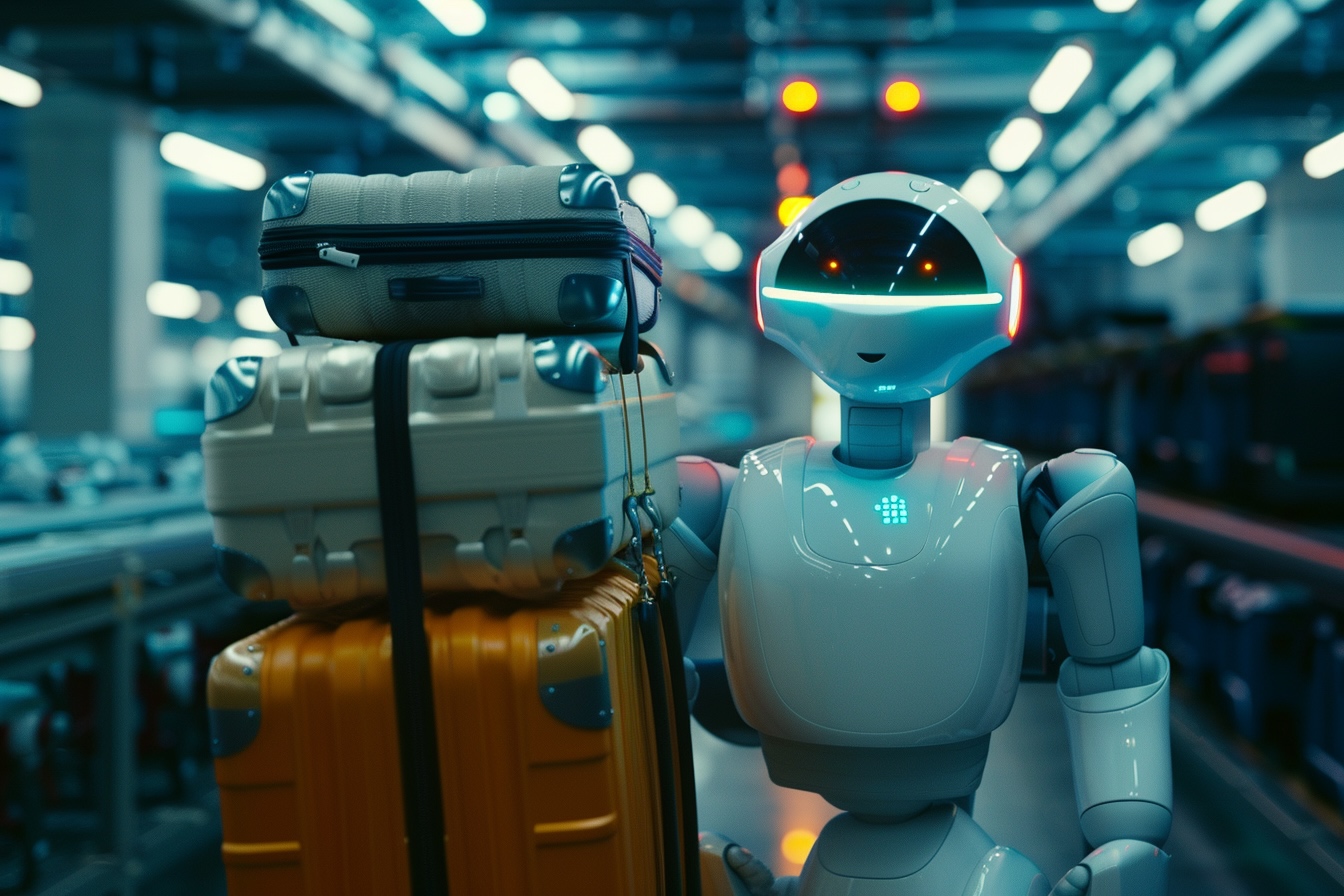
CyberGait
  • Home
  • Bionics
    Bionics: The Key to Human Immortality?

    Bionics: The Key to Human Immortality?

    Bionic Organs: Can They Save Lives or Create New Ethical Dilemmas?

    Bionic Organs: Can They Save Lives or Create New Ethical Dilemmas?

    The Future of Prosthetics: Is It Fully Bionic?

    The Future of Prosthetics: Is It Fully Bionic?

    What Happens When Bionics Merge with Artificial Intelligence?

    What Happens When Bionics Merge with Artificial Intelligence?

    Bionic Enhancements: Could They Improve Our Cognitive Abilities?

    Bionic Enhancements: Could They Improve Our Cognitive Abilities?

    How Far Can Bionic Eyes Take Us Beyond Human Vision?

    How Far Can Bionic Eyes Take Us Beyond Human Vision?

  • Breakthroughs
    Will We Ever Live on Mars? And Should We?

    Will We Ever Live on Mars? And Should We?

    Are We on the Brink of a Green Energy Revolution?

    Are We on the Brink of a Green Energy Revolution?

    Can Mind-Controlled Technology Revolutionize Communication?

    Can Mind-Controlled Technology Revolutionize Communication?

    What If We Could 3D Print Human Organs?

    What If We Could 3D Print Human Organs?

    Can Autonomous Vehicles Surpass Human Drivers in Safety?

    Can Autonomous Vehicles Surpass Human Drivers in Safety?

    Genomic Editing the Key to Immortality?

    Genomic Editing the Key to Immortality?

  • Industry
    How Can Data Privacy be Maintained in a Hyperconnected World?

    How Can Data Privacy be Maintained in a Hyperconnected World?

    Is the Gig Economy the Future of Employment?

    Is the Gig Economy the Future of Employment?

    Can Startups Compete with Corporate Giants in Innovation?

    Can Startups Compete with Corporate Giants in Innovation?

    The Future of Work: Truly Remote or Hybrid?

    The Future of Work: Truly Remote or Hybrid?

    How Does Blockchain Impact Global Supply Chains?

    How Does Blockchain Impact Global Supply Chains?

    Are We Overestimating the Power of Automation?

    Are We Overestimating the Power of Automation?

  • Robotics
    Can Robots Adapt to Unpredictable Real-World Environments?

    Can Robots Adapt to Unpredictable Real-World Environments?

    Will Robots Achieve True Autonomy or Always Need Human Oversight?

    Will Robots Achieve True Autonomy or Always Need Human Oversight?

    What Happens When Robots Start Designing Robots?

    What Happens When Robots Start Designing Robots?

    Are We Ready for Robots to Shape Our Creative Industries?

    Are We Ready for Robots to Shape Our Creative Industries?

    Could Robots One Day Replace Human Emotions in Caregiving?

    Could Robots One Day Replace Human Emotions in Caregiving?

    How Do We Ensure Robot Ethics in Autonomous Machines?

    How Do We Ensure Robot Ethics in Autonomous Machines?

  • Spotlight
    How Can Spotlights Elevate Your Interior Design Game?

    How Can Spotlights Elevate Your Interior Design Game?

    What Happens When You Use a Spotlight for Intimate Portraits?

    What Happens When You Use a Spotlight for Intimate Portraits?

    Why Do Spotlight Effects Matter in Cinematic Storytelling?

    Why Do Spotlight Effects Matter in Cinematic Storytelling?

    Could Spotlighting Be the Key to Perfect Product Photography?

    Could Spotlighting Be the Key to Perfect Product Photography?

    Spotlight Technology Changing the Future of Stage Design

    Spotlight Technology Changing the Future of Stage Design

    How Do Different Spotlights Affect Mood and Atmosphere?

    How Do Different Spotlights Affect Mood and Atmosphere?

CyberGait
  • Home
  • Bionics
    Bionics: The Key to Human Immortality?

    Bionics: The Key to Human Immortality?

    Bionic Organs: Can They Save Lives or Create New Ethical Dilemmas?

    Bionic Organs: Can They Save Lives or Create New Ethical Dilemmas?

    The Future of Prosthetics: Is It Fully Bionic?

    The Future of Prosthetics: Is It Fully Bionic?

    What Happens When Bionics Merge with Artificial Intelligence?

    What Happens When Bionics Merge with Artificial Intelligence?

    Bionic Enhancements: Could They Improve Our Cognitive Abilities?

    Bionic Enhancements: Could They Improve Our Cognitive Abilities?

    How Far Can Bionic Eyes Take Us Beyond Human Vision?

    How Far Can Bionic Eyes Take Us Beyond Human Vision?

  • Breakthroughs
    Will We Ever Live on Mars? And Should We?

    Will We Ever Live on Mars? And Should We?

    Are We on the Brink of a Green Energy Revolution?

    Are We on the Brink of a Green Energy Revolution?

    Can Mind-Controlled Technology Revolutionize Communication?

    Can Mind-Controlled Technology Revolutionize Communication?

    What If We Could 3D Print Human Organs?

    What If We Could 3D Print Human Organs?

    Can Autonomous Vehicles Surpass Human Drivers in Safety?

    Can Autonomous Vehicles Surpass Human Drivers in Safety?

    Genomic Editing the Key to Immortality?

    Genomic Editing the Key to Immortality?

  • Industry
    How Can Data Privacy be Maintained in a Hyperconnected World?

    How Can Data Privacy be Maintained in a Hyperconnected World?

    Is the Gig Economy the Future of Employment?

    Is the Gig Economy the Future of Employment?

    Can Startups Compete with Corporate Giants in Innovation?

    Can Startups Compete with Corporate Giants in Innovation?

    The Future of Work: Truly Remote or Hybrid?

    The Future of Work: Truly Remote or Hybrid?

    How Does Blockchain Impact Global Supply Chains?

    How Does Blockchain Impact Global Supply Chains?

    Are We Overestimating the Power of Automation?

    Are We Overestimating the Power of Automation?

  • Robotics
    Can Robots Adapt to Unpredictable Real-World Environments?

    Can Robots Adapt to Unpredictable Real-World Environments?

    Will Robots Achieve True Autonomy or Always Need Human Oversight?

    Will Robots Achieve True Autonomy or Always Need Human Oversight?

    What Happens When Robots Start Designing Robots?

    What Happens When Robots Start Designing Robots?

    Are We Ready for Robots to Shape Our Creative Industries?

    Are We Ready for Robots to Shape Our Creative Industries?

    Could Robots One Day Replace Human Emotions in Caregiving?

    Could Robots One Day Replace Human Emotions in Caregiving?

    How Do We Ensure Robot Ethics in Autonomous Machines?

    How Do We Ensure Robot Ethics in Autonomous Machines?

  • Spotlight
    How Can Spotlights Elevate Your Interior Design Game?

    How Can Spotlights Elevate Your Interior Design Game?

    What Happens When You Use a Spotlight for Intimate Portraits?

    What Happens When You Use a Spotlight for Intimate Portraits?

    Why Do Spotlight Effects Matter in Cinematic Storytelling?

    Why Do Spotlight Effects Matter in Cinematic Storytelling?

    Could Spotlighting Be the Key to Perfect Product Photography?

    Could Spotlighting Be the Key to Perfect Product Photography?

    Spotlight Technology Changing the Future of Stage Design

    Spotlight Technology Changing the Future of Stage Design

    How Do Different Spotlights Affect Mood and Atmosphere?

    How Do Different Spotlights Affect Mood and Atmosphere?

CyberGait
No Result
View All Result
Home Bionics

Are We Ready for Bionic Exoskeletons in Everyday Life?

October 16, 2025
in Bionics
Are We Ready for Bionic Exoskeletons in Everyday Life?

Introduction

We’ve all seen futuristic depictions of bionic exoskeletons in movies—think of Iron Man or the soldiers in Edge of Tomorrow. These seemingly outlandish technologies have always seemed like something far off in the future, an idea that could only be realized in some distant age of superhuman capabilities. But today, the dream of integrating exoskeletons into everyday life is closer than ever.

What was once the realm of science fiction is fast becoming a reality. In recent years, breakthroughs in robotics, materials science, and neuroscience have brought us to the edge of a new era. Exoskeletons, powered external frameworks that can enhance human mobility and strength, are beginning to be tested in medical settings, factories, and even for personal use.

But the question remains: are we truly ready to embrace bionic exoskeletons in everyday life? This article explores the potential, challenges, and future of exoskeletons in society.


What Are Bionic Exoskeletons?

Bionic exoskeletons are wearable, mechanical suits designed to augment or enhance the wearer’s physical capabilities. They work by using motors, hydraulics, and sometimes brain signals to aid the user’s movement, providing strength, mobility, or support where the body might otherwise struggle.

Types of Bionic Exoskeletons

  1. Medical Exoskeletons – Designed primarily for rehabilitation, these exoskeletons help individuals with mobility impairments, such as those suffering from paralysis, regain the ability to stand and walk. They also offer physical therapy benefits by stimulating muscles and bones.
  2. Industrial Exoskeletons – These are used in factories and warehouses to aid workers in lifting heavy loads or maintaining ergonomic postures. The goal is to reduce worker fatigue and prevent injuries due to repetitive strain or overexertion.
  3. Military Exoskeletons – These are designed for soldiers to enhance their strength and endurance, enabling them to carry heavier loads for longer periods or traverse difficult terrains.
  4. Consumer Exoskeletons – Aimed at personal use, these exoskeletons might assist people in performing everyday tasks like lifting groceries or carrying heavy bags. They are still in their early stages but are a promising area for future development.

The Current State of Bionic Exoskeletons

Medical Applications: Revolutionizing Rehabilitation

One of the most significant breakthroughs in bionic exoskeletons has been in the medical field. The idea of a person who has lost the ability to walk due to spinal cord injury or stroke regaining mobility seems like a miracle, but it’s now happening in some clinical settings.
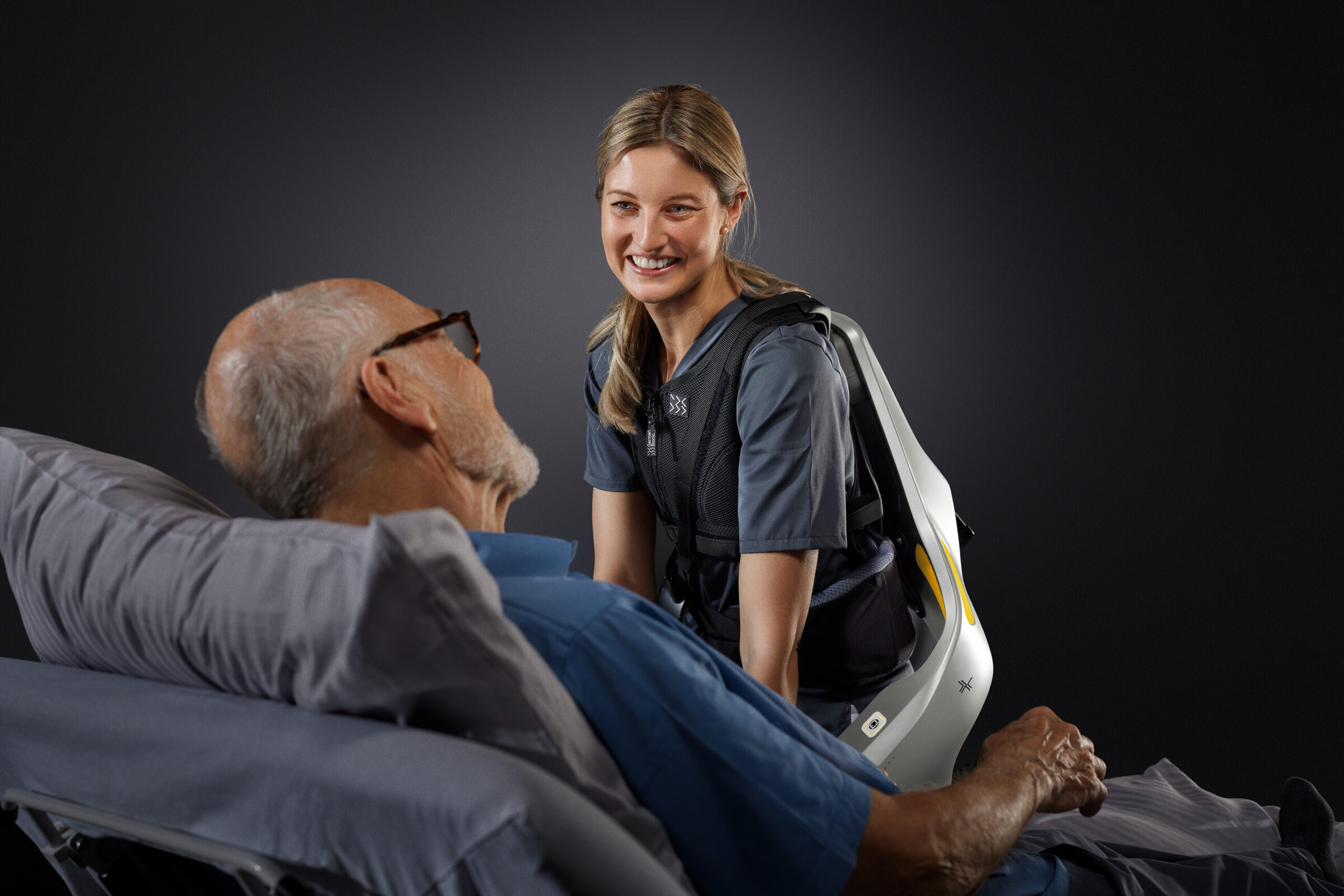
German Bionic launches Apogee+ exoskeleton helping nurses and others to  lift and move patients with greater ease - NotebookCheck.net News

For example, ReWalk Robotics, a company focused on creating exoskeletons for people with spinal cord injuries, has developed a system that allows users to stand up, walk, and even climb stairs. These exoskeletons are being used in rehabilitation centers to help patients with neurological disorders and injuries regain mobility.

Industrial Applications: Enhancing Worker Efficiency and Safety

In industries like manufacturing, construction, and logistics, workers are often required to perform repetitive, strenuous tasks that can lead to injury over time. Heavy lifting, for instance, can strain the back and cause long-term musculoskeletal issues. To combat this, companies have started to experiment with industrial exoskeletons.

The EksoVest is one such device, designed to help workers lift overhead objects more easily. By distributing the weight across the body, it reduces strain on the arms, shoulders, and back. Companies like Ford and Volkswagen have already begun using exoskeletons in their production lines to improve safety and efficiency.

Military Applications: Enhancing Combat Capabilities

The military is another area where exoskeletons could change the game. Soldiers are often tasked with carrying heavy equipment over long distances, which can lead to exhaustion and injuries. Exoskeletons designed for military use aim to reduce the physical strain of carrying weight, enabling soldiers to carry more without tiring.

One notable example is the HULC (Human Universal Load Carrier) exoskeleton developed by Lockheed Martin. It allows users to carry up to 200 pounds without putting undue stress on their body, thus enhancing endurance and efficiency in combat situations.


Why Bionic Exoskeletons Could Transform Everyday Life

Increasing Mobility and Independence

One of the primary goals of exoskeletons, particularly in the medical field, is to restore mobility to those who have lost it. Imagine someone who has been in a wheelchair for years standing up for the first time. It’s not just a matter of physical movement but psychological empowerment. The ability to walk again could change how people view their potential and capabilities, offering a sense of independence that many thought was lost forever.

Reducing Workplace Injuries

Another compelling reason for integrating exoskeletons into daily life is their potential to reduce workplace injuries. In industries where repetitive strain and physical fatigue are common, exoskeletons can play a crucial role in keeping workers safe. Workers in warehouses, for example, could wear exoskeletons that help prevent back injuries from lifting heavy objects or repetitive motions from standing or sitting for long periods.

Assisting Elderly Populations

As the global population ages, the need for technologies that can help the elderly remain independent becomes more urgent. Exoskeletons could assist in mobility for those with reduced muscle strength or balance issues. By providing support for walking, standing, or even sitting, exoskeletons could help elderly people maintain their autonomy longer, improving quality of life and reducing the risk of falls or injury.

Enhancing Everyday Productivity

In the consumer space, exoskeletons could eventually be designed to assist people in performing everyday tasks. Think of people with physical limitations, whether from age, injury, or other conditions, who could benefit from additional strength. Grocery shopping, carrying heavy objects, or even gardening could become easier for a wider range of people.


The Challenges We Face

Cost and Accessibility

While the promise of bionic exoskeletons is exciting, their current cost remains a significant hurdle. The technology is complex, and developing exoskeletons that are both effective and affordable is no easy task. Current exoskeletons can cost tens of thousands of dollars, which makes them inaccessible to the average consumer, and even to many medical patients who could benefit from them.
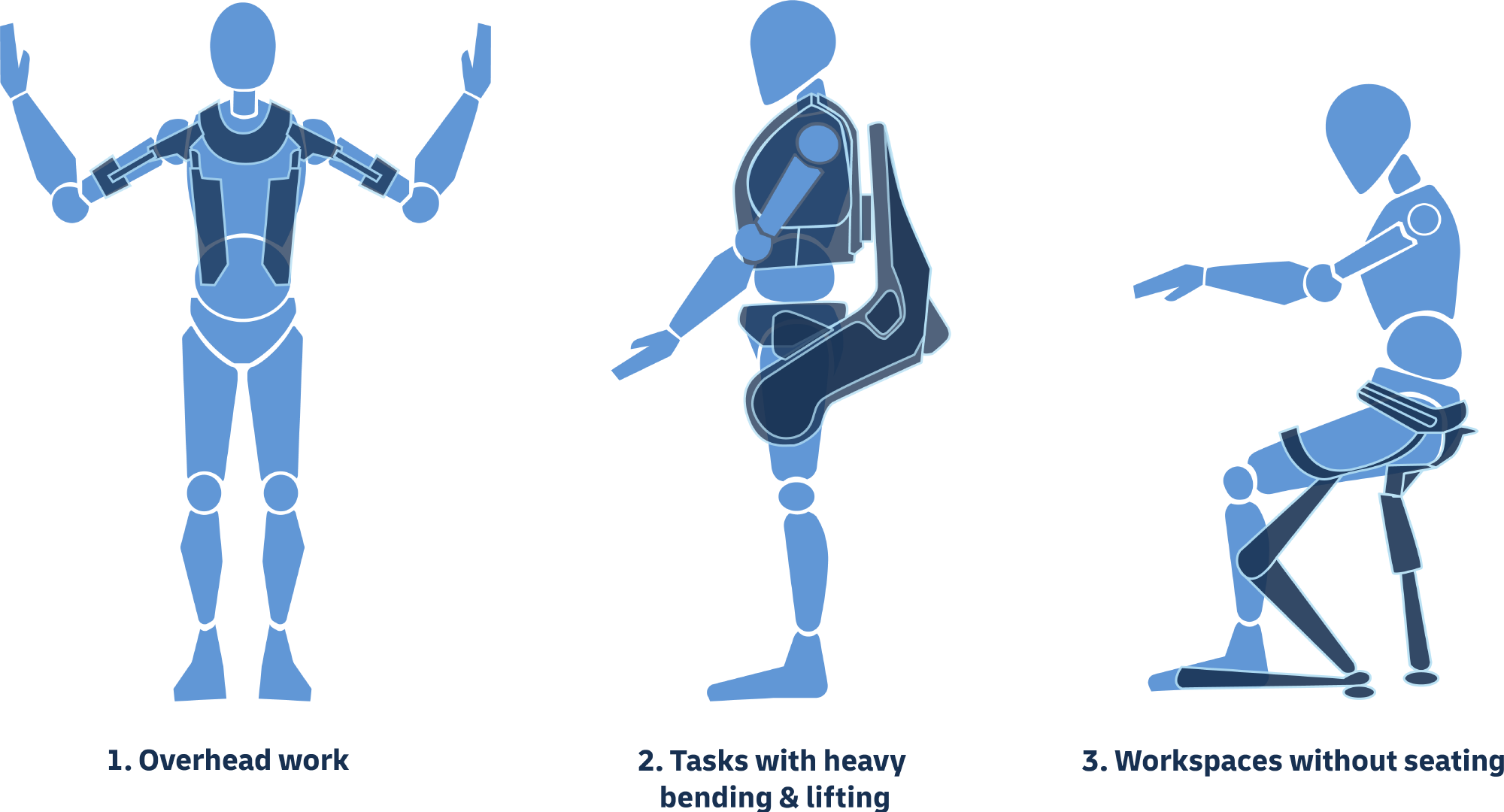
Exoskeletons - DHL - United States of America

Comfort and Usability

Exoskeletons are still relatively bulky, which can make them uncomfortable to wear for extended periods. For industrial or military use, this might not be as much of an issue, but for daily personal use, comfort is key. Improvements in materials, design, and ease of use are necessary before exoskeletons can be fully integrated into everyday life.

Safety Concerns

Exoskeletons must be designed to be safe and reliable. A malfunctioning or poorly fitted exoskeleton could lead to injury or even exacerbate existing physical problems. As the technology evolves, manufacturers will need to ensure that safety protocols and rigorous testing are in place to prevent accidents.

Social and Ethical Implications

The widespread use of exoskeletons brings with it various social and ethical considerations. For example, if exoskeletons become more commonplace, what impact will that have on job markets? Could these technologies replace manual labor, or will they lead to new kinds of employment? And from a societal perspective, how might exoskeletons impact people’s relationships with their bodies, especially for those using them to overcome physical disabilities?


The Future of Bionic Exoskeletons

Research and Innovation

The future of bionic exoskeletons looks promising. Researchers are exploring new materials, such as lightweight alloys and advanced polymers, that could make exoskeletons lighter and more comfortable. Additionally, as artificial intelligence (AI) and machine learning continue to evolve, exoskeletons will become more intuitive and responsive to the user’s needs.

Integration into Everyday Life

As technology advances, it’s possible that exoskeletons will move from the realm of specialized medical or industrial devices to something more integrated into daily life. Imagine a world where people of all ages and abilities can use exoskeletons to improve their physical performance, whether for personal health or simply to carry out daily tasks.

A New Era of Human Enhancement

Looking further into the future, exoskeletons may become part of a broader trend toward human enhancement. This could include not just physical augmentation but cognitive enhancements as well, as the fields of neurotechnology and robotics continue to merge. In this new era, the line between biology and technology could blur, creating new opportunities for human potential.


Conclusion

The development of bionic exoskeletons marks a fascinating milestone in the evolution of human capabilities. While we may not be ready for mass adoption today, the foundation has been laid. With continued advancements in technology, cost reduction, and improved design, exoskeletons could soon be integrated into various facets of daily life, from the workplace to the home.

As with any technological revolution, there are challenges to overcome, particularly in terms of accessibility, safety, and social implications. But with the potential to enhance mobility, reduce injuries, and empower those with physical limitations, bionic exoskeletons could change the way we live, work, and move in profound ways.


Tags: BioengineeringHealthcareHuman EnhancementRobotics
ShareTweetShare

Related Posts

Bionics: The Key to Human Immortality?
Bionics

Bionics: The Key to Human Immortality?

December 2, 2025
Bionic Organs: Can They Save Lives or Create New Ethical Dilemmas?
Bionics

Bionic Organs: Can They Save Lives or Create New Ethical Dilemmas?

December 1, 2025
The Future of Prosthetics: Is It Fully Bionic?
Bionics

The Future of Prosthetics: Is It Fully Bionic?

November 30, 2025
What Happens When Bionics Merge with Artificial Intelligence?
Bionics

What Happens When Bionics Merge with Artificial Intelligence?

November 29, 2025
Bionic Enhancements: Could They Improve Our Cognitive Abilities?
Bionics

Bionic Enhancements: Could They Improve Our Cognitive Abilities?

November 28, 2025
How Far Can Bionic Eyes Take Us Beyond Human Vision?
Bionics

How Far Can Bionic Eyes Take Us Beyond Human Vision?

November 27, 2025
Leave Comment
  • Trending
  • Comments
  • Latest
Can Sustainability Drive Profits in Competitive Markets?

Can Sustainability Drive Profits in Competitive Markets?

October 17, 2025
Can the Spotlight Make or Break Your Career?

Can the Spotlight Make or Break Your Career?

October 14, 2025
Does the Spotlight Always Equal Success?

Does the Spotlight Always Equal Success?

October 16, 2025
Can the Spotlight Truly Capture the Essence of a Person?

Can the Spotlight Truly Capture the Essence of a Person?

October 16, 2025
Can Bionics Redefine Human Limitations?

Can Bionics Redefine Human Limitations?

Is Bionics the Future of Prosthetics?

Is Bionics the Future of Prosthetics?

Can We Truly Integrate Technology with Biology?

Can We Truly Integrate Technology with Biology?

How Close Are We to Creating Bionic Organs?

How Close Are We to Creating Bionic Organs?

How Can Spotlights Elevate Your Interior Design Game?

How Can Spotlights Elevate Your Interior Design Game?

December 2, 2025
Will We Ever Live on Mars? And Should We?

Will We Ever Live on Mars? And Should We?

December 2, 2025
Bionics: The Key to Human Immortality?

Bionics: The Key to Human Immortality?

December 2, 2025
How Can Data Privacy be Maintained in a Hyperconnected World?

How Can Data Privacy be Maintained in a Hyperconnected World?

December 2, 2025
CyberGait

Our content caters to engineers, researchers, and tech enthusiasts alike. Through focused articles on algorithms, biomimicry, and industry trends, we provide a comprehensive perspective on the future of movement, from laboratory breakthroughs to commercial products.

© 2025 cybergait.com. contacts:[email protected]

No Result
View All Result
  • Home
  • Bionics
  • Breakthroughs
  • Industry
  • Robotics
  • Spotlight

© 2025 cybergait.com. contacts:[email protected]

Welcome Back!

Login to your account below

Forgotten Password?

Retrieve your password

Please enter your username or email address to reset your password.

Log In