













CyberGait
  • Home
  • Bionics
    Bionics: The Key to Human Immortality?

    Bionics: The Key to Human Immortality?

    Bionic Organs: Can They Save Lives or Create New Ethical Dilemmas?

    Bionic Organs: Can They Save Lives or Create New Ethical Dilemmas?

    The Future of Prosthetics: Is It Fully Bionic?

    The Future of Prosthetics: Is It Fully Bionic?

    What Happens When Bionics Merge with Artificial Intelligence?

    What Happens When Bionics Merge with Artificial Intelligence?

    Bionic Enhancements: Could They Improve Our Cognitive Abilities?

    Bionic Enhancements: Could They Improve Our Cognitive Abilities?

    How Far Can Bionic Eyes Take Us Beyond Human Vision?

    How Far Can Bionic Eyes Take Us Beyond Human Vision?

  • Breakthroughs
    Will We Ever Live on Mars? And Should We?

    Will We Ever Live on Mars? And Should We?

    Are We on the Brink of a Green Energy Revolution?

    Are We on the Brink of a Green Energy Revolution?

    Can Mind-Controlled Technology Revolutionize Communication?

    Can Mind-Controlled Technology Revolutionize Communication?

    What If We Could 3D Print Human Organs?

    What If We Could 3D Print Human Organs?

    Can Autonomous Vehicles Surpass Human Drivers in Safety?

    Can Autonomous Vehicles Surpass Human Drivers in Safety?

    Genomic Editing the Key to Immortality?

    Genomic Editing the Key to Immortality?

  • Industry
    How Can Data Privacy be Maintained in a Hyperconnected World?

    How Can Data Privacy be Maintained in a Hyperconnected World?

    Is the Gig Economy the Future of Employment?

    Is the Gig Economy the Future of Employment?

    Can Startups Compete with Corporate Giants in Innovation?

    Can Startups Compete with Corporate Giants in Innovation?

    The Future of Work: Truly Remote or Hybrid?

    The Future of Work: Truly Remote or Hybrid?

    How Does Blockchain Impact Global Supply Chains?

    How Does Blockchain Impact Global Supply Chains?

    Are We Overestimating the Power of Automation?

    Are We Overestimating the Power of Automation?

  • Robotics
    Can Robots Adapt to Unpredictable Real-World Environments?

    Can Robots Adapt to Unpredictable Real-World Environments?

    Will Robots Achieve True Autonomy or Always Need Human Oversight?

    Will Robots Achieve True Autonomy or Always Need Human Oversight?

    What Happens When Robots Start Designing Robots?

    What Happens When Robots Start Designing Robots?

    Are We Ready for Robots to Shape Our Creative Industries?

    Are We Ready for Robots to Shape Our Creative Industries?

    Could Robots One Day Replace Human Emotions in Caregiving?

    Could Robots One Day Replace Human Emotions in Caregiving?

    How Do We Ensure Robot Ethics in Autonomous Machines?

    How Do We Ensure Robot Ethics in Autonomous Machines?

  • Spotlight
    How Can Spotlights Elevate Your Interior Design Game?

    How Can Spotlights Elevate Your Interior Design Game?

    What Happens When You Use a Spotlight for Intimate Portraits?

    What Happens When You Use a Spotlight for Intimate Portraits?

    Why Do Spotlight Effects Matter in Cinematic Storytelling?

    Why Do Spotlight Effects Matter in Cinematic Storytelling?

    Could Spotlighting Be the Key to Perfect Product Photography?

    Could Spotlighting Be the Key to Perfect Product Photography?

    Spotlight Technology Changing the Future of Stage Design

    Spotlight Technology Changing the Future of Stage Design

    How Do Different Spotlights Affect Mood and Atmosphere?

    How Do Different Spotlights Affect Mood and Atmosphere?

CyberGait
  • Home
  • Bionics
    Bionics: The Key to Human Immortality?

    Bionics: The Key to Human Immortality?

    Bionic Organs: Can They Save Lives or Create New Ethical Dilemmas?

    Bionic Organs: Can They Save Lives or Create New Ethical Dilemmas?

    The Future of Prosthetics: Is It Fully Bionic?

    The Future of Prosthetics: Is It Fully Bionic?

    What Happens When Bionics Merge with Artificial Intelligence?

    What Happens When Bionics Merge with Artificial Intelligence?

    Bionic Enhancements: Could They Improve Our Cognitive Abilities?

    Bionic Enhancements: Could They Improve Our Cognitive Abilities?

    How Far Can Bionic Eyes Take Us Beyond Human Vision?

    How Far Can Bionic Eyes Take Us Beyond Human Vision?

  • Breakthroughs
    Will We Ever Live on Mars? And Should We?

    Will We Ever Live on Mars? And Should We?

    Are We on the Brink of a Green Energy Revolution?

    Are We on the Brink of a Green Energy Revolution?

    Can Mind-Controlled Technology Revolutionize Communication?

    Can Mind-Controlled Technology Revolutionize Communication?

    What If We Could 3D Print Human Organs?

    What If We Could 3D Print Human Organs?

    Can Autonomous Vehicles Surpass Human Drivers in Safety?

    Can Autonomous Vehicles Surpass Human Drivers in Safety?

    Genomic Editing the Key to Immortality?

    Genomic Editing the Key to Immortality?

  • Industry
    How Can Data Privacy be Maintained in a Hyperconnected World?

    How Can Data Privacy be Maintained in a Hyperconnected World?

    Is the Gig Economy the Future of Employment?

    Is the Gig Economy the Future of Employment?

    Can Startups Compete with Corporate Giants in Innovation?

    Can Startups Compete with Corporate Giants in Innovation?

    The Future of Work: Truly Remote or Hybrid?

    The Future of Work: Truly Remote or Hybrid?

    How Does Blockchain Impact Global Supply Chains?

    How Does Blockchain Impact Global Supply Chains?

    Are We Overestimating the Power of Automation?

    Are We Overestimating the Power of Automation?

  • Robotics
    Can Robots Adapt to Unpredictable Real-World Environments?

    Can Robots Adapt to Unpredictable Real-World Environments?

    Will Robots Achieve True Autonomy or Always Need Human Oversight?

    Will Robots Achieve True Autonomy or Always Need Human Oversight?

    What Happens When Robots Start Designing Robots?

    What Happens When Robots Start Designing Robots?

    Are We Ready for Robots to Shape Our Creative Industries?

    Are We Ready for Robots to Shape Our Creative Industries?

    Could Robots One Day Replace Human Emotions in Caregiving?

    Could Robots One Day Replace Human Emotions in Caregiving?

    How Do We Ensure Robot Ethics in Autonomous Machines?

    How Do We Ensure Robot Ethics in Autonomous Machines?

  • Spotlight
    How Can Spotlights Elevate Your Interior Design Game?

    How Can Spotlights Elevate Your Interior Design Game?

    What Happens When You Use a Spotlight for Intimate Portraits?

    What Happens When You Use a Spotlight for Intimate Portraits?

    Why Do Spotlight Effects Matter in Cinematic Storytelling?

    Why Do Spotlight Effects Matter in Cinematic Storytelling?

    Could Spotlighting Be the Key to Perfect Product Photography?

    Could Spotlighting Be the Key to Perfect Product Photography?

    Spotlight Technology Changing the Future of Stage Design

    Spotlight Technology Changing the Future of Stage Design

    How Do Different Spotlights Affect Mood and Atmosphere?

    How Do Different Spotlights Affect Mood and Atmosphere?

CyberGait
No Result
View All Result
Home Bionics

Can Bionics Restore Memory in the Brain?

October 16, 2025
in Bionics
Can Bionics Restore Memory in the Brain?

Introduction: A Journey into the Mind

Memory—our gateway to the past, our foundation for learning, and our connection to the present. It is what shapes our identity and helps us navigate the world. But what happens when memory falters, when the neural circuits that hold our recollections begin to malfunction? This is the dilemma faced by millions worldwide, from those with Alzheimer’s disease to those suffering from traumatic brain injuries.

Enter bionics—the marriage of biology and technology. For decades, bionic devices have been used to restore lost functionality in the body, such as prosthetic limbs or cochlear implants. But could bionics take a leap into the brain itself and restore lost memories? This article explores the potential, challenges, and cutting-edge research surrounding the use of bionics to restore memory.


The Human Brain: The Origin of Memory

Memory is a complex process involving multiple areas of the brain, particularly the hippocampus, cortex, and amygdala. It can be divided into different types:

  • Short-term memory: Temporary storage for immediate use.
  • Long-term memory: More permanent storage of information over time.
  • Working memory: The ability to hold and manipulate information actively in the mind.

When a person experiences memory loss, it often points to issues within these regions. Neurodegenerative diseases like Alzheimer’s or Parkinson’s can damage these areas, making it difficult to retain or recall information.

The question then becomes: can modern science intervene in this process? Can it mimic or replace the intricate workings of the brain?

Tomorrow Bio 4.0

Bionics: A New Frontier

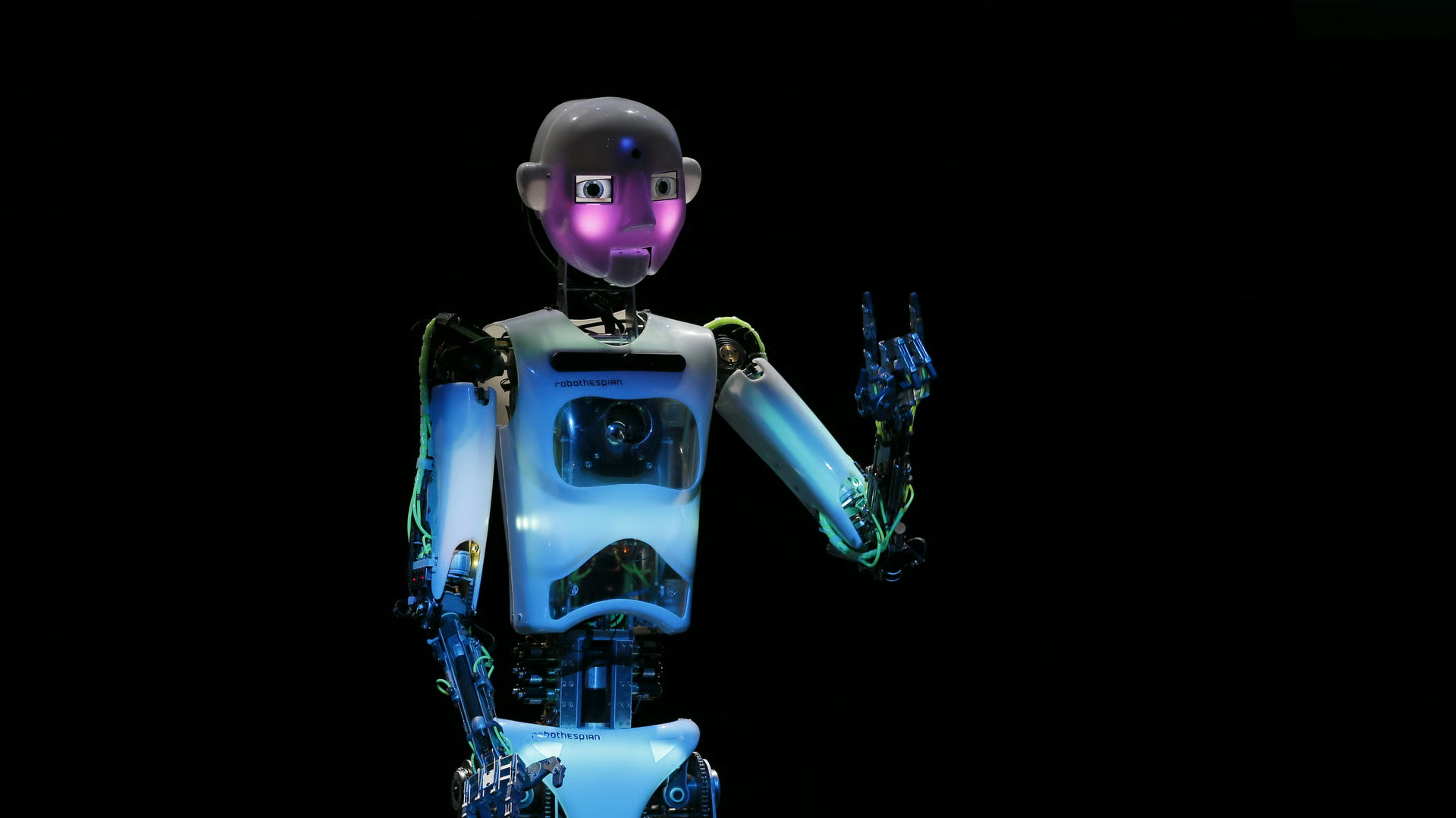
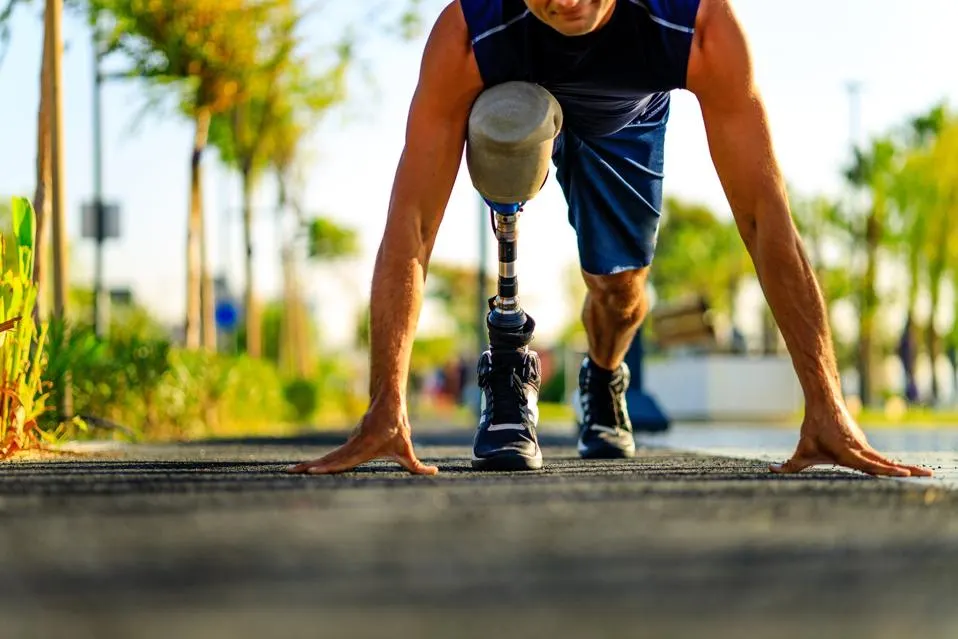
Bionics, traditionally associated with prosthetics and implants, involves the integration of electronic devices with biological systems. The ultimate aim is to replace lost function or enhance the body’s natural abilities. In the case of memory, bionic solutions may come in the form of brain-machine interfaces (BMIs), neural implants, or even neuroprosthetics.

Brain-Computer Interfaces (BCIs): These devices create a direct communication link between the brain and external systems. Already used in applications like controlling robotic limbs or allowing paralyzed individuals to communicate, BCIs hold immense potential for restoring memory.

Neural Implants: These are devices implanted into the brain to stimulate or record electrical activity in neural circuits. The idea is to mimic or even enhance the natural processes that happen in memory formation and recall.

Neuroprosthetics: These devices function similarly to prosthetic limbs, but they are designed to interact with neural systems to restore specific cognitive functions, like memory.

While these technologies are still in their infancy, they hold the promise of revolutionizing how we understand and treat memory disorders.


Can Bionics Help Restore Memory?

The brain’s memory processes are notoriously complex. Despite extensive research, scientists are still unlocking the exact mechanisms behind memory formation, storage, and retrieval. However, there are several promising areas where bionics might step in to help:

1. Restoring Neural Activity in Damaged Areas

One of the main challenges in memory loss is that the neurons responsible for encoding memories may no longer function as they should. Whether due to aging, trauma, or disease, these neurons can become less efficient or completely die off. Bionic solutions could help by stimulating these neurons, either by mimicking natural neural activity or bypassing damaged areas entirely.

In fact, some researchers have experimented with using electrical stimulation to “jumpstart” parts of the brain associated with memory. For example, the hippocampus, which plays a crucial role in forming new memories, has been targeted with electrical impulses in animal models with promising results. These impulses could potentially “remind” the brain of how to store and recall information more effectively.

2. Artificial Memory Prosthetics

The concept of an artificial memory prosthesis sounds like science fiction, but researchers are making strides toward developing devices that could function as a memory replacement. These devices would not “upload” information directly into the brain but could instead enhance or substitute for damaged memory circuits. By using advanced neural decoding techniques, scientists could interpret brain activity and stimulate specific regions to restore lost memories.

In one experiment, scientists at the University of California, Los Angeles (UCLA) used an implant to stimulate the hippocampus of rats to improve their ability to remember previously learned tasks. This work, while still preliminary, shows that memory could be “restored” with the right electrical signals.

3. Restoring the Brain’s Ability to Form New Memories

One of the most exciting applications of bionic technology in memory restoration is the potential to help the brain form new memories, even after significant damage. Some diseases, such as Alzheimer’s, impair the brain’s ability to encode new information, even if older memories remain intact. Through devices like neural interfaces and implants, researchers hope to help the brain bypass damaged pathways and rewire itself to form new memories.

A recent study at the University of Southern California used a technique known as transcranial direct current stimulation (tDCS) to enhance the brain’s ability to learn and remember. While this method isn’t a direct restoration of lost memories, it does offer hope for improving memory function and cognitive performance in patients with mild cognitive impairments.

4. Mimicking the Brain’s Natural Patterns

Another exciting avenue of research involves the development of neuromorphic computing, which aims to replicate the brain’s natural neural networks with silicon chips. These chips would not only allow for faster processing of memory but could also be used to improve the efficiency of neural circuits involved in memory formation.

Imagine a bionic system capable of recognizing the brain’s unique patterns of memory encoding and amplifying those signals in real time. While we’re not there yet, advances in neuromorphic engineering could eventually lead to the development of memory enhancement devices that work in harmony with the brain’s natural processes.


Challenges and Ethical Considerations

Despite the enormous potential of bionics to restore memory, several hurdles remain—both technical and ethical.

The Future of Brain Implants - WSJ

1. Understanding Memory Mechanisms

As mentioned earlier, memory is a highly complex process. The brain’s ability to form, store, and recall memories depends on intricate interactions between neurons, synapses, and brain regions. While we’ve made significant strides in understanding these processes, we still have a long way to go before we can reliably replicate them with technology.

2. Safety and Long-term Effects

Bionic devices that interact directly with the brain carry risks. Implanting devices in the brain is a delicate procedure, and there are concerns about potential side effects, such as infection, inflammation, or rejection of the implant. Long-term effects of brain stimulation are also not well understood, and more research is needed to ensure the safety of these technologies.

3. Ethical Concerns

As with any new technology, bionic memory restoration raises ethical questions. If we can restore memories or even enhance cognitive function, who has access to these technologies? Could there be unintended consequences, such as the creation of a divide between those who can afford brain enhancements and those who cannot? Additionally, what does it mean to “alter” someone’s memories or cognitive abilities—could that lead to identity or personality changes?

4. Privacy Concerns

Neural interfaces could potentially allow external parties to access a person’s memories or thoughts. This introduces a host of privacy issues, including the potential for misuse or exploitation of sensitive information. As technology advances, it will be crucial to develop stringent safeguards to protect the privacy of individuals undergoing such treatments.


The Road Ahead: What the Future Holds

The future of memory restoration through bionics is undeniably exciting. While we are still in the early stages, the potential benefits of these technologies are immense. Whether it’s restoring lost memories, improving cognitive function, or offering a new lease on life to individuals suffering from neurodegenerative diseases, bionics could redefine the way we approach brain health.

As research continues, we can expect to see even more breakthroughs in memory restoration and enhancement. The key to success will be developing technologies that can work harmoniously with the brain’s natural processes, ensuring safety, efficacy, and long-term sustainability.


Conclusion: A New Era of Brain Health

In the realm of medical science, the dream of restoring lost memories with bionic technology may one day be realized. While there are many hurdles to overcome, the work being done today is laying the foundation for a future where individuals with memory loss or cognitive decline may have hope for recovery. The brain is the most complex organ in the body, and bionics may be the key to unlocking its full potential, paving the way for a new era of brain health and cognitive restoration.


Tags: BioengineeringHealthcareHuman EnhancementRobotics
ShareTweetShare

Related Posts

Bionics: The Key to Human Immortality?
Bionics

Bionics: The Key to Human Immortality?

December 2, 2025
Bionic Organs: Can They Save Lives or Create New Ethical Dilemmas?
Bionics

Bionic Organs: Can They Save Lives or Create New Ethical Dilemmas?

December 1, 2025
The Future of Prosthetics: Is It Fully Bionic?
Bionics

The Future of Prosthetics: Is It Fully Bionic?

November 30, 2025
What Happens When Bionics Merge with Artificial Intelligence?
Bionics

What Happens When Bionics Merge with Artificial Intelligence?

November 29, 2025
Bionic Enhancements: Could They Improve Our Cognitive Abilities?
Bionics

Bionic Enhancements: Could They Improve Our Cognitive Abilities?

November 28, 2025
How Far Can Bionic Eyes Take Us Beyond Human Vision?
Bionics

How Far Can Bionic Eyes Take Us Beyond Human Vision?

November 27, 2025
Leave Comment
  • Trending
  • Comments
  • Latest
Can Sustainability Drive Profits in Competitive Markets?

Can Sustainability Drive Profits in Competitive Markets?

October 17, 2025
Can the Spotlight Make or Break Your Career?

Can the Spotlight Make or Break Your Career?

October 14, 2025
Does the Spotlight Always Equal Success?

Does the Spotlight Always Equal Success?

October 16, 2025
Can the Spotlight Truly Capture the Essence of a Person?

Can the Spotlight Truly Capture the Essence of a Person?

October 16, 2025
Can Bionics Redefine Human Limitations?

Can Bionics Redefine Human Limitations?

Is Bionics the Future of Prosthetics?

Is Bionics the Future of Prosthetics?

Can We Truly Integrate Technology with Biology?

Can We Truly Integrate Technology with Biology?

How Close Are We to Creating Bionic Organs?

How Close Are We to Creating Bionic Organs?

How Can Spotlights Elevate Your Interior Design Game?

How Can Spotlights Elevate Your Interior Design Game?

December 2, 2025
Will We Ever Live on Mars? And Should We?

Will We Ever Live on Mars? And Should We?

December 2, 2025
Bionics: The Key to Human Immortality?

Bionics: The Key to Human Immortality?

December 2, 2025
How Can Data Privacy be Maintained in a Hyperconnected World?

How Can Data Privacy be Maintained in a Hyperconnected World?

December 2, 2025
CyberGait

Our content caters to engineers, researchers, and tech enthusiasts alike. Through focused articles on algorithms, biomimicry, and industry trends, we provide a comprehensive perspective on the future of movement, from laboratory breakthroughs to commercial products.

© 2025 cybergait.com. contacts:[email protected]

No Result
View All Result
  • Home
  • Bionics
  • Breakthroughs
  • Industry
  • Robotics
  • Spotlight

© 2025 cybergait.com. contacts:[email protected]

Welcome Back!

Login to your account below

Forgotten Password?

Retrieve your password

Please enter your username or email address to reset your password.

Log In