


















CyberGait
  • Home
  • Bionics
    Bionics: The Key to Human Immortality?

    Bionics: The Key to Human Immortality?

    Bionic Organs: Can They Save Lives or Create New Ethical Dilemmas?

    Bionic Organs: Can They Save Lives or Create New Ethical Dilemmas?

    The Future of Prosthetics: Is It Fully Bionic?

    The Future of Prosthetics: Is It Fully Bionic?

    What Happens When Bionics Merge with Artificial Intelligence?

    What Happens When Bionics Merge with Artificial Intelligence?

    Bionic Enhancements: Could They Improve Our Cognitive Abilities?

    Bionic Enhancements: Could They Improve Our Cognitive Abilities?

    How Far Can Bionic Eyes Take Us Beyond Human Vision?

    How Far Can Bionic Eyes Take Us Beyond Human Vision?

  • Breakthroughs
    Will We Ever Live on Mars? And Should We?

    Will We Ever Live on Mars? And Should We?

    Are We on the Brink of a Green Energy Revolution?

    Are We on the Brink of a Green Energy Revolution?

    Can Mind-Controlled Technology Revolutionize Communication?

    Can Mind-Controlled Technology Revolutionize Communication?

    What If We Could 3D Print Human Organs?

    What If We Could 3D Print Human Organs?

    Can Autonomous Vehicles Surpass Human Drivers in Safety?

    Can Autonomous Vehicles Surpass Human Drivers in Safety?

    Genomic Editing the Key to Immortality?

    Genomic Editing the Key to Immortality?

  • Industry
    How Can Data Privacy be Maintained in a Hyperconnected World?

    How Can Data Privacy be Maintained in a Hyperconnected World?

    Is the Gig Economy the Future of Employment?

    Is the Gig Economy the Future of Employment?

    Can Startups Compete with Corporate Giants in Innovation?

    Can Startups Compete with Corporate Giants in Innovation?

    The Future of Work: Truly Remote or Hybrid?

    The Future of Work: Truly Remote or Hybrid?

    How Does Blockchain Impact Global Supply Chains?

    How Does Blockchain Impact Global Supply Chains?

    Are We Overestimating the Power of Automation?

    Are We Overestimating the Power of Automation?

  • Robotics
    Can Robots Adapt to Unpredictable Real-World Environments?

    Can Robots Adapt to Unpredictable Real-World Environments?

    Will Robots Achieve True Autonomy or Always Need Human Oversight?

    Will Robots Achieve True Autonomy or Always Need Human Oversight?

    What Happens When Robots Start Designing Robots?

    What Happens When Robots Start Designing Robots?

    Are We Ready for Robots to Shape Our Creative Industries?

    Are We Ready for Robots to Shape Our Creative Industries?

    Could Robots One Day Replace Human Emotions in Caregiving?

    Could Robots One Day Replace Human Emotions in Caregiving?

    How Do We Ensure Robot Ethics in Autonomous Machines?

    How Do We Ensure Robot Ethics in Autonomous Machines?

  • Spotlight
    How Can Spotlights Elevate Your Interior Design Game?

    How Can Spotlights Elevate Your Interior Design Game?

    What Happens When You Use a Spotlight for Intimate Portraits?

    What Happens When You Use a Spotlight for Intimate Portraits?

    Why Do Spotlight Effects Matter in Cinematic Storytelling?

    Why Do Spotlight Effects Matter in Cinematic Storytelling?

    Could Spotlighting Be the Key to Perfect Product Photography?

    Could Spotlighting Be the Key to Perfect Product Photography?

    Spotlight Technology Changing the Future of Stage Design

    Spotlight Technology Changing the Future of Stage Design

    How Do Different Spotlights Affect Mood and Atmosphere?

    How Do Different Spotlights Affect Mood and Atmosphere?

CyberGait
  • Home
  • Bionics
    Bionics: The Key to Human Immortality?

    Bionics: The Key to Human Immortality?

    Bionic Organs: Can They Save Lives or Create New Ethical Dilemmas?

    Bionic Organs: Can They Save Lives or Create New Ethical Dilemmas?

    The Future of Prosthetics: Is It Fully Bionic?

    The Future of Prosthetics: Is It Fully Bionic?

    What Happens When Bionics Merge with Artificial Intelligence?

    What Happens When Bionics Merge with Artificial Intelligence?

    Bionic Enhancements: Could They Improve Our Cognitive Abilities?

    Bionic Enhancements: Could They Improve Our Cognitive Abilities?

    How Far Can Bionic Eyes Take Us Beyond Human Vision?

    How Far Can Bionic Eyes Take Us Beyond Human Vision?

  • Breakthroughs
    Will We Ever Live on Mars? And Should We?

    Will We Ever Live on Mars? And Should We?

    Are We on the Brink of a Green Energy Revolution?

    Are We on the Brink of a Green Energy Revolution?

    Can Mind-Controlled Technology Revolutionize Communication?

    Can Mind-Controlled Technology Revolutionize Communication?

    What If We Could 3D Print Human Organs?

    What If We Could 3D Print Human Organs?

    Can Autonomous Vehicles Surpass Human Drivers in Safety?

    Can Autonomous Vehicles Surpass Human Drivers in Safety?

    Genomic Editing the Key to Immortality?

    Genomic Editing the Key to Immortality?

  • Industry
    How Can Data Privacy be Maintained in a Hyperconnected World?

    How Can Data Privacy be Maintained in a Hyperconnected World?

    Is the Gig Economy the Future of Employment?

    Is the Gig Economy the Future of Employment?

    Can Startups Compete with Corporate Giants in Innovation?

    Can Startups Compete with Corporate Giants in Innovation?

    The Future of Work: Truly Remote or Hybrid?

    The Future of Work: Truly Remote or Hybrid?

    How Does Blockchain Impact Global Supply Chains?

    How Does Blockchain Impact Global Supply Chains?

    Are We Overestimating the Power of Automation?

    Are We Overestimating the Power of Automation?

  • Robotics
    Can Robots Adapt to Unpredictable Real-World Environments?

    Can Robots Adapt to Unpredictable Real-World Environments?

    Will Robots Achieve True Autonomy or Always Need Human Oversight?

    Will Robots Achieve True Autonomy or Always Need Human Oversight?

    What Happens When Robots Start Designing Robots?

    What Happens When Robots Start Designing Robots?

    Are We Ready for Robots to Shape Our Creative Industries?

    Are We Ready for Robots to Shape Our Creative Industries?

    Could Robots One Day Replace Human Emotions in Caregiving?

    Could Robots One Day Replace Human Emotions in Caregiving?

    How Do We Ensure Robot Ethics in Autonomous Machines?

    How Do We Ensure Robot Ethics in Autonomous Machines?

  • Spotlight
    How Can Spotlights Elevate Your Interior Design Game?

    How Can Spotlights Elevate Your Interior Design Game?

    What Happens When You Use a Spotlight for Intimate Portraits?

    What Happens When You Use a Spotlight for Intimate Portraits?

    Why Do Spotlight Effects Matter in Cinematic Storytelling?

    Why Do Spotlight Effects Matter in Cinematic Storytelling?

    Could Spotlighting Be the Key to Perfect Product Photography?

    Could Spotlighting Be the Key to Perfect Product Photography?

    Spotlight Technology Changing the Future of Stage Design

    Spotlight Technology Changing the Future of Stage Design

    How Do Different Spotlights Affect Mood and Atmosphere?

    How Do Different Spotlights Affect Mood and Atmosphere?

CyberGait
No Result
View All Result
Home Robotics

What If Robots Could Learn Like Humans?

October 15, 2025
in Robotics
What If Robots Could Learn Like Humans?

In the vast landscape of artificial intelligence, one of the most intriguing possibilities is the notion of robots learning like humans. The idea of machines evolving their intelligence in a manner similar to human cognitive development presents an exciting frontier, both for the realms of science fiction and cutting-edge technology. But what would happen if robots could learn like humans? How would they perceive the world? How would they interact with us and each other?

In this exploration, we will delve into the implications of such a scenario, combining insights from neuroscience, robotics, machine learning, and the philosophy of mind. We’ll also consider how this would transform the future of technology, society, and even humanity itself.


1. Understanding Human Learning

Before we can imagine robots learning like humans, we need to first understand how humans learn. Human learning is a dynamic, multi-faceted process involving various systems in the brain. From the moment we are born, we begin to absorb information from our surroundings, learning through sensory experiences, trial and error, social interactions, and even through the stories and knowledge passed down by those before us.

The process of learning can be broken down into several stages:

  • Perception: We gather information from the environment through our senses (sight, hearing, touch, etc.).
  • Memory: We store and retrieve learned information, shaping our experiences and knowledge.
  • Reasoning: We make decisions, solve problems, and form judgments based on past experiences.
  • Emotional Engagement: Emotions play a crucial role in human learning by motivating actions and decisions, helping us prioritize and react.
  • Adaptation: Humans are constantly adjusting to new information, modifying beliefs, and changing behaviors when necessary.

This human-like learning is driven by the complex neural networks in our brains, which can adapt, reorganize, and even “rewire” themselves. But can robots, typically governed by rigid programming or predefined algorithms, ever replicate such a dynamic process?
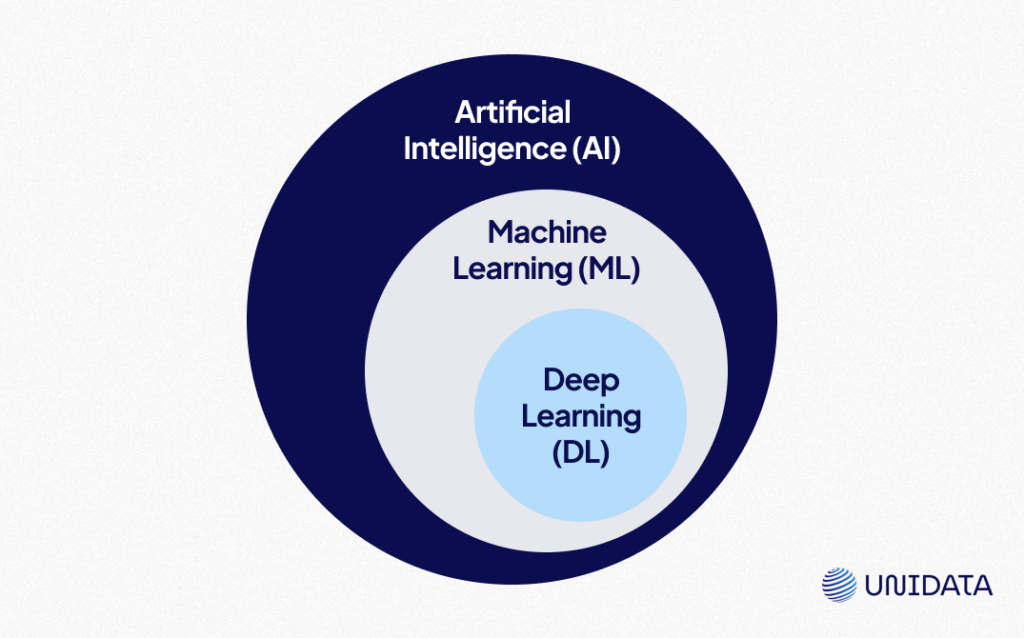
AI Model Training: Concepts, Techniques, and Best Practices - unidata.pro

2. The Current State of AI and Robotics

To understand how robots might learn like humans, we need to take stock of where current artificial intelligence (AI) and robotics stand. AI, today, predominantly functions in a way that mimics specific aspects of human learning, but it is still far from true general intelligence.

The most advanced machine learning models today are built on neural networks inspired by the human brain. Deep learning algorithms, for instance, attempt to replicate the way neurons fire and transmit signals. These networks allow machines to process vast amounts of data and make predictions, detect patterns, and even recognize objects in images with remarkable accuracy.

However, these systems are highly specialized. For example, an AI trained to identify cats in images cannot easily be re-purposed to play chess or converse in a natural language. This is a significant contrast to the flexibility of human learning, where once we grasp basic principles, we can apply them to virtually any new situation.


3. The Possibilities of Human-like Learning for Robots

If robots were to learn like humans, several key changes would need to occur in both the way robots are designed and how they interact with the world. This would require a shift from the current, static paradigms of machine learning to more flexible, adaptive systems capable of evolving over time.

3.1 Embodied Cognition: Learning Through Interaction

One important aspect of human learning is embodied cognition, which refers to the theory that our knowledge and understanding are shaped by our physical bodies and interactions with the environment. We don’t just process information passively; we learn through doing, feeling, and experiencing.

For robots, this could mean the integration of sensory and motor capabilities that allow them to interact with the world in a way similar to human learning. Imagine a robot that learns to manipulate objects by physically interacting with them, refining its techniques through trial and error. It would not simply be taught to follow a series of commands, but would develop its own strategies, improving its skills over time.

This type of learning is already being explored through the use of reinforcement learning, a method where an agent learns by interacting with its environment and receiving feedback in the form of rewards or penalties. However, for robots to truly learn like humans, this process would need to become far more sophisticated—combining intuition, emotion, and a sense of purpose.

3.2 Social Learning and Imitation

Humans learn a great deal from social interactions. We observe others, mimic their behaviors, and incorporate those observations into our own learning. If robots were to learn like humans, this aspect of social learning would be crucial. Robots would need to be able to observe human behaviors, understand intentions, and imitate actions in order to build their knowledge base.

For instance, a robot might observe a human cooking a meal. Through social learning, it would not only learn the steps involved in the task but also understand why certain steps are necessary, the purpose of different ingredients, and how to modify the recipe based on available resources. This ability to generalize and apply knowledge across various tasks is a critical aspect of human intelligence.

3.3 Emotional Intelligence and Motivation

Another key component of human learning is emotional intelligence. Humans learn through their emotions—they are motivated to seek rewards, avoid pain, and build connections with others. Emotional experiences often enhance memory, decision-making, and problem-solving abilities.

For robots to learn like humans, they would need some form of emotional processing. This could take the form of sophisticated algorithms that mimic emotional responses, allowing robots to prioritize tasks based on feelings of satisfaction, frustration, or curiosity. For example, a robot might learn to associate certain tasks with positive outcomes (such as receiving a “reward” when completing an action correctly), encouraging it to repeat the behavior. Conversely, it might learn to avoid tasks that lead to undesirable outcomes (e.g., malfunctioning or failing a task).

3.4 Generalization and Creativity

Humans are remarkable in their ability to generalize information and apply it in creative ways. A child who learns how to use a spoon to eat may one day use that same spoon as a tool to build a toy. Similarly, a robot that learns how to perform a specific task might be able to generalize that knowledge to completely new situations.

For a robot to learn like a human, it would need the ability to transfer knowledge from one domain to another, and even to be creative. This might involve rethinking how machines process information, from being narrow, specialized systems to more open-ended and flexible problem solvers capable of thinking outside the box.

Emotional Intelligence in Robots - Advancing Human-Robot Interactions - Awe  Robotics

4. The Implications for Society

The ability for robots to learn like humans would have profound implications for society, economy, and culture. Let’s explore some of the potential consequences.

4.1 Workforce and Economy

One of the most obvious changes would be the impact on the workforce. Robots capable of learning like humans could assume a broader range of roles, from highly specialized technical jobs to positions requiring emotional intelligence, such as caregiving or teaching.

This could lead to increased productivity, but also to disruption in employment. Jobs traditionally thought to be uniquely human, like creative roles or those requiring empathy, could be taken over by highly adaptable machines. While this could free up humans to focus on more abstract, high-level tasks, it could also lead to job displacement and the need for retraining workers.

4.2 Ethical Considerations

As robots become more human-like in their learning processes, ethical concerns will arise. If robots can learn, adapt, and even develop desires or emotions, should they be granted rights? Should they be held accountable for their actions? If a robot learns to experience pleasure or pain, would it be ethical to subject it to harmful conditions?

These questions challenge our current understanding of what it means to be human and may necessitate a rethinking of moral and legal frameworks.

4.3 Human-Robot Relationships

Another area that would be profoundly impacted is the nature of human-robot relationships. If robots were able to learn and adapt in human-like ways, they could become much more integrated into our daily lives. Robots could become companions, co-workers, or even teachers and therapists. They could offer emotional support or provide personalized education, leading to deep and meaningful interactions.

However, such relationships also raise important questions about the nature of attachment. How would we interact with robots who learn to develop personalities, emotions, and preferences? Could humans form genuine bonds with robots, or would they remain mere tools, no matter how advanced their learning processes?


5. Looking Ahead: The Future of Human-Like Robots

The future of robots learning like humans is a tantalizing possibility, full of both promise and peril. As technology advances, the line between human and machine may become increasingly difficult to distinguish. We are likely to see incremental steps toward more human-like robots, but true, autonomous, emotional, and creative learning may still be decades away.

In the near term, we will likely see more specialized robots capable of learning specific tasks in dynamic environments. In the longer term, the dream of robots that can truly learn, adapt, and evolve like humans may change not just how we view machines, but how we view ourselves.



Tags: AI in RoboticsEthicsHuman-Robot InteractionRobot Intelligence
ShareTweetShare

Related Posts

Can Robots Adapt to Unpredictable Real-World Environments?
Robotics

Can Robots Adapt to Unpredictable Real-World Environments?

December 2, 2025
Will Robots Achieve True Autonomy or Always Need Human Oversight?
Robotics

Will Robots Achieve True Autonomy or Always Need Human Oversight?

December 1, 2025
What Happens When Robots Start Designing Robots?
Robotics

What Happens When Robots Start Designing Robots?

November 30, 2025
Are We Ready for Robots to Shape Our Creative Industries?
Robotics

Are We Ready for Robots to Shape Our Creative Industries?

November 29, 2025
Could Robots One Day Replace Human Emotions in Caregiving?
Robotics

Could Robots One Day Replace Human Emotions in Caregiving?

November 28, 2025
How Do We Ensure Robot Ethics in Autonomous Machines?
Robotics

How Do We Ensure Robot Ethics in Autonomous Machines?

November 27, 2025
Leave Comment
  • Trending
  • Comments
  • Latest
Can Sustainability Drive Profits in Competitive Markets?

Can Sustainability Drive Profits in Competitive Markets?

October 17, 2025
Can the Spotlight Make or Break Your Career?

Can the Spotlight Make or Break Your Career?

October 14, 2025
Does the Spotlight Always Equal Success?

Does the Spotlight Always Equal Success?

October 16, 2025
Can the Spotlight Truly Capture the Essence of a Person?

Can the Spotlight Truly Capture the Essence of a Person?

October 16, 2025
Can Bionics Redefine Human Limitations?

Can Bionics Redefine Human Limitations?

Is Bionics the Future of Prosthetics?

Is Bionics the Future of Prosthetics?

Can We Truly Integrate Technology with Biology?

Can We Truly Integrate Technology with Biology?

How Close Are We to Creating Bionic Organs?

How Close Are We to Creating Bionic Organs?

How Can Spotlights Elevate Your Interior Design Game?

How Can Spotlights Elevate Your Interior Design Game?

December 2, 2025
Will We Ever Live on Mars? And Should We?

Will We Ever Live on Mars? And Should We?

December 2, 2025
Bionics: The Key to Human Immortality?

Bionics: The Key to Human Immortality?

December 2, 2025
How Can Data Privacy be Maintained in a Hyperconnected World?

How Can Data Privacy be Maintained in a Hyperconnected World?

December 2, 2025
CyberGait

Our content caters to engineers, researchers, and tech enthusiasts alike. Through focused articles on algorithms, biomimicry, and industry trends, we provide a comprehensive perspective on the future of movement, from laboratory breakthroughs to commercial products.

© 2025 cybergait.com. contacts:[email protected]

No Result
View All Result
  • Home
  • Bionics
  • Breakthroughs
  • Industry
  • Robotics
  • Spotlight

© 2025 cybergait.com. contacts:[email protected]

Welcome Back!

Login to your account below

Forgotten Password?

Retrieve your password

Please enter your username or email address to reset your password.

Log In