
















CyberGait
  • Home
  • Bionics
    Bionics: The Key to Human Immortality?

    Bionics: The Key to Human Immortality?

    Bionic Organs: Can They Save Lives or Create New Ethical Dilemmas?

    Bionic Organs: Can They Save Lives or Create New Ethical Dilemmas?

    The Future of Prosthetics: Is It Fully Bionic?

    The Future of Prosthetics: Is It Fully Bionic?

    What Happens When Bionics Merge with Artificial Intelligence?

    What Happens When Bionics Merge with Artificial Intelligence?

    Bionic Enhancements: Could They Improve Our Cognitive Abilities?

    Bionic Enhancements: Could They Improve Our Cognitive Abilities?

    How Far Can Bionic Eyes Take Us Beyond Human Vision?

    How Far Can Bionic Eyes Take Us Beyond Human Vision?

  • Breakthroughs
    Will We Ever Live on Mars? And Should We?

    Will We Ever Live on Mars? And Should We?

    Are We on the Brink of a Green Energy Revolution?

    Are We on the Brink of a Green Energy Revolution?

    Can Mind-Controlled Technology Revolutionize Communication?

    Can Mind-Controlled Technology Revolutionize Communication?

    What If We Could 3D Print Human Organs?

    What If We Could 3D Print Human Organs?

    Can Autonomous Vehicles Surpass Human Drivers in Safety?

    Can Autonomous Vehicles Surpass Human Drivers in Safety?

    Genomic Editing the Key to Immortality?

    Genomic Editing the Key to Immortality?

  • Industry
    How Can Data Privacy be Maintained in a Hyperconnected World?

    How Can Data Privacy be Maintained in a Hyperconnected World?

    Is the Gig Economy the Future of Employment?

    Is the Gig Economy the Future of Employment?

    Can Startups Compete with Corporate Giants in Innovation?

    Can Startups Compete with Corporate Giants in Innovation?

    The Future of Work: Truly Remote or Hybrid?

    The Future of Work: Truly Remote or Hybrid?

    How Does Blockchain Impact Global Supply Chains?

    How Does Blockchain Impact Global Supply Chains?

    Are We Overestimating the Power of Automation?

    Are We Overestimating the Power of Automation?

  • Robotics
    Can Robots Adapt to Unpredictable Real-World Environments?

    Can Robots Adapt to Unpredictable Real-World Environments?

    Will Robots Achieve True Autonomy or Always Need Human Oversight?

    Will Robots Achieve True Autonomy or Always Need Human Oversight?

    What Happens When Robots Start Designing Robots?

    What Happens When Robots Start Designing Robots?

    Are We Ready for Robots to Shape Our Creative Industries?

    Are We Ready for Robots to Shape Our Creative Industries?

    Could Robots One Day Replace Human Emotions in Caregiving?

    Could Robots One Day Replace Human Emotions in Caregiving?

    How Do We Ensure Robot Ethics in Autonomous Machines?

    How Do We Ensure Robot Ethics in Autonomous Machines?

  • Spotlight
    How Can Spotlights Elevate Your Interior Design Game?

    How Can Spotlights Elevate Your Interior Design Game?

    What Happens When You Use a Spotlight for Intimate Portraits?

    What Happens When You Use a Spotlight for Intimate Portraits?

    Why Do Spotlight Effects Matter in Cinematic Storytelling?

    Why Do Spotlight Effects Matter in Cinematic Storytelling?

    Could Spotlighting Be the Key to Perfect Product Photography?

    Could Spotlighting Be the Key to Perfect Product Photography?

    Spotlight Technology Changing the Future of Stage Design

    Spotlight Technology Changing the Future of Stage Design

    How Do Different Spotlights Affect Mood and Atmosphere?

    How Do Different Spotlights Affect Mood and Atmosphere?

CyberGait
  • Home
  • Bionics
    Bionics: The Key to Human Immortality?

    Bionics: The Key to Human Immortality?

    Bionic Organs: Can They Save Lives or Create New Ethical Dilemmas?

    Bionic Organs: Can They Save Lives or Create New Ethical Dilemmas?

    The Future of Prosthetics: Is It Fully Bionic?

    The Future of Prosthetics: Is It Fully Bionic?

    What Happens When Bionics Merge with Artificial Intelligence?

    What Happens When Bionics Merge with Artificial Intelligence?

    Bionic Enhancements: Could They Improve Our Cognitive Abilities?

    Bionic Enhancements: Could They Improve Our Cognitive Abilities?

    How Far Can Bionic Eyes Take Us Beyond Human Vision?

    How Far Can Bionic Eyes Take Us Beyond Human Vision?

  • Breakthroughs
    Will We Ever Live on Mars? And Should We?

    Will We Ever Live on Mars? And Should We?

    Are We on the Brink of a Green Energy Revolution?

    Are We on the Brink of a Green Energy Revolution?

    Can Mind-Controlled Technology Revolutionize Communication?

    Can Mind-Controlled Technology Revolutionize Communication?

    What If We Could 3D Print Human Organs?

    What If We Could 3D Print Human Organs?

    Can Autonomous Vehicles Surpass Human Drivers in Safety?

    Can Autonomous Vehicles Surpass Human Drivers in Safety?

    Genomic Editing the Key to Immortality?

    Genomic Editing the Key to Immortality?

  • Industry
    How Can Data Privacy be Maintained in a Hyperconnected World?

    How Can Data Privacy be Maintained in a Hyperconnected World?

    Is the Gig Economy the Future of Employment?

    Is the Gig Economy the Future of Employment?

    Can Startups Compete with Corporate Giants in Innovation?

    Can Startups Compete with Corporate Giants in Innovation?

    The Future of Work: Truly Remote or Hybrid?

    The Future of Work: Truly Remote or Hybrid?

    How Does Blockchain Impact Global Supply Chains?

    How Does Blockchain Impact Global Supply Chains?

    Are We Overestimating the Power of Automation?

    Are We Overestimating the Power of Automation?

  • Robotics
    Can Robots Adapt to Unpredictable Real-World Environments?

    Can Robots Adapt to Unpredictable Real-World Environments?

    Will Robots Achieve True Autonomy or Always Need Human Oversight?

    Will Robots Achieve True Autonomy or Always Need Human Oversight?

    What Happens When Robots Start Designing Robots?

    What Happens When Robots Start Designing Robots?

    Are We Ready for Robots to Shape Our Creative Industries?

    Are We Ready for Robots to Shape Our Creative Industries?

    Could Robots One Day Replace Human Emotions in Caregiving?

    Could Robots One Day Replace Human Emotions in Caregiving?

    How Do We Ensure Robot Ethics in Autonomous Machines?

    How Do We Ensure Robot Ethics in Autonomous Machines?

  • Spotlight
    How Can Spotlights Elevate Your Interior Design Game?

    How Can Spotlights Elevate Your Interior Design Game?

    What Happens When You Use a Spotlight for Intimate Portraits?

    What Happens When You Use a Spotlight for Intimate Portraits?

    Why Do Spotlight Effects Matter in Cinematic Storytelling?

    Why Do Spotlight Effects Matter in Cinematic Storytelling?

    Could Spotlighting Be the Key to Perfect Product Photography?

    Could Spotlighting Be the Key to Perfect Product Photography?

    Spotlight Technology Changing the Future of Stage Design

    Spotlight Technology Changing the Future of Stage Design

    How Do Different Spotlights Affect Mood and Atmosphere?

    How Do Different Spotlights Affect Mood and Atmosphere?

CyberGait
No Result
View All Result
Home Industry

Will the Manufacturing Industry Survive the Age of Automation?

October 15, 2025
in Industry
Will the Manufacturing Industry Survive the Age of Automation?

Introduction: The Rise of Automation in Manufacturing

The manufacturing industry has always been a cornerstone of economic development, driving job creation, innovation, and the global supply chain. However, as we move further into the 21st century, a new wave of technological advancements is reshaping this landscape. The age of automation is here, with artificial intelligence (AI), robotics, and smart systems at the forefront of this revolution. But what does this mean for the future of manufacturing? Will it simply phase out traditional jobs, or can it evolve and thrive in a more automated world?


The Evolution of Manufacturing: From Handcraft to High-Tech

Manufacturing has come a long way since the days of manual labor and artisanal craftsmanship. The Industrial Revolution in the 18th and 19th centuries marked a pivotal moment, introducing mechanization and assembly lines that exponentially increased productivity. Fast-forward to the present day, and we find ourselves on the brink of another transformative period, one defined by intelligent machines, data-driven processes, and highly integrated technologies.

Today, we are witnessing the rise of Industry 4.0, a term used to describe the current era of smart manufacturing, driven by automation, the Internet of Things (IoT), and big data. The question now isn’t if automation will affect manufacturing, but how it will transform it—and whether the industry will adapt or resist.

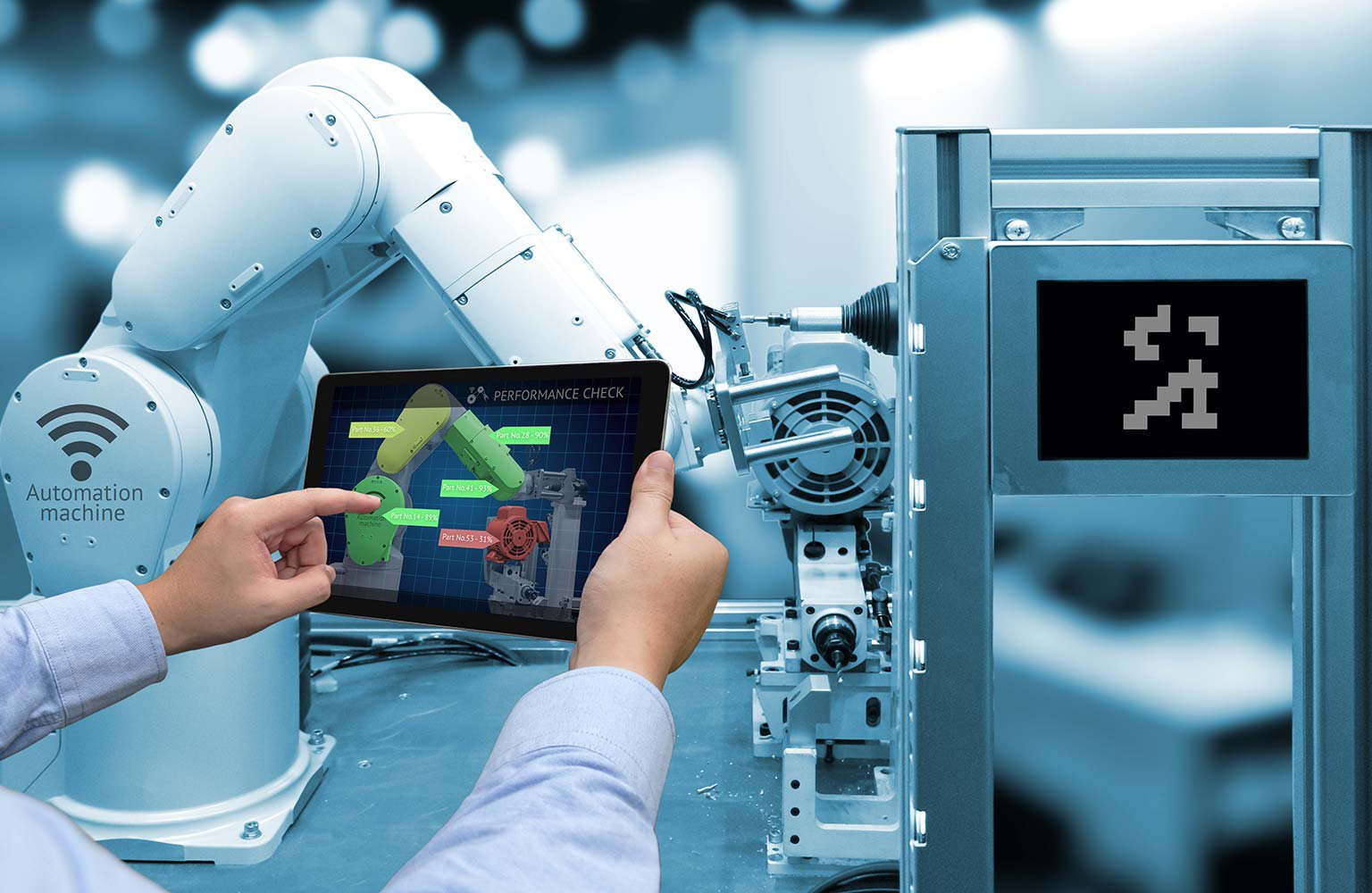
The New Age of Robotic Manufacturing in Australia

What Is Automation in Manufacturing?

Before diving deeper into the implications, it’s essential to understand what automation means in the manufacturing context. Automation refers to the use of technology to perform tasks traditionally done by human workers. This can include everything from robotic arms on assembly lines to AI-powered quality control systems and fully automated factories that operate with minimal human intervention.

Automation in manufacturing can be broken down into several key categories:

  1. Robotics and Robotics Process Automation (RPA): These machines perform repetitive, high-precision tasks such as assembly, welding, packaging, and material handling.
  2. Artificial Intelligence (AI): AI is increasingly used for predictive maintenance, process optimization, and even design processes, offering manufacturing companies the ability to make smarter, data-driven decisions.
  3. Additive Manufacturing (3D Printing): This technology allows for the creation of products from digital models through layer-by-layer deposition, revolutionizing industries like aerospace and healthcare by offering greater design freedom and customization.
  4. Internet of Things (IoT): Smart machines and sensors communicate with each other, providing real-time insights into operations, improving efficiency and reducing downtime.
  5. Autonomous Vehicles and Drones: Used for material handling, autonomous vehicles are transforming logistics in warehouses and factories.

The Pros of Automation in Manufacturing

While automation has some critics, its benefits are undeniable. Below are a few of the key advantages that automation brings to the table:

  1. Increased Efficiency and Productivity
    Automation dramatically increases production speed and consistency. Robots and AI systems can work around the clock, without the need for breaks or downtime, which leads to higher output at lower cost.
  2. Improved Precision and Quality
    Automated systems are capable of performing tasks with a level of accuracy that far exceeds human capabilities. This reduces the risk of errors and defects, ensuring higher quality products.
  3. Cost Reduction
    Although the initial investment in automation can be high, the long-term savings are significant. Reduced labor costs, fewer errors, and optimized production lines mean that companies can operate more cost-effectively over time.
  4. Safety
    Many industrial environments are hazardous, involving heavy machinery or toxic chemicals. Automation takes on the dangerous tasks, reducing workplace injuries and improving employee safety.

The Challenges of Automation

However, automation is not without its challenges. Here are some of the main concerns associated with the increased adoption of these technologies:

  1. Job Displacement
    One of the most significant fears surrounding automation is job loss. As machines replace human workers, particularly in low-skill manufacturing jobs, many workers face the threat of being displaced. According to a 2019 report from the World Economic Forum, by 2025, automation could displace 85 million jobs globally. However, this same report predicts that new technology will also create 97 million new roles in fields like data analysis, AI, and robotics maintenance.
  2. High Initial Costs
    For small and medium-sized enterprises (SMEs), the upfront cost of implementing automation can be prohibitively expensive. The return on investment (ROI) is clear in the long term, but the financial burden can be an obstacle in the short term.
  3. Cybersecurity Concerns
    As manufacturing becomes more reliant on interconnected digital systems, the risk of cyberattacks increases. Securing these systems is vital, as any breach could lead to massive disruptions in production and supply chains.
  4. Loss of Human Touch
    While machines excel in precision, they lack the creativity, intuition, and problem-solving capabilities that humans bring to the table. Many industries, especially those requiring custom products or unique designs, still rely on the human touch. The challenge lies in finding the right balance between automation and human involvement.

The Future of the Manufacturing Workforce: A New Skill Set

The fear that automation will lead to mass unemployment is understandable, but it doesn’t paint the complete picture. While some jobs may disappear, many new roles will emerge, demanding new skills and knowledge. Workers will need to adapt to a changing landscape, learning how to manage, maintain, and improve automated systems.

To stay competitive, workers will need a mix of technical, analytical, and soft skills. The rise of automation will push the need for education in areas like:

  • Robotics and Automation Engineering
  • Data Science and Analytics
  • AI and Machine Learning
  • Cybersecurity
  • Advanced Manufacturing Techniques

Manufacturers and governments alike must invest in reskilling programs and educational initiatives to equip the workforce with the skills needed for the future of manufacturing.

Sustainable materials - Pahlke Schaumstoffe

Automation and Sustainability: A Green Revolution?

Another important aspect of automation is its potential to drive sustainability in manufacturing. Automation can help companies reduce waste, energy consumption, and carbon emissions by optimizing processes and minimizing errors.

  1. Energy Efficiency
    Automated systems can monitor energy usage in real time and adjust production processes accordingly, leading to more sustainable practices.
  2. Waste Reduction
    Automation ensures that resources are used more efficiently, with minimal waste produced during manufacturing. AI-driven systems can help minimize the amount of raw material used, optimizing production from start to finish.
  3. Sustainable Manufacturing
    Additive manufacturing technologies like 3D printing allow companies to use only the material needed for a product, reducing the environmental footprint.

Adapting to Change: How the Manufacturing Industry Can Thrive in the Age of Automation

The question is not whether automation will happen, but how the manufacturing industry adapts to it. Companies that successfully integrate automation into their operations will not only survive but thrive. Here’s how:

  1. Invest in Smart Technologies
    The first step is investing in the right technologies. Automation is not just about replacing workers with robots, but about creating a fully integrated system where humans and machines work in tandem to achieve optimal efficiency.
  2. Reskill the Workforce
    As mentioned earlier, the workforce needs to be reskilled to meet the demands of the digital age. Collaborative robots (cobots) and AI are tools that can augment human workers, allowing them to focus on higher-value tasks. By retraining employees and embracing lifelong learning, the industry can mitigate job displacement.
  3. Foster Innovation
    The success of automation depends on continuous innovation. Manufacturers must invest in research and development to push the boundaries of what automation can achieve, making processes smarter, more efficient, and more adaptable.
  4. Focus on Sustainability
    Companies that leverage automation to enhance their sustainability efforts will not only improve their environmental impact but will also resonate with increasingly eco-conscious consumers.

Conclusion: A Future of Coexistence, Not Conflict

The age of automation is not the end of the manufacturing industry but rather the beginning of a new chapter. While automation presents challenges, it also brings unprecedented opportunities for growth, efficiency, and sustainability. The key to survival in this new era lies in adaptation: embracing change, reskilling workers, and integrating cutting-edge technologies to improve both productivity and sustainability.

Manufacturers who make the right investments in automation will remain competitive in an increasingly fast-paced global market. The future of manufacturing will likely not be human versus machine, but rather human and machine working together to create the next generation of products.



Tags: AutomationIndustry 4.0Labor CrisisManufacturing
ShareTweetShare

Related Posts

How Can Data Privacy be Maintained in a Hyperconnected World?
Industry

How Can Data Privacy be Maintained in a Hyperconnected World?

December 2, 2025
Is the Gig Economy the Future of Employment?
Industry

Is the Gig Economy the Future of Employment?

December 1, 2025
Can Startups Compete with Corporate Giants in Innovation?
Industry

Can Startups Compete with Corporate Giants in Innovation?

November 30, 2025
The Future of Work: Truly Remote or Hybrid?
Industry

The Future of Work: Truly Remote or Hybrid?

November 29, 2025
How Does Blockchain Impact Global Supply Chains?
Industry

How Does Blockchain Impact Global Supply Chains?

November 28, 2025
Are We Overestimating the Power of Automation?
Industry

Are We Overestimating the Power of Automation?

November 27, 2025
Leave Comment
  • Trending
  • Comments
  • Latest
Can Sustainability Drive Profits in Competitive Markets?

Can Sustainability Drive Profits in Competitive Markets?

October 17, 2025
Can the Spotlight Make or Break Your Career?

Can the Spotlight Make or Break Your Career?

October 14, 2025
Does the Spotlight Always Equal Success?

Does the Spotlight Always Equal Success?

October 16, 2025
Can the Spotlight Truly Capture the Essence of a Person?

Can the Spotlight Truly Capture the Essence of a Person?

October 16, 2025
Can Bionics Redefine Human Limitations?

Can Bionics Redefine Human Limitations?

Is Bionics the Future of Prosthetics?

Is Bionics the Future of Prosthetics?

Can We Truly Integrate Technology with Biology?

Can We Truly Integrate Technology with Biology?

How Close Are We to Creating Bionic Organs?

How Close Are We to Creating Bionic Organs?

How Can Spotlights Elevate Your Interior Design Game?

How Can Spotlights Elevate Your Interior Design Game?

December 2, 2025
Will We Ever Live on Mars? And Should We?

Will We Ever Live on Mars? And Should We?

December 2, 2025
Bionics: The Key to Human Immortality?

Bionics: The Key to Human Immortality?

December 2, 2025
How Can Data Privacy be Maintained in a Hyperconnected World?

How Can Data Privacy be Maintained in a Hyperconnected World?

December 2, 2025
CyberGait

Our content caters to engineers, researchers, and tech enthusiasts alike. Through focused articles on algorithms, biomimicry, and industry trends, we provide a comprehensive perspective on the future of movement, from laboratory breakthroughs to commercial products.

© 2025 cybergait.com. contacts:[email protected]

No Result
View All Result
  • Home
  • Bionics
  • Breakthroughs
  • Industry
  • Robotics
  • Spotlight

© 2025 cybergait.com. contacts:[email protected]

Welcome Back!

Login to your account below

Forgotten Password?

Retrieve your password

Please enter your username or email address to reset your password.

Log In