














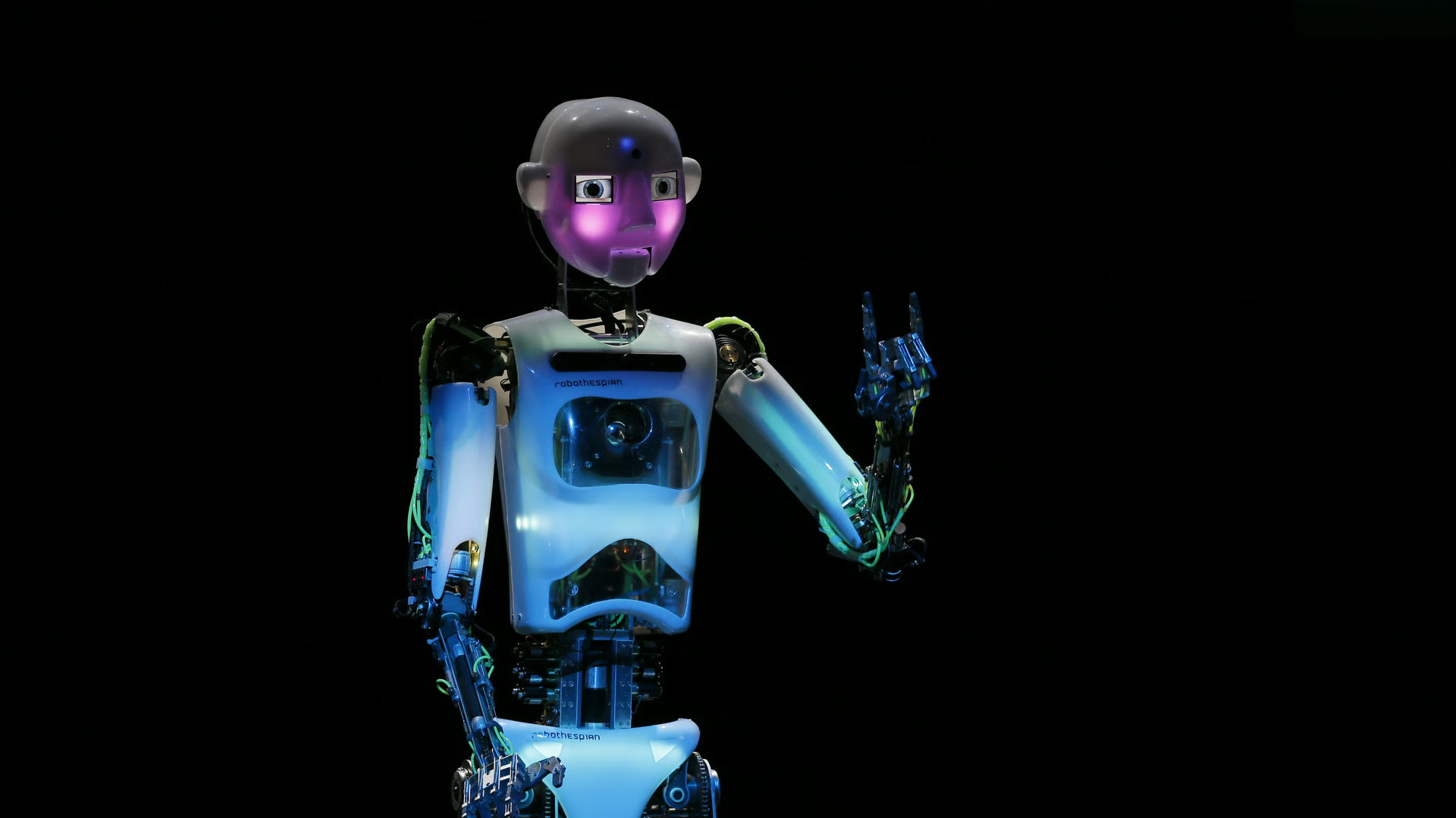






The future of warfare is rapidly evolving, with new technological advancements reshaping how military operations are conducted. One of the most discussed innovations in recent years is the development of autonomous robots for combat. These machines, capable of performing tasks traditionally handled by humans, have the potential to revolutionize warfare, raising both opportunities and concerns.
Autonomous robots are not science fiction. They already exist in various forms, from unmanned aerial vehicles (UAVs) to robotic ground units. With the rapid progress in artificial intelligence (AI), machine learning, and robotics, these machines are expected to play a pivotal role in future conflicts. But what does this mean for the future of warfare? Are we on the verge of a robotic revolution, or is this just a passing trend?
The Rise of Autonomous Robots in Military Applications
A Brief History
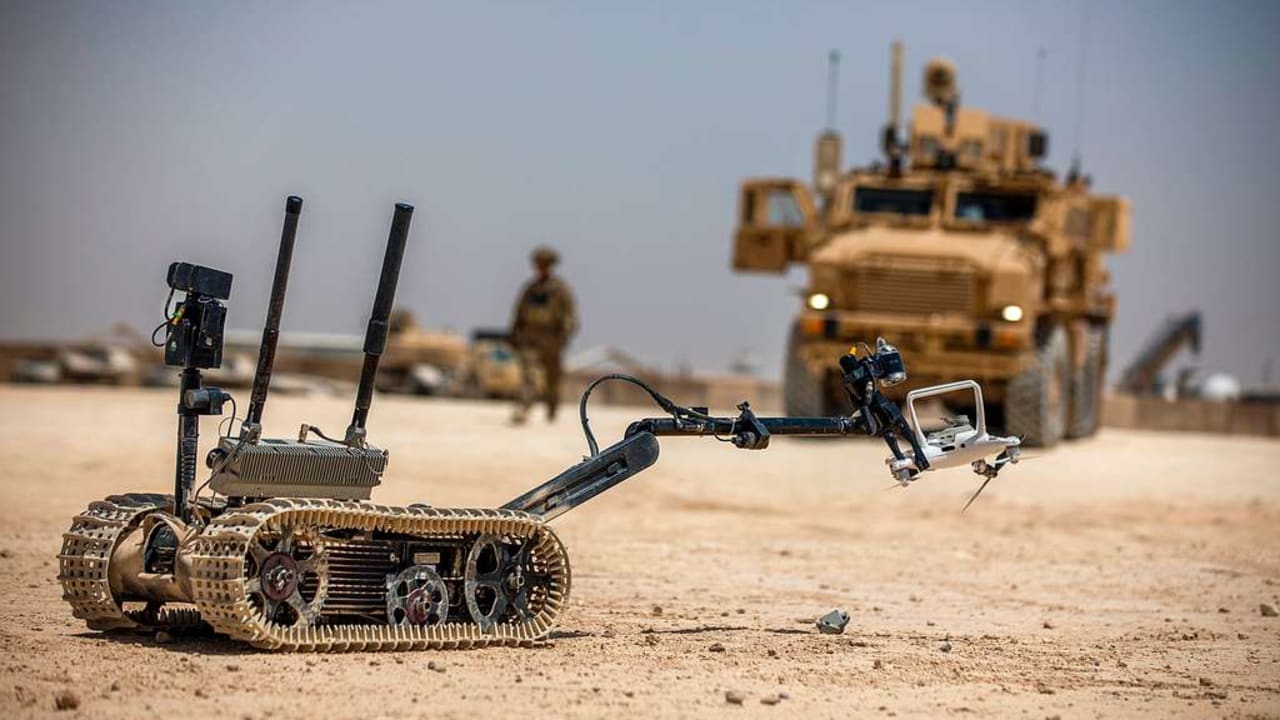
The concept of autonomous systems has been around for decades. Early military robots were simple, remote-controlled machines designed for specific tasks, such as bomb disposal or surveillance. However, with the rise of AI and robotics, these systems are now capable of operating independently, making decisions without human intervention.
In the early 2000s, the military began using UAVs, like the famous MQ-1 Predator, to conduct surveillance and carry out airstrikes in conflict zones. These drones were remotely operated by human pilots, but they laid the foundation for the development of more autonomous systems. Today, drones like the MQ-9 Reaper can carry out missions with a level of autonomy, reducing the need for human operators.
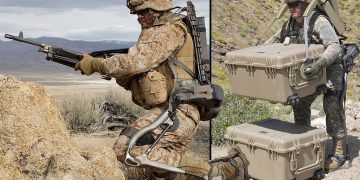
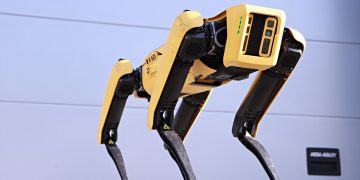
In addition to drones, autonomous ground vehicles (AGVs) and robotic soldiers are becoming more common in military research and development. Companies like Boston Dynamics and other defense contractors have developed robots that can navigate through complex terrains, carry out reconnaissance, or even serve as combat units.
The Technology Behind Autonomous Robots
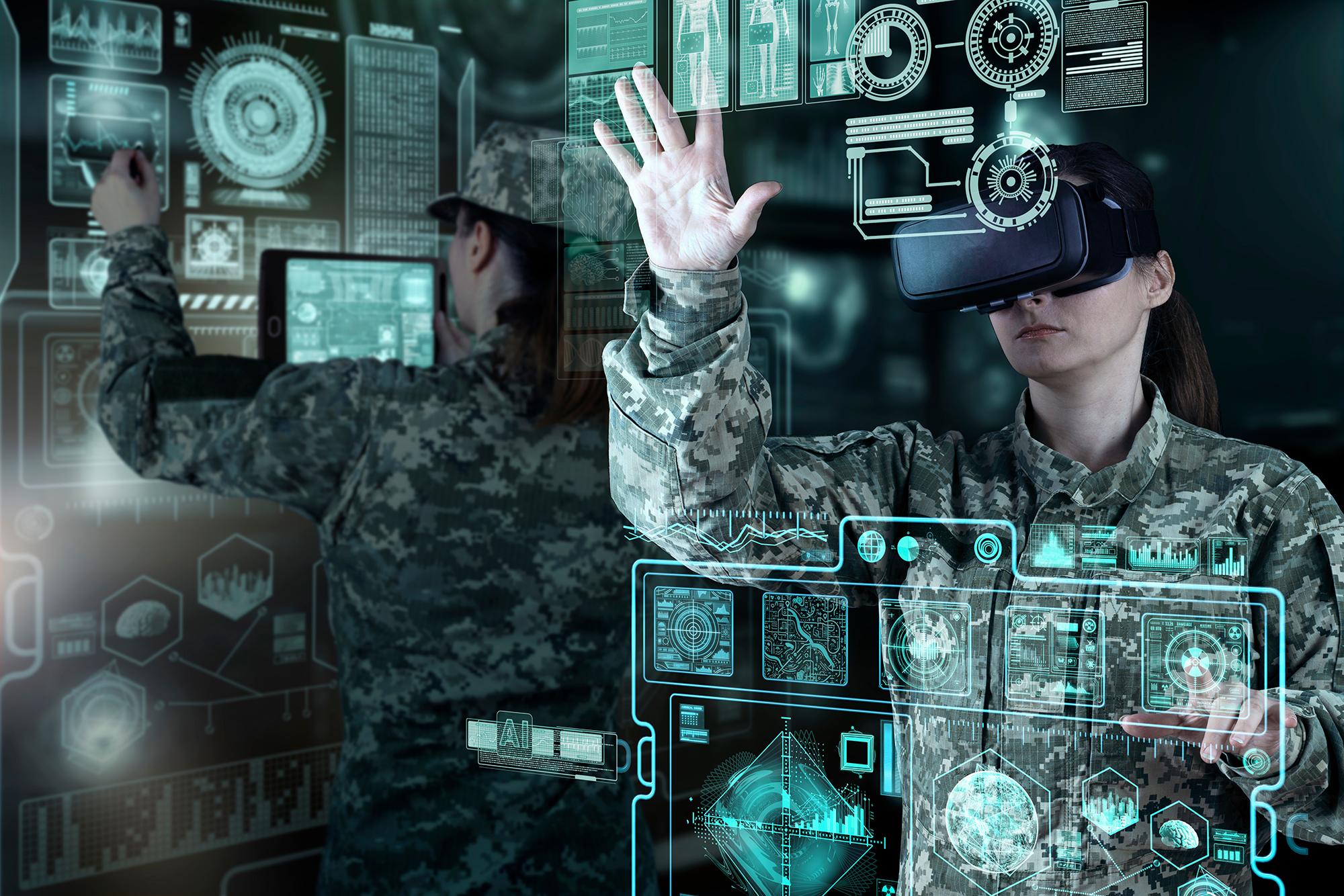
At the core of autonomous robots is advanced AI, which enables machines to make decisions based on data they collect from their environment. These robots use a combination of sensors, cameras, radar, and GPS to perceive their surroundings and make real-time decisions.
Machine learning algorithms allow autonomous robots to adapt to changing conditions, learning from experience and improving their performance over time. Deep learning techniques enable robots to recognize patterns, identify objects, and even predict enemy movements. This is crucial in combat situations where the environment is constantly shifting, and rapid decision-making is essential.
Robots also rely on communication networks, such as satellite links and secure data channels, to share information with other machines and command centers. This allows them to operate as part of a larger, coordinated force, where each unit plays a specific role in a complex mission.
Advantages of Autonomous Robots in Warfare
Precision and Efficiency
One of the primary advantages of autonomous robots is their ability to carry out tasks with high precision. Robots can be programmed to perform operations with minimal human error, reducing collateral damage and increasing mission success rates. For instance, autonomous drones can target specific enemy positions with great accuracy, minimizing civilian casualties and damage to infrastructure.
Moreover, robots can operate more efficiently than human soldiers in certain scenarios. They can work tirelessly for extended periods, without the need for rest, food, or sleep, making them invaluable in long-duration missions. This could significantly reduce the strain on human forces and enable more sustained operations in hostile environments.
Risk Reduction for Human Soldiers
Autonomous robots can take on dangerous tasks that would otherwise put human lives at risk. In situations where combat is intense or involves hazardous environments, robots can be deployed to perform reconnaissance, disarm bombs, or even engage in combat. This helps to protect human soldiers by keeping them out of harm’s way.
Additionally, robots can be deployed in areas where it may be too dangerous for humans to operate, such as in the aftermath of a nuclear disaster or in regions with high levels of chemical or biological threats. By using robots in such conditions, military forces can avoid unnecessary casualties and mitigate the risks associated with toxic or radioactive environments.
Speed and Scalability
Autonomous robots can process vast amounts of data in real-time, allowing them to make quick decisions and execute missions faster than humans could. This speed can be a decisive factor in modern warfare, where victory often depends on being able to outmaneuver the enemy.
The scalability of autonomous robots also offers a significant advantage. While deploying a large human force can be logistically challenging and time-consuming, robots can be mass-produced, rapidly deployed, and integrated into existing military systems. This flexibility makes autonomous robots an attractive option for both large-scale and specialized missions.
Ethical and Legal Concerns
While the potential benefits of autonomous robots in warfare are significant, their use raises a number of ethical and legal concerns that need to be addressed.
Lack of Accountability
One of the most pressing issues surrounding autonomous robots is the question of accountability. In traditional warfare, human soldiers and commanders are held accountable for their actions, either through military courts or international tribunals. However, if a robot makes a mistake—such as targeting the wrong person or causing unnecessary destruction—who is responsible?
The chain of command in military operations may become more complicated when robots are involved. If an autonomous robot makes an error, is it the fault of the machine’s creators, the operators, or the military leadership? The lack of clear accountability could complicate efforts to uphold international laws governing armed conflict.
Ethical Decision-Making
Another major concern is the ethical implications of allowing robots to make life-and-death decisions. Can a machine truly understand the complexities of a combat situation? Should we trust an AI system to determine when it is appropriate to use lethal force? While AI can analyze vast amounts of data, it lacks the empathy and moral judgment that human soldiers bring to decision-making.
The concept of “killer robots” has sparked intense debate within international circles. Some argue that machines should never be given the authority to decide who lives and dies, while others believe that AI could help minimize human suffering by making more rational and objective decisions in high-stress situations.
Autonomous Robots and International Law

The use of autonomous robots also brings up important questions regarding compliance with international law, particularly the laws of armed conflict, such as the Geneva Conventions. These laws are designed to protect civilians and ensure that combatants follow certain ethical standards. Autonomous robots may have difficulty distinguishing between combatants and non-combatants, potentially leading to violations of these laws.
Moreover, the use of autonomous robots in warfare could lead to an arms race, with countries competing to develop more advanced and lethal machines. This could destabilize international relations and increase the likelihood of conflicts involving automated systems that are difficult to control or regulate.
The Future of Autonomous Robots in Warfare
Increasing Integration of AI and Robotics
The future of autonomous robots in warfare is likely to see even greater integration of AI and robotics. Military forces are already experimenting with “swarming” tactics, where multiple robots work together as a coordinated team, using AI to make real-time decisions and share data. This could lead to the creation of highly effective, autonomous units capable of carrying out complex operations without human oversight.
As AI and robotics continue to improve, we can expect more advanced and specialized autonomous robots to be developed. These could include robots capable of underwater combat, cyber warfare, and even deep space missions. The possibilities are vast, and the potential applications of these technologies in military operations are only beginning to be explored.
Hybrid Human-Robot Teams
Despite the growing capabilities of autonomous robots, it is unlikely that they will completely replace human soldiers anytime soon. Instead, the future may see a hybrid approach, where humans and robots work together in complementary roles. Human soldiers could oversee robots in high-risk situations, providing strategic guidance and ensuring that ethical considerations are taken into account, while robots handle the more dangerous and physically demanding tasks.
This collaborative approach could help mitigate some of the ethical and accountability concerns associated with autonomous robots. By combining human oversight with robotic precision, military forces could leverage the best of both worlds: the decision-making abilities of humans and the efficiency of machines.
Regulation and Oversight
As autonomous robots become more prevalent in warfare, there will likely be increased pressure for international regulations and oversight to ensure that these technologies are used responsibly. Existing arms control agreements, such as the UN’s Convention on Certain Conventional Weapons, may need to be updated to address the unique challenges posed by autonomous systems.
Efforts to regulate the development and use of autonomous robots in warfare will need to balance military needs with humanitarian concerns. This may involve creating international norms that govern how and when autonomous robots can be deployed, as well as ensuring that these systems adhere to international laws of armed conflict.
Conclusion: The Path Forward
Autonomous robots are poised to play a significant role in the future of warfare. Their potential to enhance precision, reduce risks to human soldiers, and increase operational efficiency makes them a valuable asset for military forces around the world. However, their integration into combat raises a host of ethical, legal, and moral challenges that must be addressed.
As technology continues to advance, the future of autonomous robots in warfare will likely involve a hybrid approach that combines human judgment with robotic capabilities. It is essential that the development of these systems is accompanied by robust regulations, ethical guidelines, and accountability measures to ensure that they are used in a responsible and transparent manner.
In the coming decades, the balance between human soldiers and autonomous machines will shape the landscape of warfare. Whether autonomous robots become a force for good or a source of global instability depends on how we choose to navigate the challenges they present.