
















CyberGait
  • Home
  • Bionics
    Bionics: The Key to Human Immortality?

    Bionics: The Key to Human Immortality?

    Bionic Organs: Can They Save Lives or Create New Ethical Dilemmas?

    Bionic Organs: Can They Save Lives or Create New Ethical Dilemmas?

    The Future of Prosthetics: Is It Fully Bionic?

    The Future of Prosthetics: Is It Fully Bionic?

    What Happens When Bionics Merge with Artificial Intelligence?

    What Happens When Bionics Merge with Artificial Intelligence?

    Bionic Enhancements: Could They Improve Our Cognitive Abilities?

    Bionic Enhancements: Could They Improve Our Cognitive Abilities?

    How Far Can Bionic Eyes Take Us Beyond Human Vision?

    How Far Can Bionic Eyes Take Us Beyond Human Vision?

  • Breakthroughs
    Will We Ever Live on Mars? And Should We?

    Will We Ever Live on Mars? And Should We?

    Are We on the Brink of a Green Energy Revolution?

    Are We on the Brink of a Green Energy Revolution?

    Can Mind-Controlled Technology Revolutionize Communication?

    Can Mind-Controlled Technology Revolutionize Communication?

    What If We Could 3D Print Human Organs?

    What If We Could 3D Print Human Organs?

    Can Autonomous Vehicles Surpass Human Drivers in Safety?

    Can Autonomous Vehicles Surpass Human Drivers in Safety?

    Genomic Editing the Key to Immortality?

    Genomic Editing the Key to Immortality?

  • Industry
    How Can Data Privacy be Maintained in a Hyperconnected World?

    How Can Data Privacy be Maintained in a Hyperconnected World?

    Is the Gig Economy the Future of Employment?

    Is the Gig Economy the Future of Employment?

    Can Startups Compete with Corporate Giants in Innovation?

    Can Startups Compete with Corporate Giants in Innovation?

    The Future of Work: Truly Remote or Hybrid?

    The Future of Work: Truly Remote or Hybrid?

    How Does Blockchain Impact Global Supply Chains?

    How Does Blockchain Impact Global Supply Chains?

    Are We Overestimating the Power of Automation?

    Are We Overestimating the Power of Automation?

  • Robotics
    Can Robots Adapt to Unpredictable Real-World Environments?

    Can Robots Adapt to Unpredictable Real-World Environments?

    Will Robots Achieve True Autonomy or Always Need Human Oversight?

    Will Robots Achieve True Autonomy or Always Need Human Oversight?

    What Happens When Robots Start Designing Robots?

    What Happens When Robots Start Designing Robots?

    Are We Ready for Robots to Shape Our Creative Industries?

    Are We Ready for Robots to Shape Our Creative Industries?

    Could Robots One Day Replace Human Emotions in Caregiving?

    Could Robots One Day Replace Human Emotions in Caregiving?

    How Do We Ensure Robot Ethics in Autonomous Machines?

    How Do We Ensure Robot Ethics in Autonomous Machines?

  • Spotlight
    How Can Spotlights Elevate Your Interior Design Game?

    How Can Spotlights Elevate Your Interior Design Game?

    What Happens When You Use a Spotlight for Intimate Portraits?

    What Happens When You Use a Spotlight for Intimate Portraits?

    Why Do Spotlight Effects Matter in Cinematic Storytelling?

    Why Do Spotlight Effects Matter in Cinematic Storytelling?

    Could Spotlighting Be the Key to Perfect Product Photography?

    Could Spotlighting Be the Key to Perfect Product Photography?

    Spotlight Technology Changing the Future of Stage Design

    Spotlight Technology Changing the Future of Stage Design

    How Do Different Spotlights Affect Mood and Atmosphere?

    How Do Different Spotlights Affect Mood and Atmosphere?

CyberGait
  • Home
  • Bionics
    Bionics: The Key to Human Immortality?

    Bionics: The Key to Human Immortality?

    Bionic Organs: Can They Save Lives or Create New Ethical Dilemmas?

    Bionic Organs: Can They Save Lives or Create New Ethical Dilemmas?

    The Future of Prosthetics: Is It Fully Bionic?

    The Future of Prosthetics: Is It Fully Bionic?

    What Happens When Bionics Merge with Artificial Intelligence?

    What Happens When Bionics Merge with Artificial Intelligence?

    Bionic Enhancements: Could They Improve Our Cognitive Abilities?

    Bionic Enhancements: Could They Improve Our Cognitive Abilities?

    How Far Can Bionic Eyes Take Us Beyond Human Vision?

    How Far Can Bionic Eyes Take Us Beyond Human Vision?

  • Breakthroughs
    Will We Ever Live on Mars? And Should We?

    Will We Ever Live on Mars? And Should We?

    Are We on the Brink of a Green Energy Revolution?

    Are We on the Brink of a Green Energy Revolution?

    Can Mind-Controlled Technology Revolutionize Communication?

    Can Mind-Controlled Technology Revolutionize Communication?

    What If We Could 3D Print Human Organs?

    What If We Could 3D Print Human Organs?

    Can Autonomous Vehicles Surpass Human Drivers in Safety?

    Can Autonomous Vehicles Surpass Human Drivers in Safety?

    Genomic Editing the Key to Immortality?

    Genomic Editing the Key to Immortality?

  • Industry
    How Can Data Privacy be Maintained in a Hyperconnected World?

    How Can Data Privacy be Maintained in a Hyperconnected World?

    Is the Gig Economy the Future of Employment?

    Is the Gig Economy the Future of Employment?

    Can Startups Compete with Corporate Giants in Innovation?

    Can Startups Compete with Corporate Giants in Innovation?

    The Future of Work: Truly Remote or Hybrid?

    The Future of Work: Truly Remote or Hybrid?

    How Does Blockchain Impact Global Supply Chains?

    How Does Blockchain Impact Global Supply Chains?

    Are We Overestimating the Power of Automation?

    Are We Overestimating the Power of Automation?

  • Robotics
    Can Robots Adapt to Unpredictable Real-World Environments?

    Can Robots Adapt to Unpredictable Real-World Environments?

    Will Robots Achieve True Autonomy or Always Need Human Oversight?

    Will Robots Achieve True Autonomy or Always Need Human Oversight?

    What Happens When Robots Start Designing Robots?

    What Happens When Robots Start Designing Robots?

    Are We Ready for Robots to Shape Our Creative Industries?

    Are We Ready for Robots to Shape Our Creative Industries?

    Could Robots One Day Replace Human Emotions in Caregiving?

    Could Robots One Day Replace Human Emotions in Caregiving?

    How Do We Ensure Robot Ethics in Autonomous Machines?

    How Do We Ensure Robot Ethics in Autonomous Machines?

  • Spotlight
    How Can Spotlights Elevate Your Interior Design Game?

    How Can Spotlights Elevate Your Interior Design Game?

    What Happens When You Use a Spotlight for Intimate Portraits?

    What Happens When You Use a Spotlight for Intimate Portraits?

    Why Do Spotlight Effects Matter in Cinematic Storytelling?

    Why Do Spotlight Effects Matter in Cinematic Storytelling?

    Could Spotlighting Be the Key to Perfect Product Photography?

    Could Spotlighting Be the Key to Perfect Product Photography?

    Spotlight Technology Changing the Future of Stage Design

    Spotlight Technology Changing the Future of Stage Design

    How Do Different Spotlights Affect Mood and Atmosphere?

    How Do Different Spotlights Affect Mood and Atmosphere?

CyberGait
No Result
View All Result
Home Breakthroughs

Can Self-Driving Cars Solve Traffic Congestion Forever?

October 14, 2025
in Breakthroughs
Can Self-Driving Cars Solve Traffic Congestion Forever?

Introduction:
We’ve all been there—stuck in a never-ending stream of brake lights, inching forward in frustration as the minutes drag on. Traffic congestion is an urban nightmare, costing billions of dollars each year in lost productivity, pollution, and stress. In a world where cities continue to grow and the number of vehicles on the road increases, the question arises: Could self-driving cars—those futuristic marvels of technology—hold the key to solving this persistent problem forever?

The rise of autonomous vehicles (AVs) promises to change the landscape of transportation as we know it. They are often hailed as the answer to reducing accidents, improving road safety, and, crucially, eliminating the gridlock that characterizes major cities worldwide. But will these vehicles actually be the game-changer we’ve been waiting for, or will their potential to alleviate traffic congestion be limited by unforeseen challenges?

In this article, we’ll dive into how self-driving cars could reshape traffic systems, explore the hurdles they might face, and consider whether they can truly eliminate traffic congestion once and for all.


Section 1: The Promise of Self-Driving Cars

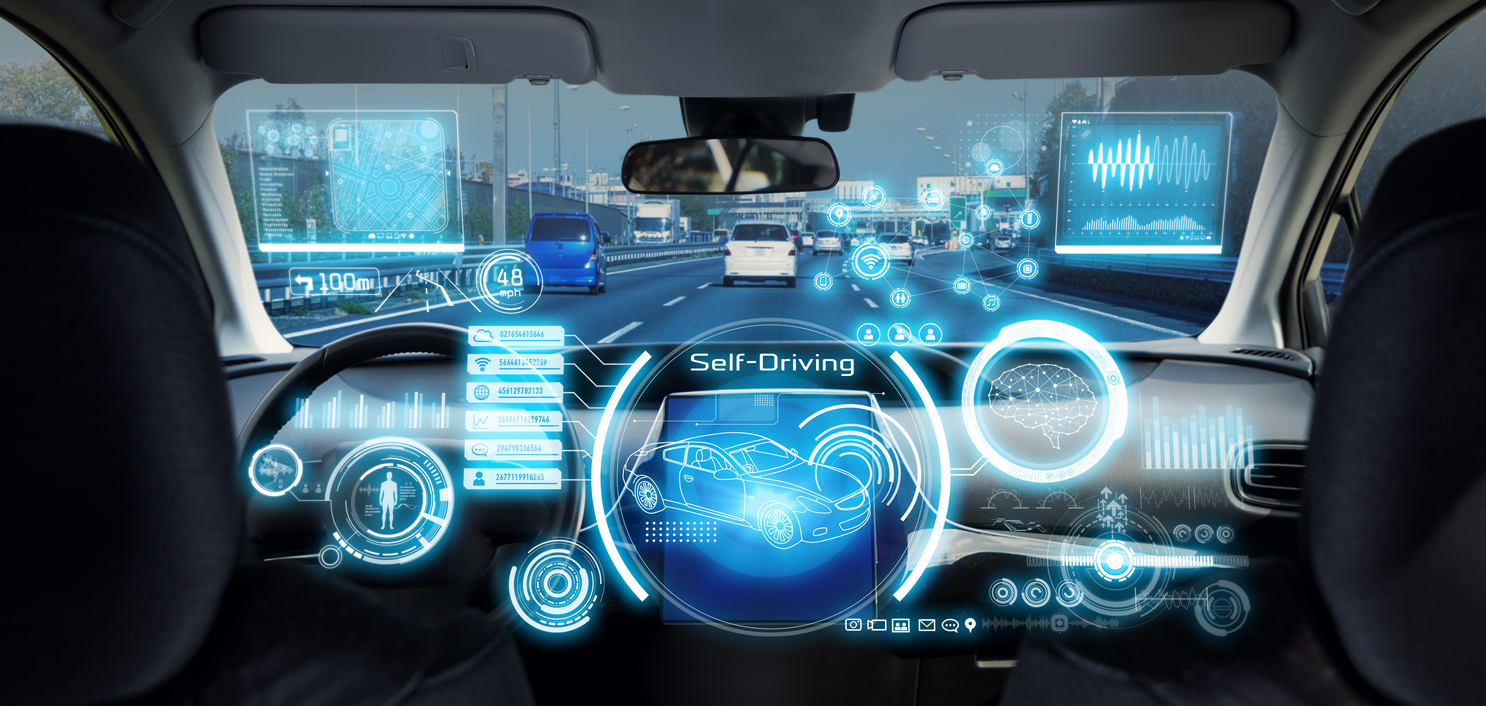
Self-driving cars operate on a simple but revolutionary idea: using sensors, cameras, and algorithms to navigate without human intervention. These vehicles can, theoretically, optimize their speed, distance from other cars, and route selection, ensuring that traffic flows more efficiently. By removing the unpredictability of human drivers, AVs promise to reduce accidents, smooth traffic flow, and enable more efficient use of road space.

  1. Efficient Traffic Flow
    • One of the most compelling arguments for autonomous cars is their ability to communicate with each other. In a world where every car can share real-time information about speed, location, and direction, they can synchronize their movements to avoid traffic jams. By maintaining optimal speed and distance, self-driving cars could, in theory, prevent the ripple effect of stop-and-go traffic that occurs when human drivers fail to keep consistent speeds.
  2. Reduced Accidents
    • Traffic congestion is often exacerbated by accidents. A single crash can shut down entire highways for hours, causing a massive bottleneck. Autonomous vehicles, with their advanced sensors and quick decision-making algorithms, could drastically reduce the likelihood of accidents, ensuring smoother traffic flow.
  3. Carpooling and Ride-Sharing
    • In a world where self-driving cars are the norm, the concept of personal ownership of vehicles could be replaced by shared rides. Carpooling and ride-sharing networks could become more efficient, with fleets of autonomous vehicles picking up passengers and adjusting their routes dynamically based on demand. This would reduce the number of cars on the road, easing congestion while providing cost-effective transportation.
  4. Optimized Routing
    • Self-driving cars would have access to real-time traffic data and could adjust their routes to avoid congested areas, accidents, or road closures. This real-time optimization could allow the entire traffic system to operate more efficiently, with vehicles taking the fastest routes available and avoiding bottlenecks altogether.
On the road to cleaner, greener, and faster driving | MIT News |  Massachusetts Institute of Technology

Section 2: Challenges to Overcome

While the benefits of self-driving cars sound promising, there are several challenges that need to be addressed before they can become a widespread solution to traffic congestion.

  1. Infrastructure Limitations
    • Many cities around the world still rely on outdated infrastructure that wasn’t designed with autonomous vehicles in mind. Roads, traffic signals, and signage may need to be updated to ensure compatibility with AVs. Additionally, cities will need to invest in new technologies such as high-definition maps and dedicated lanes for self-driving cars to function at their full potential.
  2. Human Driver Integration
    • As we transition to a world where self-driving cars coexist with human drivers, there will be a period of mixed traffic. Human drivers are unpredictable, and their interactions with AVs could create situations that disrupt the smooth flow of traffic. A key challenge will be ensuring that AVs can safely and efficiently navigate alongside vehicles that are not autonomous.
  3. Regulation and Legal Challenges
    • Governments will need to establish clear regulations and legal frameworks to govern the operation of self-driving vehicles. Issues like liability in the event of an accident, insurance requirements, and cybersecurity concerns will need to be addressed. Until there is clarity on these matters, widespread adoption of AVs could be delayed.
  4. Public Acceptance and Trust
    • Even if the technology is ready, public acceptance could pose a significant hurdle. Many people are skeptical about the safety and reliability of autonomous vehicles. Incidents involving self-driving cars, even if rare, could erode public trust and slow down adoption. Until people feel confident in the technology, they may be reluctant to embrace it fully.

Section 3: The Road to a Traffic-Free Future

While the idea of a world without traffic congestion is alluring, it’s unlikely that self-driving cars will provide an immediate or complete solution. However, they can play a critical role in alleviating traffic congestion in several key ways.

  1. Connected Systems and Smart Cities
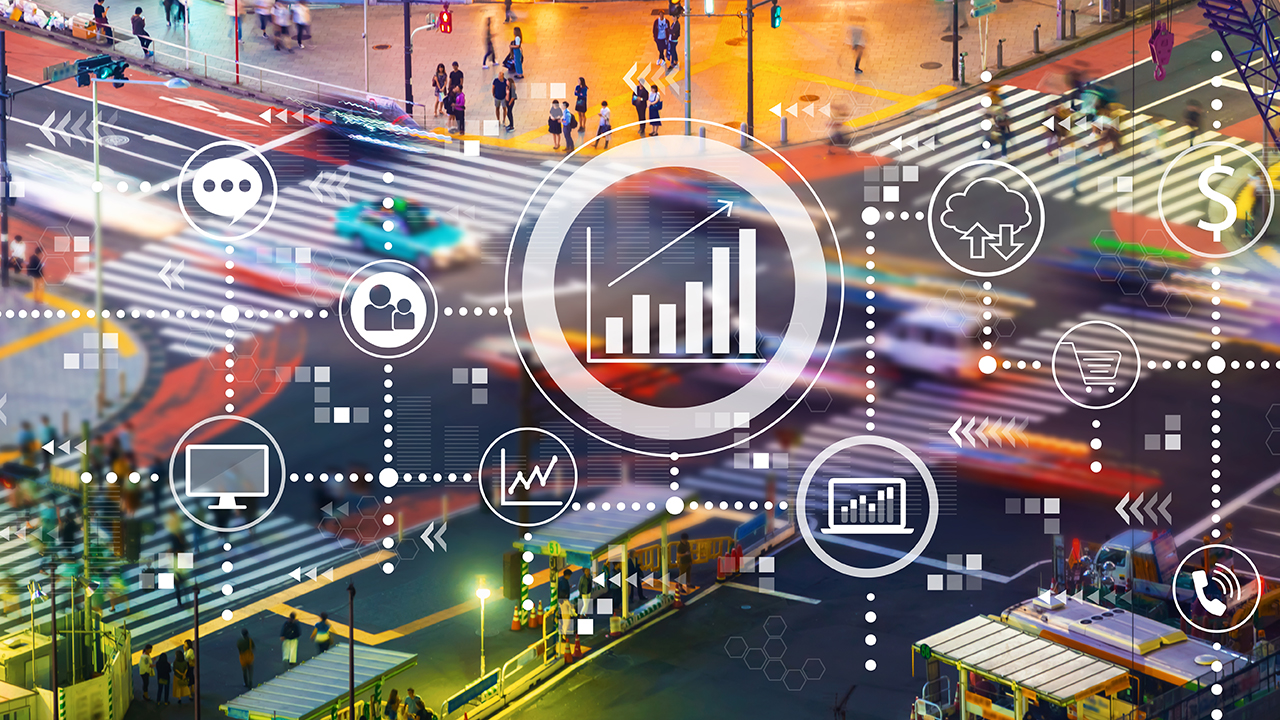
    • As self-driving cars become more common, the concept of smart cities could take center stage. In a smart city, autonomous vehicles, traffic lights, and other infrastructure elements are connected to a centralized system that can monitor and optimize traffic flow. These systems could adjust traffic light timing, reroute vehicles in real-time, and even communicate with pedestrians to ensure the smooth flow of traffic.
  2. Reducing the Need for Parking
    • Self-driving cars could also solve the problem of parking, which is a significant contributor to traffic congestion. With autonomous vehicles, there would be no need to park in the traditional sense. Instead, AVs could drop passengers off at their destination and then continue to circulate in search of the nearest charging station or a spot to pick up their next passengers. This reduction in the demand for parking spaces would free up valuable urban real estate, further alleviating congestion.
  3. Urban Planning and Mobility Hubs
    • In the long term, autonomous vehicles could enable a fundamental shift in urban planning. Cities could be redesigned with more pedestrian-friendly spaces, fewer parking lots, and increased focus on green areas. Moreover, mobility hubs—central locations where AVs pick up and drop off passengers—could become the cornerstone of future transportation systems. These hubs could be strategically located to minimize travel distances and reduce traffic bottlenecks.

Section 4: Will It Solve Traffic Forever?
An Introduction to Smart Transportation: Benefits and Examples | Digi  International

Even with all the potential benefits, the dream of a world without traffic congestion might not be fully realized in the near future. Here’s why:

  1. The Induced Demand Phenomenon
    • A concept known as “induced demand” suggests that when roads become less congested, people tend to drive more. This could mean that while self-driving cars may reduce traffic for a time, the increased convenience could encourage more people to use cars, ultimately leading to a return of congestion. For example, if autonomous vehicles make travel more efficient, it might lead to an increase in car usage, even as the technology reduces bottlenecks in the short term.
  2. Technological Limitations and Integration
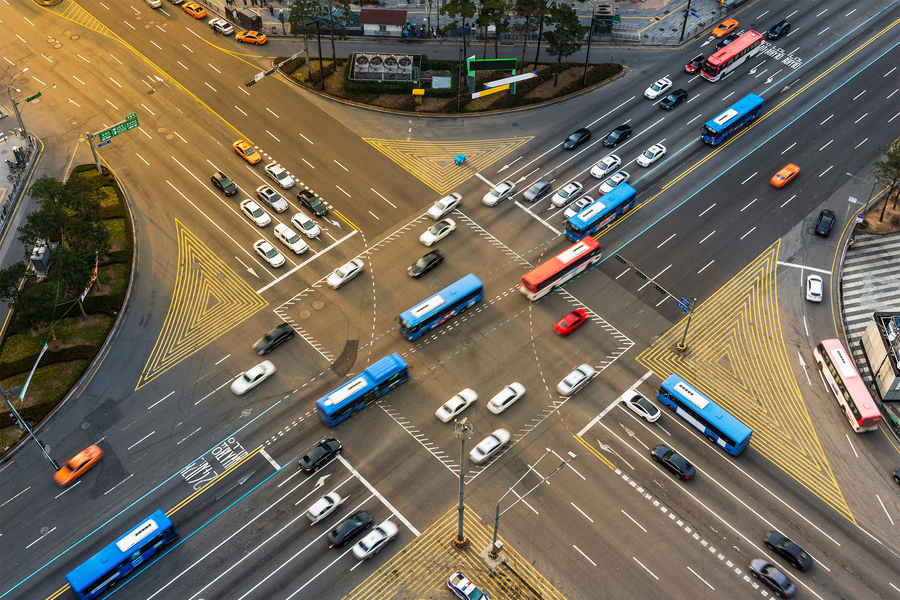
    • There are still many challenges in perfecting autonomous vehicle technology, especially in terms of real-world integration with human drivers, complex intersections, and inclement weather conditions. Even if AVs become ubiquitous, they may still face limitations in certain conditions that prevent them from eliminating congestion entirely.
  3. Global Variations in Transportation Needs
    • Traffic congestion varies greatly depending on the region, the economy, and the local culture. While self-driving cars could revolutionize traffic flow in dense urban environments, they may have less impact in rural or sparsely populated areas. The adoption of AVs will also depend on the level of economic development, infrastructure investment, and public willingness to embrace the technology in different parts of the world.

Conclusion:

Self-driving cars are undoubtedly one of the most exciting technological innovations in the transportation sector. They hold the potential to dramatically reduce traffic congestion, increase road safety, and make commuting more efficient. However, it’s unlikely that autonomous vehicles will completely solve the problem of traffic forever. While they can certainly help alleviate congestion, a holistic approach that includes smart city infrastructure, changes in urban planning, and a shift in public transportation policies will be necessary to create a truly traffic-free future.

As the technology evolves and cities adapt to the changing landscape, we may see a gradual reduction in congestion—but whether we can ever completely eliminate traffic will depend on how we address the complex factors driving it.


Tags: 3D PrintingAIInnovationSustainability
ShareTweetShare

Related Posts

Will We Ever Live on Mars? And Should We?
Breakthroughs

Will We Ever Live on Mars? And Should We?

December 2, 2025
Are We on the Brink of a Green Energy Revolution?
Breakthroughs

Are We on the Brink of a Green Energy Revolution?

December 1, 2025
Can Mind-Controlled Technology Revolutionize Communication?
Breakthroughs

Can Mind-Controlled Technology Revolutionize Communication?

November 30, 2025
What If We Could 3D Print Human Organs?
Breakthroughs

What If We Could 3D Print Human Organs?

November 29, 2025
Can Autonomous Vehicles Surpass Human Drivers in Safety?
Breakthroughs

Can Autonomous Vehicles Surpass Human Drivers in Safety?

November 28, 2025
Genomic Editing the Key to Immortality?
Breakthroughs

Genomic Editing the Key to Immortality?

November 27, 2025
Leave Comment
  • Trending
  • Comments
  • Latest
Can Sustainability Drive Profits in Competitive Markets?

Can Sustainability Drive Profits in Competitive Markets?

October 17, 2025
Can the Spotlight Make or Break Your Career?

Can the Spotlight Make or Break Your Career?

October 14, 2025
Does the Spotlight Always Equal Success?

Does the Spotlight Always Equal Success?

October 16, 2025
Can the Spotlight Truly Capture the Essence of a Person?

Can the Spotlight Truly Capture the Essence of a Person?

October 16, 2025
Can Bionics Redefine Human Limitations?

Can Bionics Redefine Human Limitations?

Is Bionics the Future of Prosthetics?

Is Bionics the Future of Prosthetics?

Can We Truly Integrate Technology with Biology?

Can We Truly Integrate Technology with Biology?

How Close Are We to Creating Bionic Organs?

How Close Are We to Creating Bionic Organs?

How Can Spotlights Elevate Your Interior Design Game?

How Can Spotlights Elevate Your Interior Design Game?

December 2, 2025
Will We Ever Live on Mars? And Should We?

Will We Ever Live on Mars? And Should We?

December 2, 2025
Bionics: The Key to Human Immortality?

Bionics: The Key to Human Immortality?

December 2, 2025
How Can Data Privacy be Maintained in a Hyperconnected World?

How Can Data Privacy be Maintained in a Hyperconnected World?

December 2, 2025
CyberGait

Our content caters to engineers, researchers, and tech enthusiasts alike. Through focused articles on algorithms, biomimicry, and industry trends, we provide a comprehensive perspective on the future of movement, from laboratory breakthroughs to commercial products.

© 2025 cybergait.com. contacts:[email protected]

No Result
View All Result
  • Home
  • Bionics
  • Breakthroughs
  • Industry
  • Robotics
  • Spotlight

© 2025 cybergait.com. contacts:[email protected]

Welcome Back!

Login to your account below

Forgotten Password?

Retrieve your password

Please enter your username or email address to reset your password.

Log In