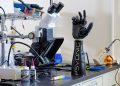
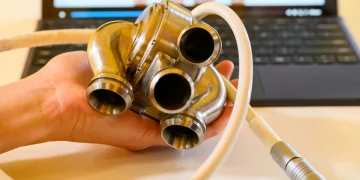
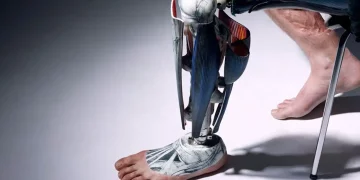




















In the ever-evolving world of technology, nature has always been an unparalleled source of inspiration. From biomimicry to bioengineering, scientists and designers look to the animal kingdom to solve human challenges and innovate. Bionic design, which integrates biological systems into technology, is no exception. The study of animals’ biological structures, movements, and sensory capabilities can help humans create more efficient, adaptable, and sustainable technologies. By learning from the precision and adaptability found in nature, engineers and designers are developing cutting-edge solutions in fields ranging from robotics to healthcare.
This article explores the profound lessons animals can teach us about bionic design, highlighting key examples and emerging trends. We’ll look at the unique features of various species and how these traits are being translated into advanced technologies. From the aerodynamic flight of birds to the graceful movements of octopuses, animals hold the blueprint for some of the most innovative engineering solutions of our time.
1. The Efficiency of Bird Flight: Inspiration for Drones and Aircraft
Birds have long captivated engineers with their remarkable ability to soar through the skies with ease and precision. Their wings are marvels of natural engineering, optimized for lift, stability, and speed. One of the most impressive characteristics of bird flight is how efficiently they navigate the air, making them ideal models for drone and aircraft design.
Bionic Design Lesson: Wing Mechanics and Aerodynamics
Bird wings exhibit an intricate structure that includes flexible feathers and a specialized skeletal framework. The wings are designed for maximum aerodynamic efficiency, and their ability to adjust in real-time to changing wind conditions gives birds unmatched agility. This versatility is particularly evident in species like the peregrine falcon, which can reach speeds over 240 mph during a dive, or the albatross, which can glide for thousands of miles without flapping its wings.
Engineers have studied these natural designs extensively. The development of drones, particularly those used in military and commercial applications, has drawn directly from bird flight mechanics. One notable example is the use of biomimetic wings in drone technology. Companies have experimented with bird-inspired wings that allow drones to change shape during flight, improving stability and efficiency in various weather conditions.
Real-World Applications:
- Bird-inspired drones: The 2017 debut of the Batwing drone demonstrated the potential for flexible, wing-like designs that adapt to the environment.
- Optimized aircraft designs: Aircraft manufacturers have incorporated bird-inspired features such as winglets to reduce drag, enhancing fuel efficiency.
2. The Silent Movement of Owls: Advancing Quiet Robotics
Owls are renowned for their ability to fly silently, a trait that has fascinated biologists for decades. The key to this quiet flight lies in the unique structure of their feathers. Unlike many birds, owls have specialized wing feathers that help reduce noise by minimizing turbulence as they move through the air. This allows them to hunt without alerting their prey to their presence, even in complete silence.
Bionic Design Lesson: Noise Reduction and Fluid Dynamics
The stealthy movement of owls has provided inspiration for quiet robotics and technologies that require minimal noise, such as medical robots or surveillance drones. The wing structure of owls—specifically the comb-like structure on the leading edge of their wings, and the velvety texture of their feathers—has inspired designs that can reduce drag and turbulence in flying machines.
Researchers have designed drones and robotic systems that mimic the owl’s wing structure to enhance noise reduction. For example, silent aerial vehicles (SAVs) are becoming increasingly important in fields like environmental monitoring, where sound pollution could interfere with research.
Real-World Applications:
- Silent drones: Companies like University of Michigan’s Silent Air Vehicles Project are focused on developing quieter, more efficient drones for military and civilian use.
- Medical robots: Medical procedures requiring precision and minimal disturbance could benefit from robots inspired by the silent movement of owls.
3. The Dexterity of Octopuses: Advancing Prosthetics and Robotics
Octopuses are widely regarded as some of the most intelligent and adaptable creatures on Earth. Their incredible flexibility, advanced problem-solving skills, and dexterous arms make them perfect models for robotics and bionic prosthetics. Octopus arms are capable of intricate and multi-dimensional movement, a function of both their muscle structure and their unique nervous system. Unlike humans, octopuses don’t rely solely on a centralized brain to control their movements; instead, their arms are semi-autonomous, allowing for parallel processing and independent action.
Bionic Design Lesson: Multi-Dimensional Flexibility and Control Systems
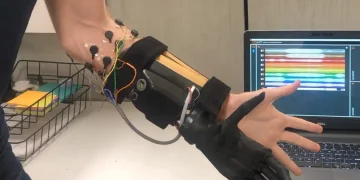
The octopus’s ability to move through confined spaces, manipulate objects, and adapt to diverse environments has made its arms a subject of study for engineers in the fields of robotic limbs and prosthetics. Researchers are developing bionic arms that mimic the octopus’s flexible, soft structures. These soft robotic limbs are capable of performing delicate and complex tasks that traditional rigid robotic systems can’t match.
Real-World Applications:
- Soft robotics: The creation of soft robotic arms inspired by the octopus could revolutionize fields like surgery, where delicate movements and the ability to maneuver in tight spaces are essential.
- Bionic prosthetics: Bionic limbs modeled on the dexterity of octopus arms could lead to prosthetics that better mimic natural limb movement, offering enhanced functionality for amputees.
4. The Speed and Agility of Cheetahs: Improving Robotic Locomotion
Cheetahs are the fastest land animals on the planet, reaching speeds of up to 70 mph in short bursts. Their unparalleled acceleration and agility are the result of a unique combination of specialized limb structure, muscle fiber composition, and biomechanics. The cheetah’s long, slender body, flexible spine, and powerful hind legs allow it to sprint at incredible speeds while maintaining balance and control.
Bionic Design Lesson: High-Speed Locomotion and Balance
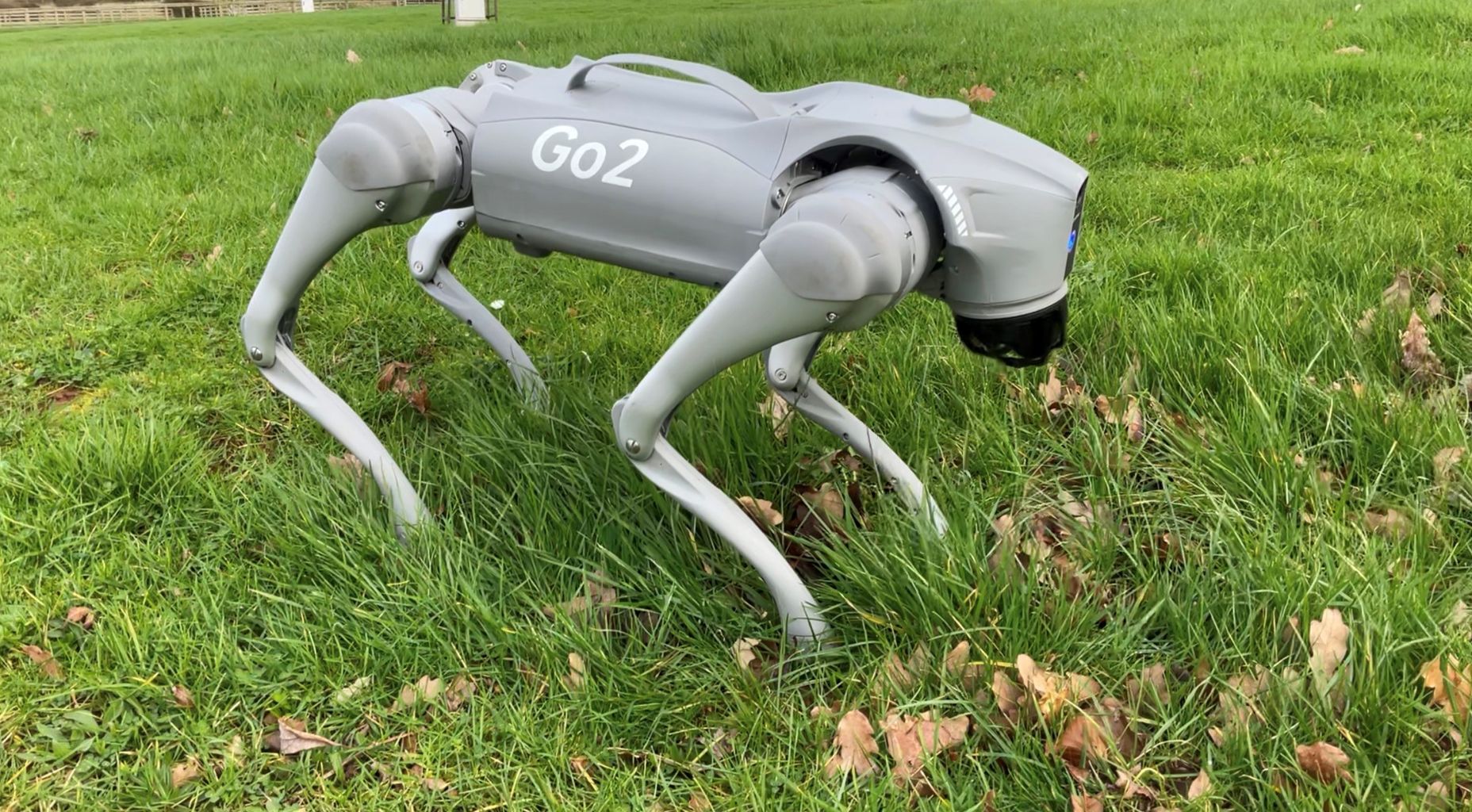
The cheetah’s body mechanics have inspired bionic design in robotic systems requiring speed, balance, and fluid motion. Researchers have studied the cheetah’s movements to improve robotic systems designed for fast travel, such as robotic runners. These robots are created to mimic the natural gait and biomechanics of the cheetah, using advanced algorithms to control speed and balance.
Real-World Applications:
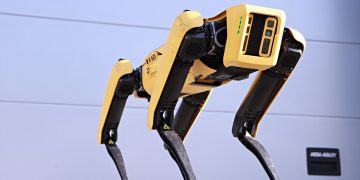
- High-speed robotics: Boston Dynamics’ Cheetah robot is one of the most prominent examples of bionic design inspired by cheetah locomotion, capable of running at impressive speeds while maintaining stability.
- Search and rescue: High-speed robots inspired by cheetahs could be used in search and rescue missions where rapid movement through challenging terrain is required.

5. The Electric Eel: Pioneering Bio-Electric Power Generation
Electric eels have long been a source of intrigue due to their ability to generate electricity. These fish use specialized cells called electrocytes to produce powerful electric discharges, which they use for hunting, navigation, and defense. The study of these bio-electric mechanisms has opened up new possibilities for the development of bio-powered devices.
Bionic Design Lesson: Harnessing Biological Electricity
Engineers have been inspired by the electric eel’s ability to generate controlled, high-voltage pulses to develop bio-powered systems that rely on bioelectricity. These systems are particularly useful in areas such as bioelectronics and medical devices, where power generation is critical but traditional batteries may not be the best solution.
Researchers are working on developing bionic implants, such as neural stimulators, that harness bioelectricity to power small devices inside the body. The study of electric eels also plays a role in the development of eco-friendly energy solutions, such as bio-batteries that could reduce our reliance on conventional power sources.
Real-World Applications:
- Bio-powered medical devices: Devices like pacemakers and neural implants could one day be powered using bioelectricity, leading to longer-lasting, more efficient devices.
- Eco-friendly power generation: The development of bio-powered energy sources inspired by electric eels could contribute to sustainable energy solutions.
6. The Camouflage of Cuttlefish: Advancing Adaptive Materials
Cuttlefish are masters of camouflage, capable of changing their skin color and texture in response to their environment. This ability, known as dynamic camouflage, allows them to blend seamlessly into their surroundings, evading predators and surprising prey. Cuttlefish use specialized skin cells called chromatophores, which contain pigment and allow for rapid color change, as well as papillae, which allow for texture alteration.
Bionic Design Lesson: Adaptive and Responsive Materials
Cuttlefish-inspired designs have led to the development of adaptive materials in technology, particularly in the field of wearable tech and military equipment. Materials that can change color or texture in real-time could have wide-ranging applications, from clothing that adapts to environmental conditions to stealth technology in defense.
Researchers are developing smart materials that can adjust their properties based on external stimuli, such as light, temperature, or pressure, mimicking the cuttlefish’s ability to change appearance.
Real-World Applications:
- Adaptive camouflage: Military and surveillance applications have benefited from cuttlefish-inspired adaptive camouflage technology that can change colors based on surroundings.
- Wearable tech: Future clothing could incorporate cuttlefish-inspired materials that shift color or texture in response to environmental factors, offering functionality and aesthetics in real-time.
Conclusion: Nature’s Blueprint for the Future
The animal kingdom has long been a source of inspiration for human innovation. By studying the evolutionary adaptations that have allowed animals to thrive in their environments, designers and engineers can develop technologies that are more efficient, sustainable, and adaptable. Whether it’s the aerodynamic wings of birds, the flexible arms of octopuses, or the high-speed locomotion of cheetahs, animals are teaching us how to design bionic systems that enhance human capabilities.
Bionic design is not just about copying nature but about understanding the principles that make these natural systems work. As technology continues to advance, the lessons learned from the animal kingdom will undoubtedly lead to even more groundbreaking innovations, helping to shape the future of robotics, healthcare, and energy solutions.