














CyberGait
  • Home
  • Bionics
    Bionics: The Key to Human Immortality?

    Bionics: The Key to Human Immortality?

    Bionic Organs: Can They Save Lives or Create New Ethical Dilemmas?

    Bionic Organs: Can They Save Lives or Create New Ethical Dilemmas?

    The Future of Prosthetics: Is It Fully Bionic?

    The Future of Prosthetics: Is It Fully Bionic?

    What Happens When Bionics Merge with Artificial Intelligence?

    What Happens When Bionics Merge with Artificial Intelligence?

    Bionic Enhancements: Could They Improve Our Cognitive Abilities?

    Bionic Enhancements: Could They Improve Our Cognitive Abilities?

    How Far Can Bionic Eyes Take Us Beyond Human Vision?

    How Far Can Bionic Eyes Take Us Beyond Human Vision?

  • Breakthroughs
    Will We Ever Live on Mars? And Should We?

    Will We Ever Live on Mars? And Should We?

    Are We on the Brink of a Green Energy Revolution?

    Are We on the Brink of a Green Energy Revolution?

    Can Mind-Controlled Technology Revolutionize Communication?

    Can Mind-Controlled Technology Revolutionize Communication?

    What If We Could 3D Print Human Organs?

    What If We Could 3D Print Human Organs?

    Can Autonomous Vehicles Surpass Human Drivers in Safety?

    Can Autonomous Vehicles Surpass Human Drivers in Safety?

    Genomic Editing the Key to Immortality?

    Genomic Editing the Key to Immortality?

  • Industry
    How Can Data Privacy be Maintained in a Hyperconnected World?

    How Can Data Privacy be Maintained in a Hyperconnected World?

    Is the Gig Economy the Future of Employment?

    Is the Gig Economy the Future of Employment?

    Can Startups Compete with Corporate Giants in Innovation?

    Can Startups Compete with Corporate Giants in Innovation?

    The Future of Work: Truly Remote or Hybrid?

    The Future of Work: Truly Remote or Hybrid?

    How Does Blockchain Impact Global Supply Chains?

    How Does Blockchain Impact Global Supply Chains?

    Are We Overestimating the Power of Automation?

    Are We Overestimating the Power of Automation?

  • Robotics
    Can Robots Adapt to Unpredictable Real-World Environments?

    Can Robots Adapt to Unpredictable Real-World Environments?

    Will Robots Achieve True Autonomy or Always Need Human Oversight?

    Will Robots Achieve True Autonomy or Always Need Human Oversight?

    What Happens When Robots Start Designing Robots?

    What Happens When Robots Start Designing Robots?

    Are We Ready for Robots to Shape Our Creative Industries?

    Are We Ready for Robots to Shape Our Creative Industries?

    Could Robots One Day Replace Human Emotions in Caregiving?

    Could Robots One Day Replace Human Emotions in Caregiving?

    How Do We Ensure Robot Ethics in Autonomous Machines?

    How Do We Ensure Robot Ethics in Autonomous Machines?

  • Spotlight
    How Can Spotlights Elevate Your Interior Design Game?

    How Can Spotlights Elevate Your Interior Design Game?

    What Happens When You Use a Spotlight for Intimate Portraits?

    What Happens When You Use a Spotlight for Intimate Portraits?

    Why Do Spotlight Effects Matter in Cinematic Storytelling?

    Why Do Spotlight Effects Matter in Cinematic Storytelling?

    Could Spotlighting Be the Key to Perfect Product Photography?

    Could Spotlighting Be the Key to Perfect Product Photography?

    Spotlight Technology Changing the Future of Stage Design

    Spotlight Technology Changing the Future of Stage Design

    How Do Different Spotlights Affect Mood and Atmosphere?

    How Do Different Spotlights Affect Mood and Atmosphere?

CyberGait
  • Home
  • Bionics
    Bionics: The Key to Human Immortality?

    Bionics: The Key to Human Immortality?

    Bionic Organs: Can They Save Lives or Create New Ethical Dilemmas?

    Bionic Organs: Can They Save Lives or Create New Ethical Dilemmas?

    The Future of Prosthetics: Is It Fully Bionic?

    The Future of Prosthetics: Is It Fully Bionic?

    What Happens When Bionics Merge with Artificial Intelligence?

    What Happens When Bionics Merge with Artificial Intelligence?

    Bionic Enhancements: Could They Improve Our Cognitive Abilities?

    Bionic Enhancements: Could They Improve Our Cognitive Abilities?

    How Far Can Bionic Eyes Take Us Beyond Human Vision?

    How Far Can Bionic Eyes Take Us Beyond Human Vision?

  • Breakthroughs
    Will We Ever Live on Mars? And Should We?

    Will We Ever Live on Mars? And Should We?

    Are We on the Brink of a Green Energy Revolution?

    Are We on the Brink of a Green Energy Revolution?

    Can Mind-Controlled Technology Revolutionize Communication?

    Can Mind-Controlled Technology Revolutionize Communication?

    What If We Could 3D Print Human Organs?

    What If We Could 3D Print Human Organs?

    Can Autonomous Vehicles Surpass Human Drivers in Safety?

    Can Autonomous Vehicles Surpass Human Drivers in Safety?

    Genomic Editing the Key to Immortality?

    Genomic Editing the Key to Immortality?

  • Industry
    How Can Data Privacy be Maintained in a Hyperconnected World?

    How Can Data Privacy be Maintained in a Hyperconnected World?

    Is the Gig Economy the Future of Employment?

    Is the Gig Economy the Future of Employment?

    Can Startups Compete with Corporate Giants in Innovation?

    Can Startups Compete with Corporate Giants in Innovation?

    The Future of Work: Truly Remote or Hybrid?

    The Future of Work: Truly Remote or Hybrid?

    How Does Blockchain Impact Global Supply Chains?

    How Does Blockchain Impact Global Supply Chains?

    Are We Overestimating the Power of Automation?

    Are We Overestimating the Power of Automation?

  • Robotics
    Can Robots Adapt to Unpredictable Real-World Environments?

    Can Robots Adapt to Unpredictable Real-World Environments?

    Will Robots Achieve True Autonomy or Always Need Human Oversight?

    Will Robots Achieve True Autonomy or Always Need Human Oversight?

    What Happens When Robots Start Designing Robots?

    What Happens When Robots Start Designing Robots?

    Are We Ready for Robots to Shape Our Creative Industries?

    Are We Ready for Robots to Shape Our Creative Industries?

    Could Robots One Day Replace Human Emotions in Caregiving?

    Could Robots One Day Replace Human Emotions in Caregiving?

    How Do We Ensure Robot Ethics in Autonomous Machines?

    How Do We Ensure Robot Ethics in Autonomous Machines?

  • Spotlight
    How Can Spotlights Elevate Your Interior Design Game?

    How Can Spotlights Elevate Your Interior Design Game?

    What Happens When You Use a Spotlight for Intimate Portraits?

    What Happens When You Use a Spotlight for Intimate Portraits?

    Why Do Spotlight Effects Matter in Cinematic Storytelling?

    Why Do Spotlight Effects Matter in Cinematic Storytelling?

    Could Spotlighting Be the Key to Perfect Product Photography?

    Could Spotlighting Be the Key to Perfect Product Photography?

    Spotlight Technology Changing the Future of Stage Design

    Spotlight Technology Changing the Future of Stage Design

    How Do Different Spotlights Affect Mood and Atmosphere?

    How Do Different Spotlights Affect Mood and Atmosphere?

CyberGait
No Result
View All Result
Home Bionics

Bionics: The Key to Enhancing Human Strength?

October 14, 2025
in Bionics
Bionics: The Key to Enhancing Human Strength?

Introduction: The Age of Human Enhancement

In recent decades, the field of bionics has captivated the imagination of both scientists and the general public. Bionics, the integration of biological systems with mechanical devices, promises to radically alter what it means to be human. While the initial forays into bionic technology focused on prosthetics—helping amputees regain lost limbs—today’s innovations are pushing the boundaries of human capabilities. One of the most exciting aspects of bionics is the potential to enhance human strength, far beyond natural limits.

But can bionics truly become the key to unlocking superior strength, agility, and endurance in humans? In this article, we will explore the science behind bionic technology, the current innovations driving human enhancement, and the ethical and practical implications of such advancements.


The Rise of Bionics: From Prosthetics to Superhuman Strength

Bionics began as a solution to replace lost or damaged body parts. In the early 20th century, prosthetics were rudimentary, and their functionality was limited to basic mechanical replacement of limbs. Over the years, advances in materials science, robotics, and neuroscience have transformed prosthetics into highly sophisticated devices that can mimic the natural movement and function of biological limbs.

However, the true potential of bionics lies not just in restoring lost function, but in enhancing human abilities beyond natural limits. With the rise of advanced robotics, AI, and biotechnology, we are now at a crossroads where bionics could empower humans to surpass their innate physical capabilities.

The Anatomy of Human Strength

Human strength is influenced by several factors, including muscle size, tendon elasticity, neuromuscular efficiency, and bone density. Traditional methods of enhancing strength have focused on improving these factors through exercise, nutrition, and training. However, the limitations of the human body remain clear. Even the strongest athletes can only develop muscle mass and endurance to a certain degree before plateauing.

This is where bionics enters the picture.

By integrating robotic exoskeletons, advanced materials, and AI systems with the human body, bionics can provide a level of strength that is not confined by biological limits. Instead of merely amplifying the natural functions of muscles and bones, bionics can create entirely new forms of strength, allowing individuals to lift heavier weights, move faster, and endure longer than ever before.


How Bionics Enhance Human Strength

German Bionic | Exia | The World's Most Powerful Exoskeleton

Bionic technologies are diverse, ranging from powered exoskeletons to implanted muscle stimulators. Here are some of the most promising ways in which bionics are enhancing human strength:

  1. Exoskeletons: The Power Armor of the Future

Exoskeletons are wearable devices that support and augment the wearer’s movements. These devices use motors and sensors to amplify the body’s natural movements, providing additional strength and endurance. Powered exoskeletons are already being used in rehabilitation settings to help patients regain mobility after severe injuries, but their potential for strength enhancement is even more exciting.

For example, an exoskeleton could allow a person to lift objects that are far too heavy for an average human, or help soldiers carry heavy loads for extended periods without experiencing fatigue. These devices are particularly promising in fields such as construction, manufacturing, and emergency services, where physical labor is demanding and dangerous.

  1. Muscle Stimulation: Going Beyond Physical Limits

Another approach to bionic strength enhancement involves the use of electrical muscle stimulators (EMS). These devices deliver controlled electrical impulses to muscles, causing them to contract and simulate physical activity. EMS technology is already used in rehabilitation to stimulate muscle growth and improve muscle tone. However, future iterations of EMS devices could be used to enhance strength beyond natural capabilities.

For instance, athletes could use EMS systems to stimulate muscles during recovery, increasing their overall power output without additional physical strain. Military personnel or workers in hazardous industries could use EMS to augment their physical endurance during prolonged operations.

  1. Neural Interfaces: The Brain-Machine Connection

In addition to external devices, neural interfaces are enabling direct communication between the brain and machines. Brain-computer interfaces (BCIs) are already being explored for a variety of applications, from controlling robotic limbs to enhancing cognitive function. But these technologies also hold the potential to improve physical strength by allowing for the more efficient control of bionic limbs and exoskeletons.

With the aid of BCIs, individuals could control their exoskeletons with their thoughts, adjusting the level of strength or speed required for a particular task. This seamless integration of human intent with machine function could lead to a new era of strength enhancement, where the limitations of biological muscles are surpassed through a combination of thought and machine.


The Science Behind Bionic Strength

The core technology that makes bionics possible is a blend of robotics, materials science, and neuroscience. Let’s take a closer look at the key scientific advancements enabling the development of bionic strength enhancement:

  1. Robotics and Actuators

At the heart of most bionic devices are actuators—mechanical components that convert energy into motion. These actuators are responsible for driving the movements of bionic limbs or exoskeletons. Recent advancements in robotics have led to the creation of actuators that are lightweight, efficient, and capable of providing high levels of force. This has made it possible to build exoskeletons and prosthetic limbs that can match or exceed the strength of human muscles.

  1. Materials Science: Strength Meets Flexibility

For bionics to enhance human strength, the materials used must be both strong and lightweight. Researchers are experimenting with new materials such as carbon fiber, titanium alloys, and graphene, which offer exceptional strength-to-weight ratios. These materials allow bionic devices to provide significant force without burdening the user with excessive weight, thus improving mobility and reducing fatigue.

  1. Artificial Intelligence: Smarter Machines for Stronger Humans

AI plays a crucial role in making bionic devices responsive, adaptive, and efficient. Machine learning algorithms are being developed to optimize the movements of bionic limbs, ensuring that they mimic natural human movement as closely as possible. Additionally, AI can help fine-tune the performance of bionic devices in real time, adjusting for variations in terrain, load, or the user’s physical condition.


Real-World Applications of Bionic Strength Enhancement

As bionic technologies continue to evolve, we are seeing an increasing number of real-world applications. Here are a few areas where bionics are already helping to enhance human strength:

  1. Medical Rehabilitation

Bionic exoskeletons are transforming rehabilitation for individuals with spinal cord injuries, stroke victims, and others with severe mobility impairments. These devices allow individuals to regain lost function by providing external support and amplifying their movements. In some cases, exoskeletons can even help patients walk again, effectively restoring a form of mobility that was once thought impossible.

  1. Military and Defense

The military has long been interested in enhancing the physical capabilities of soldiers. Powered exoskeletons are being developed to help soldiers carry heavy gear over long distances without tiring. This could drastically improve soldiers’ effectiveness in combat, as well as reduce the physical strain of carrying heavy loads. Additionally, bionics could help soldiers recover from injuries more quickly, increasing their operational readiness.
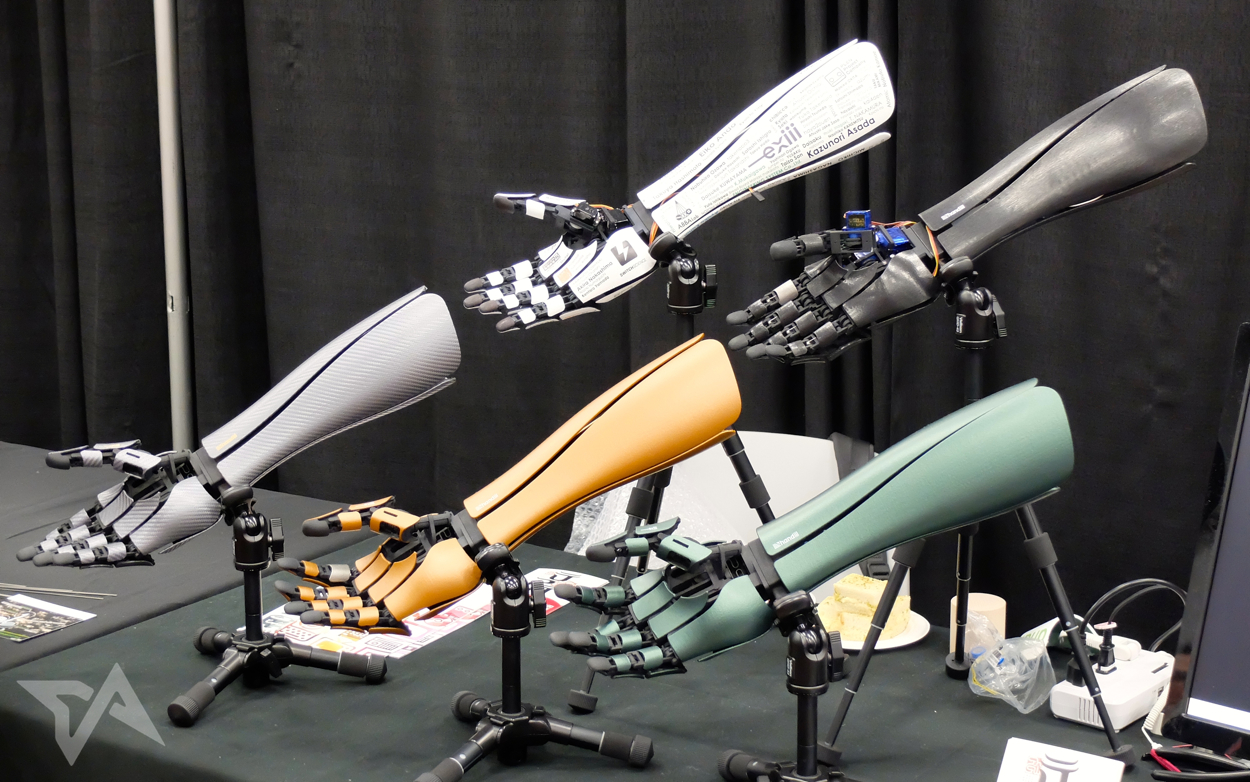
This robotic arm is part prosthetic, part fashion statement
  1. Labor and Manufacturing

In industries such as construction and manufacturing, workers often face physical challenges that can lead to fatigue, injury, and burnout. Bionic exoskeletons could help workers lift heavier loads, reduce physical strain, and enhance productivity. These technologies could also reduce the risk of repetitive strain injuries, making workplaces safer and more efficient.

  1. Sports and Athletics

Elite athletes are always looking for ways to improve their performance, and bionic enhancements could provide a competitive edge. From strength augmentation to injury prevention, bionic devices could help athletes push their bodies to new limits. Additionally, exoskeletons and muscle stimulators could be used in training to help athletes recover faster and build strength more efficiently.


The Ethical and Social Implications of Bionic Strength Enhancement

While bionics offers exciting possibilities for human strength enhancement, it also raises significant ethical, social, and philosophical questions. For example, how do we ensure that access to these technologies is equitable? Will bionics create a new form of inequality, where only the wealthy can afford to enhance their bodies?

Furthermore, there are concerns about the long-term implications of bionic enhancements on human identity. If technology allows us to surpass the physical limits of the human body, what does it mean to be “human” anymore? Will the use of bionics become widespread, leading to a society where strength and performance are no longer limited by biology?


Conclusion: A Brave New World of Bionic Strength

The possibilities offered by bionic technology are limitless. From restoring lost functionality to enhancing the strength and endurance of healthy individuals, bionics has the potential to revolutionize the way we think about human strength. However, as with all technological advancements, we must proceed carefully, considering both the potential benefits and the ethical challenges.

As we continue to refine bionic technologies, the future of human enhancement seems brighter than ever. Whether through exoskeletons, neural interfaces, or muscle stimulators, bionics could soon become an integral part of our lives—helping us not only to restore lost strength, but to achieve new levels of physical prowess previously reserved for superheroes.


Tags: BioengineeringHuman EnhancementProstheticsRobotics
ShareTweetShare

Related Posts

Bionics: The Key to Human Immortality?
Bionics

Bionics: The Key to Human Immortality?

December 2, 2025
Bionic Organs: Can They Save Lives or Create New Ethical Dilemmas?
Bionics

Bionic Organs: Can They Save Lives or Create New Ethical Dilemmas?

December 1, 2025
The Future of Prosthetics: Is It Fully Bionic?
Bionics

The Future of Prosthetics: Is It Fully Bionic?

November 30, 2025
What Happens When Bionics Merge with Artificial Intelligence?
Bionics

What Happens When Bionics Merge with Artificial Intelligence?

November 29, 2025
Bionic Enhancements: Could They Improve Our Cognitive Abilities?
Bionics

Bionic Enhancements: Could They Improve Our Cognitive Abilities?

November 28, 2025
How Far Can Bionic Eyes Take Us Beyond Human Vision?
Bionics

How Far Can Bionic Eyes Take Us Beyond Human Vision?

November 27, 2025
Leave Comment
  • Trending
  • Comments
  • Latest
Can Sustainability Drive Profits in Competitive Markets?

Can Sustainability Drive Profits in Competitive Markets?

October 17, 2025
Can the Spotlight Make or Break Your Career?

Can the Spotlight Make or Break Your Career?

October 14, 2025
Does the Spotlight Always Equal Success?

Does the Spotlight Always Equal Success?

October 16, 2025
Can the Spotlight Truly Capture the Essence of a Person?

Can the Spotlight Truly Capture the Essence of a Person?

October 16, 2025
Can Bionics Redefine Human Limitations?

Can Bionics Redefine Human Limitations?

Is Bionics the Future of Prosthetics?

Is Bionics the Future of Prosthetics?

Can We Truly Integrate Technology with Biology?

Can We Truly Integrate Technology with Biology?

How Close Are We to Creating Bionic Organs?

How Close Are We to Creating Bionic Organs?

How Can Spotlights Elevate Your Interior Design Game?

How Can Spotlights Elevate Your Interior Design Game?

December 2, 2025
Will We Ever Live on Mars? And Should We?

Will We Ever Live on Mars? And Should We?

December 2, 2025
Bionics: The Key to Human Immortality?

Bionics: The Key to Human Immortality?

December 2, 2025
How Can Data Privacy be Maintained in a Hyperconnected World?

How Can Data Privacy be Maintained in a Hyperconnected World?

December 2, 2025
CyberGait

Our content caters to engineers, researchers, and tech enthusiasts alike. Through focused articles on algorithms, biomimicry, and industry trends, we provide a comprehensive perspective on the future of movement, from laboratory breakthroughs to commercial products.

© 2025 cybergait.com. contacts:[email protected]

No Result
View All Result
  • Home
  • Bionics
  • Breakthroughs
  • Industry
  • Robotics
  • Spotlight

© 2025 cybergait.com. contacts:[email protected]

Welcome Back!

Login to your account below

Forgotten Password?

Retrieve your password

Please enter your username or email address to reset your password.

Log In