


























The global shift toward green energy is no longer a distant dream or a political buzzword—it’s happening right now. From solar farms that stretch across deserts to wind turbines dotting coastlines, the landscape of energy production is undergoing a radical transformation. But are we truly on the brink of a green energy revolution? Or is this just another phase in a centuries-long struggle to wean ourselves off fossil fuels?
To answer that, we must first understand the nature of the green energy movement, its progress so far, and the hurdles it faces. The green revolution is not a singular event but a complex and multi-layered process involving technology, policy, and societal change. It’s about decarbonizing economies, reducing reliance on finite resources, and, ultimately, creating a sustainable future for generations to come.
The Drivers of the Green Energy Movement
1. Climate Change and the Need for Sustainability
The climate crisis is perhaps the most powerful driving force behind the green energy revolution. The scientific consensus is clear: human activity, especially the burning of fossil fuels, is contributing to rising global temperatures and extreme weather patterns. To mitigate the worst effects of climate change, the world needs to dramatically reduce greenhouse gas emissions, and one of the most effective ways to do this is by transitioning to renewable energy sources.
2. Technological Advancements
The past two decades have witnessed significant technological breakthroughs in energy production, storage, and distribution. Solar panels, wind turbines, and battery storage systems are more efficient and cheaper than ever before. According to the International Energy Agency (IEA), the cost of solar photovoltaics has fallen by more than 80% since 2010, making it one of the cheapest sources of electricity globally. Likewise, advances in wind turbine technology, both onshore and offshore, are unlocking vast new sources of renewable energy.
3. Political Will and Global Policy
Governments around the world are increasingly making ambitious commitments to combat climate change. The Paris Agreement, signed in 2015, set the global goal of limiting global warming to well below 2°C above pre-industrial levels, with an aim to limit the rise to 1.5°C. Many countries are setting net-zero emissions targets, with some, like the UK, aiming to phase out fossil fuels entirely by 2035. Policies such as carbon pricing, subsidies for clean energy technologies, and mandates for renewable energy adoption are further accelerating the transition to a green energy future.
4. Economic Incentives and Job Creation
The green energy sector is rapidly becoming a major economic engine. The renewable energy industry already employs millions of people worldwide, with jobs in solar installation, wind turbine maintenance, electric vehicle production, and more. As investment in clean technologies continues to grow, this sector is expected to generate millions of additional jobs in the coming decades. Furthermore, renewable energy sources often have lower operational costs than fossil fuels, which could lead to cheaper electricity in the long term.
Key Technologies Leading the Green Energy Revolution
1. Solar Power
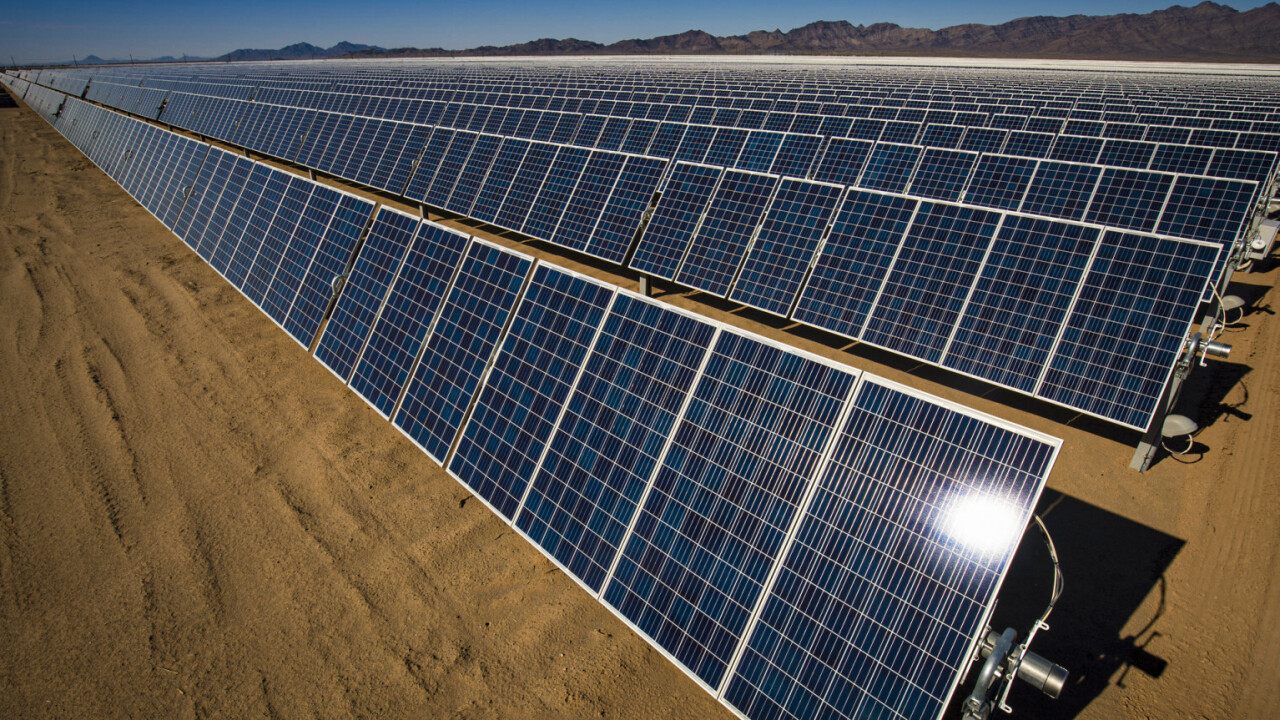
Solar power is arguably the most iconic renewable energy source. It converts sunlight directly into electricity using photovoltaic (PV) cells. Solar energy is scalable, from small rooftop panels to massive solar farms that span thousands of acres. The rapid growth of solar power can be attributed to plummeting costs, improved efficiency, and greater energy storage capabilities. In regions with high sunlight, such as the Middle East, North Africa, and parts of the United States, solar power is already being used to generate large amounts of electricity.
In addition to traditional solar panels, new technologies such as solar thermal power and floating solar farms are opening up new possibilities for clean energy generation. Solar thermal plants use mirrors to concentrate sunlight and generate steam, which drives turbines to produce electricity. Floating solar farms, installed on reservoirs and lakes, allow for the dual use of land and water resources.
2. Wind Power
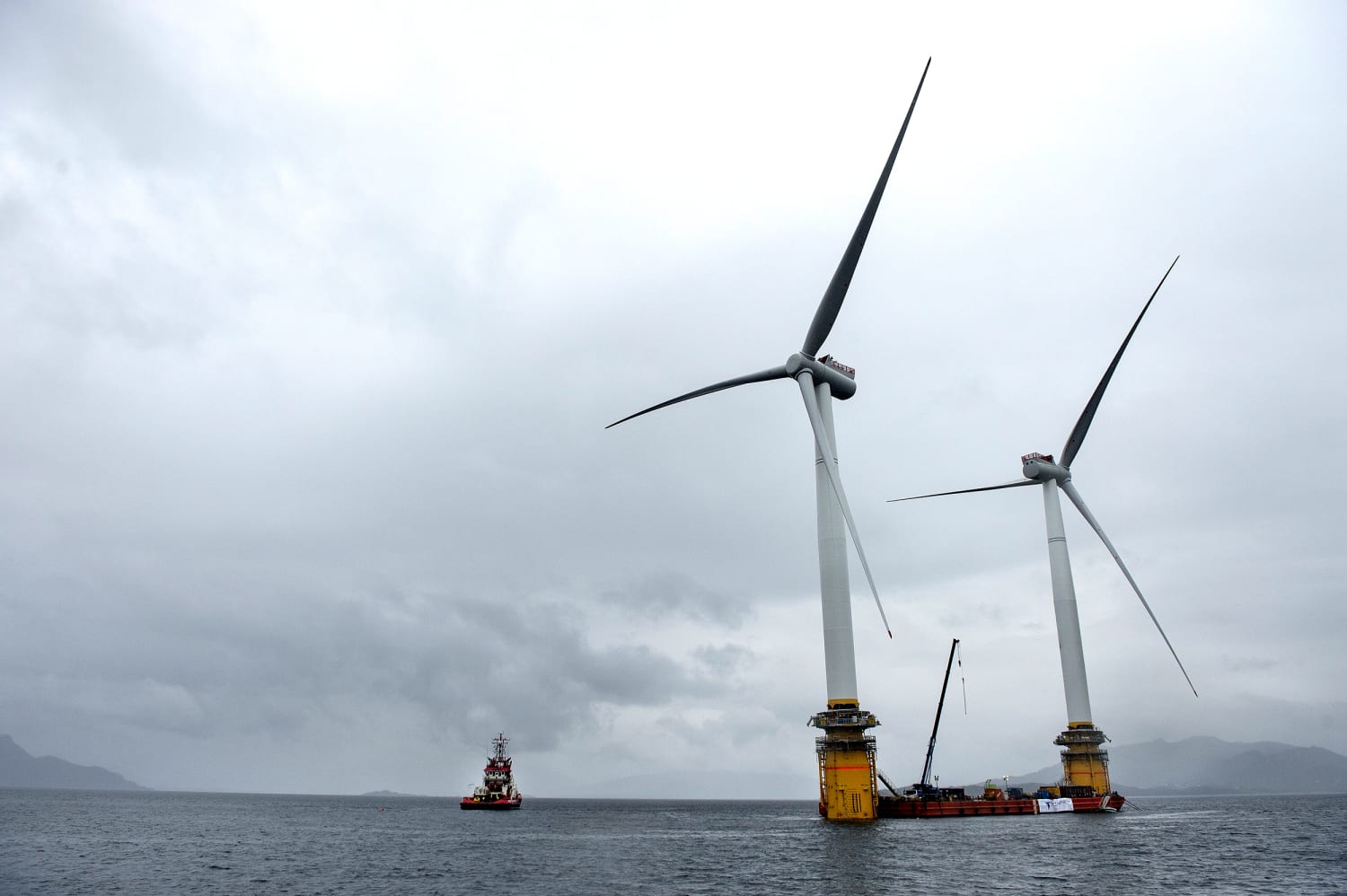
Wind energy harnesses the power of wind to generate electricity through turbines. Offshore wind farms, in particular, are expected to play a major role in the green energy future. These turbines, which are installed in bodies of water, typically far from shore, are more efficient than land-based turbines due to stronger and more consistent wind patterns.
Technological advancements in turbine design have made modern wind farms significantly more efficient and capable of generating larger amounts of energy. For instance, the latest generation of offshore wind turbines has blades that are over 100 meters long, capable of generating up to 12 MW of electricity—enough to power thousands of homes.
3. Energy Storage Solutions
One of the biggest challenges of renewable energy is intermittency—solar and wind power are only available when the sun is shining or the wind is blowing. To solve this issue, energy storage technologies, such as batteries, are essential. In particular, lithium-ion batteries have become the gold standard for energy storage, powering everything from electric vehicles to large-scale grid storage systems.
Other promising storage technologies include pumped hydro storage, which uses gravity to store energy in the form of water, and emerging innovations like solid-state batteries, which promise to offer even greater energy density and safety than current lithium-ion solutions.
4. Green Hydrogen
Hydrogen is often touted as the “fuel of the future.” Green hydrogen is produced through electrolysis, a process that uses renewable electricity to split water into hydrogen and oxygen. This hydrogen can then be used as a clean fuel for various applications, including transportation, industry, and power generation.
The key advantage of green hydrogen is its versatility. It can be stored and transported easily, making it a potential solution for energy storage and long-distance transportation. Major investments are already being made in green hydrogen production, with countries like Germany and Japan leading the way.
5. Electric Vehicles (EVs)
The transition to electric vehicles (EVs) is another vital aspect of the green energy revolution. EVs are powered by electricity rather than fossil fuels, reducing the carbon footprint of transportation. EV adoption is growing rapidly, with the global EV fleet expected to reach over 100 million by 2030.

The rise of electric vehicles is also creating a ripple effect in the energy market. As more people charge their EVs at home or at public charging stations, the demand for clean electricity increases. This, in turn, helps drive investment in renewable energy sources, creating a positive feedback loop.
The Challenges on the Road to a Green Energy Future
Despite the significant progress in green energy, several key challenges must be overcome before a full-scale revolution can take place.
1. Grid Modernization and Energy Distribution
As renewable energy sources like solar and wind become a larger part of the energy mix, the electricity grid must be upgraded to handle the variability of these energy sources. Smart grids, which use digital technology to monitor and manage electricity flows, will be crucial to balancing supply and demand and ensuring a stable and reliable power system.
2. Energy Storage and Infrastructure
While battery technology is advancing, large-scale energy storage systems are still relatively expensive and limited in capacity. Scaling up energy storage solutions to meet the needs of an entire nation or continent will require significant investment in new infrastructure and innovative storage technologies.
3. Political and Economic Barriers
Despite growing support for green energy, vested interests in the fossil fuel industry still pose significant political and economic barriers. In many countries, fossil fuel subsidies continue to skew the energy market in favor of polluting industries, making it harder for renewable energy to compete on equal footing. In addition, fossil fuel-dependent communities and workers may resist the transition, fearing job losses and economic instability.
4. Public Perception and Awareness
For the green energy revolution to succeed, public awareness and support are critical. While many people are aware of climate change, there is still a significant gap in understanding the importance of green energy in solving the crisis. Educating the public on the benefits of renewable energy, as well as its economic and environmental advantages, will be key to building broad-based support for the transition.
5. Environmental Impact of Green Technologies
While green technologies are far less harmful to the environment than fossil fuels, they are not without their own environmental challenges. For example, the mining of lithium, cobalt, and rare earth metals for batteries and electronics can have negative environmental and human rights impacts. Finding sustainable ways to source materials for green technologies and minimizing waste through recycling will be essential to ensuring the sustainability of the green energy revolution.
The Road Ahead: Can We Achieve a Green Energy Revolution?
The green energy revolution is undeniably underway, but whether we are truly on the brink of a full-scale transformation depends on how quickly we can overcome the barriers outlined above. Technological advancements are occurring at an unprecedented pace, and global policy momentum is building. However, the world is at a critical juncture. Governments, businesses, and individuals must act with urgency to accelerate the transition to green energy.
Ultimately, the green energy revolution is not just about new technologies or political will—it’s about creating a new way of thinking about energy. It’s about recognizing that the planet’s resources are finite and that we must find ways to live in harmony with the environment, rather than extracting from it without regard for the future.
Are we on the brink of a green energy revolution? It’s hard to say for sure. But one thing is clear: the journey is already underway. And if we stay on course, the revolution is bound to reshape our world in ways we can only begin to imagine.