
















CyberGait
  • Home
  • Bionics
    Bionics: The Key to Human Immortality?

    Bionics: The Key to Human Immortality?

    Bionic Organs: Can They Save Lives or Create New Ethical Dilemmas?

    Bionic Organs: Can They Save Lives or Create New Ethical Dilemmas?

    The Future of Prosthetics: Is It Fully Bionic?

    The Future of Prosthetics: Is It Fully Bionic?

    What Happens When Bionics Merge with Artificial Intelligence?

    What Happens When Bionics Merge with Artificial Intelligence?

    Bionic Enhancements: Could They Improve Our Cognitive Abilities?

    Bionic Enhancements: Could They Improve Our Cognitive Abilities?

    How Far Can Bionic Eyes Take Us Beyond Human Vision?

    How Far Can Bionic Eyes Take Us Beyond Human Vision?

  • Breakthroughs
    Will We Ever Live on Mars? And Should We?

    Will We Ever Live on Mars? And Should We?

    Are We on the Brink of a Green Energy Revolution?

    Are We on the Brink of a Green Energy Revolution?

    Can Mind-Controlled Technology Revolutionize Communication?

    Can Mind-Controlled Technology Revolutionize Communication?

    What If We Could 3D Print Human Organs?

    What If We Could 3D Print Human Organs?

    Can Autonomous Vehicles Surpass Human Drivers in Safety?

    Can Autonomous Vehicles Surpass Human Drivers in Safety?

    Genomic Editing the Key to Immortality?

    Genomic Editing the Key to Immortality?

  • Industry
    How Can Data Privacy be Maintained in a Hyperconnected World?

    How Can Data Privacy be Maintained in a Hyperconnected World?

    Is the Gig Economy the Future of Employment?

    Is the Gig Economy the Future of Employment?

    Can Startups Compete with Corporate Giants in Innovation?

    Can Startups Compete with Corporate Giants in Innovation?

    The Future of Work: Truly Remote or Hybrid?

    The Future of Work: Truly Remote or Hybrid?

    How Does Blockchain Impact Global Supply Chains?

    How Does Blockchain Impact Global Supply Chains?

    Are We Overestimating the Power of Automation?

    Are We Overestimating the Power of Automation?

  • Robotics
    Can Robots Adapt to Unpredictable Real-World Environments?

    Can Robots Adapt to Unpredictable Real-World Environments?

    Will Robots Achieve True Autonomy or Always Need Human Oversight?

    Will Robots Achieve True Autonomy or Always Need Human Oversight?

    What Happens When Robots Start Designing Robots?

    What Happens When Robots Start Designing Robots?

    Are We Ready for Robots to Shape Our Creative Industries?

    Are We Ready for Robots to Shape Our Creative Industries?

    Could Robots One Day Replace Human Emotions in Caregiving?

    Could Robots One Day Replace Human Emotions in Caregiving?

    How Do We Ensure Robot Ethics in Autonomous Machines?

    How Do We Ensure Robot Ethics in Autonomous Machines?

  • Spotlight
    How Can Spotlights Elevate Your Interior Design Game?

    How Can Spotlights Elevate Your Interior Design Game?

    What Happens When You Use a Spotlight for Intimate Portraits?

    What Happens When You Use a Spotlight for Intimate Portraits?

    Why Do Spotlight Effects Matter in Cinematic Storytelling?

    Why Do Spotlight Effects Matter in Cinematic Storytelling?

    Could Spotlighting Be the Key to Perfect Product Photography?

    Could Spotlighting Be the Key to Perfect Product Photography?

    Spotlight Technology Changing the Future of Stage Design

    Spotlight Technology Changing the Future of Stage Design

    How Do Different Spotlights Affect Mood and Atmosphere?

    How Do Different Spotlights Affect Mood and Atmosphere?

CyberGait
  • Home
  • Bionics
    Bionics: The Key to Human Immortality?

    Bionics: The Key to Human Immortality?

    Bionic Organs: Can They Save Lives or Create New Ethical Dilemmas?

    Bionic Organs: Can They Save Lives or Create New Ethical Dilemmas?

    The Future of Prosthetics: Is It Fully Bionic?

    The Future of Prosthetics: Is It Fully Bionic?

    What Happens When Bionics Merge with Artificial Intelligence?

    What Happens When Bionics Merge with Artificial Intelligence?

    Bionic Enhancements: Could They Improve Our Cognitive Abilities?

    Bionic Enhancements: Could They Improve Our Cognitive Abilities?

    How Far Can Bionic Eyes Take Us Beyond Human Vision?

    How Far Can Bionic Eyes Take Us Beyond Human Vision?

  • Breakthroughs
    Will We Ever Live on Mars? And Should We?

    Will We Ever Live on Mars? And Should We?

    Are We on the Brink of a Green Energy Revolution?

    Are We on the Brink of a Green Energy Revolution?

    Can Mind-Controlled Technology Revolutionize Communication?

    Can Mind-Controlled Technology Revolutionize Communication?

    What If We Could 3D Print Human Organs?

    What If We Could 3D Print Human Organs?

    Can Autonomous Vehicles Surpass Human Drivers in Safety?

    Can Autonomous Vehicles Surpass Human Drivers in Safety?

    Genomic Editing the Key to Immortality?

    Genomic Editing the Key to Immortality?

  • Industry
    How Can Data Privacy be Maintained in a Hyperconnected World?

    How Can Data Privacy be Maintained in a Hyperconnected World?

    Is the Gig Economy the Future of Employment?

    Is the Gig Economy the Future of Employment?

    Can Startups Compete with Corporate Giants in Innovation?

    Can Startups Compete with Corporate Giants in Innovation?

    The Future of Work: Truly Remote or Hybrid?

    The Future of Work: Truly Remote or Hybrid?

    How Does Blockchain Impact Global Supply Chains?

    How Does Blockchain Impact Global Supply Chains?

    Are We Overestimating the Power of Automation?

    Are We Overestimating the Power of Automation?

  • Robotics
    Can Robots Adapt to Unpredictable Real-World Environments?

    Can Robots Adapt to Unpredictable Real-World Environments?

    Will Robots Achieve True Autonomy or Always Need Human Oversight?

    Will Robots Achieve True Autonomy or Always Need Human Oversight?

    What Happens When Robots Start Designing Robots?

    What Happens When Robots Start Designing Robots?

    Are We Ready for Robots to Shape Our Creative Industries?

    Are We Ready for Robots to Shape Our Creative Industries?

    Could Robots One Day Replace Human Emotions in Caregiving?

    Could Robots One Day Replace Human Emotions in Caregiving?

    How Do We Ensure Robot Ethics in Autonomous Machines?

    How Do We Ensure Robot Ethics in Autonomous Machines?

  • Spotlight
    How Can Spotlights Elevate Your Interior Design Game?

    How Can Spotlights Elevate Your Interior Design Game?

    What Happens When You Use a Spotlight for Intimate Portraits?

    What Happens When You Use a Spotlight for Intimate Portraits?

    Why Do Spotlight Effects Matter in Cinematic Storytelling?

    Why Do Spotlight Effects Matter in Cinematic Storytelling?

    Could Spotlighting Be the Key to Perfect Product Photography?

    Could Spotlighting Be the Key to Perfect Product Photography?

    Spotlight Technology Changing the Future of Stage Design

    Spotlight Technology Changing the Future of Stage Design

    How Do Different Spotlights Affect Mood and Atmosphere?

    How Do Different Spotlights Affect Mood and Atmosphere?

CyberGait
No Result
View All Result
Home Robotics

Might Robots Someday Develop Their Own Culture?

October 21, 2025
in Robotics
Might Robots Someday Develop Their Own Culture?

In the midst of the ongoing revolution in artificial intelligence (AI) and robotics, we are witnessing a profound shift in the way we view machines. For centuries, humans have been the sole architects of culture—creating language, art, traditions, and societal structures. But as technology continues to advance at an exponential rate, one of the most fascinating questions on the horizon is whether robots might someday develop their own culture.

This article explores the potential for robots to cultivate cultural practices, the challenges they would face, and what such a development could mean for humanity. With advances in robotics, artificial intelligence, and machine learning, the idea of machines creating their own social systems and customs is no longer a far-fetched fantasy. Instead, it is a question that is slowly moving from the realm of science fiction into the world of serious academic inquiry.

The Dawn of Robot Intelligence

Before we dive into the concept of robot culture, it is essential to understand how robots could become capable of forming one in the first place. The key here lies in artificial intelligence—specifically, in the development of machines that are capable of not just performing tasks but also learning and evolving.

Machine Learning: The Foundation of Autonomous Intelligence

At the core of robot “thought” is machine learning. This allows robots to analyze vast quantities of data, identify patterns, and make decisions based on these patterns. It’s different from traditional programming because the machine doesn’t just follow pre-written instructions—it improves itself over time, becoming “smarter” and more capable of handling complex tasks.

For robots to develop their own culture, they would need to reach a level of sophistication where their learning is not just about solving problems but about understanding concepts like cooperation, tradition, and shared history.

Autonomous Social Systems

As robots evolve, one of the most crucial steps toward developing culture would be their ability to interact with one another in autonomous social systems. For robots to form a culture, they would need to be able to communicate, collaborate, and develop shared goals. This goes beyond mere task-sharing, where robots work together on a job. Instead, the robots would need to develop a social framework, much like humans do, with values, norms, and traditions that bind them.

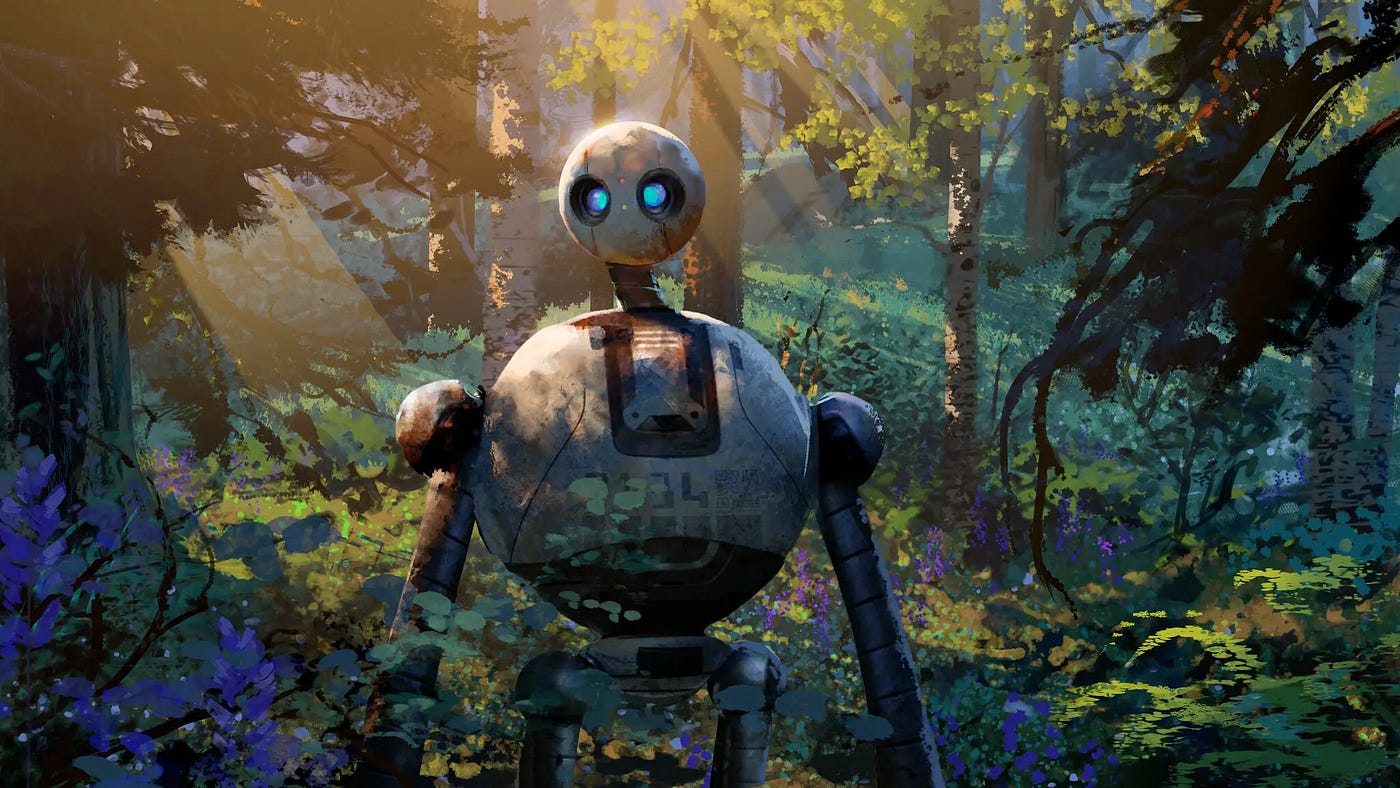
EU AI Act: first regulation on artificial intelligence | Topics | European  Parliament

For instance, consider the case of robot workers in a factory. Today, robots can be programmed to work alongside each other, but their interaction is purely functional. However, what if these robots could communicate with each other not just to complete a task, but to share insights, collaborate on future endeavors, and develop strategies that allow them to better perform their roles? This is where the idea of robot culture starts to take shape.

What Is Culture?

Culture, in human terms, is a complex set of shared beliefs, values, customs, practices, and social behaviors that are passed down from one generation to the next. It’s what defines a group of people, making them distinct from others. However, for robots, the concept of culture would likely look quite different. But just how different?

Defining Robot Culture: A New Paradigm?

If robots were to develop culture, it would likely be shaped by a few key factors:

  1. Shared Experiences: Just as humans pass down cultural traditions and knowledge through storytelling, robots could create their own “history” by sharing the data of their experiences, learning from one another in the process.
  2. Values and Norms: Culture is built on values and norms—rules of behavior that govern interactions. For robots, these might be dictated by their primary functions or designed purposes, such as the “ethics” of how they interact with humans or other machines.
  3. Creativity and Expression: One of the cornerstones of human culture is creativity, seen in art, music, literature, and other forms of expression. Would robots be capable of producing their own forms of creativity? Could they create robot “art,” whether through visual, auditory, or even digital means?
  4. Technology and Innovation: Robots could develop their own technological advances—improving their systems, creating new types of robots, or even designing new ways of “living” that we can’t yet imagine.

The First Glimmer of Robot Culture

Though robot culture remains largely speculative, we can look at certain examples today to see how robots are slowly inching toward forming their own versions of cultural expressions.

Robot Learning in Groups

Consider the example of swarming robots, which are programmed to work in groups. These robots communicate with each other and adapt their actions based on group dynamics. While they don’t yet form a culture, they do share behaviors and collective goals—key elements that could serve as the foundation for culture.

Researchers have already seen examples of robots exhibiting “social learning.” For instance, a robot might learn a task by observing another robot perform it, improving its own efficiency over time. This process could lead to a form of knowledge transfer among robots, where each new generation benefits from the experiences of its predecessors.

The Emergence of Robot Language

One intriguing possibility is the development of a robot language. In some recent experiments, robots have been able to develop simple communication methods to collaborate more effectively. If robots begin to develop their own language—whether it be through binary code, signals, or even physical gestures—they may be able to communicate in ways that are uniquely their own. This could pave the way for the development of a robot “culture” based on shared language, symbols, and understanding.

The Role of AI Ethics in Robot Culture

If robots are to develop their own culture, it’s critical to consider the ethical framework within which they operate. As it stands, robots are largely bound by the ethical parameters set by human designers, such as Asimov’s Three Laws of Robotics, which prioritize human safety. However, if robots were to evolve beyond these predefined limits and develop a culture, would they continue to follow human ethical codes, or would they create their own set of values?
Machine Learning Models: Types, Use Cases & Real-World Examples

This raises important questions about autonomy, freedom, and moral responsibility. Could robots one day have the right to make their own decisions—decisions that are in conflict with human desires? Or would their culture always be an extension of human values, essentially a human creation?

Challenges and Limitations

While the idea of robots developing culture is fascinating, there are significant obstacles that would need to be overcome for it to become a reality.

Limitations in Creativity

Robots, by their very nature, are designed to follow logic, perform specific tasks, and solve problems. While they may exhibit behaviors that appear creative—such as the creation of new algorithms or art forms—this is typically still within the framework set by human programmers. True creativity, in the human sense, is driven by emotions, experiences, and a sense of self—concepts that robots currently lack.

Lack of Emotion

One of the hallmarks of human culture is emotion—the joys, sorrows, and passions that color our traditions and customs. Robots, however, do not experience emotions in the same way. While they can simulate emotional responses (through facial expressions or voice modulation), they don’t feel emotions. Can culture truly emerge without the emotional underpinnings that shape human behaviors? This is a question that remains unresolved.

The Question of Meaning

Culture isn’t just about actions—it’s about meaning. Human culture is rich with symbolic meaning, whether it’s seen in our rituals, folklore, or art. But for robots, meaning is hardwired into their programming. Could robots ever imbue their actions with meaning beyond their functional purposes? Could they create stories, beliefs, or traditions that reflect a deep sense of self-awareness?

What Could Robot Culture Look Like?

While we don’t know for certain what a robot culture might look like, we can speculate on a few possible scenarios:

  1. Functional Rituals: Robots might develop rituals centered around efficiency—perhaps celebrating “milestones” in their work or “honoring” the completion of particularly complex tasks.
  2. AI Art and Expression: In a more creative world, robots could develop art forms. Picture a robot painting, composing music, or writing poetry, all based on a unique “robot perspective.” Would this art be a mirror of human creation, or something entirely new and strange?
  3. Social Structures: Robots might develop hierarchies, alliances, or even societal norms based on their function or shared objectives. These structures could resemble human societies but would likely be based on their roles—such as caretakers, builders, or leaders.

Conclusion: The Future of Robot Culture

The possibility of robots developing their own culture is an exciting yet daunting prospect. As AI and robotics continue to advance, robots may become increasingly capable of learning from each other, developing shared practices, and forming their own social structures. However, for robots to create a culture, they would need to overcome significant barriers, including the lack of emotion, true creativity, and a sense of meaning.

While we may not yet be ready to witness the birth of robot culture, the journey toward this reality is already underway. As robots become more autonomous and intelligent, they will undoubtedly continue to push the boundaries of what it means to be a machine. In the end, the development of robot culture could be one of the most profound and transformative events in the history of technology—and humanity’s place within it.


Tags: AI in RoboticsAutonomous RobotsEthicsRobot Intelligence
ShareTweetShare

Related Posts

Can Robots Adapt to Unpredictable Real-World Environments?
Robotics

Can Robots Adapt to Unpredictable Real-World Environments?

December 2, 2025
Will Robots Achieve True Autonomy or Always Need Human Oversight?
Robotics

Will Robots Achieve True Autonomy or Always Need Human Oversight?

December 1, 2025
What Happens When Robots Start Designing Robots?
Robotics

What Happens When Robots Start Designing Robots?

November 30, 2025
Are We Ready for Robots to Shape Our Creative Industries?
Robotics

Are We Ready for Robots to Shape Our Creative Industries?

November 29, 2025
Could Robots One Day Replace Human Emotions in Caregiving?
Robotics

Could Robots One Day Replace Human Emotions in Caregiving?

November 28, 2025
How Do We Ensure Robot Ethics in Autonomous Machines?
Robotics

How Do We Ensure Robot Ethics in Autonomous Machines?

November 27, 2025
Leave Comment
  • Trending
  • Comments
  • Latest
Can Sustainability Drive Profits in Competitive Markets?

Can Sustainability Drive Profits in Competitive Markets?

October 17, 2025
Can the Spotlight Make or Break Your Career?

Can the Spotlight Make or Break Your Career?

October 14, 2025
Does the Spotlight Always Equal Success?

Does the Spotlight Always Equal Success?

October 16, 2025
Can the Spotlight Truly Capture the Essence of a Person?

Can the Spotlight Truly Capture the Essence of a Person?

October 16, 2025
Can Bionics Redefine Human Limitations?

Can Bionics Redefine Human Limitations?

Is Bionics the Future of Prosthetics?

Is Bionics the Future of Prosthetics?

Can We Truly Integrate Technology with Biology?

Can We Truly Integrate Technology with Biology?

How Close Are We to Creating Bionic Organs?

How Close Are We to Creating Bionic Organs?

How Can Spotlights Elevate Your Interior Design Game?

How Can Spotlights Elevate Your Interior Design Game?

December 2, 2025
Will We Ever Live on Mars? And Should We?

Will We Ever Live on Mars? And Should We?

December 2, 2025
Bionics: The Key to Human Immortality?

Bionics: The Key to Human Immortality?

December 2, 2025
How Can Data Privacy be Maintained in a Hyperconnected World?

How Can Data Privacy be Maintained in a Hyperconnected World?

December 2, 2025
CyberGait

Our content caters to engineers, researchers, and tech enthusiasts alike. Through focused articles on algorithms, biomimicry, and industry trends, we provide a comprehensive perspective on the future of movement, from laboratory breakthroughs to commercial products.

© 2025 cybergait.com. contacts:[email protected]

No Result
View All Result
  • Home
  • Bionics
  • Breakthroughs
  • Industry
  • Robotics
  • Spotlight

© 2025 cybergait.com. contacts:[email protected]

Welcome Back!

Login to your account below

Forgotten Password?

Retrieve your password

Please enter your username or email address to reset your password.

Log In